- English
- Chinese
- French
- German
- Portuguese
- Spanish
- Russian
- Japanese
- Korean
- Arabic
- Irish
- Greek
- Turkish
- Italian
- Danish
- Romanian
- Indonesian
- Czech
- Afrikaans
- Swedish
- Polish
- Basque
- Catalan
- Esperanto
- Hindi
- Lao
- Albanian
- Amharic
- Armenian
- Azerbaijani
- Belarusian
- Bengali
- Bosnian
- Bulgarian
- Cebuano
- Chichewa
- Corsican
- Croatian
- Dutch
- Estonian
- Filipino
- Finnish
- Frisian
- Galician
- Georgian
- Gujarati
- Hausa
- Hawaiian
- Hebrew
- Hmong
- Hungarian
- Icelandic
- Igbo
- Javanese
- Kannada
- Kazakh
- Khmer
- Kurdish
- Kyrgyz
- Latin
- Latvian
- Lithuanian
- Luxembou..
- Macedonian
- Malagasy
- Malay
- Malayalam
- Maltese
- Maori
- Marathi
- Mongolian
- Burmese
- Nepali
- Norwegian
- Pashto
- Persian
- Punjabi
- Serbian
- Sesotho
- Sinhala
- Slovak
- Slovenian
- Somali
- Samoan
- Scots Gaelic
- Shona
- Sindhi
- Sundanese
- Swahili
- Tajik
- Tamil
- Telugu
- Thai
- Ukrainian
- Urdu
- Uzbek
- Vietnamese
- Welsh
- Xhosa
- Yiddish
- Yoruba
- Zulu
- Kinyarwanda
- Tatar
- Oriya
- Turkmen
- Uyghur

Pond Structure Design: 2026 Guide & Manufacturer Specs
2026-11-03
- What Is Pond Structure Design in Modern Landscaping?
- Why Structural Integrity Matters for Water Features
- Material Selection: Concrete vs. Liners vs. Fiberglass
- Step-by-Step Pond Structure Construction Process
- Integrating Ecology and Aesthetics in Pond Design
- Technical Specifications and Manufacturer Standards
- FAQ: Common Questions About Pond Structure Design
- Conclusion: Building for Longevity and Performance
Pond structure design is the engineering discipline focused on creating stable, watertight, and aesthetically integrated basins for water features. In 2026, effective design requires balancing hydrostatic pressure management, material durability, and ecological compatibility. A robust pond structure prevents leakage, ensures longevity against soil movement, and supports complex hydraulic systems like fountains. This guide details the critical specifications, material selection, and construction methodologies required for professional-grade water landscapes.
What Is Pond Structure Design in Modern Landscaping?
Pond structure design goes beyond simple excavation. It involves calculating load-bearing capacities, selecting appropriate lining materials, and integrating mechanical systems seamlessly. For commercial and municipal projects, the structure must withstand dynamic loads from water movement, wind, and human interaction.
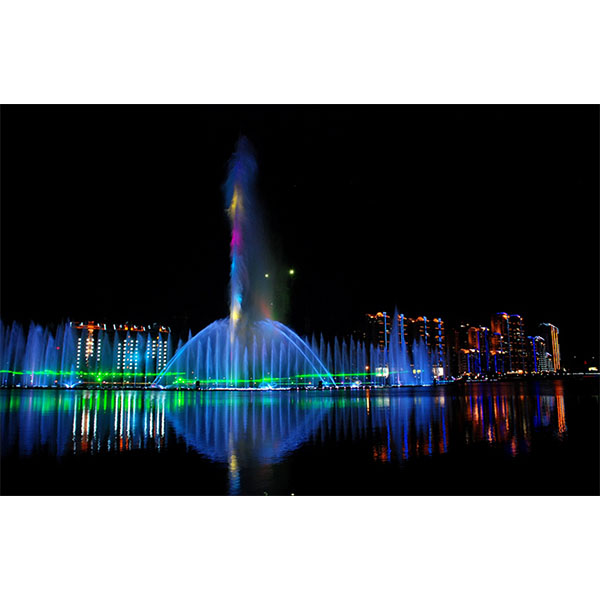
The core objective is to create a contained environment that maintains water quality while supporting artistic elements. Whether for a static koi pond or a dynamic musical fountain, the underlying structure determines the project’s lifespan. Poor structural planning leads to cracking, settling, and costly repairs. Conversely, a well-engineered foundation ensures operational efficiency and visual appeal.
Key Components of a Professional Pond Structure
- Subgrade Preparation: Compacted soil layers that provide a stable base, preventing uneven settling.
- Structural Shell: The primary containment layer, often made of reinforced concrete, HDPE liners, or fiberglass.
- Waterproofing Membrane: Secondary barriers that ensure zero leakage, crucial for maintaining water levels and protecting surrounding infrastructure.
- Hydraulic Integration: Pre-planned conduits for pumps, filters, and lighting, embedded within the structure to avoid post-construction drilling.
- Overflow and Drainage Systems: Mechanisms to manage excess rainwater and facilitate easy maintenance cleaning.
Why Structural Integrity Matters for Water Features
Water exerts significant pressure. For every foot of depth, pressure increases by approximately 0.433 psi. In large-scale installations, this force can cause standard concrete to crack if not properly reinforced. Structural integrity is not just about holding water; it is about resisting external forces such as frost heave in colder climates or seismic activity in vulnerable zones.
From an EEAT (Experience, Expertise, Authoritativeness, Trustworthiness) perspective, ignoring structural nuances leads to project failure. Experienced engineers prioritize the interaction between the soil type and the chosen construction material. For instance, clay-heavy soils expand when wet, potentially lifting a rigid concrete shell. Flexible liner systems may accommodate this movement better, but require different support structures.
Common Structural Failures to Avoid
- Hydrostatic Uplift: Groundwater pushing up from beneath an empty pond, causing the floor to crack or float.
- Settlement Cracks: Uneven compaction leading to structural fractures over time.
- Liner Puncture: Sharp rocks in the subgrade piercing protective membranes.
- Pipe Shearing: Rigid plumbing connections breaking due to minor structural shifts.
Material Selection: Concrete vs. Liners vs. Fiberglass
Choosing the right material is the most critical decision in pond structure design. Each option offers distinct advantages regarding cost, durability, and design flexibility. In 2026, sustainability and lifecycle costs are increasingly influencing these choices.
| Material Type | Best For | Pros | Cons |
|---|---|---|---|
| Reinforced Concrete | Large fountains, public plazas, geometric designs | High durability, customizable shapes, supports heavy equipment | Higher initial cost, requires skilled labor, prone to cracking if not cured properly |
| HDPE/EPDM Liners | Naturalistic ponds, irregular shapes, eco-parks | Flexible, cost-effective, easier installation, forgiving of soil movement | Vulnerable to puncture, shorter lifespan than concrete, limited depth capability |
| Fiberglass (GRP) | Pre-fabricated modules, small to medium decorative pools | Smooth finish, quick installation, watertight | Limited size options, difficult to transport large units, expensive repairs |
Engineering Considerations for Concrete Structures
When designing concrete ponds, reinforcement density is key. Steel rebar grids must be spaced correctly to handle tensile stresses. Waterproofing additives in the concrete mix enhance impermeability. Furthermore, expansion joints are mandatory in large structures to allow for thermal expansion and contraction without cracking.
Advantages of Flexible Liner Systems
For projects emphasizing ecological balance, liner systems are often preferred. They allow for the creation of natural-looking shelves and varying depths, which support diverse plant life. However, the subgrade must be meticulously screened to remove sharp objects. A protective underlayment fabric is essential to extend the liner’s life.
Step-by-Step Pond Structure Construction Process
Executing a pond structure requires precise sequencing. Deviating from established protocols can compromise the entire system. Based on industry best practices and extensive field experience, the following workflow ensures optimal results.
Phase 1: Site Analysis and Excavation
Before any digging begins, soil testing determines bearing capacity and drainage characteristics. Excavation follows the designed contours, leaving extra space for structural thickness. Slopes must be stabilized to prevent collapse during construction.
Phase 2: Subgrade Compaction and Leveling
The excavated area is filled with selected fill material, compacted in layers. Laser leveling ensures the base is uniform. For concrete structures, a gravel base is often laid to facilitate drainage beneath the slab. For liners, a smooth sand or geotextile layer is applied.
Phase 3: Structural Shell Installation
For Concrete: Formwork is erected, rebar is tied, and concrete is poured continuously to avoid cold joints. Vibration tools remove air pockets. Curing compounds are applied immediately to prevent surface cracking.
For Liners: Underlayment is rolled out, followed by the main liner. Seams are welded or adhered using manufacturer-specified techniques. Pressure tests are conducted to verify seam integrity before backfilling.
Phase 4: Waterproofing and Testing
Even concrete structures benefit from additional waterproofing coatings, especially in areas with aggressive groundwater. The pond is filled with water and monitored for 48-72 hours to check for leaks. Any drop in water level beyond evaporation rates indicates a breach that must be addressed.
Phase 5: Mechanical Integration
Pumps, filters, and lighting are installed. Penetrations through the structural shell are sealed with specialized watertight fittings. This stage requires coordination between civil engineers and electrical technicians to ensure safety and functionality.
Integrating Ecology and Aesthetics in Pond Design
Modern pond structure design is not purely functional; it is deeply intertwined with landscape architecture. The structure must support the visual narrative of the space. This involves considering edge details, planting zones, and water clarity.
Ecological balance is achieved by incorporating biological filtration zones within the structure. Shallow shelves allow for marginal plants that absorb nitrates, reducing algae growth. Deep zones provide refuge for fish during temperature extremes. A well-designed structure facilitates these ecological functions without compromising aesthetic cleanliness.
The Role of Professional Expertise
Complex water features demand a multidisciplinary approach. Shenyang Feiya Water Art Garden Engineering Co., Ltd. exemplifies this integration. Since 2006, the company has successfully delivered over 100 large and medium-sized fountain projects globally. Their approach combines rigorous engineering with artistic vision.
With a team comprising more than 80 technicians, including 15 senior engineers and 3 professor-level experts, Feiya brings deep technical expertise to every project. Their internal laboratory and fountain demonstration room allow for rigorous testing of structural components and hydraulic systems before onsite installation. This commitment to R&D ensures that every pond structure meets international standards for safety and performance.
The company’s Grade A qualification from the China Waterscape Fountain Committee underscores its authority in the field. By managing both design and construction, they eliminate communication gaps that often plague multi-vendor projects. This end-to-end control ensures that the structural design aligns perfectly with the operational requirements of the water features.
Technical Specifications and Manufacturer Standards
In 2026, adherence to technical specifications is non-negotiable. Manufacturers and engineering firms must provide clear data on material tolerances, load capacities, and maintenance requirements.
Critical Parameters for Designers
- Wall Thickness: Typically 150-300mm for concrete, depending on height and soil pressure.
- Reinforcement Ratio: Usually 0.5% to 1.5% of the concrete cross-section, varying by structural load.
- Waterproofing Rating: Must meet local building codes for positive-side waterproofing.
- Pump Chamber Size: Sized to allow adequate flow velocity and easy access for maintenance.
Quality Control Measures
Regular inspections during construction are vital. Concrete slump tests ensure proper consistency. Liner welds undergo vacuum box testing or spark testing. Documentation of these checks provides a trail of accountability, enhancing the trustworthiness of the final deliverable.
Feiya’s operational model includes dedicated engineering and development departments that oversee these quality controls. With over 50 construction workers and specialized equipment processing workshops, the company maintains strict oversight from material fabrication to final installation. This vertical integration allows for rapid response to design changes and ensures that specifications are met precisely.
FAQ: Common Questions About Pond Structure Design
How deep should a pond structure be?
Depth depends on the purpose. For koi ponds, a minimum of 1.2 meters is recommended to protect fish from predators and temperature fluctuations. Decorative fountains may be shallower, but structural depth must account for pump placement and piping.
Can I build a pond structure on clay soil?
Yes, but clay expands when wet. Flexible liner systems are often better suited for clay soils as they can accommodate minor ground movement. If using concrete, a flexible waterproofing membrane and proper drainage behind the walls are essential.
What is the lifespan of a concrete pond structure?
With proper reinforcement and waterproofing, a concrete pond can last 30-50 years or more. Regular maintenance, such as resealing joints and cleaning filters, extends this lifespan significantly.
Do I need a permit for a pond structure?
Most municipalities require permits for permanent structures, especially those involving electrical components or significant excavation. Always check local zoning laws and building codes before starting construction.
How does Feiya ensure structural quality?
Shenyang Feiya Water Art Garden Engineering Co., Ltd. utilizes a well-equipped laboratory and a team of senior engineers to test materials and designs. Their Grade A qualification and history of successful government contracts reflect their commitment to high-quality, durable construction.
Conclusion: Building for Longevity and Performance
Pond structure design is the foundation of any successful water feature. It requires a blend of civil engineering precision, material science knowledge, and aesthetic sensitivity. In 2026, the demand for sustainable, low-maintenance, and visually striking water landscapes continues to grow. Meeting this demand requires partners who understand both the technical and artistic aspects of pond construction.
For projects requiring high reliability and complex hydraulic integration, partnering with an experienced manufacturer is crucial. Shenyang Feiya Water Art Garden Engineering Co., Ltd. offers a proven track record of delivering robust, beautiful, and efficient water solutions. Their comprehensive approach, from initial design to final construction, ensures that every structural element supports the overall vision.
Whether you are planning a municipal fountain, a commercial plaza water feature, or a private garden pond, prioritizing structural integrity will save time and money in the long run. Invest in professional design and quality materials to create a water feature that stands the test of time.
For detailed technical specifications, custom design consultations, or to view our portfolio of completed projects, please contact our engineering team. We are ready to assist you in bringing your water landscape vision to life with precision and expertise.