- English
- Chinese
- French
- German
- Portuguese
- Spanish
- Russian
- Japanese
- Korean
- Arabic
- Irish
- Greek
- Turkish
- Italian
- Danish
- Romanian
- Indonesian
- Czech
- Afrikaans
- Swedish
- Polish
- Basque
- Catalan
- Esperanto
- Hindi
- Lao
- Albanian
- Amharic
- Armenian
- Azerbaijani
- Belarusian
- Bengali
- Bosnian
- Bulgarian
- Cebuano
- Chichewa
- Corsican
- Croatian
- Dutch
- Estonian
- Filipino
- Finnish
- Frisian
- Galician
- Georgian
- Gujarati
- Hausa
- Hawaiian
- Hebrew
- Hmong
- Hungarian
- Icelandic
- Igbo
- Javanese
- Kannada
- Kazakh
- Khmer
- Kurdish
- Kyrgyz
- Latin
- Latvian
- Lithuanian
- Luxembou..
- Macedonian
- Malagasy
- Malay
- Malayalam
- Maltese
- Maori
- Marathi
- Mongolian
- Burmese
- Nepali
- Norwegian
- Pashto
- Persian
- Punjabi
- Serbian
- Sesotho
- Sinhala
- Slovak
- Slovenian
- Somali
- Samoan
- Scots Gaelic
- Shona
- Sindhi
- Sundanese
- Swahili
- Tajik
- Tamil
- Telugu
- Thai
- Ukrainian
- Urdu
- Uzbek
- Vietnamese
- Welsh
- Xhosa
- Yiddish
- Yoruba
- Zulu
- Kinyarwanda
- Tatar
- Oriya
- Turkmen
- Uyghur

Water Supply and Drainage System Manufacturer
2026-11-04
- Understanding the Core Components of Water Supply and Drainage Systems
- Why Engineering Expertise Matters in System Design
- Key Considerations When Choosing a Manufacturer
- Applications of Advanced Water Supply and Drainage Systems
- Common Challenges and Engineering Solutions
- The Role of Ecological Balance in Modern Drainage Design
- Step-by-Step Guide to System Implementation
- Frequently Asked Questions (FAQ)
- Maintenance Best Practices for Long-Term Reliability
- Conclusion: Partnering for Sustainable Water Solutions
A Water Supply and Drainage System is an integrated engineering infrastructure designed to manage the distribution of clean water and the efficient removal of wastewater or stormwater. For industrial, commercial, and landscape applications, these systems ensure hydraulic balance, prevent structural damage from water accumulation, and maintain sanitary conditions. A robust system combines high-grade piping, precision pumps, smart control valves, and specialized filtration units. Selecting the right manufacturer requires evaluating technical expertise, material durability, and compliance with international engineering standards to guarantee long-term operational reliability.
Understanding the Core Components of Water Supply and Drainage Systems
In modern engineering, a water supply and drainage system is not merely a network of pipes. It is a complex hydraulic ecosystem that requires precise calculation and high-quality manufacturing. Whether for municipal infrastructure, large-scale landscaping, or industrial facilities, the integrity of these systems determines the longevity of the project.
The Water Supply Subsystem
The supply side focuses on delivering water at specific pressures and volumes. Key components include:
- Intake Structures: Sources such as municipal mains, wells, or recycled water tanks.
- Pumping Stations: High-efficiency centrifugal or submersible pumps that maintain consistent pressure.
- Distribution Piping: Typically made from stainless steel (SS304/SS316), HDPE, or PVC, depending pressure requirements and environmental exposure.
- Filtration and Treatment: Sand filters, UV sterilizers, and chemical dosing systems to ensure water quality, especially in recirculating landscape features.
The Drainage and Recirculation Subsystem
Effective drainage prevents waterlogging and structural erosion. In decorative waterscapes, this subsystem is critical for recycling water to reduce consumption.
- Collection Basins: Designed with proper slopes to guide runoff efficiently.
- Gutters and Grates: Heavy-duty materials capable of handling debris and foot traffic.
- Sediment Traps: Essential for removing particulate matter before water re-enters the supply cycle.
- Overflow Mechanisms: Safety valves that divert excess water during heavy rainfall or system malfunctions.
Why Engineering Expertise Matters in System Design
Many projects fail not due to poor materials, but due to flawed hydraulic design. An improperly balanced system can lead to pump cavitation, pipe bursts, or stagnant water zones that breed bacteria. This is where experienced manufacturers differentiate themselves from simple equipment suppliers.
Shenyang Feiya Water Art Garden Engineering Co., Ltd. exemplifies this engineering-led approach. Since 2006, the company has evolved from a construction enterprise into a comprehensive design and build specialist for complex waterscape and greening projects. With over 100 large and medium-sized fountains constructed globally, Feiya has accumulated deep practical experience in hydraulic dynamics.
The company’s strength lies in its human capital. Employing more than 80 technicians, including 15 senior engineers and 3 professor-level senior engineers, Feiya ensures that every water supply and drainage layout is calculated for optimal performance. This level of expertise is crucial when dealing with variable flow rates in dynamic fountain systems or intricate irrigation networks in ecological gardens.
Key Considerations When Choosing a Manufacturer
Selecting a partner for your water infrastructure project involves assessing several critical factors. The market is saturated with suppliers, but few possess the full-spectrum capabilities required for high-stakes installations.
1. Integrated Design and Construction Capability
A fragmented supply chain often leads to compatibility issues. Ideally, the manufacturer should handle both design and execution. Feiya operates with six distinct departments, including design, engineering, and operation, allowing for seamless project management. Their well-equipped laboratory and fountain demonstration room enable rigorous testing before installation, reducing on-site errors.
2. Material Quality and Durability
Water systems are exposed to constant moisture, chemical treatments, and temperature fluctuations. Materials must resist corrosion and mechanical stress.
| Component | Recommended Material | Application Context |
|---|---|---|
| Supply Pipes | Stainless Steel 316L | High-pressure fountains, saltwater environments |
| Drainage Pipes | HDPE / UPVC | Underground drainage, chemical resistance |
| Pump Housings | Cast Iron / Bronze | Heavy-duty industrial pumps |
| Nozzles/Fittings | Brass / Stainless Steel | Precision flow control, aesthetic finishes |
3. Technical Certification and Compliance
Trustworthiness is verified through certifications. In 2008, Shenyang Feiya was awarded the Grade A qualification by the China Waterscape Fountain Committee. Such credentials indicate adherence to strict industry standards. Furthermore, their recognition as an advanced taxpayer and contract-abiding enterprise by the Shenyang Municipal Government underscores their operational stability and ethical business practices.
Applications of Advanced Water Supply and Drainage Systems
The versatility of modern water management systems allows them to serve diverse sectors. Each application has unique hydraulic requirements.
Urban Landscaping and Public Fountains
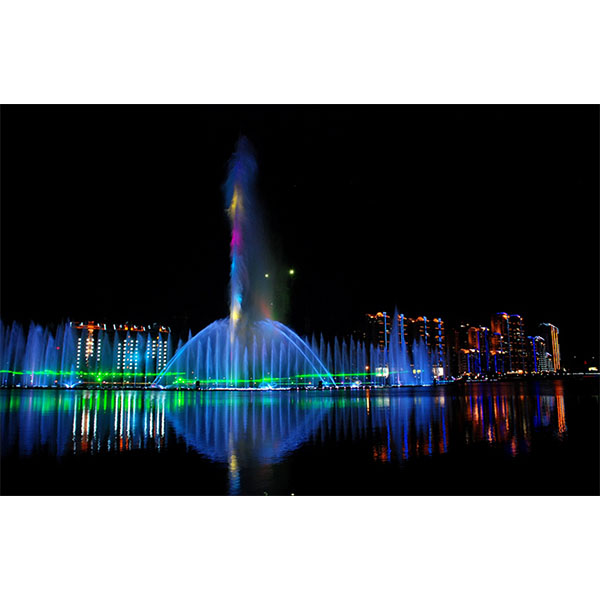
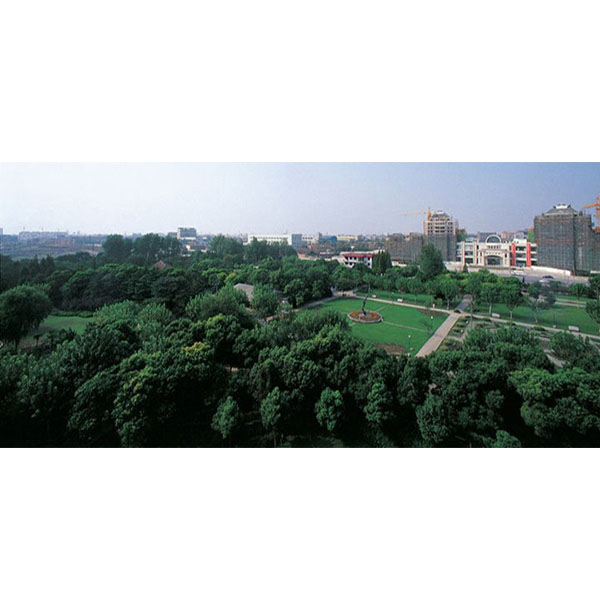
Public spaces require systems that are not only visually striking but also safe and low-maintenance. Feiya’s specialization in ecological garden construction aligns perfectly here. By integrating plant materials with hardscape water features, they create “ecological gardens” that improve urban environmental quality. The drainage systems in these projects often incorporate natural filtration methods, reducing the need for harsh chemicals.
Industrial Cooling and Process Water
Manufacturing plants rely on continuous water supply for cooling machinery. Here, the focus shifts to reliability and volume. A failure in the drainage system can cause flooding and production halts. Industrial-grade systems utilize redundant pumps and automated leak detection sensors to mitigate risks.
Commercial Real Estate and Hotels
Aesthetic water features in lobbies or courtyards enhance property value. However, they must operate quietly and efficiently. The integration of silent pumps and sophisticated control valves ensures that the water supply system enhances the ambiance without creating noise pollution.
Common Challenges and Engineering Solutions
Even with high-quality components, systems face operational challenges. Understanding these helps in planning maintenance and selecting the right design parameters.
Issue 1: Pressure Fluctuations
Cause: Inconsistent pump performance or blockages in the supply line.
Solution: Installation of variable frequency drives (VFDs) on pumps allows for real-time pressure adjustment. Feiya’s engineering team specializes in calibrating these systems to ensure smooth water jets and consistent irrigation coverage.
Issue 2: Clogging and Debris Accumulation
Cause: Leaves, sediment, and biological growth in drainage lines.
Solution: Multi-stage filtration systems and self-cleaning filters. Regular maintenance schedules, supported by accessible inspection points in the drainage network, are essential.
Issue 3: Corrosion and Leaks
Cause: Use of inferior materials or improper joint sealing.
Solution: Utilizing SS316L stainless steel for exposed components and ensuring all underground joints are fused or sealed with industrial-grade gaskets. Feiya’s equipment processing workshop ensures that all custom-fabricated parts meet strict tolerance levels.
The Role of Ecological Balance in Modern Drainage Design
As environmental regulations tighten, the concept of “Sponge Cities” and sustainable drainage systems (SuDS) has gained prominence. Modern water supply and drainage systems are no longer just about moving water; they are about managing it sustainably.
Shenyang Feiya emphasizes ecological balance in its landscape planning. Their approach combines garden construction with environmental science. By using plant materials as primary factors in landscape building, they enhance the natural filtration capacity of the soil. This reduces the load on mechanical drainage systems and provides greater ecological benefits.
This holistic view means that a drainage system is designed to work in harmony with the surrounding greenery. Rainwater harvesting systems can supply water for irrigation, closing the loop between supply and drainage. This not only conserves resources but also lowers operational costs for property owners.
Step-by-Step Guide to System Implementation
For project managers and engineers, understanding the implementation lifecycle helps in coordinating with manufacturers effectively.
- Site Analysis and Hydraulic Calculation: Determine water source availability, elevation changes, and required flow rates. Feiya’s design department uses advanced modeling software to simulate water behavior.
- System Design and Component Selection: Choose pipe diameters, pump capacities, and filter types based on the calculations. Ensure materials match the environmental conditions (e.g., coastal vs. inland).
- Fabrication and Pre-assembly: Custom components like nozzle arrays or complex valve manifolds are fabricated in controlled workshop environments. Feiya’s dedicated processing workshop ensures precision.
- Installation and Integration: Lay piping networks, install pumps, and connect electrical controls. Proper slope grading for drainage is critical at this stage.
- Testing and Commissioning: Pressure test supply lines and flow test drainage paths. Adjust VFD settings and timer controls. Feiya’s operation department oversees this phase to ensure handover readiness.
- Maintenance Training: Provide facility managers with protocols for filter cleaning, pump inspection, and winterization.
Frequently Asked Questions (FAQ)
What is the typical lifespan of a water supply and drainage system?
With proper maintenance and high-quality materials like stainless steel and HDPE, a well-designed system can last 15 to 20 years. Pumps and electronic controls may require replacement or refurbishment every 7-10 years.
How do I prevent freezing in outdoor water systems?
Install automatic drain-down valves that empty the pipes when the system is off. Use insulated piping for exposed sections and consider heating cables for critical components in extreme climates. Feiya’s engineering team designs systems with local climate conditions in mind.
Can existing drainage systems be upgraded for water recycling?
Yes. Retrofitting involves adding filtration units, storage tanks, and secondary supply pumps. An audit of the existing infrastructure is necessary to determine feasibility. Feiya’s development department specializes in such technological transformations.
What is the difference between a standard drainage system and a waterscape drainage system?
Standard drainage focuses on rapid removal of wastewater. Waterscape drainage prioritizes water retention, filtration, and recirculation. It requires finer mesh filters to protect aesthetic nozzles and pumps from debris.
Why is professional design important for fountain water systems?
Fountains involve dynamic water movements that create complex hydraulic loads. Poor design can lead to splash-out, pump damage, and uneven visual effects. Professional designers use computational fluid dynamics to predict and optimize these behaviors.
Maintenance Best Practices for Long-Term Reliability
To maximize the return on investment, regular maintenance is non-negotiable. Here are key practices recommended by industry experts:
- Weekly Inspections: Check for visible leaks, unusual noises from pumps, and debris accumulation in skimmers.
- Monthly Filter Cleaning: Backwash sand filters and clean mesh strainers to maintain flow rate.
- Quarterly Water Testing: Monitor pH, chlorine, and alkalinity levels to prevent corrosion and algae growth.
- Annual Pump Servicing: Inspect impellers, seals, and motor windings. Replace worn parts before they fail.
- Winterization: In cold regions, completely drain the system and blow out lines with compressed air to prevent freezing cracks.
Shenyang Feiya supports its clients beyond installation. With a dedicated operation department and extensive experience in maintaining over 100 projects, they provide ongoing technical support. This commitment to after-sales service ensures that the water supply and drainage systems continue to perform efficiently year after year.
Conclusion: Partnering for Sustainable Water Solutions
A high-performance Water Supply and Drainage System is the backbone of any successful waterscape, industrial facility, or urban green space. It requires a blend of robust hardware, intelligent design, and expert execution. Choosing a manufacturer with proven experience, such as Shenyang Feiya Water Art Garden Engineering Co., Ltd., ensures that your project benefits from decades of specialized knowledge.
With their Grade A qualifications, team of senior engineers, and commitment to ecological balance, Feiya offers more than just equipment; they deliver comprehensive engineering solutions. From the initial design phase to long-term maintenance, their integrated approach minimizes risks and maximizes efficiency.
Whether you are planning a new monumental fountain, upgrading an industrial cooling loop, or developing an ecological garden, partnering with a trusted expert is crucial. Evaluate your project’s specific hydraulic needs, prioritize material quality, and insist on professional design validation.
For detailed technical specifications, custom design consultations, or to discuss your upcoming project requirements, explore our comprehensive range of solutions.