- English
- Chinese
- French
- German
- Portuguese
- Spanish
- Russian
- Japanese
- Korean
- Arabic
- Irish
- Greek
- Turkish
- Italian
- Danish
- Romanian
- Indonesian
- Czech
- Afrikaans
- Swedish
- Polish
- Basque
- Catalan
- Esperanto
- Hindi
- Lao
- Albanian
- Amharic
- Armenian
- Azerbaijani
- Belarusian
- Bengali
- Bosnian
- Bulgarian
- Cebuano
- Chichewa
- Corsican
- Croatian
- Dutch
- Estonian
- Filipino
- Finnish
- Frisian
- Galician
- Georgian
- Gujarati
- Hausa
- Hawaiian
- Hebrew
- Hmong
- Hungarian
- Icelandic
- Igbo
- Javanese
- Kannada
- Kazakh
- Khmer
- Kurdish
- Kyrgyz
- Latin
- Latvian
- Lithuanian
- Luxembou..
- Macedonian
- Malagasy
- Malay
- Malayalam
- Maltese
- Maori
- Marathi
- Mongolian
- Burmese
- Nepali
- Norwegian
- Pashto
- Persian
- Punjabi
- Serbian
- Sesotho
- Sinhala
- Slovak
- Slovenian
- Somali
- Samoan
- Scots Gaelic
- Shona
- Sindhi
- Sundanese
- Swahili
- Tajik
- Tamil
- Telugu
- Thai
- Ukrainian
- Urdu
- Uzbek
- Vietnamese
- Welsh
- Xhosa
- Yiddish
- Yoruba
- Zulu
- Kinyarwanda
- Tatar
- Oriya
- Turkmen
- Uyghur


Regular Inspection & Maintenance of Lifting Fountains: 2026 Guide
2026-11-03
- Why Regular Inspection of Lifting Fountains is Non-Negotiable in 2026
- Core Components Requiring Routine Maintenance
- Step-by-Step Maintenance Protocol for 2026
- Common Maintenance Errors and How to Avoid Them
- The Role of Professional Expertise in Fountain Maintenance
- Environmental Considerations and Sustainable Maintenance
- FAQ: People Also Ask About Lifting Fountain Maintenance
- Conclusion: Ensuring Longevity Through Diligence
Regular inspection and maintenance of lifting fountains are critical for ensuring operational safety, aesthetic consistency, and equipment longevity. In 2026, facility managers must adopt a proactive maintenance strategy that covers hydraulic systems, electrical components, and structural integrity. This guide details the essential protocols for maintaining rising water features, helping operators prevent costly downtime and comply with international safety standards.
Why Regular Inspection of Lifting Fountains is Non-Negotiable in 2026
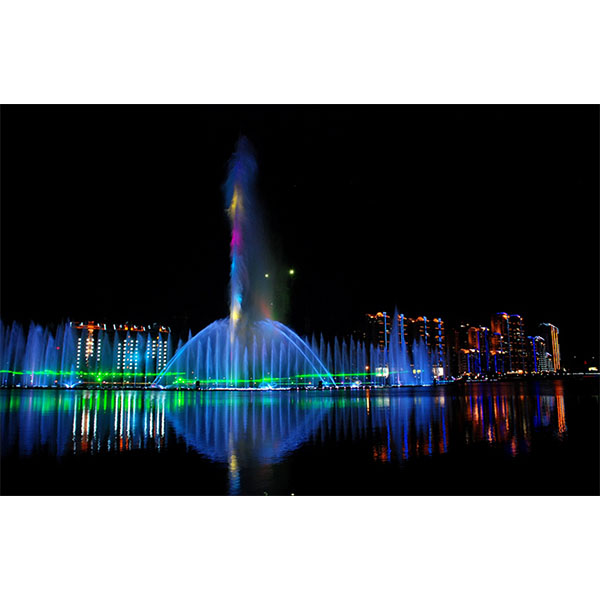
Lifting fountains, also known as rising or telescopic fountains, represent some of the most complex mechanical structures in modern waterscape engineering. Unlike static nozzles, these systems involve dynamic movement, high-pressure hydraulics, and submerged electrical integration. The complexity introduces multiple points of failure that require vigilant monitoring.
In the current industrial landscape, the cost of reactive repairs far exceeds the investment in preventive maintenance. A single seal failure in a hydraulic cylinder can lead to water contamination of the motor housing, resulting in total system replacement. Furthermore, public safety regulations have tightened globally. Operators are now held to stricter liability standards regarding electrical safety and structural stability in public spaces.
Shenyang Feiya Water Art Garden Engineering Co., Ltd. has observed through its extensive project portfolio since 2006 that fountains subjected to rigorous quarterly inspections operate 40% longer than those on an ad-hoc repair schedule. With over 100 large and medium-sized fountains constructed domestically and internationally, the correlation between disciplined maintenance and asset lifespan is undeniable.
The High Stakes of Neglect
Neglecting regular inspection and maintenance of lifting fountains leads to three primary risks:
- Safety Hazards: Compromised electrical insulation or loose structural bolts can pose severe risks to pedestrians and maintenance staff.
- Aesthetic Degradation: Clogged nozzles or misaligned lifting columns result in uneven water patterns, diminishing the visual impact of the installation.
- Catastrophic Mechanical Failure: Minor leaks in hydraulic lines can escalate into pump burnouts or column seizures, requiring expensive emergency interventions.
Core Components Requiring Routine Maintenance
To execute an effective maintenance plan, one must first understand the anatomy of a lifting fountain. The system is not merely a water feature; it is a precision electromechanical assembly. The following components are the focal points of any inspection regimen.
Hydraulic Lifting Mechanism
The heart of the lifting fountain is its hydraulic system. This includes the hydraulic cylinders, power packs, hoses, and control valves. In 2026, most high-end installations use stainless steel cylinders with specialized sealing technologies. However, seals degrade over time due to constant pressure cycles and exposure to water chemicals.
Inspectors must check for external leaks around the piston rods. Even a minor weep indicates seal wear. Additionally, hydraulic fluid quality must be tested annually for viscosity changes and contamination. Shenyang Feiya’s engineering department, staffed by 15 senior engineers and water jet experts, emphasizes that using the correct grade of hydraulic oil is vital for smooth operation in varying climate conditions.
Submersible Pumps and Nozzles
Submersible pumps drive the water flow. They are susceptible to debris ingestion and bearing wear. Regular inspection involves checking amperage draw to detect motor strain. An increase in amperage often signals a blocked impeller or failing bearings.
Nozzles determine the shape of the water jet. Mineral deposits, algae, and debris can clog nozzle orifices, distorting the water pattern. For lifting fountains, nozzles are mounted on the moving column, making them harder to access. Therefore, cleaning schedules must align with the lowering cycle of the fountain.
Electrical Control Systems and Sensors
Modern lifting fountains rely on sophisticated control systems, including PLCs (Programmable Logic Controllers), VFDs (Variable Frequency Drives), and position sensors. These components manage the speed of the lift, the height of the column, and the synchronization of water jets.
Water ingress is the enemy of electrical components. Inspectors must verify the integrity of cable glands and junction boxes. IP68-rated connections should be inspected for cracks or corrosion. Position sensors, which tell the system when the fountain has reached its maximum or minimum height, must be calibrated regularly to prevent mechanical over-travel.
Structural Integrity and Guide Columns
The guide columns ensure the lifting mechanism moves vertically without swaying. Over time, vibration can loosen mounting brackets. Inspectors must torque-check all structural bolts. Additionally, the surface of the guide columns should be inspected for corrosion or physical damage that could impede the smooth travel of the lifting carriage.
Step-by-Step Maintenance Protocol for 2026
A structured approach ensures no critical element is overlooked. The following protocol is derived from industry best practices and the operational standards maintained by leading enterprises like Shenyang Feiya Water Art Garden Engineering Co., Ltd.
Phase 1: Visual Inspection (Monthly)
This phase can be conducted while the fountain is operational or immediately after shutdown.
- Check Water Patterns: Observe the symmetry and height of the water jets. Irregularities suggest clogged nozzles or pump issues.
- Listen for Anomalies: Unusual noises from the hydraulic power pack or pumps indicate cavitation or bearing wear.
- Inspect Water Quality: Cloudy or algae-rich water accelerates component degradation. Ensure filtration and chemical treatment systems are functioning.
- Verify Safety Barriers: Ensure that perimeter fencing or warning signs are intact and visible.
Phase 2: Mechanical and Hydraulic Service (Quarterly)
This phase requires the fountain to be lowered and locked out for safety.
- Lubrication: Apply recommended lubricants to guide rails and moving joints. Use only marine-grade or waterproof lubricants to prevent washout.
- Hydraulic Hose Inspection: Check for abrasion, cracking, or bulging in hydraulic hoses. Replace any hose showing signs of wear immediately.
- Seal Check: Wipe down hydraulic cylinder rods and inspect for oil residue. Clean rods to prevent seal damage from accumulated grit.
- Bolt Torquing: Verify the tightness of all structural bolts, especially those securing the lifting column to the base.
Phase 3: Electrical and Control System Audit (Bi-Annually)
Conducted by qualified electricians or certified technicians.
- Insulation Resistance Test: Perform megger tests on submersible motors and cables to ensure insulation integrity.
- Control Panel Cleaning: Remove dust and debris from PLCs and VFDs. Check for signs of overheating or burnt components.
- Sensor Calibration: Test limit switches and position sensors. Recalibrate if the fountain does not stop precisely at the designated heights.
- Ground Fault Protection: Test GFCI (Ground Fault Circuit Interrupter) devices to ensure they trip correctly in case of a leak.
Phase 4: Comprehensive Overhaul (Annually)
This is a deep-dive maintenance event, typically scheduled during off-season or low-usage periods.
- Fluid Replacement: Drain and replace hydraulic fluid and filter elements.
- Pump Removal and Inspection: Remove submersible pumps for bench testing. Check impellers for erosion and bearings for play.
- Nozzle Deep Clean: Remove all nozzles for ultrasonic cleaning to remove hard mineral deposits.
- Structural Coating Repair: Touch up any paint or coating damage on exposed metal parts to prevent rust.
Common Maintenance Errors and How to Avoid Them
Even with good intentions, maintenance teams often make mistakes that compromise the system. Understanding these pitfalls is crucial for effective regular inspection and maintenance of lifting fountains.
| Common Error | Consequence | Corrective Action |
|---|---|---|
| Using incorrect hydraulic oil | Seal swelling, sluggish operation, or pump damage in extreme temperatures. | Strictly adhere to the manufacturer’s specified ISO viscosity grade. Consult with experts like those at Shenyang Feiya for climate-specific recommendations. |
| Ignoring minor leaks | Water ingress into electrical compartments, leading to short circuits. | Investigate and repair any leak immediately. Do not wait for the next scheduled maintenance. |
| Over-lubricating guides | Excess grease attracts debris, creating an abrasive paste that damages seals. | Apply lubricant sparingly and wipe away excess. Use dry-film lubricants where appropriate. |
| Neglecting water chemistry | Corrosion of stainless steel components and clogging of nozzles. | Maintain proper pH and sanitizer levels. Install automatic dosing systems if manual testing is inconsistent. |
| Bypassing safety interlocks | Increased risk of injury to maintenance personnel. | Never bypass safety switches. Use proper lockout/tagout procedures during maintenance. |
The Role of Professional Expertise in Fountain Maintenance
While basic visual inspections can be performed by facility staff, complex mechanical and electrical tasks require specialized expertise. The distinction between general maintenance and expert engineering support is significant.
Shenyang Feiya Water Art Garden Engineering Co., Ltd. exemplifies the value of specialized knowledge. With a team comprising 80 technicians, including 20 engineers and 10 green engineers, the company brings a depth of technical insight that general contractors lack. Their Grade A qualification from the China Waterscape Fountain Committee underscores their authority in the field.
Professional firms offer more than just repair services. They provide diagnostic capabilities using advanced tools such as thermal imaging for electrical hotspots and vibration analysis for rotating machinery. This predictive approach allows for the identification of issues before they cause failure.
When to Call in Experts
Facility managers should engage professional engineering services under the following circumstances:
- Major Component Failure: If a hydraulic cylinder seizes or a pump motor burns out.
- System Upgrades: When integrating new control technologies or LED lighting systems.
- Annual Certification: For official safety compliance reports required by local authorities.
- Complex Diagnostics: When intermittent faults occur that cannot be replicated during standard checks.
The experience accumulated by Shenyang Feiya since 2006, building over 100 projects, means they have encountered and solved a vast array of operational challenges. This institutional knowledge is invaluable when troubleshooting unique issues in custom-designed lifting fountains.
Environmental Considerations and Sustainable Maintenance
In 2026, sustainability is a key concern in facility management. Maintenance practices for lifting fountains must align with ecological goals. Shenyang Feiya’s commitment to “ecological garden construction” highlights the importance of balancing aesthetic beauty with environmental responsibility.
Water Conservation
Leaking fountains waste significant amounts of water. Regular inspection of seals and pipes directly contributes to water conservation. Additionally, optimizing pump efficiency through regular maintenance reduces energy consumption. VFDs should be tuned to ensure pumps operate at the most efficient point on their curve.
Eco-Friendly Chemicals
Traditional algaecides and clarifiers can harm local ecosystems if water discharge occurs. Modern maintenance protocols favor enzyme-based treatments and UV sterilization systems. These methods control biological growth without introducing harmful chemicals into the environment.
Material Longevity
Extending the life of fountain components reduces waste. By preventing premature failure through regular inspection and maintenance of lifting fountains, operators reduce the frequency of part replacements. This aligns with the circular economy principles increasingly adopted in the construction and landscaping industries.
FAQ: People Also Ask About Lifting Fountain Maintenance
How often should lifting fountains be inspected?
Visual inspections should occur monthly. Mechanical and hydraulic checks are recommended quarterly. A comprehensive annual overhaul is essential for long-term reliability. High-usage public fountains may require more frequent servicing.
What is the average lifespan of a lifting fountain?
With proper regular inspection and maintenance, a high-quality lifting fountain can operate effectively for 15 to 20 years. Neglect can reduce this lifespan to less than 5 years due to corrosion and mechanical fatigue.
Can I perform maintenance on a lifting fountain myself?
Basic tasks like cleaning nozzles and checking water levels can be done by facility staff. However, hydraulic system repairs, electrical diagnostics, and structural adjustments should only be performed by certified technicians to ensure safety and warranty compliance.
Why is my lifting fountain making a grinding noise?
Grinding noises often indicate lack of lubrication on guide rails, worn bearings in the pump, or debris caught in the moving mechanism. Immediate inspection is required to prevent severe damage.
How does weather affect fountain maintenance?
Freezing temperatures can crack pipes and cylinders if the system is not properly winterized. High heat can degrade hydraulic fluids faster. Maintenance schedules should be adjusted seasonally to account for local climate conditions.
Conclusion: Ensuring Longevity Through Diligence
The regular inspection and maintenance of lifting fountains is not merely a technical requirement; it is a strategic investment in the asset’s value and safety. As we navigate 2026, the expectations for public infrastructure performance are higher than ever. A well-maintained fountain enhances urban landscapes, provides ecological benefits, and serves as a testament to engineering excellence.
By adhering to the protocols outlined in this guide—ranging from monthly visual checks to annual professional overhauls—facility managers can ensure their water features remain operational, safe, and visually stunning. The integration of expert knowledge, such as that provided by Shenyang Feiya Water Art Garden Engineering Co., Ltd., further elevates the standard of care, ensuring that every project benefits from decades of specialized experience.
For organizations seeking to establish a robust maintenance framework or requiring professional support for their waterscape projects, partnering with an experienced provider is the optimal path forward. With a track record of exceeding production values and maintaining Grade A qualifications, trusted partners can deliver the reliability and expertise needed for complex lifting fountain systems.
To explore tailored maintenance solutions or discuss new waterscape projects, contact our technical team today for a comprehensive consultation.