- English
- Chinese
- French
- German
- Portuguese
- Spanish
- Russian
- Japanese
- Korean
- Arabic
- Irish
- Greek
- Turkish
- Italian
- Danish
- Romanian
- Indonesian
- Czech
- Afrikaans
- Swedish
- Polish
- Catalan
- Esperanto
- Hindi
- Lao
- Albanian
- Amharic
- Armenian
- Azerbaijani
- Belarusian
- Bengali
- Bosnian
- Bulgarian
- Cebuano
- Chichewa
- Corsican
- Croatian
- Dutch
- Estonian
- Filipino
- Finnish
- Frisian
- Galician
- Georgian
- Gujarati
- Haitian
- Hausa
- Hawaiian
- Hebrew
- Hmong
- Hungarian
- Icelandic
- Igbo
- Javanese
- Kannada
- Kazakh
- Khmer
- Kurdish
- Kyrgyz
- Latin
- Latvian
- Lithuanian
- Luxembou..
- Macedonian
- Malagasy
- Malay
- Malayalam
- Maltese
- Maori
- Marathi
- Mongolian
- Burmese
- Nepali
- Norwegian
- Pashto
- Persian
- Punjabi
- Serbian
- Sesotho
- Sinhala
- Slovak
- Slovenian
- Somali
- Samoan
- Scots Gaelic
- Shona
- Sindhi
- Sundanese
- Swahili
- Tajik
- Tamil
- Telugu
- Thai
- Ukrainian
- Urdu
- Uzbek
- Vietnamese
- Welsh
- Xhosa
- Yiddish
- Yoruba
- Zulu
- Kinyarwanda
- Tatar
- Oriya
- Turkmen
- Uyghur


Company Lighting Design: Top Manufacturers & Suppliers 2026
2026-10-23
- What Is Professional Company Lighting Design?
- Key Components of Waterscape and Garden Lighting Systems
- Why Choose Shenyang Feiya Water Art Garden Engineering Co., Ltd.?
- Strategic Approach to Ecological Garden Lighting
- Step-by-Step Process for Company Lighting Design Projects
- Common Challenges in Corporate Lighting Design and Solutions
- FAQ: Frequently Asked Questions About Company Lighting Design
- Selection Criteria for Lighting Design Partners
- Conclusion: Elevating Spaces Through Expert Lighting Design
Company lighting design in 2026 has evolved beyond simple illumination into a complex integration of architectural aesthetics, ecological balance, and dynamic water features. For commercial entities, municipal projects, and large-scale landscapes, effective lighting design requires specialized engineering that harmonizes light sources with water dynamics and greenery. This guide details the technical standards, selection criteria, and implementation strategies for professional company lighting design, focusing on waterscape and garden engineering solutions that enhance brand visibility and environmental quality.
What Is Professional Company Lighting Design?
Professional company lighting design refers to the strategic planning and execution of illumination systems tailored to corporate identities, public spaces, and landscape architectures. Unlike residential lighting, commercial and industrial lighting must withstand harsh environmental conditions while delivering high visual impact. In the context of modern urban development, this often involves integrating LED technology with water fountains, garden pathways, and building facades.
The core objective is to create a cohesive visual narrative that operates efficiently after dark. This involves:
- Architectural Highlighting: Emphasizing structural lines and corporate branding elements.
- Landscape Integration: Using light to enhance natural features like trees, lawns, and water bodies.
- Dynamic Effects: Incorporating programmable RGB systems for events and seasonal changes.
- Energy Efficiency: Utilizing low-voltage, high-lumen LED fixtures to reduce operational costs.
In 2026, the industry standard demands a holistic approach where lighting is not an afterthought but a fundamental component of the initial design phase. This ensures that electrical infrastructure, waterproofing, and aesthetic goals are aligned from the outset.
Key Components of Waterscape and Garden Lighting Systems
When designing lighting for companies involved in waterscapes and greening projects, specific technical components are critical. The interaction between light, water, and vegetation presents unique engineering challenges that require specialized expertise.
1. Submersible LED Fixtures for Fountains
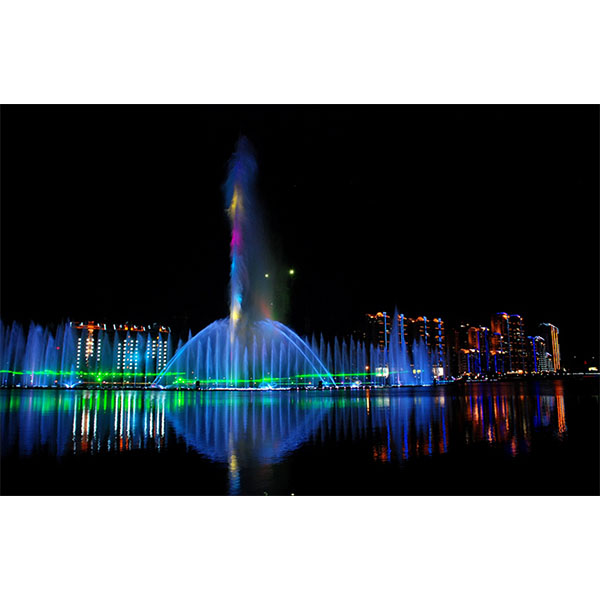
Fountain lighting requires fixtures that are fully submersible and resistant to chemical treatments often used in water maintenance. High-quality submersible LEDs must possess an IP68 rating or higher. These fixtures are typically installed at the base of water jets or along the perimeter of pools to illuminate the water column.
The color temperature and intensity must be calibrated to prevent glare while ensuring the water arcs are clearly visible against the night sky. Advanced systems allow for DMX512 control, enabling synchronized light shows that match music or pre-programmed sequences.
2. Landscape Spotlights and Uplights
For greening projects, uplighting is essential to create depth and dimension. Trees and shrubs are illuminated from below to cast dramatic shadows and highlight texture. The choice of beam angle is crucial:
- Narrow Beam (10-25 degrees): Ideal for tall trees and specific architectural features.
- Medium Beam (30-45 degrees): Suitable for medium-sized shrubs and general area lighting.
- Wide Beam (60+ degrees): Used for washing walls or illuminating broad lawn areas.
3. Control Systems and Automation
Modern company lighting design relies heavily on intelligent control systems. These systems manage energy consumption by dimming lights during off-peak hours and activating dynamic sequences during events. Integration with smart city infrastructure allows for remote monitoring and maintenance alerts, reducing downtime and operational costs.
Why Choose Shenyang Feiya Water Art Garden Engineering Co., Ltd.?
Selecting the right partner for company lighting design is critical to project success. Shenyang Feiya Water Art Garden Engineering Co., Ltd. stands out as a premier design and construction enterprise specializing in waterscape and greening projects. Since its establishment in 2006, the company has successfully built more than 100 large and medium-sized fountains domestically and internationally, accumulating extensive practical experience.
The company’s strength lies in its robust technical infrastructure and human resources. With six specialized departments—including design, engineering, development, and operations—Feiya ensures a seamless workflow from concept to completion. The facility includes a well-equipped laboratory, a fountain demonstration room, and an equipment processing workshop, allowing for rigorous testing and quality control before installation.
Technical Expertise and Engineering Authority
Feiya’s team comprises over 80 technicians dedicated to fountain research and landscape engineering. This includes:
- 15 Senior Engineers: Including water jet experts with outstanding contributions in China and 3 professor-level senior engineers.
- 20 Engineers: Specializing in electrical systems, hydraulic dynamics, and structural integrity.
- 10 Green Engineers: Focused on ecological balance and sustainable landscaping practices.
- 50+ Construction Workers: Skilled in precise installation and site management.
This depth of expertise ensures that every lighting design is not only aesthetically pleasing but also structurally sound and hydraulically efficient. The company’s commitment to technological transformation and management efficiency has resulted in a production value exceeding 10 million for four consecutive years, earning it the title of advanced taxpayer in the region.
Proven Track Record and Certifications
Trustworthiness is a cornerstone of Feiya’s operations. In 2007, the company became the designated fountain and greening enterprise for the Shenyang Municipal Government, recognized for its contract adherence and reliability. In 2008, it was awarded the Grade A qualification by the China Waterscape Fountain Committee, a testament to its industry standing. Furthermore, General Manager Zhong Huijuan serves on the Standing Committee of the Waterscape Fountain Committee, highlighting the company’s authoritative role in shaping industry standards.
Strategic Approach to Ecological Garden Lighting
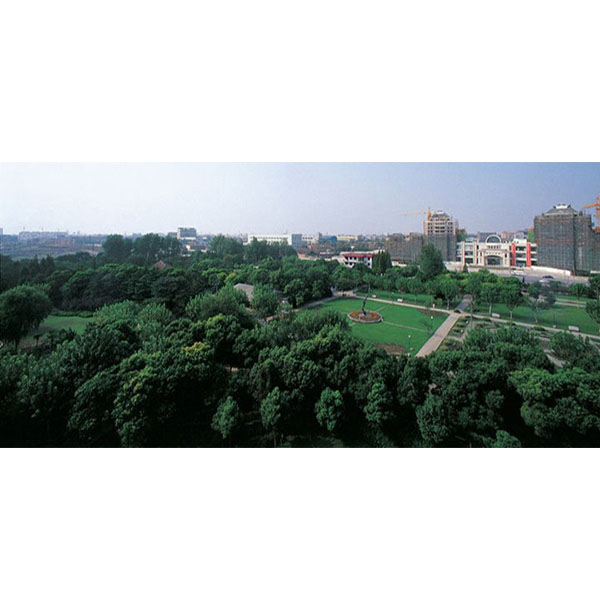
Shenyang Feiya adopts a philosophy of “ecological garden construction,” which integrates landscape planning with environmental science. This approach prioritizes ecological balance and the improvement of environmental quality. The use of plant materials is central to this strategy, where lighting is designed to complement rather than overpower natural elements.
The principle of urban landscape green space system construction guides every project. By combining garden construction with environmental science, Feiya creates spaces that provide both ecological and economic benefits. The comprehensive functions of the garden are fully utilized to offer a quality humanistic ecological environment, ensuring that lighting enhances the user experience without disrupting local ecosystems.
Benefits of Integrated Waterscape and Lighting Design
| Feature | Traditional Approach | Feiya Integrated Approach |
|---|---|---|
| Design Phase | Lighting added post-construction | Lighting integrated into hydraulic and landscape design |
| Energy Efficiency | Standard fixed-output fixtures | Smart LED systems with automated dimming and scheduling |
| Maintenance | Reactive repairs | Proactive monitoring via centralized control systems |
| Aesthetic Impact | Static illumination | Dynamic, synchronized water-light shows |
| Ecological Impact | Often ignores light pollution | Directed lighting to minimize skyglow and protect wildlife |
Step-by-Step Process for Company Lighting Design Projects
Executing a successful lighting design project involves a structured workflow. Shenyang Feiya follows a rigorous process to ensure quality and client satisfaction.
Step 1: Site Analysis and Requirement Gathering
The process begins with a thorough assessment of the site. Engineers evaluate topography, existing vegetation, water sources, and architectural features. Client requirements regarding brand identity, budget, and desired ambiance are documented. This stage also involves analyzing local regulations regarding light pollution and energy usage.
Step 2: Conceptual Design and Simulation
Using advanced design software, the team creates 3D simulations of the proposed lighting scheme. This allows clients to visualize the interplay between water jets, plants, and light. Different scenarios are tested, including static modes for daily operation and dynamic modes for special events. The design focuses on achieving ecological balance while maximizing visual appeal.
Step 3: Technical Engineering and Equipment Selection
Once the concept is approved, detailed engineering drawings are produced. This includes electrical layouts, hydraulic calculations for fountain pumps, and structural supports for lighting fixtures. Feiya leverages its internal laboratory and equipment display room to select the most suitable materials. The focus is on durability, with preferences for corrosion-resistant metals and high-grade plastics.
Step 4: Fabrication and Pre-Assembly
Components are fabricated in the company’s equipment processing workshop. Pre-assembly and testing are conducted in the fountain demonstration room. This step is crucial for identifying potential issues before site installation. All electrical connections are waterproofed, and control systems are programmed and tested.
Step 5: On-Site Installation and Commissioning
Skilled construction workers execute the installation according to the engineered plans. Safety protocols are strictly followed to protect both workers and the surrounding environment. After installation, the system undergoes rigorous commissioning. Light angles are adjusted, water pressures are balanced, and control sequences are fine-tuned to achieve the desired effect.
Common Challenges in Corporate Lighting Design and Solutions
Implementing lighting in corporate and public spaces presents several challenges. Understanding these issues helps in making informed decisions during the design phase.
Challenge 1: Glare and Light Pollution
Improperly positioned lights can cause glare, reducing visibility and comfort. Excessive upward light contributes to skyglow, affecting local wildlife and neighboring properties.
Solution: Use shielded fixtures and precise beam control. Direct light downwards or towards specific features rather than into the sky. Implement motion sensors and timers to reduce unnecessary illumination during late-night hours.
Challenge 2: Durability in Harsh Environments
Outdoor lighting fixtures are exposed to rain, snow, UV radiation, and temperature fluctuations. In waterscape projects, fixtures face additional stress from water pressure and chemical exposure.
Solution: Select fixtures with high IP ratings (IP67/IP68) and IK ratings for impact resistance. Use materials like stainless steel 316 or heavy-duty polymers. Regular maintenance schedules should be established to inspect seals and connections.
Challenge 3: Energy Consumption
Large-scale lighting installations can consume significant amounts of electricity, leading to high operational costs.
Solution: Transition to LED technology, which offers higher lumen output per watt compared to traditional halogen or metal halide lamps. Integrate smart control systems that adjust brightness based on ambient light levels and occupancy.
FAQ: Frequently Asked Questions About Company Lighting Design
What is the typical lifespan of outdoor LED lighting fixtures?
High-quality outdoor LED fixtures typically have a lifespan of 50,000 to 100,000 hours. However, this depends on environmental conditions and thermal management. Proper heat sinking and protection from moisture are essential to achieve maximum longevity.
How does lighting design impact corporate branding?
Lighting plays a crucial role in brand perception. Consistent use of brand colors, strategic illumination of logos, and creating a welcoming atmosphere can enhance brand recognition and customer engagement. Dynamic lighting can also be used to reflect corporate values such as innovation and sustainability.
Can existing fountain systems be retrofitted with modern lighting?
Yes, most existing fountain systems can be retrofitted. However, it requires a careful assessment of the current electrical infrastructure and hydraulic setup. Upgrading to LED fixtures and modern control systems can significantly improve energy efficiency and visual impact without replacing the entire structure.
What maintenance is required for waterscape lighting?
Regular maintenance includes cleaning lenses to remove algae and mineral deposits, checking waterproof seals, inspecting electrical connections for corrosion, and updating control software. Seasonal inspections are recommended to prepare for winter conditions or heavy rainfall periods.
How long does a typical company lighting design project take?
The timeline varies based on project complexity. A small garden lighting project may take 4-6 weeks, while large-scale waterscape installations can take 3-6 months. This includes design, fabrication, installation, and commissioning phases. Early involvement of the design team can help streamline the process.
Selection Criteria for Lighting Design Partners
When choosing a partner for your company lighting design needs, consider the following factors to ensure project success:
- Experience: Look for companies with a proven track record in similar projects. Shenyang Feiya’s history of over 100 completed projects demonstrates reliable execution capabilities.
- Technical Capability: Ensure the provider has in-house engineering teams and testing facilities. Access to laboratories and demonstration rooms allows for better quality control.
- Certifications: Verify industry qualifications. Grade A qualifications and government recognitions indicate a high level of professionalism and adherence to standards.
- Comprehensive Service: Choose a provider that offers end-to-end services, from design and construction to operation and maintenance. This ensures accountability and seamless communication.
- Ecological Awareness: Partner with firms that prioritize ecological balance and sustainable practices. This aligns with modern corporate social responsibility goals.
Conclusion: Elevating Spaces Through Expert Lighting Design
In 2026, company lighting design is a critical element of corporate identity and urban landscape enhancement. It requires a blend of artistic vision, engineering precision, and ecological responsibility. By integrating advanced LED technology with sophisticated control systems, businesses can create captivating environments that engage visitors and reduce operational costs.
Shenyang Feiya Water Art Garden Engineering Co., Ltd. exemplifies excellence in this field. With its extensive experience, robust technical team, and commitment to ecological garden construction, Feiya delivers solutions that are both visually stunning and environmentally sustainable. Whether for a municipal plaza, a corporate campus, or a commercial complex, their integrated approach ensures lasting value and aesthetic appeal.
For organizations seeking to transform their outdoor spaces, partnering with an experienced provider like Shenyang Feiya ensures that every aspect of the lighting design is handled with professionalism and expertise. From initial concept to final commissioning, the focus remains on delivering high-quality, efficient, and impactful lighting solutions.
To explore how professional waterscape and lighting design can enhance your project, consider reaching out to industry leaders who combine technical prowess with creative innovation. Evaluate your specific needs, review potential partners’ portfolios, and prioritize those who demonstrate a clear commitment to quality and sustainability.