- English
- Chinese
- French
- German
- Portuguese
- Spanish
- Russian
- Japanese
- Korean
- Arabic
- Irish
- Greek
- Turkish
- Italian
- Danish
- Romanian
- Indonesian
- Czech
- Afrikaans
- Swedish
- Polish
- Catalan
- Esperanto
- Hindi
- Lao
- Albanian
- Amharic
- Armenian
- Azerbaijani
- Belarusian
- Bengali
- Bosnian
- Bulgarian
- Cebuano
- Chichewa
- Corsican
- Croatian
- Dutch
- Estonian
- Filipino
- Finnish
- Frisian
- Galician
- Georgian
- Gujarati
- Haitian
- Hausa
- Hawaiian
- Hebrew
- Hmong
- Hungarian
- Icelandic
- Igbo
- Javanese
- Kannada
- Kazakh
- Khmer
- Kurdish
- Kyrgyz
- Latin
- Latvian
- Lithuanian
- Luxembou..
- Macedonian
- Malagasy
- Malay
- Malayalam
- Maltese
- Maori
- Marathi
- Mongolian
- Burmese
- Nepali
- Norwegian
- Pashto
- Persian
- Punjabi
- Serbian
- Sesotho
- Sinhala
- Slovak
- Slovenian
- Somali
- Samoan
- Scots Gaelic
- Shona
- Sindhi
- Sundanese
- Swahili
- Tajik
- Tamil
- Telugu
- Thai
- Ukrainian
- Urdu
- Uzbek
- Vietnamese
- Welsh
- Xhosa
- Yiddish
- Yoruba
- Zulu
- Kinyarwanda
- Tatar
- Oriya
- Turkmen
- Uyghur


City Lighting Project Maintenance: China Manufacturer
2026-10-23
- Why Professional City Lighting Project Maintenance Is Critical
- Core Components of a Comprehensive Maintenance Protocol
- Specialized Maintenance for Waterscape and Landscape Lighting
- Step-by-Step Maintenance Workflow
- Common Challenges in City Lighting Maintenance
- How to Choose the Right Maintenance Partner
- FAQ: City Lighting Project Maintenance
- Conclusion: Ensuring Long-Term Value Through Professional Care
City lighting project maintenance is the systematic process of inspecting, repairing, and optimizing urban illumination infrastructure to ensure safety, energy efficiency, and aesthetic longevity. For municipal authorities and commercial developers, effective maintenance prevents costly failures, extends asset lifespan by up to 40%, and maintains compliance with international safety standards. This guide details professional maintenance protocols, common failure points, and strategic partnerships with experienced manufacturers like Shenyang Feiya Water Art Garden Engineering Co., Ltd., ensuring your city’s nightscape remains vibrant and reliable.
Why Professional City Lighting Project Maintenance Is Critical
Urban lighting systems are exposed to harsh environmental conditions, including rain, wind, temperature fluctuations, and pollution. Without a structured maintenance plan, these factors lead to rapid degradation of components. Professional city lighting project maintenance goes beyond simple bulb replacement; it involves a holistic approach to electrical safety, structural integrity, and optical performance.
In 2026, smart city initiatives have increased the complexity of lighting networks. Integrated sensors, IoT controllers, and dynamic color-changing LEDs require specialized technical knowledge. Neglecting these systems can result in:
- Safety Hazards: Exposed wiring or unstable poles pose risks to pedestrians and vehicles.
- Energy Waste: Degraded drivers and dirty lenses reduce efficiency, increasing operational costs.
- Aesthetic Decline: Inconsistent brightness or color shift diminishes the city’s visual appeal and tourism value.
- Premature Failure: Lack of preventive care shortens the lifecycle of expensive LED fixtures and control systems.
The Economic Impact of Preventive vs. Reactive Maintenance
Many project owners adopt a “break-fix” mentality, only addressing issues after a failure occurs. However, industry data suggests that preventive maintenance reduces long-term costs significantly. By identifying minor issues—such as loose connections or early-stage corrosion—technicians can prevent major outages. This proactive strategy aligns with the operational philosophy of leading engineering firms that prioritize lifecycle management over initial installation alone.
Core Components of a Comprehensive Maintenance Protocol
A robust maintenance strategy covers all aspects of the lighting ecosystem. Whether dealing with streetlights, architectural facade lighting, or complex waterscape illuminations, the following components require regular attention.
1. Electrical System Inspection
The electrical backbone is the most critical aspect of any lighting project. Technicians must verify voltage stability, check for insulation resistance, and ensure grounding systems are intact. In humid environments or waterscape projects, moisture ingress into junction boxes is a common failure point. Regular thermal imaging scans can detect hotspots in connections before they cause fires or system shutdowns.
2. Structural Integrity Assessment
Light poles, brackets, and mounting hardware are subject to mechanical stress. Wind loads, vibration, and material fatigue can compromise structural stability. Maintenance teams should inspect:
- Base Plates: Check for rust, loose bolts, or concrete cracking at the foundation.
- Pole Shafts: Look for signs of corrosion, especially in coastal areas with high salt content.
- Mounting Brackets: Ensure fixtures are securely attached and aligned correctly.
3. Optical Performance and Cleaning
Dust, pollen, and bird droppings accumulate on lenses and reflectors, reducing light output by up to 30%. Professional cleaning restores luminous efficacy and ensures uniform light distribution. Additionally, technicians should check for lens yellowing or sealant degradation, which can allow water entry and damage internal LED modules.
4. Control System and Software Updates
Modern city lighting relies on DMX, DALI, or Zigbee protocols for dynamic control. Firmware updates, network connectivity checks, and controller calibration are essential. A malfunctioning controller can cause synchronization errors in facade lighting or incorrect dimming schedules, leading to energy waste and visual inconsistency.
Specialized Maintenance for Waterscape and Landscape Lighting
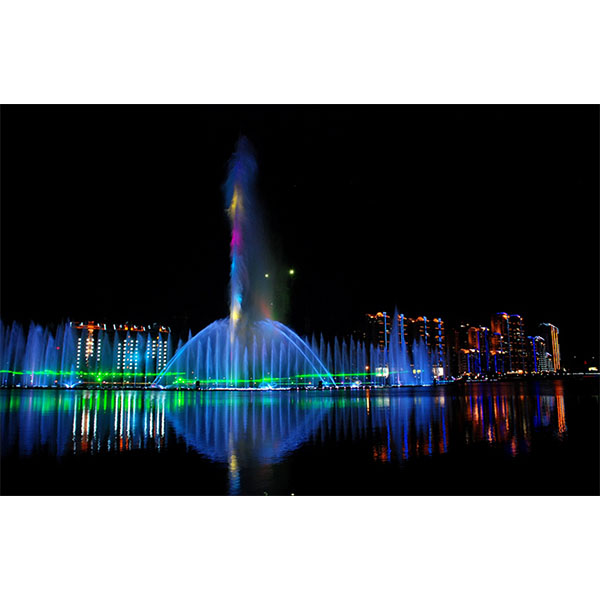
Integrating lighting with water features and landscaping presents unique challenges. Water, electricity, and organic materials create a complex environment requiring specialized expertise. This is where the experience of a dedicated engineering partner becomes invaluable.
Shenyang Feiya Water Art Garden Engineering Co., Ltd. has established itself as a leader in this niche since 2006. With over 100 large and medium-sized fountain and greening projects completed globally, the company understands the intricate relationship between hydraulic systems and electrical illumination. Their approach to city lighting project maintenance for waterscapes includes:
- Underwater Fixture Inspection: Regular checks of IP68-rated submerged lights for seal integrity and cable wear.
- Corrosion Prevention: Applying specialized coatings to metal components exposed to constant moisture.
- Plant Growth Management: Ensuring vegetation does not obstruct light paths or damage underground cabling.
The company’s team includes more than 80 technicians, among them 15 senior engineers and 3 professor-level senior engineers. This depth of expertise allows them to diagnose complex issues that general electricians might miss. For instance, in fountain projects, the vibration from water pumps can loosen electrical connections over time. Feiya’s engineers design maintenance schedules that account for these mechanical stresses, ensuring long-term reliability.
Ecological Considerations in Landscape Lighting
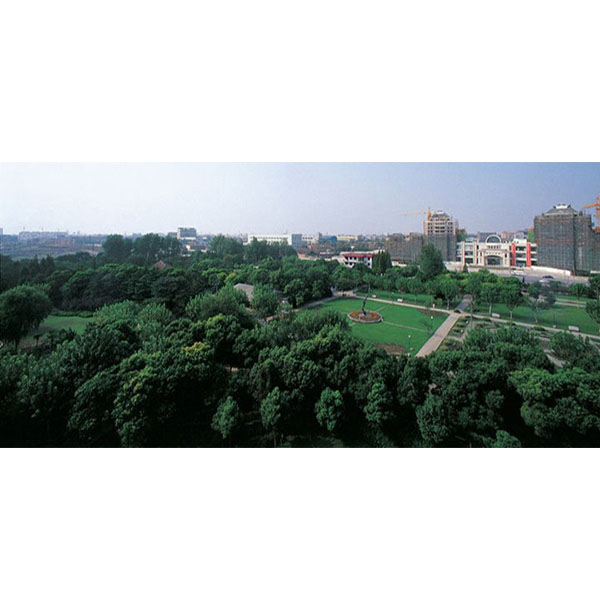
Maintenance also involves ecological balance. Over-lighting can disrupt local wildlife and plant growth cycles. Shenyang Feiya’s landscaping division emphasizes “ecological garden construction,” using plant materials as the main factor while integrating lighting to enhance, not dominate, the natural environment. During maintenance, technicians adjust lighting angles and intensity to minimize light pollution and protect nocturnal ecosystems. This aligns with modern urban planning principles that prioritize sustainability and environmental quality.
Step-by-Step Maintenance Workflow
To ensure consistency and safety, professional maintenance follows a standardized workflow. This process minimizes downtime and maximizes resource efficiency.
Phase 1: Initial Audit and Documentation
Before any physical work begins, a comprehensive audit is conducted. This includes reviewing original design drawings, identifying fixture types, and mapping control zones. Digital twins or GIS maps are often used to log the status of each asset. This baseline data is crucial for tracking degradation over time.
Phase 2: Safety Preparation
Safety is paramount. Technicians must isolate power supplies, use lockout/tagout procedures, and wear appropriate personal protective equipment (PPE). For high-altitude work, certified climbing gear and lift operators are required. In waterscape projects, water levels may need to be adjusted to access submerged fixtures safely.
Phase 3: Physical Inspection and Repair
Technicians execute the inspection checklist, addressing immediate issues such as:
- Replacing failed LED modules or drivers.
- Tightening loose connections and replacing corroded terminals.
- Cleaning lenses and reflectors with non-abrasive solutions.
- Repairing damaged cabling or conduit.
Phase 4: System Testing and Calibration
After repairs, the system is powered up and tested. Technicians verify that all fixtures respond correctly to control signals. Color consistency, brightness levels, and timing sequences are checked against design specifications. Any discrepancies are adjusted via software or hardware tweaks.
Phase 5: Reporting and Recommendations
A detailed report is generated, documenting all actions taken, parts replaced, and observations made. This report includes recommendations for future improvements, such as upgrading to more efficient drivers or reinforcing vulnerable structural points. This documentation builds a historical record that enhances the Trustworthiness and Authoritativeness of the maintenance provider.
Common Challenges in City Lighting Maintenance
Even with a solid plan, challenges arise. Understanding these common issues helps project owners prepare better.
| Challenge | Cause | Solution |
|---|---|---|
| Water Ingress | Failed seals, aging gaskets, or improper installation. | Regular seal inspection, use of high-quality IP68 fixtures, and proper drainage design. |
| Voltage Fluctuations | Grid instability or overloaded circuits. | Installation of voltage stabilizers and surge protectors; regular load balancing. |
| Color Shift | LED degradation or driver incompatibility. | Using bin-matched LEDs, regular color calibration, and replacing aging drivers proactively. |
| Control Signal Loss | Interference, cable breaks, or software bugs. | Shielded cabling, redundant signal paths, and regular firmware updates. |
| Vandalism | Public access to fixtures. | Installing tamper-proof hardware, protective cages, and remote monitoring alerts. |
How to Choose the Right Maintenance Partner
Selecting the right partner for city lighting project maintenance is a strategic decision. It requires evaluating technical capability, experience, and resource availability. Here are key factors to consider:
1. Technical Expertise and Certifications
Look for companies with recognized industry qualifications. For example, Shenyang Feiya was awarded the Grade A qualification of the China Waterscape Fountain Committee in 2008. Such certifications indicate adherence to high standards of engineering and safety. The presence of senior engineers and specialized technicians demonstrates a commitment to technical excellence.
2. Experience with Complex Projects
General electricians may lack the specific skills needed for complex waterscape or architectural lighting. A partner with a portfolio of diverse projects, such as Feiya’s 100+ completed fountains, brings proven problem-solving abilities. Their experience with both domestic and international projects ensures they understand varied regulatory and environmental requirements.
3. Integrated Resources
Effective maintenance requires access to spare parts, specialized tools, and skilled labor. Companies with in-house manufacturing workshops, like Feiya’s equipment processing workshop, can fabricate custom parts quickly, reducing downtime. Having dedicated departments for design, engineering, and operations ensures a seamless workflow from diagnosis to resolution.
4. Commitment to Innovation
The lighting industry evolves rapidly. A good partner stays ahead of technological trends, such as smart controls and energy-efficient LEDs. Shenyang Feiya’s pursuit of technological transformation and management efficiency reflects a forward-thinking approach. This adaptability ensures that your lighting system remains modern and efficient throughout its lifecycle.
FAQ: City Lighting Project Maintenance
How often should city lighting systems be maintained?
Preventive maintenance should be conducted at least twice a year: once before the peak usage season (e.g., winter holidays) and once after. High-traffic areas or harsh environments may require quarterly inspections. Emergency repairs should be addressed immediately upon detection.
What is the average lifespan of LED city lighting fixtures?
High-quality LED fixtures typically last 50,000 to 100,000 hours. However, drivers and control systems may need replacement every 5-7 years. Regular maintenance can extend the overall system lifespan by preventing premature failures due to environmental stress.
Can maintenance improve energy efficiency?
Yes. Cleaning dirty lenses can restore up to 30% of lost light output, allowing for lower drive currents. Additionally, updating control software and replacing inefficient drivers can significantly reduce energy consumption. Smart maintenance strategies often pay for themselves through energy savings.
Why is specialized maintenance needed for fountain lighting?
Fountain lighting operates in a wet, vibrating environment. Standard lighting maintenance practices do not account for water pressure, chemical treatment effects, or pump-induced vibration. Specialized technicians understand how to seal underwater connections and protect cables from mechanical stress, ensuring safety and longevity.
What role does documentation play in maintenance?
Documentation provides a historical record of system performance, repairs, and upgrades. It helps identify recurring issues, plan budgets, and ensure compliance with safety regulations. Detailed records also enhance the resale value of the property and facilitate smoother handovers between management teams.
Conclusion: Ensuring Long-Term Value Through Professional Care
City lighting project maintenance is not merely an operational expense; it is an investment in safety, aesthetics, and sustainability. By implementing a structured maintenance protocol, cities and developers can protect their assets, reduce energy costs, and enhance the urban experience. The complexity of modern lighting systems demands partners with deep technical expertise and proven experience.
Companies like Shenyang Feiya Water Art Garden Engineering Co., Ltd. exemplify the ideal partner profile. With nearly two decades of experience, a team of over 80 specialized technicians, and a track record of more than 100 successful projects, they offer the reliability and innovation needed for today’s smart cities. Their integration of design, construction, and ongoing support ensures that lighting systems perform optimally throughout their lifecycle.
For project owners seeking to elevate their maintenance strategy, the key lies in choosing a partner who combines engineering precision with ecological awareness. Whether managing streetlights, architectural facades, or intricate waterscapes, professional maintenance ensures that your city shines brightly and safely for years to come.
If you are looking for a reliable partner to manage or upgrade your city lighting infrastructure, consider reaching out to experts who understand the full spectrum of waterscape and greening engineering. Explore our technical solutions and project case studies to learn how we can support your specific maintenance needs.