- English
- Chinese
- French
- German
- Portuguese
- Spanish
- Russian
- Japanese
- Korean
- Arabic
- Irish
- Greek
- Turkish
- Italian
- Danish
- Romanian
- Indonesian
- Czech
- Afrikaans
- Swedish
- Polish
- Catalan
- Esperanto
- Hindi
- Lao
- Albanian
- Amharic
- Armenian
- Azerbaijani
- Belarusian
- Bengali
- Bosnian
- Bulgarian
- Cebuano
- Chichewa
- Corsican
- Croatian
- Dutch
- Estonian
- Filipino
- Finnish
- Frisian
- Galician
- Georgian
- Gujarati
- Haitian
- Hausa
- Hawaiian
- Hebrew
- Hmong
- Hungarian
- Icelandic
- Igbo
- Javanese
- Kannada
- Kazakh
- Khmer
- Kurdish
- Kyrgyz
- Latin
- Latvian
- Lithuanian
- Luxembou..
- Macedonian
- Malagasy
- Malay
- Malayalam
- Maltese
- Maori
- Marathi
- Mongolian
- Burmese
- Nepali
- Norwegian
- Pashto
- Persian
- Punjabi
- Serbian
- Sesotho
- Sinhala
- Slovak
- Slovenian
- Somali
- Samoan
- Scots Gaelic
- Shona
- Sindhi
- Sundanese
- Swahili
- Tajik
- Tamil
- Telugu
- Thai
- Ukrainian
- Urdu
- Uzbek
- Vietnamese
- Welsh
- Xhosa
- Yiddish
- Yoruba
- Zulu
- Kinyarwanda
- Tatar
- Oriya
- Turkmen
- Uyghur


City Lighting Project Debugging: China Manufacturer
2026-10-22
- What Is City Lighting Project Debugging?
- Core Steps in Professional Lighting Commissioning
- Common Challenges in Urban Lighting Debugging
- Specialized Debugging for Waterscape and Landscape Lighting
- Comparison: Basic vs. Professional Debugging Services
- Why Choose Shenyang Feiya for Your Lighting Project?
- FAQ: City Lighting Project Debugging
- Best Practices for Maintaining Debugged Systems
- Conclusion: Ensuring Excellence Through Expert Debugging
City lighting project debugging is the critical final phase of urban illumination installation, ensuring system stability, aesthetic consistency, and energy efficiency. It involves rigorous testing of control protocols (DMX512, DALI), voltage regulation, and synchronization across large-scale LED networks. Effective debugging prevents premature hardware failure and ensures the lighting design intent is accurately realized. For complex installations involving waterscapes or dynamic architectural features, professional commissioning by experienced engineers is essential to mitigate risks and guarantee long-term operational reliability.
What Is City Lighting Project Debugging?
City lighting project debugging is not merely turning on lights; it is a systematic engineering process that validates the performance of an entire illumination ecosystem. In modern urban infrastructure, lighting systems are complex networks integrating power distribution, data transmission, and optical components. Debugging ensures that every node in this network communicates correctly and performs according to the design specifications.
The primary objective is to identify and rectify discrepancies between the theoretical design and the physical installation. This includes addressing voltage drops over long cable runs, resolving signal interference in DMX lines, and calibrating color temperatures across different fixture batches. Without thorough debugging, cities face issues such as flickering lights, inconsistent brightness, and synchronized failures during peak events.
The Role of Debugging in Smart City Infrastructure
As cities evolve into smart ecosystems, lighting projects increasingly integrate with IoT platforms. Debugging now extends beyond basic illumination to include data connectivity and remote management capabilities. Engineers must verify that each luminaire responds correctly to central control commands, ensuring seamless integration with traffic systems, environmental sensors, and emergency protocols.
This phase is where theoretical engineering meets practical application. It requires a deep understanding of both electrical principles and software protocols. A well-executed debugging process transforms a collection of individual fixtures into a cohesive, intelligent urban asset.
Core Steps in Professional Lighting Commissioning
Successful city lighting project debugging follows a structured methodology. Skipping steps or rushing the process often leads to costly rework and operational instability. The following stages represent industry best practices for comprehensive commissioning.
1. Pre-Commissioning Inspection and Safety Checks
Before energizing the system, a thorough physical inspection is mandatory. This step verifies that all installations comply with safety standards and design drawings. Key checks include:
- Circuit Integrity: Using multimeters to check for short circuits, open circuits, and insulation resistance.
- Grounding Verification: Ensuring proper earth connections to prevent electrical hazards and signal noise.
- Fixture Alignment: Confirming that all lights are aimed correctly according to the photometric plan.
- Waterproofing: Inspecting IP-rated enclosures, especially for outdoor and waterscape applications, to ensure seals are intact.
This stage prevents catastrophic failures when power is first applied. It is the foundation of a safe and reliable lighting system.
2. Power Supply and Voltage Regulation Testing
Urban lighting projects often span kilometers, leading to significant voltage drop challenges. Debugging involves measuring voltage at various points in the circuit to ensure it remains within the acceptable tolerance range (typically ±5% for LED drivers).
If voltage drops exceed limits, engineers may need to adjust transformer tap settings, increase cable sizes, or redistribute loads. Stable power delivery is crucial for preventing premature driver failure and maintaining consistent light output.
3. Control Protocol Configuration and Addressing
Modern city lighting relies on digital protocols like DMX512, RDM, DALI, or Zigbee. Debugging these systems requires precise addressing and configuration.
- Address Assignment: Ensuring each fixture has a unique address to prevent command conflicts.
- Signal Termination: Installing correct termination resistors at the end of DMX lines to prevent signal reflection and data corruption.
- Universe Mapping: Verifying that the controller’s output universes match the fixture input channels.
Errors in this stage often manifest as erratic behavior, such as lights flashing randomly or failing to respond to color changes.
4. Scene Programming and Synchronization
Once hardware and controls are verified, the focus shifts to aesthetic calibration. This involves programming lighting scenes and ensuring synchronization across thousands of fixtures.
Engineers test various dynamic effects, checking for latency issues. In large-scale projects, even millisecond delays can disrupt visual coherence. Advanced debugging tools are used to align timing precisely, ensuring smooth transitions and perfect synchronization during shows or events.
Common Challenges in Urban Lighting Debugging
Despite careful planning, field conditions often present unexpected challenges. Experienced engineers anticipate these issues and have strategies to resolve them efficiently.
Signal Interference and Data Loss
Urban environments are electrically noisy. High-voltage power lines, radio frequencies, and other electronic devices can interfere with low-voltage control signals. This interference causes data packet loss, resulting in flickering or unresponsive fixtures.
Solution: Use shielded twisted-pair cables for data transmission, maintain separation between power and data lines, and install signal amplifiers or isolators where necessary.
Thermal Management Issues
LED fixtures generate heat, and improper installation can lead to overheating. During debugging, thermal imaging cameras are used to identify hotspots. Overheating reduces lifespan and can cause immediate failure.
Solution: Ensure adequate ventilation around fixtures, verify that heat sinks are clean and unobstructed, and confirm that ambient temperature ratings match the installation environment.
Inconsistent Color Temperature
Batches of LEDs from different manufacturing runs can have slight color variations. When mixed in a single project, this creates visible patches of differing hues, undermining the design intent.
Solution: Perform binning adjustments during debugging. Modern controllers allow for fine-tuning RGB or CCT values per fixture to compensate for manufacturing variances, creating a uniform visual appearance.
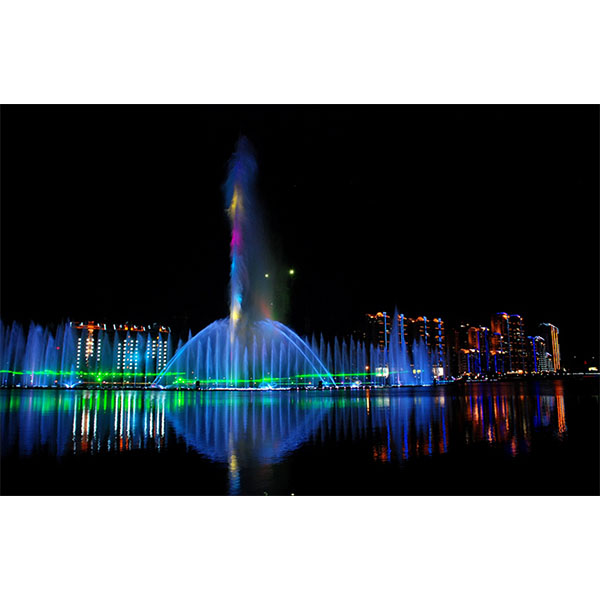
Specialized Debugging for Waterscape and Landscape Lighting
Integrating lighting with water features and landscaping adds layers of complexity. At Shenyang Feiya Water Art Garden Engineering Co., Ltd., our experience since 2006 in constructing over 100 large and medium-sized fountains globally has highlighted the unique demands of these environments.
Waterscape lighting requires strict adherence to safety standards due to the conductive nature of water. Debugging here involves specialized leakage current detection and ground fault protection testing. Our team, including 15 senior engineers and water jet experts, utilizes well-equipped laboratories and demonstration rooms to simulate conditions before on-site deployment.
Synchronization with Water Jets and Music
In fountain projects, lighting must synchronize perfectly with water movements and audio tracks. Debugging this multi-media integration requires precise timing alignment. Delays between water, light, and sound break the immersive experience.
Our engineering department employs advanced control systems that manage DMX lighting, PLC water pumps, and audio signals simultaneously. During commissioning, we meticulously adjust timing offsets to ensure millisecond-level precision. This expertise stems from our Grade A qualification from the China Waterscape Fountain Committee and our status as a trusted partner for the Shenyang Municipal Government since 2007.
Environmental Durability Testing
Landscape and waterscape fixtures face harsh conditions, including humidity, chemical exposure, and physical impact. Debugging includes verifying the integrity of IP68-rated housings and corrosion-resistant materials. We ensure that all connections are sealed and protected, leveraging our extensive resources in equipment processing and material selection.
Comparison: Basic vs. Professional Debugging Services
Choosing the right level of commissioning service impacts the long-term success of a city lighting project. The table below outlines the differences between basic setup and professional engineering debugging.
| Feature | Basic Setup | Professional Engineering Debugging |
|---|---|---|
| Scope | Power on and basic function check | Full system validation, protocol analysis, and aesthetic calibration |
| Tools Used | Multimeter, basic controller | Oscilloscope, thermal camera, protocol analyzer, lux meter |
| Error Detection | Identifies obvious failures only | Detects latent issues, interference, and efficiency gaps |
| Documentation | Minimal or none | Comprehensive reports, as-built drawings, and maintenance guides |
| Long-term Reliability | Lower, higher risk of early failure | Higher, optimized for longevity and stability |
Professional debugging, such as that provided by our team of over 80 technicians, ensures that the investment in city lighting yields maximum social and economic benefits. It transforms a simple installation into a resilient, high-performance asset.
Why Choose Shenyang Feiya for Your Lighting Project?
With nearly two decades of experience, Shenyang Feiya Water Art Garden Engineering Co., Ltd. combines technical expertise with practical engineering excellence. Our approach to city lighting project debugging is rooted in our broader capability as a design and construction enterprise specializing in waterscape and greening projects.
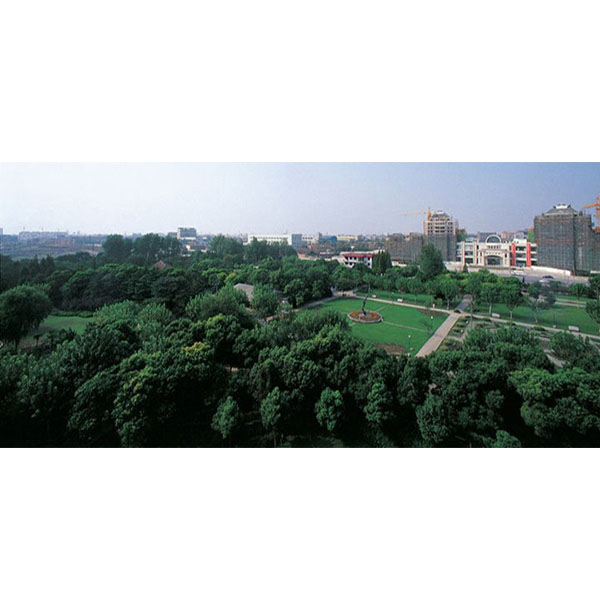
Our company’s commitment to quality is evidenced by our consecutive years of exceeding 10 million in production value and our recognition as an advanced taxpayer. We do not just install lights; we create ecological and humanistic environments. Our landscaping philosophy integrates environmental science with garden construction, ensuring that lighting enhances rather than disrupts the ecological balance.
Led by General Manager Zhong Huijuan, a standing committee member of the Waterscape Fountain Committee, our team brings professor-level expertise to every project. Whether it is a complex fountain show or a sprawling urban park illumination, our debugging process ensures precision, safety, and beauty.
FAQ: City Lighting Project Debugging
How long does the debugging phase typically take?
The duration varies based on project scale and complexity. A small park may take a few days, while a city-wide network or large fountain show can require weeks. Proper planning and pre-commissioning checks can significantly reduce onsite debugging time.
What is the most common cause of lighting failure after debugging?
Poor waterproofing and voltage fluctuations are leading causes. Ensuring robust IP ratings during installation and stable power supply during debugging mitigates these risks. Regular maintenance post-commissioning is also vital.
Can existing lighting systems be re-debugged?
Yes. Retrofitting or upgrading older systems often requires re-debugging to integrate new controllers or fixtures. This process involves assessing the existing infrastructure and updating protocols to match new components.
Why is synchronization important in city lighting?
Synchronization ensures that dynamic effects appear cohesive across large areas. Lack of sync results in visual clutter and diminishes the aesthetic impact. It is particularly critical for events and architectural highlights.
Best Practices for Maintaining Debugged Systems
Debugging is not a one-time event but the start of a lifecycle. To maintain the integrity of the commissioned system:
- Regular Inspections: Schedule quarterly checks for physical damage and seal integrity.
- Software Backups: Keep backups of control programs and configurations to facilitate quick recovery in case of system crashes.
- Performance Monitoring: Use remote monitoring systems to track energy usage and fixture health, allowing for proactive maintenance.
- Component Replacement: Replace aging drivers and power supplies before they fail completely to avoid cascading issues.
These practices, supported by our operation department’s expertise, ensure that your city lighting project continues to deliver value and beauty for years to come.
Conclusion: Ensuring Excellence Through Expert Debugging
City lighting project debugging is the bridge between design vision and operational reality. It demands a blend of technical precision, artistic sensitivity, and engineering rigor. By prioritizing thorough commissioning, municipalities and developers can avoid costly repairs, enhance public safety, and create stunning visual landmarks.
For projects requiring the highest level of expertise, particularly those integrating waterscapes and complex landscapes, partnering with an experienced provider is crucial. Shenyang Feiya Water Art Garden Engineering Co., Ltd. offers comprehensive solutions backed by decades of innovation, a team of senior engineers, and a proven track record of excellence. Our holistic approach ensures that every light, every jet, and every plant contributes to a harmonious and sustainable urban environment.
Ready to elevate your urban lighting project? Contact our engineering team today to discuss your specific needs and discover how our professional debugging services can ensure the success of your installation.