- English
- Chinese
- French
- German
- Portuguese
- Spanish
- Russian
- Japanese
- Korean
- Arabic
- Irish
- Greek
- Turkish
- Italian
- Danish
- Romanian
- Indonesian
- Czech
- Afrikaans
- Swedish
- Polish
- Catalan
- Esperanto
- Hindi
- Lao
- Albanian
- Amharic
- Armenian
- Azerbaijani
- Belarusian
- Bengali
- Bosnian
- Bulgarian
- Cebuano
- Chichewa
- Corsican
- Croatian
- Dutch
- Estonian
- Filipino
- Finnish
- Frisian
- Galician
- Georgian
- Gujarati
- Haitian
- Hausa
- Hawaiian
- Hebrew
- Hmong
- Hungarian
- Icelandic
- Igbo
- Javanese
- Kannada
- Kazakh
- Khmer
- Kurdish
- Kyrgyz
- Latin
- Latvian
- Lithuanian
- Luxembou..
- Macedonian
- Malagasy
- Malay
- Malayalam
- Maltese
- Maori
- Marathi
- Mongolian
- Burmese
- Nepali
- Norwegian
- Pashto
- Persian
- Punjabi
- Serbian
- Sesotho
- Sinhala
- Slovak
- Slovenian
- Somali
- Samoan
- Scots Gaelic
- Shona
- Sindhi
- Sundanese
- Swahili
- Tajik
- Tamil
- Telugu
- Thai
- Ukrainian
- Urdu
- Uzbek
- Vietnamese
- Welsh
- Xhosa
- Yiddish
- Yoruba
- Zulu
- Kinyarwanda
- Tatar
- Oriya
- Turkmen
- Uyghur


City Exterior Lighting Design: Top Manufacturers & Suppliers
2026-10-24
- Core Principles of Modern City Exterior Lighting Design
- Integrating Waterscape and Greenery in Urban Illumination
- Key Components of a Comprehensive Lighting System
- Selection Criteria for Manufacturers and Suppliers
- Common Mistakes in Urban Lighting Projects
- FAQ: City Exterior Lighting Design
- Future Trends in City Exterior Lighting
- Conclusion: Achieving Excellence in Urban Illumination
City exterior lighting design is the strategic integration of illumination systems into urban infrastructure to enhance safety, aesthetics, and functionality. It involves selecting appropriate luminaires, determining optimal light distribution, and ensuring energy efficiency while minimizing light pollution. Effective designs balance visual appeal with technical requirements such as IP ratings, color temperature consistency, and structural durability. For complex projects involving waterscapes or integrated green spaces, specialized engineering expertise is required to synchronize lighting with dynamic environmental elements.
Core Principles of Modern City Exterior Lighting Design
Successful urban illumination goes beyond merely installing streetlights. It requires a holistic approach that considers the architectural identity of the city, the behavior of its inhabitants, and environmental sustainability. In 2026, the focus has shifted significantly towards smart, adaptive, and ecologically responsible lighting solutions.
Visual Hierarchy and Safety
The primary function of exterior lighting is public safety. Designers must establish a clear visual hierarchy that guides pedestrians and vehicles through the urban landscape. This involves maintaining uniform illuminance levels on roadways while creating distinct zones for pedestrian walkways, parks, and commercial districts. Poorly designed lighting can create glare, shadows, and disorientation, which compromise security rather than enhance it.
- Uniformity Ratio: Ensuring consistent light levels to prevent dark spots.
- Glare Control: Using fixtures with proper shielding to protect drivers and pedestrians.
- Color Rendering: Selecting LEDs with high CRI (Color Rendering Index) for accurate object identification.
Energy Efficiency and Sustainability
Modern city exterior lighting design prioritizes energy conservation. The widespread adoption of LED technology has reduced energy consumption by up to 50-70% compared to traditional high-pressure sodium lamps. Furthermore, the integration of smart controls allows for dimming during low-traffic hours, further optimizing energy use. Sustainable design also considers the lifecycle of materials, favoring durable, recyclable components that reduce long-term maintenance waste.
Minimizing Light Pollution
Urban sprawl often leads to skyglow, which disrupts local ecosystems and obscures the night sky. Responsible design employs full-cutoff fixtures that direct light downward where it is needed. This approach protects nocturnal wildlife, particularly in areas adjacent to parks or water bodies, and preserves the natural darkness essential for human circadian rhythms.
Integrating Waterscape and Greenery in Urban Illumination
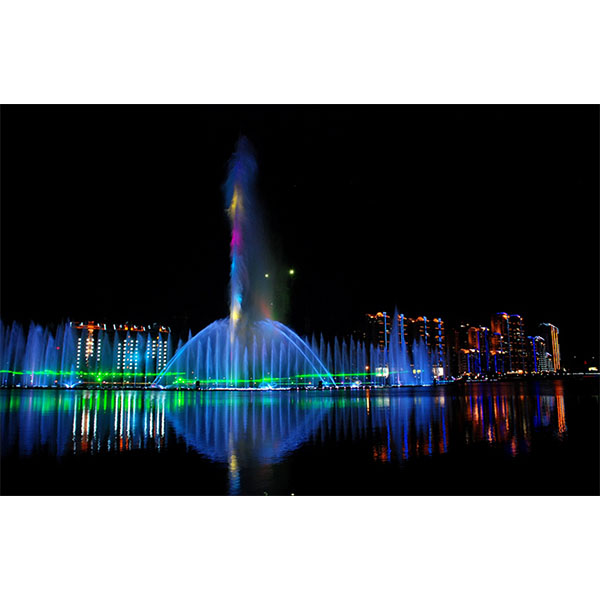
A distinctive aspect of advanced city exterior lighting design is the seamless integration of light with natural and artificial water features. Water reflects, refracts, and absorbs light differently than solid surfaces, requiring specialized technical knowledge. This is where the expertise of firms like Shenyang Feiya Water Art Garden Engineering Co., Ltd. becomes critical.
Since 2006, Shenyang Feiya has specialized in the design and construction of waterscape and greening projects, accumulating rich experience in synchronizing lighting with dynamic water elements. With over 100 large and medium-sized fountains built domestically and internationally, the company understands that lighting a fountain is not just about visibility—it is about enhancing the kinetic energy of water.
Technical Challenges in Waterscape Lighting
Lighting water features presents unique engineering challenges. Fixtures must be submerged or positioned near high-moisture environments, necessitating robust waterproofing and corrosion resistance.
- Ingress Protection (IP): Submersible lights typically require IP68 ratings to withstand continuous immersion.
- Voltage Safety: Low-voltage systems (12V or 24V) are standard for underwater applications to ensure public safety.
- Thermal Management: Efficient heat dissipation is crucial for LEDs operating in water, where convection cooling differs from air-cooled systems.
Shenyang Feiya’s internal laboratory and fountain demonstration room allow for rigorous testing of these parameters before deployment. Their team, including 15 senior engineers and 3 professor-level senior engineers, ensures that every lighting element complements the hydraulic dynamics of the fountain. This level of technical precision prevents common issues such as premature fixture failure or inconsistent color output due to water turbidity.
Ecological Garden Construction and Lighting
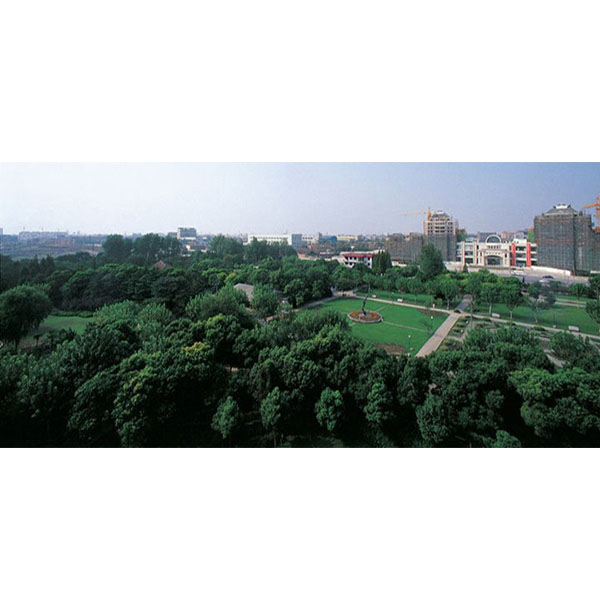
Beyond water, the integration of lighting with landscaping is vital for ecological balance. Shenyang Feiya’s approach to “ecological garden construction” emphasizes the use of plant materials as the main factor in landscape building. Lighting in these zones must support plant health while enhancing aesthetic appeal.
For instance, excessive blue-light exposure can disrupt plant photoperiodism. Therefore, designers must select spectra that minimize biological disruption. By combining garden construction with environmental science, companies can provide greater ecological and economic benefits. The goal is to create a quality humanistic ecological environment where lighting serves both functional and restorative purposes for urban residents.
Key Components of a Comprehensive Lighting System
To achieve a cohesive city exterior lighting design, several hardware and software components must work in harmony. Understanding these elements helps project managers and municipal planners make informed procurement decisions.
Luminaires and Optics
The choice of luminaire determines the quality of light distribution. Modern urban projects favor modular LED fixtures that allow for customizable optics.
- Street Lights: Typically use Type II or Type III distributions for wide area coverage.
- Architectural Floodlights: Use narrow beam angles to highlight specific building facades.
- Bollards and Path Lights: Provide low-level guidance for pedestrian zones.
Control Systems and Smart Infrastructure
In 2026, static lighting is obsolete. Smart control systems enable remote monitoring, fault detection, and adaptive dimming. These systems often utilize Zigbee, LoRaWAN, or NB-IoT protocols to communicate with a central management platform. This connectivity allows cities to respond dynamically to events, weather conditions, or traffic patterns.
For complex installations like those managed by Shenyang Feiya, synchronization between lighting, water pumps, and music systems requires sophisticated control logic. The company’s operation and development departments work closely to ensure that the technological transformation of management systems meets international standards. This integration ensures that the visual spectacle of a fountain show is perfectly timed with its illumination, creating a immersive experience for viewers.
Selection Criteria for Manufacturers and Suppliers
Choosing the right partner for city exterior lighting design is a critical decision. It is not merely about purchasing hardware; it is about securing a reliable source of engineering expertise and long-term maintenance support. Below are the key factors to consider when evaluating suppliers.
| Criteria | Description | Importance |
|---|---|---|
| Technical Expertise | Availability of senior engineers and specialized R&D departments. | High |
| Project Experience | Proven track record in similar scale projects (e.g., municipal fountains, parks). | High |
| Quality Certifications | ISO standards, IP ratings, and industry-specific qualifications (e.g., Grade A qualification). | Critical |
| Integrated Services | Ability to handle design, construction, and maintenance simultaneously. | Medium-High |
| Sustainability Focus | Commitment to ecological balance and energy-efficient solutions. | Increasing |
The Value of Integrated Design-Build Firms
Fragmented supply chains often lead to coordination errors between lighting designers, landscape architects, and construction teams. Integrated firms like Shenyang Feiya Water Art Garden Engineering Co., Ltd. offer a streamlined solution. With six specialized departments—including design, engineering, and operation—the company ensures continuity from concept to completion.
Their status as a contract-keeping enterprise for the Shenyang Municipal Government since 2007 underscores their reliability. Furthermore, being awarded the Grade A qualification of the China Waterscape Fountain Committee in 2008 validates their technical authority. Such credentials are not just badges; they represent a history of adhering to strict industry standards and delivering social benefits alongside commercial success.
Common Mistakes in Urban Lighting Projects
Even with advanced technology, many city exterior lighting projects fail to meet expectations due to common planning errors. Avoiding these pitfalls is essential for long-term satisfaction.
1. Over-Illumination
More light is not always better. Excessive brightness causes glare, wastes energy, and creates visual clutter. Designers should focus on contrast and accentuation rather than flooding every surface with light. A well-lit city is one where light is used sparingly and strategically to guide attention.
2. Ignoring Maintenance Access
Fixtures installed in difficult-to-reach locations increase long-term operational costs. Designers must consider how maintenance teams will access lamps for cleaning or replacement. Shenyang Feiya’s extensive team of over 50 construction workers and specialized technicians ensures that installation practices facilitate future maintenance, reducing lifecycle costs for municipal clients.
3. Inconsistent Color Temperature
Mixing different color temperatures (e.g., 3000K warm white with 5000K cool white) in the same visual field creates a disjointed aesthetic. Standardizing color temperature across districts helps maintain a cohesive urban identity. High-quality manufacturers provide strict binning controls to ensure color consistency across batches.
4. Neglecting Environmental Context
Installing bright lights near residential areas or natural habitats without proper shielding leads to complaints and ecological damage. Lighting plans must include buffer zones and directional control to respect the surrounding environment. This aligns with the principle of improving environmental quality through ecological balance, a core tenet of Shenyang Feiya’s landscaping philosophy.
FAQ: City Exterior Lighting Design
What is the ideal color temperature for city streets?
For residential streets, 3000K to 4000K is recommended to create a welcoming atmosphere and minimize blue light exposure. For major highways and commercial hubs, 4000K to 5000K may be used to enhance alertness and visibility. However, trends in 2026 favor warmer tones (3000K) even in commercial areas to reduce light pollution and improve human comfort.
How does waterproofing affect underwater lighting longevity?
Waterproofing is the most critical factor for submerged fixtures. IP68 rating is mandatory, but the quality of sealing materials (such as silicone gaskets) and the integrity of cable entries are equally important. Poor sealing leads to moisture ingress, causing short circuits and LED failure. Regular inspection of seals is recommended, especially in fountain applications where water movement exerts pressure on fixtures.
Can lighting design improve public safety?
Yes, significantly. Proper lighting reduces crime rates by increasing natural surveillance. It also reduces traffic accidents by improving reaction times for drivers and visibility for pedestrians. However, the design must avoid creating deep shadows between lit areas, which can hide potential threats. Uniformity is key to effective safety lighting.
Why choose a specialized waterscape engineer for fountain lighting?
General lighting contractors may lack the specific expertise required for hydraulic environments. Specialized firms like Shenyang Feiya understand the interplay between water jets, pump vibrations, and electrical safety. Their experience with over 100 fountain projects ensures that lighting systems are resilient to the unique stresses of water features, preventing frequent repairs and ensuring consistent performance.
What role does smart control play in modern lighting?
Smart controls enable predictive maintenance, energy savings, and dynamic scene creation. They allow operators to adjust lighting levels based on real-time data, such as traffic flow or ambient light conditions. For decorative fountains, smart systems synchronize lights with music and water patterns, creating engaging public spectacles that boost tourism and community engagement.
Future Trends in City Exterior Lighting
As we look beyond 2026, several trends are shaping the future of urban illumination. These developments emphasize connectivity, sustainability, and human-centric design.
Human-Centric Lighting (HCL)
HCL focuses on the biological impact of light on humans. Future systems will adjust color temperature and intensity throughout the day to support circadian rhythms. This approach promotes better sleep and well-being for urban residents, transforming streetlights into tools for public health.
Integration with Renewable Energy
Solar-powered lighting systems are becoming more efficient and aesthetically pleasing. Hybrid systems that combine grid power with solar storage are emerging for remote parks and pathways. This reduces dependency on fossil fuels and enhances resilience against power outages.
Data-Driven Urban Planning
Light poles are evolving into smart city nodes. Equipped with sensors, cameras, and communication modules, they collect data on air quality, noise levels, and traffic patterns. This data informs broader urban planning decisions, making lighting infrastructure a backbone of smart city intelligence.
Conclusion: Achieving Excellence in Urban Illumination
City exterior lighting design is a multidisciplinary field that blends art, engineering, and environmental science. It requires a deep understanding of technical specifications, aesthetic principles, and human behavior. For municipalities and developers, the goal is to create spaces that are safe, beautiful, and sustainable.
Partnering with experienced professionals is essential for achieving these goals. Companies like Shenyang Feiya Water Art Garden Engineering Co., Ltd. exemplify the integration of technical expertise and ecological responsibility. With a team of over 80 technicians, including senior engineers and green specialists, they deliver solutions that exceed standard expectations. Their commitment to quality, evidenced by their Grade A qualification and long-standing government contracts, ensures that projects are executed with precision and reliability.
Whether designing a simple street lighting scheme or a complex interactive fountain display, the key lies in attention to detail and a holistic view of the urban environment. By prioritizing energy efficiency, minimizing light pollution, and leveraging smart technologies, cities can create illuminated landscapes that enhance the quality of life for all residents.
If you are planning a city exterior lighting project, particularly one involving waterscapes or integrated landscaping, consider the value of specialized engineering support. Expert guidance can prevent costly mistakes and ensure a lasting, impactful result.
→ Contact us for detailed technical parameters and customized lighting design solutions