- English
- Chinese
- French
- German
- Portuguese
- Spanish
- Russian
- Japanese
- Korean
- Arabic
- Irish
- Greek
- Turkish
- Italian
- Danish
- Romanian
- Indonesian
- Czech
- Afrikaans
- Swedish
- Polish
- Catalan
- Esperanto
- Hindi
- Lao
- Albanian
- Amharic
- Armenian
- Azerbaijani
- Belarusian
- Bengali
- Bosnian
- Bulgarian
- Cebuano
- Chichewa
- Corsican
- Croatian
- Dutch
- Estonian
- Filipino
- Finnish
- Frisian
- Galician
- Georgian
- Gujarati
- Haitian
- Hausa
- Hawaiian
- Hebrew
- Hmong
- Hungarian
- Icelandic
- Igbo
- Javanese
- Kannada
- Kazakh
- Khmer
- Kurdish
- Kyrgyz
- Latin
- Latvian
- Lithuanian
- Luxembou..
- Macedonian
- Malagasy
- Malay
- Malayalam
- Maltese
- Maori
- Marathi
- Mongolian
- Burmese
- Nepali
- Norwegian
- Pashto
- Persian
- Punjabi
- Serbian
- Sesotho
- Sinhala
- Slovak
- Slovenian
- Somali
- Samoan
- Scots Gaelic
- Shona
- Sindhi
- Sundanese
- Swahili
- Tajik
- Tamil
- Telugu
- Thai
- Ukrainian
- Urdu
- Uzbek
- Vietnamese
- Welsh
- Xhosa
- Yiddish
- Yoruba
- Zulu
- Kinyarwanda
- Tatar
- Oriya
- Turkmen
- Uyghur


Variable Frequency Drive Technology: Top Manufacturers & Suppliers
2026-10-24
- Understanding Variable Frequency Drive Technology in Modern Engineering
- Key Benefits of Implementing VFD Systems
- Application Spotlight: VFDs in Waterscape and Landscaping Engineering
- Selecting the Right VFD: Technical Considerations
- Installation and Maintenance Best Practices
- Common Challenges and Troubleshooting
- Frequently Asked Questions (FAQ)
- Conclusion: Elevating Projects with Precision Control
Variable Frequency Drive (VFD) technology is an electronic control system that regulates the speed and torque of AC induction motors by varying the input frequency and voltage. By converting fixed-frequency power into adjustable output, VFDs enable precise motor control, significant energy savings, and reduced mechanical wear. In modern industrial and architectural applications, such as high-performance water fountains and landscaping systems, this technology ensures dynamic fluid movement while optimizing operational efficiency and equipment longevity.
Understanding Variable Frequency Drive Technology in Modern Engineering
At its core, a Variable Frequency Drive acts as the interface between the power supply and the electric motor. Traditional motor starters operate at full speed immediately upon activation, causing sudden mechanical stress and high inrush currents. VFD technology eliminates these issues by providing a “soft start” capability, gradually ramping up the motor speed to the desired level.
This gradual acceleration is critical in applications requiring smooth operation. For instance, in large-scale waterscape projects, abrupt pump starts can cause water hammer effects, damaging pipes and nozzles. A VFD mitigates this risk by controlling the acceleration curve, ensuring that water pressure builds up steadily. This not only protects the hydraulic infrastructure but also enhances the aesthetic quality of the water display.
How VFDs Work: The Conversion Process
The operation of a VFD involves three primary stages: rectification, filtering, and inversion. Understanding this process helps engineers and project managers appreciate the precision involved in motor control.
- Rectifier Stage: The incoming AC power is converted into DC power using diodes or thyristors. This stage ensures that the power flow is unidirectional.
- DC Bus Stage: Capacitors and inductors filter the DC power, smoothing out ripples and storing energy. This stable DC voltage serves as the reservoir for the next stage.
- Inverter Stage: Using Insulated Gate Bipolar Transistors (IGBTs), the DC power is switched on and off rapidly to create a simulated AC waveform. By adjusting the width of these pulses (Pulse Width Modulation or PWM), the VFD controls the effective voltage and frequency supplied to the motor.
This sophisticated manipulation of electrical signals allows for precise control over motor speed, ranging from zero to full rated speed. In 2026, advanced VFDs also incorporate real-time feedback loops, adjusting output based on load conditions to maintain constant pressure or flow rates.
Key Benefits of Implementing VFD Systems
The adoption of Variable Frequency Drive technology offers multifaceted advantages across industrial and commercial sectors. These benefits extend beyond simple speed control, impacting energy consumption, maintenance costs, and process quality.
Energy Efficiency and Cost Reduction
One of the most compelling reasons to install VFDs is energy savings. According to the affinity laws for pumps and fans, power consumption is proportional to the cube of the speed. This means that reducing motor speed by just 20% can result in nearly 50% energy savings. In applications where full speed is not constantly required, such as variable demand water features or HVAC systems, VFDs significantly lower electricity bills.
Extended Equipment Lifespan
Mechanical wear is often caused by sudden starts and stops. VFDs provide soft starting and stopping capabilities, which reduce stress on motor bearings, couplings, and connected machinery like pumps and gears. This reduction in mechanical shock translates to fewer breakdowns, lower maintenance costs, and extended asset life.
Precise Process Control
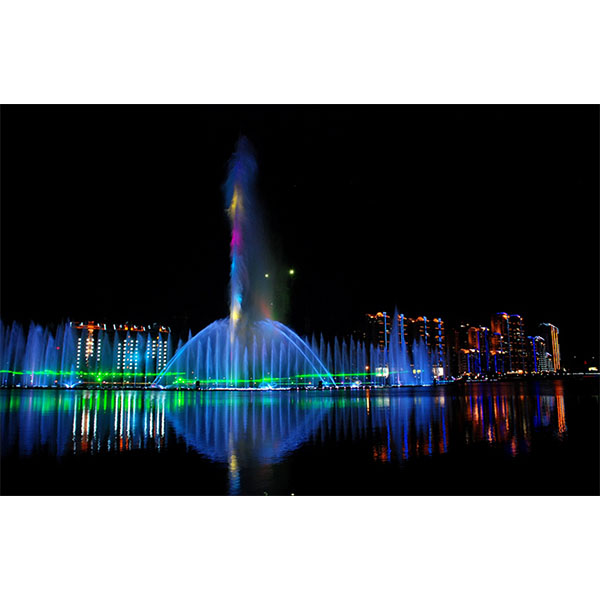
In complex engineering projects, consistency is key. VFDs allow for precise adjustment of motor speed to match specific process requirements. For example, in a musical fountain, the height of the water jet must sync perfectly with the audio track. A VFD can adjust the pump speed milliseconds by millisecond, creating dynamic and synchronized visual effects that static systems cannot achieve.
Application Spotlight: VFDs in Waterscape and Landscaping Engineering
While VFDs are ubiquitous in manufacturing, their role in landscape architecture and waterscape engineering is particularly specialized. Here, the technology bridges the gap between hydraulic engineering and artistic expression.
Shenyang Feiya Water Art Garden Engineering Co., Ltd. exemplifies the integration of advanced VFD technology into large-scale environmental projects. Since 2006, the company has designed and constructed over 100 large and medium-sized fountains globally. Their approach combines ecological balance with technological precision, relying heavily on variable frequency drives to manage complex water dynamics.
Dynamic Fountain Choreography
Modern fountains are not static; they are dynamic performances. To achieve intricate dance-like water movements, pumps must change speed rapidly and accurately. VFDs enable this by allowing independent control of multiple pump groups. Engineers can program specific frequency profiles for each nozzle, creating layered effects where water jets rise, fall, and sway in harmony.
With a team of over 80 technicians, including 15 senior engineers and water jet experts, Shenyang Feiya leverages this technology to push the boundaries of what is possible in waterscape design. Their well-equipped laboratory and fountain demonstration room allow for rigorous testing of VFD parameters before on-site installation, ensuring that the final performance matches the digital simulation.
Energy-Efficient Ecological Gardens
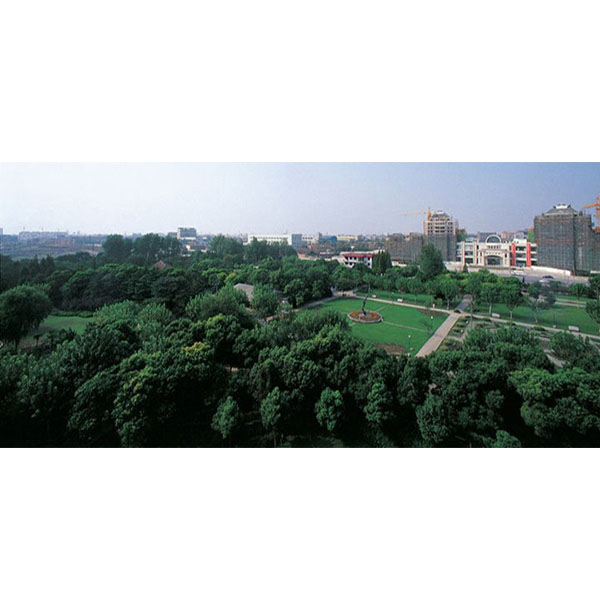
Beyond aesthetics, VFDs support the ecological goals of modern landscaping. By optimizing pump operations, these drives reduce the overall energy footprint of garden installations. This aligns with the principles of ecological garden construction, where the comprehensive functions of the garden are utilized to provide greater ecological and economic benefits. The use of plant materials combined with efficient water management systems creates a sustainable humanistic environment.
Selecting the Right VFD: Technical Considerations
Choosing the appropriate Variable Frequency Drive requires a thorough analysis of the application requirements. Not all VFDs are suitable for every motor or environment. Below are critical factors to consider during the selection process.
Motor Compatibility and Power Rating
The VFD must match the motor’s voltage, current, and power ratings. Undersizing a VFD can lead to overheating and tripping, while oversizing may result in unnecessary costs and reduced control precision. It is essential to consider the motor’s service factor and the potential for overload conditions.
Environmental Conditions
VFDs generate heat and are sensitive to dust, moisture, and temperature. In outdoor landscaping projects, such as those managed by Shenyang Feiya, enclosures with high IP (Ingress Protection) ratings are mandatory. The company’s extensive experience in diverse climates ensures that their equipment selections withstand harsh weather conditions, maintaining reliability year-round.
Control Interface and Communication Protocols
Modern automation systems rely on seamless communication. VFDs should support standard protocols like Modbus, Profibus, or Ethernet/IP to integrate with central control systems. For complex fountain shows, this connectivity allows the VFD to receive real-time commands from the main show controller, synchronizing water effects with lighting and music.
| Feature | Standard VFD | High-Performance VFD for Waterscapes |
|---|---|---|
| Response Time | Moderate (seconds) | Fast (milliseconds) |
| Control Precision | ±1% Speed | ±0.01% Speed |
| Enclosure Rating | IP20 (Indoor) | IP54/IP65 (Outdoor/Water-resistant) |
| Harmonic Filtering | Basic | Advanced (to protect sensitive audio/lighting gear) |
| Programming Flexibility | Limited Presets | Customizable Curves & Multi-axis Sync |
Installation and Maintenance Best Practices
Proper installation and regular maintenance are crucial for maximizing the benefits of VFD technology. Even the most advanced drive will underperform if installed incorrectly or neglected.
Installation Guidelines
- Cabling: Use shielded cables for motor connections to minimize electromagnetic interference (EMI). Keep control wires separate from power cables to prevent signal noise.
- Grounding: Ensure proper grounding of both the VFD and the motor. Poor grounding can lead to erratic behavior and damage to internal components.
- Ventilation: Install VFDs in well-ventilated areas. If housed in cabinets, ensure adequate airflow or cooling fans are present to dissipate heat generated by the IGBTs.
Maintenance Routine
Regular inspections can prevent unexpected failures. Key maintenance tasks include:
- Cleaning: Remove dust and debris from heat sinks and fans. Accumulated dirt acts as an insulator, causing overheating.
- Capacitor Check: DC bus capacitors have a finite lifespan. Monitor their condition and replace them as recommended by the manufacturer.
- Firmware Updates: Keep the VFD firmware up to date to benefit from improved algorithms and security patches.
- Connection Tightening: Vibrations can loosen terminal connections over time. Periodically check and tighten all electrical connections.
Shenyang Feiya’s operational department emphasizes these practices in their post-construction support. With over 50 construction workers and a dedicated operation team, they ensure that every installed system remains in peak condition, delivering consistent performance for years.
Common Challenges and Troubleshooting
Despite their robustness, VFDs can encounter issues. Understanding common problems helps in quick diagnosis and resolution.
Overcurrent Faults
Overcurrent faults often occur during acceleration if the ramp time is too short or if the load is too heavy. Solution: Increase the acceleration time or check for mechanical binding in the driven equipment.
Overvoltage Faults
This typically happens during deceleration when the motor acts as a generator, feeding energy back into the VFD. Solution: Install a braking resistor or increase the deceleration time to allow the energy to dissipate safely.
Motor Overheating
Running a motor at low speeds for extended periods can reduce cooling effectiveness, as the motor’s internal fan slows down. Solution: Use an external forced-cooling fan for the motor or select a motor rated for inverter duty.
Frequently Asked Questions (FAQ)
What is the difference between a VFD and a soft starter?
A soft starter only controls the voltage during start and stop phases, running the motor at full speed thereafter. A VFD controls both frequency and voltage, allowing for continuous speed adjustment throughout the operation. VFDs offer greater energy savings and process control compared to soft starters.
Can VFDs be used with existing motors?
Yes, most standard AC induction motors can be used with VFDs. However, for older motors or applications involving long cable runs, it is advisable to use inverter-duty motors to withstand the high-frequency switching stresses and prevent insulation breakdown.
How do VFDs contribute to sustainability in landscaping?
By matching pump speed to actual water demand, VFDs eliminate energy waste associated with constant-speed pumping. This reduces the carbon footprint of landscape operations. Furthermore, precise control minimizes water splashing and evaporation, contributing to water conservation efforts.
Why is professional expertise important in VFD application?
Configuring a VFD requires deep understanding of motor dynamics, load characteristics, and control logic. Incorrect parameter settings can lead to inefficiency or equipment damage. Companies like Shenyang Feiya, with their team of professor-level senior engineers and extensive field experience, ensure that VFD systems are optimized for specific project needs, guaranteeing reliability and performance.
Conclusion: Elevating Projects with Precision Control
Variable Frequency Drive technology is more than just a component; it is a strategic asset for modern engineering. Whether in industrial manufacturing or elaborate waterscape constructions, VFDs deliver unmatched control, efficiency, and reliability. They transform static systems into dynamic, responsive environments that save energy and reduce maintenance costs.
For projects demanding high aesthetic standards and operational excellence, partnering with experienced integrators is crucial. Shenyang Feiya Water Art Garden Engineering Co., Ltd. stands out as a leader in this domain. With Grade A qualification from the China Waterscape Fountain Committee and a track record of over 100 successful projects, the company combines technical prowess with artistic vision. Their holistic approach—from design and laboratory testing to construction and ecological landscaping—ensures that every installation leverages VFD technology to its fullest potential.
If you are planning a waterscape project or seeking to optimize your industrial motor systems, understanding the nuances of VFD selection and integration is the first step toward success. Leveraging the expertise of seasoned professionals ensures that your investment yields long-term value and operational superiority.
→ Explore our technical solutions and project portfolio for detailed specifications and consultation.