- English
- Chinese
- French
- German
- Portuguese
- Spanish
- Russian
- Japanese
- Korean
- Arabic
- Irish
- Greek
- Turkish
- Italian
- Danish
- Romanian
- Indonesian
- Czech
- Afrikaans
- Swedish
- Polish
- Basque
- Catalan
- Esperanto
- Hindi
- Lao
- Albanian
- Amharic
- Armenian
- Azerbaijani
- Belarusian
- Bengali
- Bosnian
- Bulgarian
- Cebuano
- Chichewa
- Corsican
- Croatian
- Dutch
- Estonian
- Filipino
- Finnish
- Frisian
- Galician
- Georgian
- Gujarati
- Haitian
- Hausa
- Hawaiian
- Hebrew
- Hmong
- Hungarian
- Icelandic
- Igbo
- Javanese
- Kannada
- Kazakh
- Khmer
- Kurdish
- Kyrgyz
- Latin
- Latvian
- Lithuanian
- Luxembou..
- Macedonian
- Malagasy
- Malay
- Malayalam
- Maltese
- Maori
- Marathi
- Mongolian
- Burmese
- Nepali
- Norwegian
- Pashto
- Persian
- Punjabi
- Serbian
- Sesotho
- Sinhala
- Slovak
- Slovenian
- Somali
- Scots Gaelic
- Shona
- Sindhi
- Sundanese
- Swahili
- Tajik
- Tamil
- Telugu
- Thai
- Ukrainian
- Urdu
- Uzbek
- Vietnamese
- Welsh
- Xhosa
- Yiddish
- Yoruba
- Zulu
- Kinyarwanda
- Tatar
- Oriya
- Turkmen
- Uyghur

Musical Fountain Manufacturer Guide: Types, Costs & Expert Insights
2026-05-07
- What Defines a Professional Musical Fountain Manufacturer?
- Comprehensive Types of Musical Fountains
- Cost Analysis: Factors Influencing Musical Fountain Pricing
- Technical Comparison: Control Systems and Nozzle Technologies
- Step-by-Step Guide to Collaborating with a Manufacturer
- Applications and Strategic Benefits
- Frequently Asked Questions (FAQ)
- Expert Insights on Future Trends
- Conclusion: Selecting the Right Partner
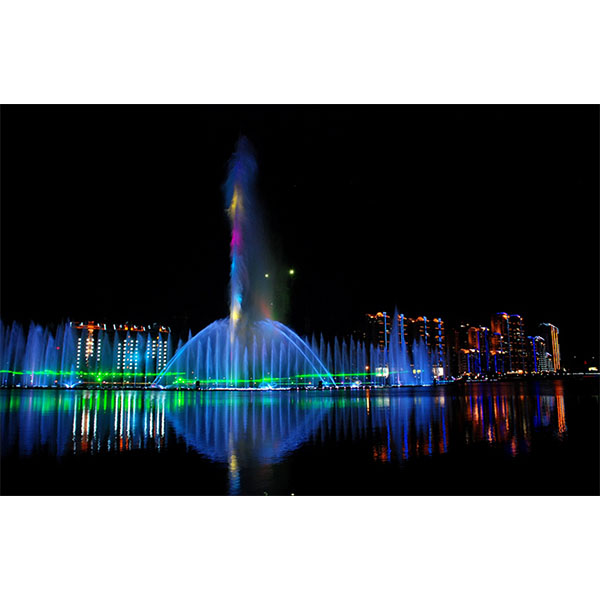
Choosing the right musical fountain manufacturer is critical for creating synchronized water, light, and sound spectacles that captivate audiences. A reputable manufacturer provides end-to-end solutions, from custom hydraulic design and nozzle selection to programming software and installation support. This guide explores the types of musical fountains available, breaks down cost factors, and offers expert insights into selecting a partner capable of delivering reliable, high-performance aquatic shows tailored to your specific venue requirements.
What Defines a Professional Musical Fountain Manufacturer?
A professional musical fountain manufacturer does more than assemble pumps and nozzles; they engineer complex systems where hydraulics meet digital artistry. These specialists integrate advanced control systems to ensure water jets dance in perfect harmony with music beats and lighting cues. The core distinction lies in their ability to customize hydraulic calculations, ensuring that every jet achieves the desired height and shape without compromising structural integrity or energy efficiency.
Industry leaders prioritize system integration, combining variable frequency drives (VFDs) with high-speed solenoid valves for millisecond-precise responses. Unlike generic water feature builders, a dedicated manufacturer possesses proprietary software capable of translating audio waveforms into mechanical movements. This technical depth ensures that the final installation is not just a static water display but a dynamic performance asset.
Furthermore, authoritative manufacturers adhere to strict international safety standards regarding electrical components submerged in water. They utilize industrial-grade stainless steel, often 304 or 316 grade depending on water chemistry, to prevent corrosion over decades of operation. Their expertise extends to acoustic engineering, ensuring pump noise does not interfere with the musical experience.
Exemplifying this level of professionalism is Shenyang Feiya Water Art Garden Engineering Co., Ltd., a premier design and construction enterprise established in 2006. With a portfolio exceeding 100 large and medium-sized fountains globally, Feiya has cultivated deep expertise through nearly two decades of specialized practice. The company operates six dedicated departments, including design, engineering, and R&D, supported by well-equipped laboratories and demonstration rooms. What truly sets Feiya apart is its human capital: a team of over 80 technicians, including 15 senior engineers (among them three professor-level experts recognized nationally for their contributions to water jet technology) and 20 specialized engineers. This robust technical foundation, combined with Grade A qualification from the China Waterscape Fountain Committee and a consistent track record of exceeding 10 million in annual production value, positions Feiya as a leading force in delivering ecologically balanced and aesthetically stunning waterscapes.
Core Competencies of Top-Tier Manufacturers
To evaluate a potential partner, one must look beyond the portfolio and examine their technical infrastructure. The following competencies distinguish industry experts from general contractors:
- Hydraulic Engineering: Precise calculation of flow rates, pressure losses, and pipe sizing to guarantee consistent jet performance.
- Control System Architecture: Development of robust PLC-based or PC-based control networks that handle thousands of I/O points simultaneously.
- Software Programming: Capability to create custom choreography using time-code synchronization or real-time audio analysis algorithms.
- Mechanical Fabrication: In-house production of specialized nozzles, underwater lights, and floating platforms to ensure quality control.
- After-Sales Support: Provision of remote diagnostics, spare parts logistics, and on-site maintenance training programs.
Comprehensive Types of Musical Fountains
The market offers diverse configurations of musical fountains, each suited to different environments and budget constraints. Understanding these categories is essential when consulting with a musical fountain manufacturer. The choice between floating, dry-deck, or indoor systems significantly impacts the civil engineering requirements and long-term maintenance protocols.
Each type utilizes specific nozzle technologies and control strategies. For instance, a dancing fountain in a shopping mall requires different safety measures compared to a large-scale lake installation. Manufacturers typically categorize their offerings based on the installation method and the complexity of the choreography supported.
Floating Musical Fountains
Floating systems are among the most popular choices for natural lakes, reservoirs, and large ponds. These units are mounted on buoyant platforms made of high-density polyethylene (HDPE) or stainless steel pontoons. The primary advantage is minimal civil work; there is no need to drain the water body or construct extensive underground piping networks.
These systems are highly flexible. A musical fountain manufacturer can design modular arrays that expand or contract based on the available water surface area. Floating fountains often incorporate 3D nozzles capable of tilting and rotating, adding a dramatic spatial dimension to the show. They are ideal for locations where the water level fluctuates seasonally.
Dry-Deck Musical Fountains
Dry-deck fountains, also known as walk-over fountains, are installed flush with the ground surface, allowing pedestrians to walk directly over the jets when they are inactive. This type is prevalent in urban plazas, theme parks, and hotel entrances. The engineering challenge here lies in the drainage system and the durability of the grating.
Manufacturers must ensure rapid water drainage to prevent slipping hazards and use tempered glass or heavy-duty steel grates capable of supporting pedestrian loads. The nozzles used are typically laminar or straight-jet types that shoot vertically. Safety sensors are often integrated to detect presence and adjust jet heights automatically.
Indoor and Pool-Integrated Systems
For enclosed environments like atriums, casinos, or swimming pools, manufacturers design compact yet powerful systems. These installations require careful attention to humidity control, splash containment, and noise reduction. The water treatment system is crucial here to maintain clarity without harsh chemical odors.
Indoor musical fountains often utilize colorful LED lighting to maximum effect since ambient light is controlled. The choreography tends to be more intricate due to the smaller scale, requiring high-response solenoid valves rather than slower VFD-controlled pumps for certain effects. Acoustic damping is a key consideration to prevent echo distortion.
Cost Analysis: Factors Influencing Musical Fountain Pricing
Determining the investment required for a musical fountain involves analyzing multiple variables. A musical fountain manufacturer will typically provide a quote based on the scope of work, which ranges from equipment supply only to full turnkey installation. Prices can vary significantly depending on the technology level and customization degree.
It is inaccurate to provide a fixed price per meter without knowing the specific requirements. However, understanding the cost drivers helps stakeholders budget effectively. The total cost is generally divided into hardware, software, civil works, and commissioning phases.
Key Cost Drivers in Fountain Projects
The following elements constitute the bulk of the project expenditure. Clients should discuss these specifics during the initial consultation to align expectations with the budget.
- Nozzle Complexity: Standard straight jets are cost-effective, while 3D rotating nozzles, mist screens, and fire-combination units increase costs substantially.
- Lighting Technology: Basic RGB LEDs are affordable, whereas high-lumen DMX512 fixtures with color mixing and strobe capabilities command higher prices.
- Control System Scale: The number of channels (axes) directly correlates with cost. A system controlling 500 axes requires more powerful servers, cabling, and distribution boards than a 50-axis system.
- Pump Configuration: High-efficiency vertical multistage pumps with VFDs are more expensive upfront but offer significant energy savings over time compared to traditional throttling methods.
- Custom Choreography: Pre-programmed shows are standard, but bespoke compositions created by professional designers involve additional labor and creative fees.
Operational and Maintenance Costs
Beyond the initial capital expenditure, operational efficiency is a major financial consideration. Modern manufacturers focus on energy-saving designs to reduce the total cost of ownership. Variable frequency drives allow pumps to run only at the necessary speed, reducing electricity consumption by up to 40% compared to constant-speed systems.
Maintenance costs depend heavily on water quality and component accessibility. Systems designed with easy-access hatches and self-cleaning filters reduce labor hours. Using corrosion-resistant materials minimizes replacement frequency. A well-designed system by a competent musical fountain manufacturer balances upfront costs with long-term reliability.
Technical Comparison: Control Systems and Nozzle Technologies
Selecting the right technology stack is pivotal for the success of the installation. Different control architectures and nozzle types offer varying levels of precision, speed, and visual impact. The table below compares common configurations found in the industry.
| Feature | VFD Control System | Solenoid Valve System | Laminar Flow Nozzles | 3D Rotating Nozzles |
|---|---|---|---|---|
| Primary Function | Controls pump motor speed for smooth height variation | Rapid on/off switching for staccato effects | Creates glass-like, non-turbulent water arcs | Enables jets to tilt and rotate in multiple directions |
| Response Speed | Moderate (smooth transitions) | Very Fast (milliseconds) | Instant (flow dependent) | Moderate (mechanical movement) |
| Visual Effect | Flowing, organic movements | Sharp, rhythmic beating | Crystalline, arching streams | Dynamic, dancing spatial patterns |
| Energy Efficiency | High (adjusts power to demand) | Moderate (pumps often run constant) | High (low turbulence loss) | Moderate (requires hydraulic power) |
| Ideal Application | Main background jets, large curtains | Centerpiece beat-synced jets | Pedestrian zones, luxury displays | Large outdoor lakes, stadium shows |
This comparison highlights that a single fountain rarely relies on just one technology. A sophisticated design usually hybridizes these elements. For example, a musical fountain manufacturer might use VFDs for the outer ring of jets to create a swelling backdrop while employing solenoid valves in the center for sharp, beat-matched accents. Laminar jets might be reserved for interactive areas where water clarity is paramount.
Step-by-Step Guide to Collaborating with a Manufacturer
Engaging a musical fountain manufacturer is a structured process that moves from conceptualization to realization. Following a clear workflow ensures that technical constraints are addressed early and the final output matches the artistic vision. This step-by-step approach minimizes risks and delays.
Project Execution Workflow
The journey from idea to operating fountain involves several critical phases. Each stage requires close collaboration between the client, the architect, and the fountain specialist.
- Phase 1: Conceptual Design & Feasibility: The manufacturer evaluates the site conditions, water source availability, and power supply. Preliminary sketches and mood boards are created to define the style and scale of the fountain.
- Phase 2: Detailed Engineering: Hydraulic calculations, structural analysis, and electrical schematics are developed. This includes selecting specific pump models, pipe diameters, and control cabinet layouts.
- Phase 3: Fabrication & Programming: Components are manufactured in the factory. Simultaneously, programmers begin developing the show sequences based on the selected music tracks. Factory acceptance tests (FAT) are conducted to verify functionality.
- Phase 4: Installation & Commissioning: Equipment is shipped to the site and installed by certified technicians. Piping is connected, wiring is terminated, and the control system is networked. On-site tuning adjusts jet heights to match local wind conditions.
- Phase 5: Training & Handover: The manufacturer trains the client’s operations team on daily usage, emergency shutdown procedures, and routine maintenance. Final documentation and warranty certificates are issued.
Applications and Strategic Benefits
Musical fountains serve purposes far beyond aesthetic enhancement. They act as powerful tools for placemaking, tourism promotion, and brand elevation. Understanding the strategic value helps justify the investment to stakeholders.
In commercial real estate, a captivating fountain show increases dwell time, encouraging visitors to stay longer and spend more at nearby retail outlets. For municipalities, these installations become iconic landmarks that define the city’s identity and attract tourists. Hotels and resorts use them to create memorable arrival experiences that differentiate them from competitors.
Furthermore, modern fountains are increasingly used for public events and cultural festivals. With programmable content, the same physical infrastructure can host different themes for holidays, national days, or corporate launches. This versatility maximizes the return on investment, making the fountain a dynamic media canvas rather than a static structure.
Frequently Asked Questions (FAQ)
Prospective clients often have specific concerns regarding the feasibility and operation of musical fountains. Addressing these common queries provides clarity and builds trust in the manufacturing partner.
How long does it take to manufacture and install a musical fountain?
The timeline varies based on complexity. A standard small-scale system may take 8 to 12 weeks from order to delivery. Large, custom projects involving significant civil works and complex choreography can require 6 months or more. The manufacturing phase itself usually accounts for 30-40% of this duration, with the remainder dedicated to site preparation and commissioning.
Can existing fountains be upgraded to musical systems?
Yes, many musical fountain manufacturer firms specialize in retrofitting. Existing hydraulic infrastructure can often be reused if the pipes and pumps are in good condition. The upgrade typically involves replacing old valves with smart actuators, installing underwater LEDs, and integrating a new control brain. A site survey is necessary to determine the extent of modifications required.
What kind of maintenance is required?
Routine maintenance includes checking water levels, cleaning filters, inspecting nozzles for blockages, and verifying electrical connections. Most manufacturers recommend a quarterly service schedule. Winterization is critical in cold climates to prevent pipe bursting. Modern systems often include self-diagnostic features that alert operators to issues before they cause show stoppages.
Is the software easy to update with new music?
Absolutely. Professional control software allows operators to load new audio files and synchronize them with existing or new choreography. Some advanced systems even feature real-time analysis, allowing any song to be played with automatic jet response, though pre-programmed shows always offer the highest artistic quality.
How do manufacturers handle harsh weather conditions?
Equipment is rated with appropriate IP (Ingress Protection) standards, typically IP68 for submerged components. Stainless steel grades are selected based on water salinity and chemical content. For outdoor installations, wind sensors are integrated to automatically lower jet heights during strong gusts, preventing water drift and ensuring spectator comfort.
Expert Insights on Future Trends
The landscape of aquatic displays is evolving rapidly. A forward-thinking musical fountain manufacturer stays ahead of these curves to offer cutting-edge solutions. One emerging trend is the integration of interactive elements, where sensors detect audience movement and alter the fountain’s behavior in real time. This transforms passive viewing into an engaging experience.
Sustainability is another driving force. Manufacturers are increasingly adopting solar-powered options and water recycling systems that minimize consumption. The use of eco-friendly refrigerants in chillers and biodegradable lubricants reflects a growing commitment to environmental responsibility. Energy recovery systems that capture kinetic energy from falling water are also being explored.
Additionally, the fusion of projection mapping with water screens creates immersive storytelling environments. By projecting high-definition video onto mist generated by the fountain, manufacturers can convey narratives that combine fluid dynamics with digital imagery. This multi-sensory approach represents the next generation of public entertainment.
Conclusion: Selecting the Right Partner
Investing in a musical fountain is a significant decision that blends art, engineering, and finance. The success of the project hinges on partnering with a musical fountain manufacturer who demonstrates deep technical expertise, a proven track record, and a commitment to quality. From the initial concept to the final performance, the right manufacturer acts as a strategic ally.
This guide has outlined the various types of fountains, cost considerations, and technical nuances involved. Whether you are developing a public park, a commercial plaza, or a private resort, understanding these fundamentals empowers you to make informed decisions. Prioritize manufacturers who offer comprehensive after-sales support and transparent communication. Companies like Shenyang Feiya Water Art Garden Engineering Co., Ltd. exemplify this holistic approach, merging advanced hydraulic engineering with ecological landscape planning to create sustainable, human-centric environments that deliver both social and economic value.
Next Steps: If you are ready to transform your space with a world-class water feature, begin by defining your project goals and budget constraints. Reach out to qualified specialists for a preliminary consultation. Request case studies relevant to your sector and ask for a detailed technical proposal. Taking these steps today will set the foundation for a spectacular and enduring aquatic landmark tomorrow.