- English
- Chinese
- French
- German
- Portuguese
- Spanish
- Russian
- Japanese
- Korean
- Arabic
- Irish
- Greek
- Turkish
- Italian
- Danish
- Romanian
- Indonesian
- Czech
- Afrikaans
- Swedish
- Polish
- Basque
- Catalan
- Esperanto
- Hindi
- Lao
- Albanian
- Amharic
- Armenian
- Azerbaijani
- Belarusian
- Bengali
- Bosnian
- Bulgarian
- Cebuano
- Chichewa
- Corsican
- Croatian
- Dutch
- Estonian
- Filipino
- Finnish
- Frisian
- Galician
- Georgian
- Gujarati
- Haitian
- Hausa
- Hawaiian
- Hebrew
- Hmong
- Hungarian
- Icelandic
- Igbo
- Javanese
- Kannada
- Kazakh
- Khmer
- Kurdish
- Kyrgyz
- Latin
- Latvian
- Lithuanian
- Luxembou..
- Macedonian
- Malagasy
- Malay
- Malayalam
- Maltese
- Maori
- Marathi
- Mongolian
- Burmese
- Nepali
- Norwegian
- Pashto
- Persian
- Punjabi
- Serbian
- Sesotho
- Sinhala
- Slovak
- Slovenian
- Somali
- Scots Gaelic
- Shona
- Sindhi
- Sundanese
- Swahili
- Tajik
- Tamil
- Telugu
- Thai
- Ukrainian
- Urdu
- Uzbek
- Vietnamese
- Welsh
- Xhosa
- Yiddish
- Yoruba
- Zulu
- Kinyarwanda
- Tatar
- Oriya
- Turkmen
- Uyghur


Musical Fountain Park Guide 2026: Types, Design & Expert Insights
2026-05-03
- What Defines a Modern Musical Fountain Park?
- Classifications of Musical Fountain Parks
- Design Principles for 2026 Installations
- Comparative Analysis of Control Technologies
- Step-by-Step Implementation Guide
- Common Challenges and Expert Solutions
- Industry Expertise: A Case Study in Excellence
- Frequently Asked Questions (FAQ)
- Future Trends in Musical Fountain Technology
- Conclusion and Strategic Recommendations
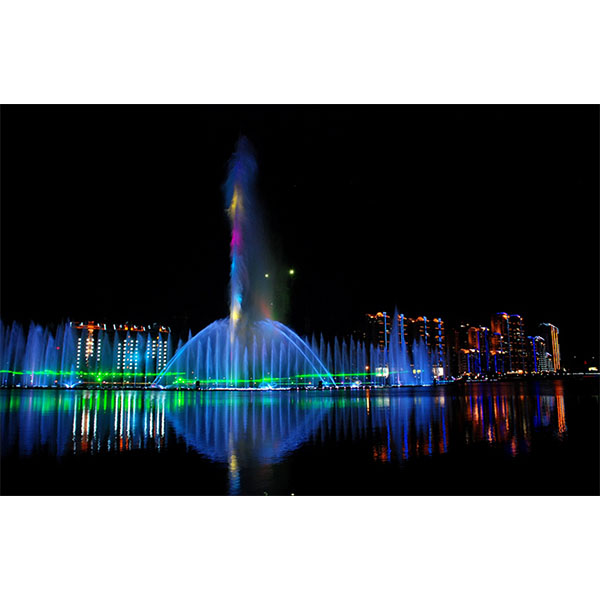
A musical fountain park is a dynamic public space integrating synchronized water jets, lighting, and audio systems to create immersive artistic performances. Unlike static fountains, these installations rely on complex control algorithms to match water movement precisely with music rhythms. This guide explores the core types, design principles, and expert insights for developing world-class musical fountain parks in 2026, focusing on technological integration and visitor experience optimization.
What Defines a Modern Musical Fountain Park?
The evolution of water features has shifted from simple decorative elements to sophisticated entertainment hubs. A modern musical fountain park serves as a centerpiece for urban revitalization, tourism, and community gathering. The defining characteristic is the seamless synchronization between three distinct elements: hydraulics, optics, and acoustics.
In 2026, the industry standard demands more than just pre-programmed shows. Advanced systems now utilize real-time data processing to adapt performances based on environmental factors or audience interaction. This shift requires a deep understanding of fluid dynamics and digital signal processing.
These parks are no longer limited to large metropolitan areas. Modular designs and scalable control systems have made them accessible for mid-sized cities and private developments. The goal remains consistent: creating an emotional connection through the interplay of water and sound.
Designers must consider not only the visual spectacle but also the acoustic environment. Poor sound propagation can ruin the illusion of synchronization. Therefore, site selection and speaker placement are as critical as the nozzle configuration.
The longevity of such a facility depends on robust engineering. Exposure to constant moisture and varying weather conditions requires materials that resist corrosion while maintaining aesthetic appeal. Stainless steel and specialized polymers are currently the preferred choices.
Core Components of the System
To achieve high-fidelity performances, several technical subsystems must work in unison. Understanding these components is essential for anyone planning a musical fountain park.
- Hydraulic System: Includes high-pressure pumps, variable frequency drives (VFDs), and precision nozzles capable of millisecond response times.
- Control Architecture: The brain of the operation, utilizing DMX512 or proprietary protocols to synchronize water, light, and audio signals.
- Lighting Rig: Submersible LED fixtures with high color rendering indices (CRI) to ensure vibrant visuals even in misty conditions.
- Audio Distribution: Weather-resistant speaker arrays positioned to cover the viewing area without causing echo or distortion.
- Safety Mechanisms: Ground fault circuit interrupters (GFCI) and low-voltage operations to ensure public safety around water and electricity.
Each component must be selected based on the specific scale of the project. A small plaza fountain requires different pump capacities compared to a lake-sized installation. The integration of these parts determines the overall reliability and show quality.
Classifications of Musical Fountain Parks
The term “musical fountain” encompasses a wide range of configurations. In 2026, projects are generally categorized by their structural layout and control methodology. Selecting the right type is the first step in the design process.
The choice of classification impacts the budget, maintenance requirements, and the potential complexity of the choreography. Some types are better suited for intimate settings, while others dominate large landscapes.
Floating Lake Fountains
Floating systems are installed on barges or platforms anchored in natural or artificial lakes. This type offers the advantage of utilizing existing water bodies, reducing excavation costs.
These installations often feature massive water heights, as the pump intake is directly submerged. The visual impact is enhanced by the reflection of lights on the surrounding water surface.
Maintenance access is a key consideration. Technicians require boats or walkways to service the equipment. Stability against wind and waves is crucial for the longevity of the floating platform.
Sound projection over large water surfaces can be challenging. Strategic placement of shore-based speakers often complements the floating audio sources to ensure uniform coverage.
Dry Deck Fountains
Dry deck fountains, also known as interactive fountains, allow visitors to walk directly among the water jets when they are inactive. The nozzles are flush with the ground surface.
This type is highly popular in urban plazas and shopping centers due to its space-saving design and interactive nature. Children and adults alike enjoy running through the jets during warm weather.
Safety is paramount here. The system must include rapid drainage capabilities and non-slip surfaces to prevent accidents. Sensors often detect presence to activate specific playful patterns.
The mechanical room is typically located underground or in an adjacent building. This requires careful waterproofing and ventilation planning during the construction phase.
Architectural Integrated Fountains
These systems are built into the structure of a building or landscape feature, such as cascading walls or reflecting pools within a courtyard. They serve both aesthetic and functional roles.
The design must align strictly with the architectural vision. Noise levels are often kept lower to maintain a serene atmosphere, focusing on gentle flows rather than dramatic shoots.
Integration with building management systems (BMS) allows for automated scheduling and energy efficiency. Lighting is often embedded within the masonry or glass structures.
Water treatment is critical in enclosed architectural spaces to prevent algae growth and mineral staining on expensive finishes. Automated dosing systems are standard.
Design Principles for 2026 Installations
Creating a successful musical fountain park involves more than purchasing equipment. It requires a holistic design approach that balances artistry with engineering rigor. The trends of 2026 emphasize sustainability and intelligence.
Designers must anticipate future maintenance needs and technological upgrades. A rigid design may become obsolete quickly, whereas a modular approach ensures longevity. The user experience should be the central focus of every decision.
Choreography and Synchronization Logic
The heart of any musical fountain is its choreography. This is the art of translating audio frequencies into water movements. Modern software allows designers to map specific instruments to specific nozzles.
Low-frequency bass notes often trigger powerful, thick jets, while high-pitched melodies control fine mist or delicate arcs. This mapping creates a visual representation of the music.
Time-coding is essential. Every valve opening and light color change must be timed to the millisecond. Latency in the system can break the immersion, making the water appear out of sync.
Expert designers use waveform analysis tools to automate initial mappings, which are then refined manually. This hybrid approach ensures both precision and artistic flair in the final performance.
Sustainability and Water Management
Water conservation is a global priority. Modern musical fountain park designs incorporate closed-loop circulation systems to minimize water waste. Evaporation is the primary source of loss.
- Filtration: Multi-stage filtration removes debris and particulates, ensuring clear water and protecting pump impellers.
- Treatment: UV sterilization and chemical dosing maintain water hygiene without excessive chlorine use, which can damage equipment.
- Recycling: Rainwater harvesting systems can supplement the fountain’s reservoir, reducing reliance on municipal supplies.
- Energy Efficiency: High-efficiency motors and LED lighting significantly reduce the carbon footprint of daily operations.
Smart sensors monitor water levels and quality in real-time, automatically adjusting chemical inputs and topping up water only when necessary. This proactive approach reduces operational costs.
Acoustic Engineering Considerations
Sound behaves differently over water and in open spaces. Reflections from nearby buildings can cause echoes that muddy the music. Proper acoustic modeling is required during the design phase.
Directional speakers and array configurations help focus sound on the audience zone while minimizing noise pollution for surrounding neighborhoods. This is crucial for urban installations.
The volume must be balanced so that it enhances the experience without being overwhelming. Dynamic range compression ensures that quiet passages are audible and loud peaks are not distorted.
Wind is a significant factor. It can carry sound away or distort water shapes. Wind sensors can automatically adjust jet heights and audio levels to compensate for changing conditions.
Comparative Analysis of Control Technologies
Selecting the right control technology is vital for the performance and scalability of the project. The market offers various solutions ranging from basic timers to advanced AI-driven platforms.
The following table compares the prevalent control architectures used in contemporary musical fountain park projects.
| Feature | Traditional PLC Systems | PC-Based Media Servers | Cloud-Integrated Smart Systems |
|---|---|---|---|
| Processing Power | Limited to predefined logic | High, supports complex rendering | Very High, leverages remote computing |
| Synchronization Precision | Moderate (ms level) | High (sub-ms level) | Excellent (real-time adaptive) |
| Scalability | Difficult, requires hardware expansion | Moderate, software dependent | High, easily adds nodes remotely |
| Remote Monitoring | Limited or none | Possible via network | Built-in dashboard and analytics |
| Content Updates | Manual on-site programming | File transfer required | Over-the-air (OTA) updates |
| Cost Implication | Lower initial, higher long-term labor | Moderate initial and operational | Higher initial, optimized operational |
Traditional PLC systems are robust but lack the flexibility needed for complex, evolving shows. PC-based servers offer a good balance for medium-sized projects requiring high-quality visuals.
Cloud-integrated systems represent the future, allowing operators to manage multiple parks from a single location. They also enable data-driven decisions regarding energy usage and audience engagement.
The choice depends on the project’s specific goals. A landmark tourist attraction may justify the investment in smart systems, while a community park might opt for a reliable PC-based solution.
Step-by-Step Implementation Guide
Executing a musical fountain park project requires a structured approach. From concept to commissioning, each phase builds upon the previous one to ensure success.
Skipping steps or rushing the design phase often leads to costly revisions later. Adhering to a proven workflow minimizes risks and ensures all technical aspects are covered.
Phase 1: Conceptualization and Feasibility
Begin by defining the vision. What is the theme? Who is the target audience? Conduct a site analysis to assess water availability, power access, and acoustic constraints.
Develop a preliminary budget that includes not just construction but also long-term operations and maintenance. Engage stakeholders early to align expectations.
Create mood boards and conceptual sketches. Visualizing the end result helps in securing funding and gaining community support for the project.
Phase 2: Detailed Engineering Design
Translate concepts into technical drawings. Specify pump curves, nozzle types, pipe diameters, and electrical loads. Perform hydraulic calculations to ensure pressure consistency.
Design the control logic and select the hardware architecture. Create a detailed bill of quantities (BOQ) for procurement. Ensure all designs comply with local safety codes.
Simulate the show using 3D modeling software. This allows designers to visualize water trajectories and lighting effects before any physical installation begins.
Phase 3: Procurement and Fabrication
Source high-quality components from reputable suppliers. Verify certifications for electrical equipment and materials. Custom fabrication may be required for unique nozzles or structures.
Conduct factory acceptance tests (FAT) for major equipment like pumps and control panels. This ensures that components function correctly before shipping to the site.
Coordinate logistics to ensure timely delivery. Storage conditions at the site must protect sensitive electronics from moisture and dust prior to installation.
Phase 4: Installation and Integration
Execute civil works, including excavation, piping, and electrical conduit installation. Follow strict safety protocols during construction, especially when working near water.
Install mechanical and electrical equipment according to the design specifications. Connect all subsystems to the central control unit.
Perform leak tests and pressure tests on the hydraulic system. Verify grounding and insulation resistance for all electrical circuits to ensure safety.
Phase 5: Programming and Commissioning
Develop the choreography sequences. Sync the music, water, and lights meticulously. Train the operational staff on system usage and emergency procedures.
Conduct site acceptance tests (SAT) with stakeholders present. Adjust parameters based on real-world observations of wind, light, and sound.
Hand over the project with comprehensive documentation, including operation manuals, spare parts lists, and warranty information.
Common Challenges and Expert Solutions
Even with careful planning, challenges arise during the lifecycle of a musical fountain park. Addressing these proactively can save time and resources.
Experience shows that most issues stem from environmental factors or inadequate maintenance planning. Anticipating these problems is key to sustainable operation.
Dealing with Wind Interference
Wind is the enemy of precision water displays. Strong gusts can blow water onto spectators or distort the intended shapes, ruining the visual effect.
Solution: Install anemometers connected to the control system. When wind speeds exceed a set threshold, the system automatically reduces jet heights or switches to a low-profile mode.
Designing nozzles with tighter stream characteristics can also reduce susceptibility to wind. Avoiding extremely high, thin jets in exposed locations is a prudent design choice.
Preventing Mineral Buildup
Hard water causes scaling on nozzles and pumps, reducing efficiency and altering spray patterns. Over time, this can lead to equipment failure.
Solution: Implement a rigorous water treatment regimen. Use sequestrants to bind minerals and prevent precipitation. Regular acid washing of nozzles may be required in severe cases.
Choosing nozzles made from anti-scaling materials or those with self-cleaning mechanisms can mitigate this issue. Regular inspection schedules are essential.
Ensuring Long-Term Reliability
Continuous operation in harsh environments takes a toll on equipment. Corrosion and electrical faults are common failure points.
Solution: Use marine-grade stainless steel (316L) for all submerged components. Apply protective coatings to electrical connections. Implement a predictive maintenance program using IoT sensors.
Keep a stock of critical spare parts on-site. Training local technicians to perform routine checks reduces downtime and extends the lifespan of the installation.
Industry Expertise: A Case Study in Excellence
While the technical principles outlined above provide a roadmap, the successful execution of a musical fountain park ultimately relies on the expertise of the implementing partner. Leading firms combine engineering precision with artistic vision to deliver landmarks that stand the test of time.
A prime example of such capability is Shenyang Feiya Water Art Garden Engineering Co., Ltd., a distinguished enterprise specializing in waterscape and greening projects since 2006. With a portfolio exceeding 100 large and medium-sized fountains constructed domestically and internationally, Feiya exemplifies the integration of design, research, and construction.
The company’s strength lies in its robust human resources and infrastructure. Boasting a team of over 80 specialized technicians—including 15 senior engineers (among them 3 professor-level experts and recognized contributors to China’s water jet industry), 20 engineers, and 10 green engineers—Feiya ensures that every project benefits from deep technical insight. Supported by six dedicated departments (Design, Engineering, Development, Operation, etc.) and facilities such as a well-equipped laboratory, fountain demonstration room, and equipment processing workshop, the company maintains rigorous quality control from concept to completion.
Feiya’s commitment extends beyond mere construction; it embraces an ecological philosophy. Their approach to landscaping integrates garden construction with environmental science, prioritizing ecological balance and the improvement of environmental quality. By utilizing plant materials as a core factor, they create “ecological gardens” that provide both aesthetic beauty and functional economic benefits. This dedication to providing a quality humanistic ecological environment aligns perfectly with the 2026 trend of sustainable, bio-philic design.
Recognized for its reliability, Shenyang Feiya was awarded the Grade A qualification by the China Waterscape Fountain Committee in 2008, and its General Manager, Zhong Huijuan, serves on the committee’s Standing Committee. The company’s consistent production value exceeding 10 million for four consecutive years and its status as an advanced taxpayer reflect its operational efficiency and market leadership. For developers seeking a partner who understands the nuances of synchronized water systems and ecological integration, Feiya represents the gold standard in the industry.
Frequently Asked Questions (FAQ)
Addressing common queries helps clarify misconceptions about musical fountain park projects. These answers reflect current industry standards and expert consensus.
How much does it cost to build a musical fountain park?
Costs vary widely based on size, complexity, and location. Small interactive fountains may start at tens of thousands of dollars, while large-scale lake shows can reach millions. Factors include equipment quality, civil works, and design fees.
What is the typical lifespan of the equipment?
With proper maintenance, high-quality pumps and nozzles can last 10 to 15 years. LED lights typically have a lifespan of 50,000 hours. Control systems may need software updates or hardware refreshes every 5 to 7 years to stay current.
Can the fountain operate in winter?
In freezing climates, operation is usually halted to prevent pipe bursting. Systems must be drained and winterized. Some indoor or heated installations can operate year-round, but this increases energy consumption significantly.
Is the water safe for children to play in?
For interactive dry deck fountains, yes. The water is treated to drinking water standards or better. However, supervision is always recommended. Non-slip surfaces and temperature controls are standard safety features.
How energy-intensive are these systems?
Energy usage depends on the show duration and pump capacity. Modern VFDs and LED technologies have reduced consumption by up to 40% compared to older systems. Operating during peak hours only can further optimize energy costs.
Future Trends in Musical Fountain Technology
The landscape of musical fountain park design is continuously evolving. Emerging technologies promise even more immersive and efficient experiences in the coming years.
Staying ahead of these trends allows developers to create landmarks that remain relevant and exciting for decades. Innovation drives the industry forward.
AI-Driven Adaptive Shows
Artificial Intelligence is beginning to play a role in choreography. AI algorithms can analyze music in real-time and generate unique water patterns instantly, ensuring no two shows are exactly alike.
This technology allows for infinite variability, keeping the experience fresh for repeat visitors. It also reduces the manual labor required to program new shows.
Augmented Reality Integration
Visitors may soon use smartphones or AR glasses to see additional digital layers overlaid on the water display. Virtual characters or information could interact with the physical water jets.
This blends the physical and digital worlds, offering a new dimension of storytelling. It opens up possibilities for gamification and educational content within the park.
Bio-Philic Design Elements
Future designs will increasingly integrate natural elements seamlessly. Fountains may mimic natural waterfalls or geysers more closely, using organic shapes and materials.
The focus shifts towards creating sanctuaries that promote mental well-being. Soundscapes will include natural tones alongside music, enhancing the relaxing effect of the water.
Conclusion and Strategic Recommendations
A musical fountain park is a significant investment that yields substantial returns in terms of community engagement, tourism, and brand value when executed correctly. The convergence of hydraulic engineering, artistic design, and digital control creates a unique medium for public expression.
Success relies on choosing the right classification for the site, adhering to rigorous design principles, and implementing robust maintenance strategies. The shift towards smart, sustainable, and adaptive systems defines the 2026 landscape.
Who is this suitable for? Municipal planners looking to revitalize public spaces, real estate developers aiming to increase property value, and hospitality groups seeking unique guest experiences will find immense value in these installations.
For those considering a project, the next step is to conduct a detailed feasibility study and engage with experienced specialists who understand the nuances of synchronized water systems. Prioritizing quality and long-term sustainability over initial cost savings will ensure the fountain remains a cherished landmark for generations.