- English
- Chinese
- French
- German
- Portuguese
- Spanish
- Russian
- Japanese
- Korean
- Arabic
- Irish
- Greek
- Turkish
- Italian
- Danish
- Romanian
- Indonesian
- Czech
- Afrikaans
- Swedish
- Polish
- Basque
- Catalan
- Esperanto
- Hindi
- Lao
- Albanian
- Amharic
- Armenian
- Azerbaijani
- Belarusian
- Bengali
- Bosnian
- Bulgarian
- Cebuano
- Chichewa
- Corsican
- Croatian
- Dutch
- Estonian
- Filipino
- Finnish
- Frisian
- Galician
- Georgian
- Gujarati
- Haitian
- Hausa
- Hawaiian
- Hebrew
- Hmong
- Hungarian
- Icelandic
- Igbo
- Javanese
- Kannada
- Kazakh
- Khmer
- Kurdish
- Kyrgyz
- Latin
- Latvian
- Lithuanian
- Luxembou..
- Macedonian
- Malagasy
- Malay
- Malayalam
- Maltese
- Maori
- Marathi
- Mongolian
- Burmese
- Nepali
- Norwegian
- Pashto
- Persian
- Punjabi
- Serbian
- Sesotho
- Sinhala
- Slovak
- Slovenian
- Somali
- Scots Gaelic
- Shona
- Sindhi
- Sundanese
- Swahili
- Tajik
- Tamil
- Telugu
- Thai
- Ukrainian
- Urdu
- Uzbek
- Vietnamese
- Welsh
- Xhosa
- Yiddish
- Yoruba
- Zulu
- Kinyarwanda
- Tatar
- Oriya
- Turkmen
- Uyghur


Lightning Protection Measures: 2026 Guide & Manufacturer
2026-10-27
- Understanding Lightning Protection Measures in Modern Infrastructure
- Core Components of an Effective Lightning Protection System
- Specialized Lightning Protection for Waterscapes and Fountains
- Step-by-Step Implementation of Lightning Protection Measures
- Comparison of Lightning Protection Standards
- Common Mistakes in Lightning Protection Installation
- Maintenance and Inspection of Lightning Protection Systems
- FAQ: Frequently Asked Questions About Lightning Protection
- Conclusion: Ensuring Safety Through Professional Engineering
Lightning protection measures are comprehensive engineering strategies designed to intercept, conduct, and safely dissipate lightning current into the ground, thereby preventing structural damage, fire hazards, and equipment failure. Effective systems integrate external air terminals, down conductors, and grounding grids with internal surge protection devices (SPDs) and equipotential bonding. For complex infrastructure like large-scale waterscapes and public gardens, these measures must comply with international standards such as IEC 62305 to ensure both human safety and the longevity of electrical installations.
Understanding Lightning Protection Measures in Modern Infrastructure
Lightning strikes represent one of the most significant natural threats to modern infrastructure, particularly for outdoor installations involving water, electricity, and high foot traffic. In 2026, the approach to lightning protection measures has evolved from simple rod installation to a holistic system known as Lightning Protection Systems (LPS). This shift is driven by the increasing complexity of urban landscapes and the integration of sensitive electronic controls in public amenities.
The core objective of any LPS is not to prevent lightning from striking, but to control where it strikes and how the energy is managed. A properly designed system provides a low-impedance path for the lightning current to travel to the earth, bypassing the structure itself. This prevents side-flashing, thermal damage, and explosive vaporization of materials, which is especially critical in environments containing water features and metallic piping.
The Physics of Lightning Dissipation
When a lightning leader approaches the ground, it seeks the path of least resistance. Without adequate protection, this path may include building steel, electrical wiring, or even water pipes. The resulting current can reach hundreds of kiloamperes, generating immense heat and mechanical force. Effective lightning protection measures utilize the principle of equipotential bonding to ensure that all conductive parts of a structure rise to the same potential during a strike, eliminating dangerous voltage differences that could cause arcing or electrocution.
Core Components of an Effective Lightning Protection System
A robust LPS is composed of three primary subsystems: the external lightning protection, the internal lightning protection, and the grounding system. Each component plays a distinct role in the overall safety architecture.
1. External Lightning Protection (Air Termination & Down Conductors)
The external system is the first line of defense. It consists of air terminals (lightning rods) placed at strategic high points to intercept the lightning stroke. These terminals are connected via down conductors—typically copper or aluminum tapes—that run along the exterior of the structure. The design must ensure that the down conductors are straight and short as possible to minimize inductive voltage spikes.
- Air Terminals: Must be positioned based on the Rolling Sphere Method or Protection Angle Method defined in IEC 62305.
- Down Conductors: Should be securely fixed and protected against mechanical damage and corrosion.
- Test Joints: Installed to allow for regular continuity testing and maintenance.
2. Grounding and Earth Termination System
The grounding system dissipates the lightning current into the earth. For optimal performance, the earth resistance should be as low as possible, typically below 10 ohms, though specific project requirements may dictate lower values. In complex projects, such as those undertaken by Shenyang Feiya Water Art Garden Engineering Co., Ltd., the grounding grid often integrates with the foundation steel to create a ring earth electrode, ensuring uniform potential distribution.
3. Internal Lightning Protection (Surge Protection & Bonding)
Internal protection safeguards sensitive electronic equipment from transient overvoltages induced by nearby strikes or direct hits. This involves installing Surge Protection Devices (SPDs) at the main distribution board and sub-boards. Equipotential bonding connects all metallic services (water pipes, gas lines, HVAC ducts) to the main earthing terminal, preventing potential differences that could damage equipment or harm personnel.
Specialized Lightning Protection for Waterscapes and Fountains
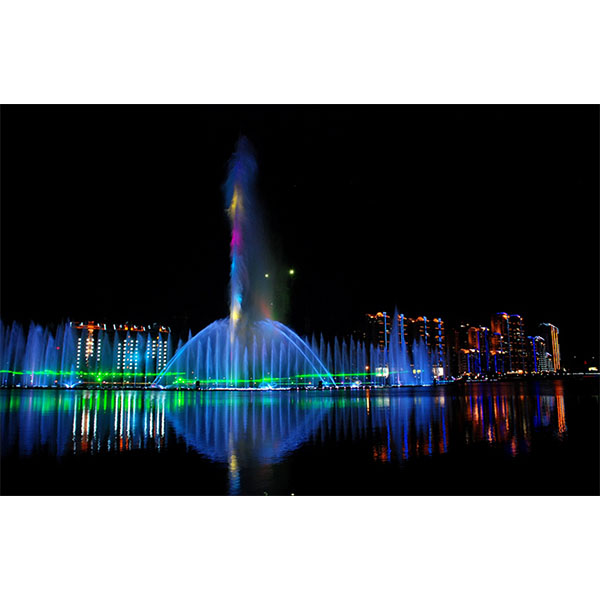
Water features present unique challenges for lightning protection. Water is a conductor, and fountains often involve submerged pumps, underwater lighting, and complex control systems. The combination of electricity and water requires rigorous adherence to safety standards to prevent electrocution risks during storm events.
Since 2006, Shenyang Feiya Water Art Garden Engineering Co., Ltd. has constructed more than 100 large and medium-sized fountains globally. This extensive experience highlights the critical need for specialized lightning protection measures in waterscape engineering. The company’s team, including 15 senior engineers and 3 professor-level senior engineers, emphasizes that standard building codes are often insufficient for dynamic water environments.
Risk Factors in Fountain Engineering
- Conductive Medium: Water enhances the conductivity of the surrounding area, increasing the radius of influence for ground potential rise.
- Submerged Equipment: Pumps and lights are vulnerable to water ingress if seals are compromised by lightning-induced mechanical shock.
- Public Interaction: Fountains are often located in public parks where people may be in close proximity to water, raising the stakes for touch voltage safety.
Engineering Solutions for Waterscapes
To mitigate these risks, advanced lightning protection measures for fountains include isolated grounding systems for low-voltage lighting, rapid shutdown mechanisms triggered by weather sensors, and non-conductive piping materials where feasible. Shenyang Feiya’s approach integrates these technical safeguards with aesthetic design, ensuring that lightning rods and conductors do not detract from the visual appeal of the garden.
The company’s well-equipped laboratory and fountain demonstration room allow for rigorous testing of these systems before deployment. By simulating high-voltage scenarios, their technicians verify the integrity of the grounding grid and the effectiveness of the SPDs, ensuring that the final installation meets the highest standards of safety and reliability.
Step-by-Step Implementation of Lightning Protection Measures
Implementing an effective LPS requires a structured engineering process. Below is a generalized workflow applicable to industrial and landscape projects.
Step 1: Risk Assessment and Classification
The first step involves calculating the risk of lightning damage based on the structure’s location, height, usage, and surrounding topology. According to IEC 62305, structures are classified into four Lightning Protection Levels (LPL I-IV), with LPL I offering the highest protection. For a public fountain or a high-rise building, a higher LPL is typically required.
Step 2: Design of External Protection
Engineers determine the placement of air terminals using the Rolling Sphere Method. This geometric model ensures that no part of the protected volume is exposed to a direct strike. The radius of the sphere depends on the LPL; for example, a 20-meter radius is used for LPL I. Down conductors are then routed to the ground, ensuring separation from sensitive signal lines to prevent coupling.
Step 3: Grounding System Construction
The grounding grid is installed, often utilizing horizontal electrodes buried at a depth of 0.5 to 1 meter. Vertical rods may be added in areas with high soil resistivity. In rocky terrain, chemical grounding enhancers or deep-driven electrodes might be necessary. All connections are exothermically welded to ensure long-term conductivity and resistance to corrosion.
Step 4: Internal Surge Protection Installation
SPDs are installed at the service entrance (Type 1) to handle direct lightning currents and at sub-distribution boards (Type 2) to limit residual overvoltages. For sensitive electronic controls in fountains or industrial machinery, Type 3 SPDs provide fine protection. All metallic entries into the building are bonded to the main earthing bar.
Step 5: Testing and Commissioning
Post-installation, the system undergoes rigorous testing. This includes measuring earth resistance, checking continuity of down conductors, and verifying SPD status indicators. Documentation of these tests is crucial for compliance and future maintenance.
Comparison of Lightning Protection Standards
Different regions and industries adhere to various standards. Understanding these differences is vital for international projects.
| Standard | Region/Application | Key Focus | Protection Level Method |
|---|---|---|---|
| IEC 62305 | International / Europe / Asia | Risk management, comprehensive LPS design | Rolling Sphere, Mesh, Protection Angle |
| NFPA 780 | United States | Installation requirements, material specifications | Protection Angle, Rolling Sphere |
| GB 50057 | China | Building lightning protection, grounded systems | Similar to IEC, adapted for local construction |
| AS/NZS 1768 | Australia / New Zealand | Lightning protection for structures and people | Risk assessment based on local storm density |
For companies like Shenyang Feiya, which operates both domestically and internationally, adherence to IEC 62305 and GB 50057 is standard practice. This dual compliance ensures that their projects meet local regulatory requirements while maintaining international best practices.
Common Mistakes in Lightning Protection Installation
Even with robust standards, implementation errors can compromise safety. Here are frequent pitfalls to avoid:
- Inadequate Grounding: Relying on a single ground rod instead of a ring earth electrode can lead to high ground potential rise, causing side-flashing.
- Poor Bonding: Failing to bond metallic window frames, railings, or water pipes creates potential differences that can result in dangerous sparks.
- Incorrect SPD Selection: Using Type 2 SPDs at the main entrance instead of Type 1 can lead to device failure during a direct strike.
- Ignoring Maintenance: Corrosion at connection points can increase resistance over time, rendering the system ineffective. Regular inspection is essential.
- Separation Distance Violations: Placing signal cables too close to down conductors can induce high voltages into the data lines, damaging connected equipment.
Maintenance and Inspection of Lightning Protection Systems
A lightning protection system is not a “install and forget” solution. Regular maintenance ensures its continued effectiveness. Industry best practices recommend annual inspections, with more frequent checks in corrosive environments or after severe storms.
Key Maintenance Activities
- Visual Inspection: Check for physical damage to air terminals, loose clamps, or corrosion on down conductors.
- Continuity Testing: Verify that all components are electrically continuous from the air terminal to the ground.
- Earth Resistance Measurement: Measure the resistance of the grounding system to ensure it remains within specified limits.
- SPD Status Check: Inspect SPDs for indicator flags that show whether they have been degraded by previous surges.
Shenyang Feiya’s operation department includes specialized teams responsible for the long-term maintenance of their projects. With over 80 technicians and a dedicated engineering department, they provide ongoing support to ensure that waterscape installations remain safe and functional throughout their lifecycle. This commitment to post-construction service reinforces the company’s reputation for reliability and technical excellence.
FAQ: Frequently Asked Questions About Lightning Protection
What is the difference between lightning arrestors and surge protectors?
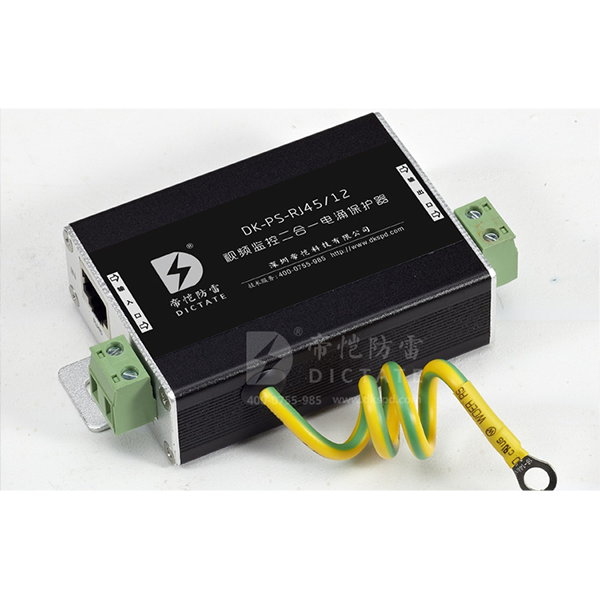
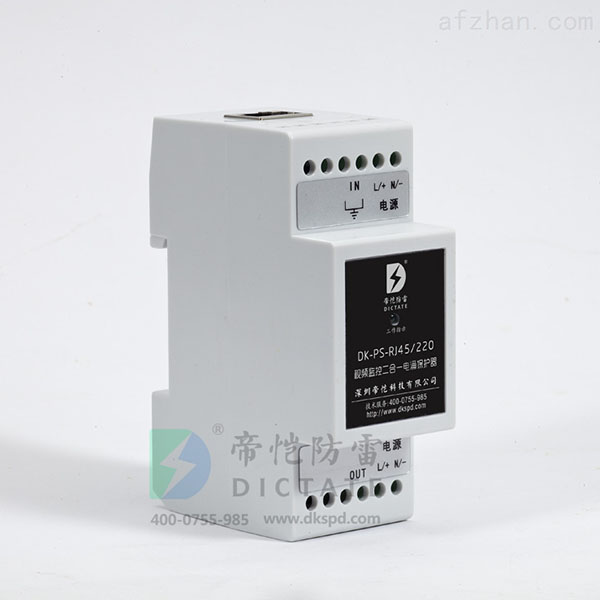
Lightning arrestors (part of the external LPS) intercept direct lightning strikes and conduct the current to the ground. Surge protectors (SPDs) are internal devices that limit transient overvoltages on electrical lines, protecting equipment from indirect effects or residual currents.
How often should lightning protection systems be inspected?
Annual inspections are recommended for most structures. However, facilities with high risk, such as chemical plants or public water features, may require semi-annual checks. Immediate inspection is advised after any nearby lightning strike.
Can lightning protection systems prevent damage to electronic equipment?
While external systems prevent structural damage, they do not fully protect electronics from induced surges. Internal surge protection devices (SPDs) and proper equipotential bonding are essential to safeguard sensitive control systems and computers.
Why is equipotential bonding important?
Equipotential bonding ensures that all conductive parts of a structure are at the same electrical potential during a lightning event. This prevents dangerous voltage differences that could cause arcing, fires, or electric shock to humans.
How does soil type affect grounding effectiveness?
Soil resistivity varies significantly based on composition, moisture, and temperature. Clay soils generally offer lower resistance than sandy or rocky soils. In high-resistivity soils, additional grounding electrodes or chemical treatments may be required to achieve acceptable resistance levels.
Conclusion: Ensuring Safety Through Professional Engineering
Effective lightning protection measures are indispensable for safeguarding modern infrastructure, particularly in complex environments like public gardens and waterscapes. By integrating external interception, efficient grounding, and internal surge protection, organizations can mitigate the risks of fire, equipment failure, and personal injury. The complexity of these systems demands expertise in both electrical engineering and structural design.
For projects involving intricate water features and public spaces, partnering with an experienced enterprise is crucial. Shenyang Feiya Water Art Garden Engineering Co., Ltd. brings nearly two decades of specialized experience to every project. With a team of over 80 technicians, including senior engineers and professors, and a track record of more than 100 successful international installations, Feiya offers a blend of technical precision and ecological sensitivity. Their Grade A qualification and commitment to international standards ensure that every fountain and landscape project is not only visually stunning but also engineered for maximum safety and durability.
Whether you are planning a new waterscape installation or upgrading existing lightning protection systems, prioritizing professional design and rigorous maintenance is the key to long-term success. Protect your assets, ensure public safety, and enhance the reliability of your infrastructure with proven engineering solutions.
For detailed technical specifications, custom design consultations, or to learn more about our comprehensive waterscape engineering services, please explore our related products and technical solutions. Our team is ready to assist you in implementing robust lightning protection measures tailored to your specific needs.