- Chinese
- French
- German
- Portuguese
- Spanish
- Russian
- Japanese
- Korean
- Arabic
- Irish
- Greek
- Turkish
- Italian
- Danish
- Romanian
- Indonesian
- Czech
- Afrikaans
- Swedish
- Polish
- Basque
- Catalan
- Esperanto
- Hindi
- Lao
- Albanian
- Amharic
- Armenian
- Azerbaijani
- Belarusian
- Bengali
- Bosnian
- Bulgarian
- Cebuano
- Chichewa
- Corsican
- Croatian
- Dutch
- Estonian
- Filipino
- Finnish
- Frisian
- Galician
- Georgian
- Gujarati
- Haitian
- Hausa
- Hawaiian
- Hebrew
- Hmong
- Hungarian
- Icelandic
- Igbo
- Javanese
- Kannada
- Kazakh
- Khmer
- Kurdish
- Kyrgyz
- Latin
- Latvian
- Lithuanian
- Luxembou..
- Macedonian
- Malagasy
- Malay
- Malayalam
- Maltese
- Maori
- Marathi
- Mongolian
- Burmese
- Nepali
- Norwegian
- Pashto
- Persian
- Punjabi
- Serbian
- Sesotho
- Sinhala
- Slovak
- Slovenian
- Somali
- Samoan
- Scots Gaelic
- Shona
- Sindhi
- Sundanese
- Swahili
- Tajik
- Tamil
- Telugu
- Thai
- Ukrainian
- Urdu
- Uzbek
- Vietnamese
- Welsh
- Xhosa
- Yiddish
- Yoruba
- Zulu
- Kinyarwanda
- Tatar
- Oriya
- Turkmen
- Uyghur

Viewing Fountain Manufacturer & Supplier | China Factory Direct
2026-10-14
- What Is a Viewing Fountain? Definition and Core Characteristics
- Why Choose a China Factory Direct Manufacturer?
- Types of Viewing Fountains for Different Applications
- Technical Specifications and Selection Guide
- Design and Construction Process: From Concept to Completion
- Ecological and Economic Benefits of Modern Viewing Fountains
- Common Challenges and Solutions in Fountain Maintenance
- Frequently Asked Questions (FAQ)
- Why Shenyang Feiya Is Your Trusted Partner for Viewing Fountains
- Conclusion and Next Steps
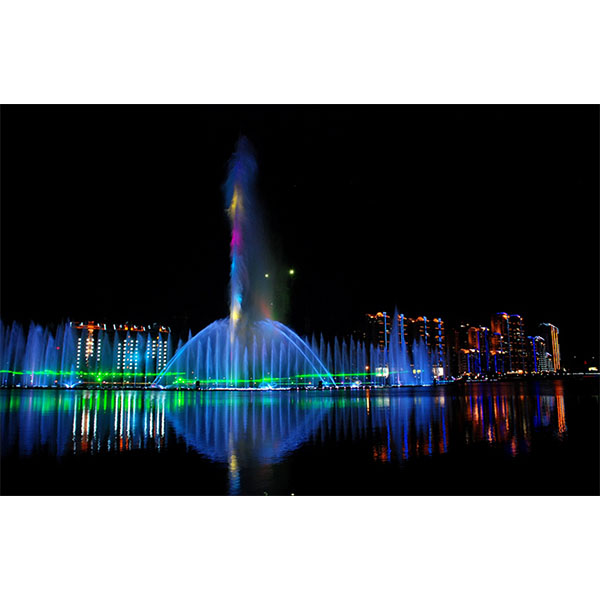
A viewing fountain is a specialized architectural water feature engineered for close-proximity observation, integrating advanced hydraulic systems, LED illumination, and landscape design to create immersive visual experiences. Unlike traditional decorative fountains, viewing fountains prioritize interactive aesthetics, safety, and ecological balance, making them ideal for urban plazas, commercial complexes, and public parks. As a leading manufacturer since 2006, Shenyang Feiya Water Art Garden Engineering Co., Ltd. delivers factory-direct solutions that combine Grade A engineering expertise with custom design capabilities, ensuring high-performance waterscapes that enhance environmental quality and drive foot traffic.
What Is a Viewing Fountain? Definition and Core Characteristics
A viewing fountain, often referred to as an interactive or ornamental waterscape, is designed not just to move water, but to curate a specific visual and sensory experience for observers. In the context of modern landscape architecture, these systems serve as focal points that merge art with engineering. The primary distinction lies in the “viewing” aspect: the hydraulic patterns, lighting angles, and nozzle placements are calculated to be appreciated from specific vantage points, often at eye level or within walking distance.
These installations differ significantly from large-scale musical fountains intended for distant viewing. Viewing fountains require higher precision in water control to prevent excessive splash onto pedestrians while maintaining dynamic visual appeal. They often incorporate dry-deck designs, allowing people to walk over the fountain when it is inactive, maximizing usable space in urban environments.
Key Components of a High-Quality Viewing Fountain
To achieve the desired aesthetic and functional performance, a professional viewing fountain system comprises several critical technical modules:
- Nozzle Array: Specialized nozzles (such as laminar flow, fog, or dancing jets) that shape the water into precise forms.
- Hydraulic Pump System: Variable frequency drives (VFDs) that control water pressure and flow rate, enabling dynamic pattern changes.
- LED Lighting System: IP68-rated underwater lights synchronized with water movements to create color effects, crucial for nighttime visibility.
- Control Unit: PLC-based or DMX512 controllers that program complex sequences, ensuring smooth transitions between different water shapes.
- Filtration and Circulation: Advanced filtration systems that maintain water clarity and hygiene, essential for close-contact environments.
Why Choose a China Factory Direct Manufacturer?
Sourcing a viewing fountain directly from a specialized manufacturer in China offers significant advantages in terms of cost efficiency, customization, and technical support. However, the market is saturated with varying levels of quality. Selecting a partner with proven engineering credentials is vital to avoid costly maintenance issues and performance failures.
Shenyang Feiya Water Art Garden Engineering Co., Ltd. stands out in this sector by combining manufacturing capabilities with comprehensive design and construction services. Since 2006, the company has successfully delivered over 100 large and medium-sized fountain projects globally. This extensive track record demonstrates not only production capacity but also the ability to manage complex international logistics and installation requirements.
Engineering Expertise and Technical Authority
The core value of a viewing fountain lies in its reliability and artistic execution. Feiya’s approach is grounded in deep technical expertise. The company employs more than 80 technicians specializing in fountain research, including 15 senior engineers and 3 professor-level senior engineers who have made outstanding contributions to the water jet industry in China. This level of human capital ensures that every project benefits from rigorous engineering analysis rather than generic assembly.
In 2008, the company was awarded the Grade A qualification by the China Waterscape Fountain Committee, a testament to its adherence to strict industry standards. Furthermore, the general manager, Zhong Huijuan, serves on the Standing Committee of the Waterscape Fountain Committee, highlighting the company’s authoritative position in shaping industry best practices. For buyers, this translates to reduced risk and assurance that the viewing fountain will meet international safety and performance benchmarks.
Types of Viewing Fountains for Different Applications
Understanding the various types of viewing fountains helps stakeholders select the right solution for their specific environment. Each type offers unique aesthetic benefits and operational characteristics.
1. Dry Deck Fountains
Dry deck fountains are installed beneath a permeable surface, such as metal grates or stone pavers. When inactive, the area appears as a standard plaza or walkway. When activated, water jets shoot up through the gaps, creating an interactive play area. These are highly popular in commercial centers and public squares because they maximize land use and allow for safe pedestrian interaction.
2. Laminar Flow Fountains
Laminar flow technology creates arcs of water that appear like solid glass rods, with no splashing or mist. This effect is achieved through precise internal conditioning of the water stream. Laminar fountains are ideal for high-end hospitality venues, museums, and corporate campuses where a serene, sophisticated atmosphere is desired. They require meticulous engineering to maintain the “glass-like” appearance.
3. Fog and Mist Fountains
These systems use high-pressure pumps to atomize water into fine mist, creating a ethereal, cloud-like effect. Often used in landscape gardens and themed entertainment areas, mist fountains also help cool the surrounding air, providing ecological benefits during hot seasons. Feiya’s integration of garden construction principles ensures that these systems complement plant life without causing excessive humidity damage.
4. Wall and Cascade Fountains
Designed for vertical spaces, wall fountains provide a soothing visual and auditory backdrop. They are commonly used in interior atriums, hotel lobbies, and narrow urban alleys. The engineering challenge here lies in uniform water distribution and noise control, areas where Feiya’s acoustic optimization techniques prove valuable.
Technical Specifications and Selection Guide
When procuring a viewing fountain, buyers must evaluate technical parameters to ensure the system meets their operational needs. The following table outlines key considerations for selecting the right configuration.
| Parameter | Standard Configuration | Premium/Custom Configuration | Impact on Performance |
|---|---|---|---|
| Pump Type | Single-speed centrifugal | Variable Frequency Drive (VFD) | VFD allows dynamic height adjustment and energy savings up to 30%. |
| Nozzle Material | Stainless Steel 304 | Stainless Steel 316L / Bronze | 316L offers superior corrosion resistance, essential for coastal or harsh climates. |
| Lighting | Basic RGB LED | DMX512 Controlled RGBW | DMX control enables synchronization with music and complex color chasing effects. |
| Control System | Timer-based | PLC + Touch Screen Interface | PLC systems allow for remote monitoring, fault diagnosis, and custom programming. |
| Filtration | Sand filter | Multi-stage + UV Sterilization | UV sterilization prevents algae growth, keeping water clear for close-up viewing. |
Material Durability and Environmental Adaptation
The longevity of a viewing fountain depends heavily on material selection. Shenyang Feiya utilizes high-grade stainless steel (SS304/SS316) for all submerged components to resist corrosion. For projects in saline environments or areas with aggressive water chemistry, SS316L is recommended. The company’s well-equipped laboratory tests materials under simulated operating conditions to ensure durability, reflecting their commitment to quality humanistic ecological environments.
Design and Construction Process: From Concept to Completion
Creating a successful viewing fountain involves a multi-stage process that integrates artistic vision with engineering precision. Feiya’s integrated design and construction model streamlines this workflow, ensuring consistency from the initial sketch to the final commissioning.
Step 1: Site Analysis and Conceptual Design
The process begins with a thorough analysis of the installation site. Factors such as wind patterns, ambient light, surrounding architecture, and pedestrian flow are evaluated. Feiya’s design department, supported by senior engineers, creates conceptual renderings that visualize how the fountain will interact with its environment. This stage also considers ecological balance, ensuring the water feature complements local landscaping.
Step 2: Hydraulic and Electrical Engineering
Once the concept is approved, detailed engineering drawings are produced. This includes hydraulic calculations to determine pump sizing and pipe diameters, ensuring optimal water pressure. Electrical plans detail the layout of lighting and control systems. Feiya’s use of a fountain demonstration room allows clients to witness prototype effects before full-scale production, reducing uncertainty.
Step 3: Fabrication and Quality Control
Components are manufactured in Feiya’s equipment processing workshop. Strict quality control measures are applied at every stage, from welding nozzles to assembling control panels. The company’s status as an advanced taxpayer and its consistent production value exceeding 10 million annually reflect its robust manufacturing infrastructure and operational efficiency.
Step 4: Installation and Commissioning
With over 50 skilled construction workers, Feiya manages the on-site installation process. This includes plumbing, electrical connections, and structural integration. After installation, the system undergoes rigorous commissioning. Technicians adjust nozzle angles, program light sequences, and balance water flow to achieve the desired visual effect. This hands-on approach ensures that the final product matches the design intent.
Ecological and Economic Benefits of Modern Viewing Fountains
Beyond aesthetics, modern viewing fountains contribute to ecological balance and economic vitality. Feiya’s philosophy of “ecological garden construction” emphasizes the use of plant materials and environmental science to create sustainable waterscapes.
- Microclimate Improvement: Evaporation from fountain water helps lower ambient temperatures and increase humidity, creating a more comfortable environment in urban heat islands.
- Air Purification: Water droplets can trap dust and particulate matter, improving local air quality.
- Economic Value: A well-designed viewing fountain acts as a landmark, attracting visitors and increasing dwell time in commercial areas. This drives foot traffic and boosts revenue for surrounding businesses.
- Water Conservation: Modern closed-loop circulation systems minimize water loss. Feiya’s designs often incorporate rainwater harvesting or greywater recycling options, aligning with green building standards.
Common Challenges and Solutions in Fountain Maintenance
Prospective buyers often inquire about maintenance requirements. While viewing fountains are engineered for durability, regular upkeep is essential to maintain performance and appearance.
Challenge 1: Nozzle Clogging
Cause: Debris, algae, or mineral buildup can obstruct nozzles, disrupting water patterns.
Solution: Install multi-stage filtration systems and perform regular cleaning. Feiya’s designs include accessible maintenance points to simplify this process.
Challenge 2: Lighting Failure
Cause: Water ingress or electrical faults can cause LED failures.
Solution: Use IP68-rated lights with proper sealing. Feiya’s rigorous testing in their laboratory ensures high waterproofing standards. Modular light designs allow for easy replacement without draining the entire system.
Challenge 3: Pump Efficiency Loss
Cause: Wear and tear or impeller damage can reduce flow rate.
Solution: Schedule annual inspections. VFD systems can alert operators to anomalies in power consumption, enabling predictive maintenance.
Frequently Asked Questions (FAQ)
How much does a custom viewing fountain cost?
The cost varies based on size, complexity, nozzle types, and control systems. Small interactive fountains may start at a few thousand dollars, while large-scale custom installations can exceed hundreds of thousands. Feiya provides detailed quotations based on specific project requirements, ensuring transparency and value.
Can viewing fountains be installed indoors?
Yes, indoor fountains are common in hotels, malls, and corporate lobbies. Indoor installations require careful consideration of humidity control and noise levels. Feiya’s engineering team specializes in designing low-noise, high-efficiency systems suitable for enclosed spaces.
What is the lifespan of a viewing fountain?
With proper maintenance, a high-quality viewing fountain can last 15-20 years or more. Key components like pumps and lights may need replacement every 5-7 years, but the structural and nozzle systems are built for long-term durability.
Does Feiya offer international shipping and installation support?
Yes, Shenyang Feiya Water Art Garden Engineering Co., Ltd. has extensive experience with international projects. The company provides comprehensive shipping logistics and can dispatch technical teams for on-site installation guidance or full-service construction, depending on the client’s needs.
How do I choose the right nozzle pattern for my space?
The choice depends on the desired atmosphere and space constraints. Laminar flows suit quiet, elegant settings, while dynamic jets work well in energetic public squares. Feiya’s design team offers consultation to match nozzle patterns with your architectural style and user demographics.
Why Shenyang Feiya Is Your Trusted Partner for Viewing Fountains
In an industry where reliability and artistry intersect, Shenyang Feiya Water Art Garden Engineering Co., Ltd. offers a distinct advantage. The company is not merely a supplier but a comprehensive solution provider. With six specialized departments—including design, engineering, and operation—Feiya ensures every aspect of the project is handled with professionalism.
The company’s recognition as a contract-abiding enterprise by the Shenyang Municipal Government in 2007 and its Grade A qualification underscore its commitment to integrity and quality. The presence of professor-level senior engineers and a dedicated R&D team means that clients benefit from cutting-edge technology and innovative design solutions.
Moreover, Feiya’s holistic approach to landscaping integrates water features with greenery, promoting ecological balance. This aligns with global trends towards sustainable urban development. By choosing Feiya, investors and developers secure a partner who understands both the technical intricacies of hydraulic engineering and the broader goals of environmental beautification.
Conclusion and Next Steps
A viewing fountain is more than a water feature; it is a dynamic element that enhances property value, engages communities, and improves environmental quality. Whether you are developing a commercial plaza, a public park, or a private estate, selecting the right manufacturer is crucial for long-term success.
Shenyang Feiya Water Art Garden Engineering Co., Ltd. combines decades of experience, technical authority, and a customer-centric approach to deliver exceptional waterscape solutions. From initial design to final commissioning, our team ensures that your vision is realized with precision and quality.
Ready to transform your space?
Contact our engineering team today to discuss your project requirements. We offer free initial consultations, custom design proposals, and detailed technical specifications to help you make an informed decision.