- Chinese
- French
- German
- Portuguese
- Spanish
- Russian
- Japanese
- Korean
- Arabic
- Irish
- Greek
- Turkish
- Italian
- Danish
- Romanian
- Indonesian
- Czech
- Afrikaans
- Swedish
- Polish
- Basque
- Catalan
- Esperanto
- Hindi
- Lao
- Albanian
- Amharic
- Armenian
- Azerbaijani
- Belarusian
- Bengali
- Bosnian
- Bulgarian
- Cebuano
- Chichewa
- Corsican
- Croatian
- Dutch
- Estonian
- Filipino
- Finnish
- Frisian
- Galician
- Georgian
- Gujarati
- Haitian
- Hausa
- Hawaiian
- Hebrew
- Hmong
- Hungarian
- Icelandic
- Igbo
- Javanese
- Kannada
- Kazakh
- Khmer
- Kurdish
- Kyrgyz
- Latin
- Latvian
- Lithuanian
- Luxembou..
- Macedonian
- Malagasy
- Malay
- Malayalam
- Maltese
- Maori
- Marathi
- Mongolian
- Burmese
- Nepali
- Norwegian
- Pashto
- Persian
- Punjabi
- Serbian
- Sesotho
- Sinhala
- Slovak
- Slovenian
- Somali
- Samoan
- Scots Gaelic
- Shona
- Sindhi
- Sundanese
- Swahili
- Tajik
- Tamil
- Telugu
- Thai
- Ukrainian
- Urdu
- Uzbek
- Vietnamese
- Welsh
- Xhosa
- Yiddish
- Yoruba
- Zulu
- Kinyarwanda
- Tatar
- Oriya
- Turkmen
- Uyghur

China Fountain in the Square Manufacturer & Supplier
2026-10-14
- What Defines a High-Quality Fountain in the Square?
- Types of Square Fountains for Different Urban Needs
- Comparison: Selecting the Right Fountain System
- Why Choose Shenyang Feiya as Your Manufacturer?
- Key Considerations for Square Fountain Installation
- Step-by-Step Project Execution Process
- Frequently Asked Questions (FAQ)
- Conclusion: Elevating Urban Spaces with Professional Waterscapes
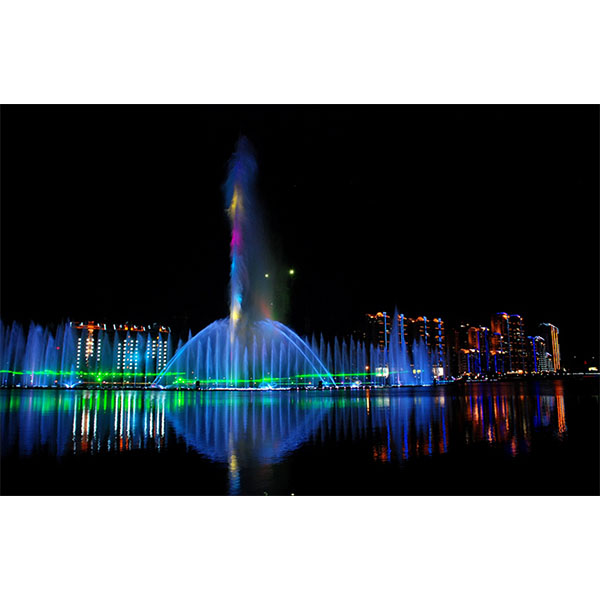
A Fountain in the Square is a large-scale, centralized waterscape installation designed for public plazas, urban centers, and commercial hubs. It serves as both an aesthetic landmark and a social gathering point, integrating advanced hydraulic engineering, LED lighting systems, and musical synchronization. Unlike residential water features, square fountains require robust durability, high-visibility design, and complex control systems to manage large water volumes and dynamic displays. As a premier China Fountain in the Square Manufacturer & Supplier, Shenyang Feiya Water Art Garden Engineering Co., Ltd. delivers turnkey solutions that combine artistic vision with rigorous engineering standards, ensuring long-term operational reliability and visual impact.
What Defines a High-Quality Fountain in the Square?
Designing a fountain for a public square involves more than just spraying water into the air. It requires a holistic approach to urban planning, environmental science, and mechanical engineering. A successful square fountain must withstand heavy public usage, varying weather conditions, and continuous operation cycles while maintaining aesthetic appeal.
Core Engineering Components
The integrity of a square fountain relies on several critical subsystems. These components work in unison to create synchronized water dances and light shows.
- Nozzle Systems: High-pressure nozzles determine the shape and height of water jets. Common types include straight jet nozzles, swirling nozzles, and aerated mist nozzles. Material quality, typically stainless steel (SS304 or SS316), is crucial for corrosion resistance.
- Pumping Infrastructure: Submersible pumps or dry-installed centrifugal pumps provide the necessary pressure. Variable Frequency Drives (VFDs) are essential for adjusting flow rates dynamically, enabling smooth transitions between different display modes.
- Control & Automation: Modern square fountains utilize PLC (Programmable Logic Controller) systems. These allow for precise timing of water jets, lights, and music. Advanced systems support DMX512 protocols for lighting synchronization.
- Filtration & Water Treatment: To maintain water clarity and prevent nozzle clogging, multi-stage filtration systems are mandatory. This includes sand filters, UV sterilization, and chemical dosing units to balance pH levels.
Aesthetic and Urban Integration
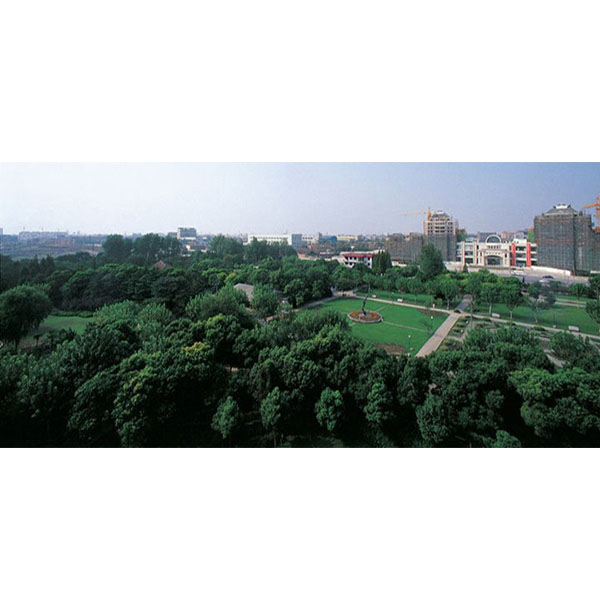
A fountain in the square acts as the “heart” of public space. It must complement surrounding architecture rather than compete with it. The scale of the water jets should proportionally match the size of the plaza. For instance, a small community square may benefit from interactive ground fountains, while a major civic plaza might require towering main jets exceeding 20 meters in height.
Shenyang Feiya Water Art Garden Engineering Co., Ltd. emphasizes this ecological and aesthetic balance. Since 2006, the company has integrated landscape planning with fountain construction, ensuring that water features enhance the urban microclimate and provide a quality humanistic ecological environment.
Types of Square Fountains for Different Urban Needs
Selecting the right type of fountain depends on the specific function of the square, budget constraints, and maintenance capabilities. Below are the primary categories used in modern urban development.
1. Musical Dancing Fountains
These are the most complex and visually striking options. They synchronize water movements, colored LED lighting, and music tracks. The control system analyzes audio frequencies to trigger specific nozzle patterns in real-time or via pre-programmed sequences.
- Best For: Tourism landmarks, city centers, and evening entertainment hubs.
- Key Feature: High emotional engagement and viral social media potential.
2. Interactive Dry Deck Fountains
Also known as “splash pads,” these fountains have no standing water pool. Nozzles are embedded in the pavement, and water recirculates through underground tanks. They are safe for children and pedestrians, as there is no risk of drowning.
- Best For: Family-friendly parks, shopping mall plazas, and pedestrian zones.
- Key Feature: High interactivity and safety; allows the square to be used for other events when the fountain is off.
3. Static Architectural Fountains
These designs focus on sculptural elements and constant water flow rather than dynamic movement. They often serve as monuments or central focal points with minimal mechanical complexity.
- Best For: Historical squares, government buildings, and formal gardens.
- Key Feature: Low maintenance costs and timeless elegance.
4. Floating Fountains
Ideal for squares with existing large ponds or artificial lakes. The pump and nozzle assembly floats on the water surface, reducing the need for extensive civil construction.
- Best For: Eco-parks and large open water bodies within urban squares.
- Key Feature: Easy installation and aeration benefits for water quality.
Comparison: Selecting the Right Fountain System
When procuring a fountain in the square, decision-makers must evaluate technical specifications against operational goals. The following table compares key attributes of common fountain configurations.
| Feature | Musical Dancing Fountain | Interactive Dry Deck | Static Architectural |
|---|---|---|---|
| Complexity | High (PLC, Audio, Lighting) | Medium (Sensors, Safety Valves) | Low (Constant Flow) |
| Maintenance Cost | High (Regular tech checks) | Medium (Filter cleaning, sensor calibration) | Low (Basic cleaning) |
| Public Engagement | Visual Spectacle (Passive) | Tactile Interaction (Active) | Ambient Atmosphere |
| Installation Time | Long (Complex wiring/piping) | Medium (Underground tank required) | Short |
| Energy Consumption | Variable (High during shows) | Moderate (Intermittent use) | Constant (Low power) |
Why Choose Shenyang Feiya as Your Manufacturer?
In the competitive landscape of waterscape engineering, experience and technical depth are paramount. Shenyang Feiya Water Art Garden Engineering Co., Ltd. stands out as a Grade A qualified enterprise, recognized by the China Waterscape Fountain Committee. This certification is not merely a label but a testament to the company’s adherence to strict industry standards in design, construction, and safety.
Technical Expertise and Human Resources
The core strength of Feiya lies in its specialized workforce. The company employs over 80 technicians dedicated to fountain research and development. This team includes:
- 15 Senior Engineers: Including water jet experts with outstanding contributions to the industry in China.
- 3 Professor-Level Senior Engineers: Providing high-level theoretical and practical guidance.
- 20 Engineers and 10 Green Engineers: Ensuring that every project meets both mechanical precision and ecological sustainability standards.
This depth of expertise allows Feiya to tackle complex challenges, such as synchronizing hundreds of nozzles or designing energy-efficient circulation systems for large-scale municipal projects.
Comprehensive Infrastructure
Unlike trading companies that outsource production, Feiya maintains full control over the manufacturing and testing process. The facility includes:
- Well-Equipped Laboratory: For testing material durability and hydraulic performance.
- Fountain Demonstration Room: Allowing clients to visualize nozzle effects and lighting combinations before installation.
- Equipment Processing Workshop: Ensuring custom fabrication of nozzles and piping to exact specifications.
- Sprinkler Irrigation and Garden Equipment Display Room: Supporting integrated landscape solutions.
Proven Track Record
Since 2006, Feiya has successfully designed and constructed more than 100 large and medium-sized fountains domestically and internationally. The company has exceeded a production value of 10 million for four consecutive years, demonstrating financial stability and consistent market demand. In 2007, it was recognized by the Shenyang Municipal Government as a contract-abiding enterprise, further solidifying its reputation for trustworthiness and reliability.
Key Considerations for Square Fountain Installation
Installing a fountain in a public square involves navigating various logistical and environmental factors. Ignoring these can lead to costly repairs or operational failures.
1. Wind Resistance and Water Drift
Squares are often open spaces with significant wind exposure. High water jets can cause drift, wetting pedestrians and surrounding infrastructure. Engineers must calculate local wind patterns and adjust nozzle angles or install wind sensors that automatically reduce jet height during gusty conditions.
2. Water Conservation and Recycling
Sustainability is a critical concern in modern urban planning. An efficient fountain system minimizes water loss through evaporation and drift. Feiya’s design philosophy incorporates ecological balance, using advanced filtration to recycle water continuously. Additionally, selecting drought-resistant landscaping around the fountain perimeter reduces overall water consumption.
3. Safety Standards
Public safety is non-negotiable. Electrical components must be isolated from water contact points, adhering to IP68 ratings for submersible equipment. Ground fountains require slip-resistant surfaces and low-voltage lighting to prevent electrical hazards. Regular maintenance schedules must be established to inspect for worn cables or loose fittings.
4. Lighting and Nighttime Visibility
A square fountain often serves as a nighttime attraction. LED lighting must be bright enough to illuminate water jets without causing light pollution. RGBW (Red, Green, Blue, White) LEDs offer the widest color spectrum. Proper placement of underwater lights ensures that the water column is illuminated from within, creating a glowing effect rather than just surface reflection.
Step-by-Step Project Execution Process
Understanding the workflow helps clients manage expectations and ensure timely delivery. Feiya follows a structured engineering process.
- Site Analysis & Concept Design: Engineers assess the square’s dimensions, soil conditions, and existing utilities. Initial sketches and 3D renderings are created to visualize the fountain’s integration with the landscape.
- Hydraulic Calculation & Engineering: Detailed calculations determine pump sizes, pipe diameters, and nozzle pressures. This stage ensures the system can achieve the desired jet heights efficiently.
- Manufacturing & Pre-Assembly: Components are fabricated in Feiya’s workshop. Nozzles, pumps, and control panels undergo rigorous testing in the demonstration room.
- Civil Construction & Installation: On-site teams prepare the foundation, lay piping, and install electrical conduits. Waterproofing is applied to all concrete structures.
- Commissioning & Programming: The system is filled with water, and technicians program the choreography. Lighting and music synchronization are fine-tuned.
- Training & Handover: Local maintenance staff receive training on operation, basic troubleshooting, and seasonal winterization procedures.
Frequently Asked Questions (FAQ)
How much does it cost to build a fountain in the square?
Costs vary significantly based on size, complexity, and materials. A simple static fountain may cost less, while a large-scale musical dancing fountain with hundreds of nozzles and custom lighting requires a higher investment. Factors include civil works, equipment quality, and control system sophistication. Contacting a manufacturer like Feiya for a customized quote based on specific dimensions is recommended.
What is the maintenance requirement for public square fountains?
Regular maintenance includes cleaning filters, checking nozzle alignment, inspecting electrical connections, and balancing water chemistry. Musical fountains require periodic software updates and mechanical checks on moving parts. Winterization is crucial in cold climates to prevent pipe bursting.
Can existing fountains be upgraded to musical systems?
Yes, many older fountains can be retrofitted with VFD pumps, LED lights, and PLC control systems. However, the existing piping and nozzle layout must be evaluated to ensure they can support dynamic pressure changes. Feiya’s engineering team can conduct a feasibility study for retrofit projects.
How long does it take to install a square fountain?
Timeline depends on the project scale. Small interactive fountains may take 4-6 weeks, while large monumental fountains can take 3-6 months, including civil construction and programming. Efficient project management by experienced firms like Feiya helps minimize delays.
What materials are best for fountain nozzles?
Stainless Steel 304 is standard for most applications, while SS316 is recommended for coastal areas or where harsh chemicals are used. Brass nozzles are also used for specific aesthetic finishes but require more maintenance to prevent tarnishing.
Conclusion: Elevating Urban Spaces with Professional Waterscapes
A fountain in the square is more than a decorative element; it is a dynamic component of urban infrastructure that enhances social interaction, improves environmental quality, and boosts local tourism. Choosing the right partner for design and construction is critical to achieving a sustainable and impactful result.
Shenyang Feiya Water Art Garden Engineering Co., Ltd. combines nearly two decades of experience with cutting-edge technology and a deep commitment to ecological landscaping. With a team of senior engineers, Grade A qualifications, and a portfolio of over 100 successful projects, Feiya offers the expertise needed to transform public squares into vibrant community landmarks.
Whether you are planning a new municipal plaza or upgrading an existing waterscape, professional guidance ensures optimal performance and longevity. For detailed technical specifications, custom design consultations, or project quotations, explore our comprehensive solutions.