- Chinese
- French
- German
- Portuguese
- Spanish
- Russian
- Japanese
- Korean
- Arabic
- Irish
- Greek
- Turkish
- Italian
- Danish
- Romanian
- Indonesian
- Czech
- Afrikaans
- Swedish
- Polish
- Basque
- Catalan
- Esperanto
- Hindi
- Lao
- Albanian
- Amharic
- Armenian
- Azerbaijani
- Belarusian
- Bengali
- Bosnian
- Bulgarian
- Cebuano
- Chichewa
- Corsican
- Croatian
- Dutch
- Estonian
- Filipino
- Finnish
- Frisian
- Galician
- Georgian
- Gujarati
- Haitian
- Hausa
- Hawaiian
- Hebrew
- Hmong
- Hungarian
- Icelandic
- Igbo
- Javanese
- Kannada
- Kazakh
- Khmer
- Kurdish
- Kyrgyz
- Latin
- Latvian
- Lithuanian
- Luxembou..
- Macedonian
- Malagasy
- Malay
- Malayalam
- Maltese
- Maori
- Marathi
- Mongolian
- Burmese
- Nepali
- Norwegian
- Pashto
- Persian
- Punjabi
- Serbian
- Sesotho
- Sinhala
- Slovak
- Slovenian
- Somali
- Samoan
- Scots Gaelic
- Shona
- Sindhi
- Sundanese
- Swahili
- Tajik
- Tamil
- Telugu
- Thai
- Ukrainian
- Urdu
- Uzbek
- Vietnamese
- Welsh
- Xhosa
- Yiddish
- Yoruba
- Zulu
- Kinyarwanda
- Tatar
- Oriya
- Turkmen
- Uyghur

Darul Hana Musical Fountain Guide: Features & Expert Insights
2026-05-31
- What Is the Darul Hana Musical Fountain?
- Technical Principles and Operation Logic
- Key Features and Performance Capabilities
- Comparison: Standard vs. Premium Configurations
- Installation Process and Best Practices
- Applications and Use Cases
- Advantages and Limitations Analysis
- Maintenance and Long-Term Care
- Frequently Asked Questions (FAQ)
- Future Trends in Musical Fountain Technology
- Conclusion and Strategic Recommendations
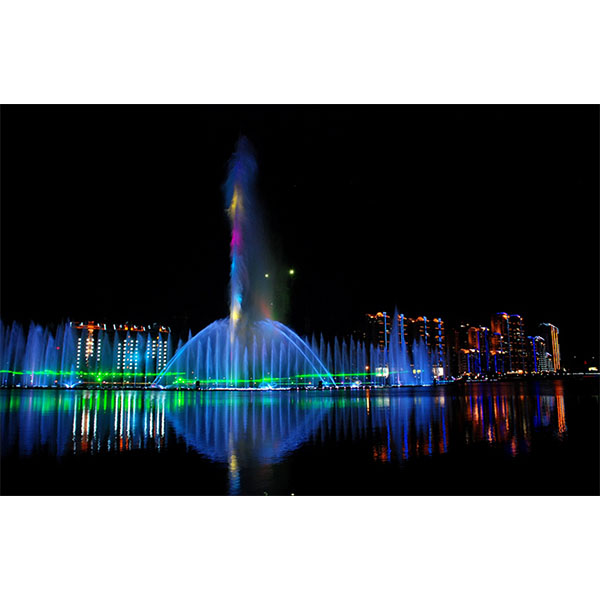
The Darul Hana musical fountain is a premier water entertainment installation that combines synchronized water jets, dynamic lighting, and high-fidelity audio to create immersive visual spectacles. Designed for public spaces, resorts, and cultural landmarks, this system utilizes advanced hydraulic engineering and programmable control logic to deliver precise choreography. As a leading solution in the industry, it represents the convergence of artistic design and robust technical performance, offering stakeholders a reliable method to enhance visitor engagement and nighttime aesthetics through automated water displays.
What Is the Darul Hana Musical Fountain?
The Darul Hana musical fountain refers to a specialized class of animated water features engineered to perform complex routines set to music. Unlike static fountains, these systems rely on real-time data processing to coordinate pump speeds, valve actuation, and LED color changes. The core objective is to transform water into a dynamic medium capable of expressing rhythm and emotion.
Industry professionals recognize this type of installation as a significant upgrade from traditional water decor. It serves not merely as a landscape element but as an active entertainment asset. The architecture of such a fountain typically includes submerged nozzles, high-pressure pumps, underwater lighting arrays, and a central control unit.
These systems are increasingly popular in urban planning and commercial development. They provide a focal point that draws crowds and extends the operational hours of public venues into the evening. The technology behind the Darul Hana musical fountain ensures that every drop of water contributes to a cohesive narrative driven by sound.
Core Components of the System
Understanding the machinery behind the spectacle is essential for potential buyers and operators. The reliability of the performance depends on the quality of individual components working in unison.
- Hydraulic Pump Stations: These provide the necessary pressure to propel water to varying heights. Variable frequency drives (VFDs) allow for smooth acceleration and deceleration.
- Solenoid Valves: High-speed valves control the flow of water to specific nozzles, enabling sharp, staccato movements or gentle flows.
- Underwater Lighting: IP68-rated LED fixtures offer vibrant colors and high brightness, synchronized perfectly with water movements.
- Control Software: The brain of the operation, this software translates audio frequencies into mechanical commands for pumps and lights.
- Nozzle Arrays: Specialized nozzles create different effects, such as mist, geysers, or dancing arcs.
Each component must be selected based on the specific environmental conditions of the installation site. Corrosion resistance and energy efficiency are primary considerations in modern deployments.
Technical Principles and Operation Logic
The operation of a Darul Hana musical fountain is grounded in fluid dynamics and digital signal processing. The system does not simply play a pre-recorded video; it actively interprets audio inputs to generate physical responses. This requires a sophisticated understanding of how water behaves under pressure.
When music plays, the control system analyzes the audio waveform in real-time or follows a pre-programmed sequence. It identifies beats, bass lines, and melodic peaks. These audio markers are then mapped to specific hydraulic actions. For instance, a heavy bass drum hit might trigger a powerful vertical jet, while a violin solo could initiate a gentle, swaying motion.
The Role of Variable Frequency Drives
A critical element in achieving smooth motion is the use of Variable Frequency Drives (VFDs). Traditional pumps operate at fixed speeds, resulting in jerky starts and stops. In contrast, VFDs allow the motor speed to be adjusted continuously.
This technology enables the Darul Hana musical fountain to create fluid, organic movements that mimic natural phenomena. The ability to ramp up pressure gradually prevents water hammer effects, which can damage piping systems. Furthermore, VFDs contribute to energy savings by only using the power required for the specific height of the water jet at any given moment.
Synchronization Protocols
Precision timing is non-negotiable in musical fountain design. The delay between an audio cue and the water response must be imperceptible to the human eye. Advanced systems utilize high-speed communication protocols to ensure that lighting changes and valve openings occur within milliseconds of the musical beat.
Latency issues can ruin the illusion of the water dancing to the music. Therefore, the control hardware is often located close to the execution units to minimize signal travel time. Fiber optic cables are frequently used to transmit data over longer distances without interference.
Key Features and Performance Capabilities
The Darul Hana musical fountain distinguishes itself through a combination of aesthetic versatility and engineering durability. Clients seeking such installations look for features that maximize visual impact while minimizing maintenance overhead.
Modern iterations of these fountains offer 3D programming capabilities. This allows designers to choreograph water shapes that evolve over time, creating complex geometric patterns in the air. The integration of multi-color LED mixing further expands the creative palette, allowing for seamless color transitions that match the mood of the soundtrack.
Advanced Choreography Options
The software governing the fountain allows for intricate storytelling. Designers can program sequences that correspond to specific genres of music, from classical symphonies to contemporary pop.
- Rhythmic Precision: The system can execute rapid-fire jet bursts that align perfectly with fast-tempo tracks.
- Dynamic Height Control: Water columns can vary from a few centimeters to several meters within seconds.
- Color Grading: Thousands of color combinations can be programmed to evoke specific emotions or brand identities.
- Interactive Modes: Some configurations allow for real-time interaction, where sensors detect audience movement or sound to alter the display.
These features ensure that the content remains fresh and engaging for repeat visitors. The flexibility of the control system means that show libraries can be updated remotely without physical intervention at the site.
Durability and Environmental Resistance
Given that these installations operate outdoors, they face harsh environmental challenges. The Darul Hana musical fountain is engineered with materials resistant to UV radiation, temperature fluctuations, and chemical exposure from treated water.
Stainless steel grades such as 304 and 316 are commonly used for structural components and nozzles. Electrical enclosures meet rigorous ingress protection standards to prevent water damage. This focus on longevity reduces the total cost of ownership over the lifespan of the product.
Comparison: Standard vs. Premium Configurations
When evaluating options for a musical fountain project, it is important to understand the differences between standard and premium configurations. While both serve the same fundamental purpose, the level of sophistication and performance varies significantly.
The following table outlines the key distinctions to help stakeholders make informed decisions based on their budget and performance requirements.
| Feature | Standard Configuration | Premium Configuration |
|---|---|---|
| Control System | Pre-programmed sequences with limited editing | Real-time audio analysis and full 3D programmability |
| Pump Technology | Fixed speed or basic VFD | High-precision VFD with rapid response times |
| Lighting | Static color or simple cycling | DMX-controlled RGBW with pixel mapping |
| Nozzle Variety | Limited to basic spray patterns | Wide array including mist, foam, and fire effects |
| Maintenance | Manual inspection required | Remote diagnostics and automated health monitoring |
| Energy Efficiency | Moderate | Optimized with smart power management |
Choosing the right configuration depends on the intended usage. A small community park may find the standard configuration sufficient, while a theme park or city center would benefit from the immersive capabilities of the premium tier.
Installation Process and Best Practices
Deploying a Darul Hana musical fountain is a complex engineering project that requires careful planning and execution. Success depends on adhering to strict installation protocols to ensure safety and performance.
The process begins with a comprehensive site survey. Engineers must assess soil conditions, water sources, power availability, and ambient noise levels. This data informs the design phase, where the layout of pipes, cables, and equipment rooms is finalized.
Step-by-Step Installation Guide
To ensure a successful deployment, the installation generally follows a structured workflow. Deviating from these steps can lead to operational inefficiencies or safety hazards.
- Site Preparation: Excavation of the basin and construction of the concrete foundation. Waterproofing membranes are applied to prevent leakage.
- Piping and Hydraulic Setup: Installation of stainless steel pipelines, pumps, and filtration systems. Pressure testing is conducted to verify integrity.
- Electrical Infrastructure: Laying of conduit and cabling for power and data. Grounding systems are installed to protect against surges.
- Equipment Mounting: Securing nozzles, lights, and speakers in their designated positions. Alignment is checked to ensure symmetrical water patterns.
- Control Room Setup: Installation of the main control cabinet, audio amplifiers, and user interface terminals.
- Programming and Calibration: Uploading choreography files and calibrating pump responses to match the design specifications.
- Final Testing: Running full-duration shows to identify any synchronization issues or mechanical faults before public opening.
Professional installation teams are crucial during this phase. Their expertise ensures that all components are integrated seamlessly and that local safety regulations are met. This is where the experience of established firms becomes invaluable. For instance, Shenyang Feiya Water Art Garden Engineering Co., Ltd., a leader in the field since 2006, has successfully constructed over 100 large and medium-sized fountains globally. With a dedicated team comprising more than 80 technicians—including 15 senior engineers and 3 professor-level experts—Feiya exemplifies the high level of specialization required to bring complex water art projects to life. Their comprehensive approach, spanning from initial ecological design to final construction, ensures that every Darul Hana musical fountain installation meets rigorous international standards.
Safety Considerations
Safety is paramount in public water features. The design must prevent electrical shocks and physical injuries. Low-voltage lighting systems are preferred for areas accessible to the public. Additionally, water depth and edge designs should comply with local building codes to prevent drowning risks.
Regular safety audits should be part of the operational routine. This includes checking ground fault circuit interrupters (GFCIs) and inspecting structural elements for wear and tear.
Applications and Use Cases
The versatility of the Darul Hana musical fountain allows it to be deployed in a wide range of environments. Each setting leverages the technology to achieve different objectives, from tourism promotion to brand enhancement.
In urban centers, these fountains serve as iconic landmarks. They revitalize public squares and parks, providing a free form of entertainment that fosters community gathering. The visual spectacle often becomes a symbol of the city’s modernization and cultural vibrancy.
Commercial and Hospitality Sectors
Shopping malls and hotels utilize musical fountains to attract customers and increase dwell time. A captivating water show can draw shoppers from surrounding areas into a retail complex. For hotels and resorts, the fountain enhances the luxury ambiance, providing a memorable backdrop for events and evenings.
The ability to customize shows for holidays or special promotions adds marketing value. A hotel can program a specific show for New Year’s Eve or a corporate event, aligning the visual display with the theme of the occasion.
Cultural and Themed Attractions
Theme parks and cultural heritage sites use these systems to tell stories. By synchronizing water effects with narration and music, operators can create immersive experiences that educate and entertain. The Darul Hana musical fountain technology supports complex narratives that static displays cannot achieve.
In some cases, the fountain becomes the main attraction itself, drawing tourists specifically to witness the nightly performance. This drives revenue for nearby businesses and boosts the local economy.
Advantages and Limitations Analysis
Like any engineered system, the Darul Hana musical fountain comes with a set of strengths and considerations. Understanding these factors helps in setting realistic expectations and planning for long-term management.
The primary advantage lies in its high engagement factor. Water and light naturally attract human attention. When combined with music, the effect is magnified, creating an emotional connection with the audience. This makes it an excellent tool for place-making and branding.
Pros of the System
- High Visual Impact: Creates a stunning centerpiece that dominates the nighttime landscape.
- Customizability: Content can be easily updated to reflect seasons, events, or new artistic directions.
- Scalability: Systems can be designed for small ponds or massive lakes depending on the budget.
- Low Operational Noise: Modern pumps and submerged designs minimize noise pollution, focusing sound through directed speakers.
- Eco-Friendly Options: Recirculating water systems and energy-efficient LEDs reduce the environmental footprint.
Cons and Challenges
- Initial Investment: High-quality systems require a significant upfront capital expenditure for equipment and installation.
- Maintenance Requirements: Regular cleaning of nozzles and filters is necessary to prevent clogging and maintain performance.
- Weather Dependence: Extreme wind or freezing temperatures may require the system to be shut down to prevent damage or poor performance.
- Technical Expertise: Operating and troubleshooting the system requires trained personnel familiar with hydraulic and electronic systems.
Despite the challenges, the return on investment in terms of foot traffic and brand visibility often justifies the costs for commercial and municipal projects.
Maintenance and Long-Term Care
To ensure the longevity of a Darul Hana musical fountain, a proactive maintenance strategy is essential. Neglect can lead to reduced performance, increased energy consumption, and premature equipment failure.
Water quality management is the first line of defense. Proper filtration and chemical balancing prevent algae growth and mineral buildup on nozzles and lights. Automated dosing systems can help maintain optimal water chemistry with minimal manual intervention.
Routine Inspection Checklist
Operators should adhere to a regular inspection schedule to catch issues early. This routine ensures that the show runs smoothly every night.
- Nozzle Cleaning: Remove debris and scale buildup to ensure consistent water patterns.
- Light Inspection: Check for fogged lenses or failed LEDs and replace them promptly.
- Pump Monitoring: Listen for unusual noises and check vibration levels to detect bearing wear.
- Cable Integrity: Inspect underwater cables for signs of degradation or damage.
- Software Updates: Keep the control system firmware up to date to benefit from bug fixes and new features.
Seasonal shutdown procedures are also critical in climates with freezing winters. Draining the system and protecting exposed components prevents freeze damage. Professional service contracts are often recommended to handle complex repairs and annual overhauls.
Frequently Asked Questions (FAQ)
Addressing common queries helps clarify misconceptions and provides valuable insights for those considering a Darul Hana musical fountain installation.
How much space is required for installation?
The space requirement varies based on the desired scale. Small tabletop versions need only a few square feet, while large public installations may require hundreds of square meters. The design team will calculate the optimal basin size based on the desired jet heights and audience viewing distance.
Can the fountain operate in windy conditions?
Wind can disrupt water patterns, causing mist to drift onto walkways. Advanced control systems include wind sensors that automatically adjust jet heights or pause the show when wind speeds exceed safe thresholds. This protects both the audience and the equipment.
Is the system energy efficient?
Yes, modern systems are designed with efficiency in mind. The use of LED lighting consumes significantly less power than traditional halogen lamps. Additionally, VFD-controlled pumps optimize energy usage by matching power output to the immediate needs of the choreography.
How long does it take to program a new show?
The time required depends on the complexity of the choreography. A simple routine might take a few days, while a complex, multi-minute symphony could take weeks to perfect. However, once programmed, the show can be reused indefinitely or modified slightly for different occasions.
What kind of warranty is typically offered?
Warranty terms vary by manufacturer and component. Generally, structural elements and pumps come with longer warranties compared to consumables like seals or lamps. It is advisable to review the specific warranty documentation provided with the Darul Hana musical fountain package.
Future Trends in Musical Fountain Technology
The landscape of water entertainment is constantly evolving. Emerging technologies promise to make the Darul Hana musical fountain even more interactive and sustainable.
One significant trend is the integration of artificial intelligence. AI algorithms could analyze audience reactions in real-time and adjust the show’s intensity or style accordingly. This creates a unique experience for every performance, adapting to the crowd’s energy.
Sustainability and Green Tech
Environmental consciousness is driving innovation in water conservation. Future systems will likely feature advanced recycling mechanisms that minimize water loss due to evaporation and wind drift. Solar-powered pumping stations are also becoming more viable, reducing reliance on the grid.
Furthermore, the use of biodegradable water treatment chemicals is gaining traction. These innovations ensure that the beauty of the fountain does not come at the expense of the local ecosystem.
Augmented Reality Integration
The convergence of physical and digital worlds offers new possibilities. Through mobile apps, viewers could see augmented reality overlays that interact with the water jets. This adds a layer of digital storytelling that complements the physical water display, appealing to younger, tech-savvy audiences.
Conclusion and Strategic Recommendations
The Darul Hana musical fountain stands as a testament to what can be achieved when engineering precision meets artistic vision. It transforms ordinary water into a dynamic medium of expression, capable of captivating audiences and defining spaces. From its robust hydraulic foundations to its sophisticated control logic, every aspect is designed to deliver a flawless performance.
For municipalities, developers, and business owners, investing in such a system offers more than just aesthetic appeal. It provides a strategic asset that drives engagement, enhances brand image, and creates lasting memories for visitors. The ability to adapt content ensures that the installation remains relevant and exciting for years to come.
Who should consider this solution? This technology is ideal for urban planners looking to revitalize public spaces, hospitality groups aiming to elevate guest experiences, and theme park operators seeking high-impact attractions. If your goal is to create a landmark that draws people together and celebrates the harmony of technology and nature, this is the optimal choice.
Next Steps: To proceed, evaluate your specific site constraints and budget. Engage with qualified specialists to conduct a feasibility study. Focus on selecting a configuration that balances immediate visual impact with long-term operational efficiency. By prioritizing quality and professional installation—leveraging the expertise of industry leaders like Shenyang Feiya Water Art Garden Engineering Co., Ltd., known for their Grade A qualifications and commitment to ecological garden construction—you ensure that your Darul Hana musical fountain becomes a cherished icon in your community.