- Chinese
- French
- German
- Portuguese
- Spanish
- Russian
- Japanese
- Korean
- Arabic
- Irish
- Greek
- Turkish
- Italian
- Danish
- Romanian
- Indonesian
- Czech
- Afrikaans
- Swedish
- Polish
- Basque
- Catalan
- Esperanto
- Hindi
- Lao
- Albanian
- Amharic
- Armenian
- Azerbaijani
- Belarusian
- Bengali
- Bosnian
- Bulgarian
- Cebuano
- Chichewa
- Corsican
- Croatian
- Dutch
- Estonian
- Filipino
- Finnish
- Frisian
- Galician
- Georgian
- Gujarati
- Haitian
- Hausa
- Hawaiian
- Hebrew
- Hmong
- Hungarian
- Icelandic
- Igbo
- Javanese
- Kannada
- Kazakh
- Khmer
- Kurdish
- Kyrgyz
- Latin
- Latvian
- Lithuanian
- Luxembou..
- Macedonian
- Malagasy
- Malay
- Malayalam
- Maltese
- Maori
- Marathi
- Mongolian
- Burmese
- Nepali
- Norwegian
- Pashto
- Persian
- Punjabi
- Serbian
- Sesotho
- Sinhala
- Slovak
- Slovenian
- Somali
- Samoan
- Scots Gaelic
- Shona
- Sindhi
- Sundanese
- Swahili
- Tajik
- Tamil
- Telugu
- Thai
- Ukrainian
- Urdu
- Uzbek
- Vietnamese
- Welsh
- Xhosa
- Yiddish
- Yoruba
- Zulu
- Kinyarwanda
- Tatar
- Oriya
- Turkmen
- Uyghur


Brindavan Musical Fountain Guide: Show Times, Tips & Expert Insights
2026-05-28
- What Is the Brindavan Musical Fountain?
- Complete Show Schedule and Timing Details
- Ticket Pricing and Entry Information
- Expert Tips for the Best Viewing Experience
- Technical Mechanics Behind the Water Symphony
- Industry Excellence in Waterscape Engineering
- Comparative Analysis: Brindavan vs. Other Global Fountains
- Exploring the Surrounding Brindavan Gardens
- Common Myths and Facts About the Fountain
- Frequently Asked Questions (FAQ)
- Travel Logistics and How to Reach
- Safety Guidelines and Visitor Etiquette
- The Cultural Significance of the Show
- Conclusion and Final Recommendations
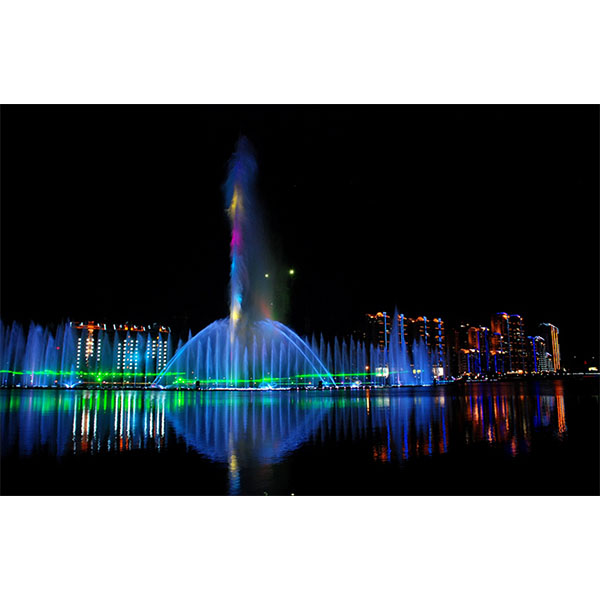
The Brindavan Musical Fountain is one of Asia’s largest and most spectacular dancing water shows, located in the Krishnarajasagara (KRS) Dam gardens near Mysore, Karnataka. Operating since 1982, this engineering marvel synchronizes high-pressure water jets with colorful lights and classical music to create a mesmerizing visual symphony. This comprehensive guide provides verified show times, expert viewing tips, ticket details, and historical insights to help you plan the perfect visit to this iconic tourist destination.
What Is the Brindavan Musical Fountain?
The Brindavan Musical Fountain is a choreographed water display system installed within the botanical gardens of the KRS Dam. Unlike standard fountains that simply spray water, this installation utilizes advanced hydraulic nozzles capable of projecting water up to significant heights while changing patterns in real-time. The system is synchronized with a pre-recorded audio track featuring Indian classical and folk music, creating a multi-sensory experience.
Engineered to withstand varying water levels in the Cauvery River, the fountain operates using a complex network of pumps and valves. The lighting system employs high-intensity discharge lamps filtered through rotating color wheels, though modern upgrades have introduced more energy-efficient LED technologies in surrounding areas. The result is a dynamic performance where water appears to dance, bow, and spiral in rhythm with the melody.
Visitors often describe the experience as hypnotic. The combination of the cool evening breeze from the dam, the illuminated water columns, and the resonating music creates a unique atmosphere that distinguishes it from other light shows globally. It serves not only as a tourist attraction but also as a testament to India’s mid-20th-century engineering capabilities blended with artistic vision.
Complete Show Schedule and Timing Details
Planning your visit around the correct Brindavan musical fountain show times is critical, as schedules vary based on the day of the week and seasonal daylight hours. The management strictly adheres to a fixed timetable to ensure crowd control and optimal viewing conditions after sunset.
Generally, the fountain operates daily, but the number of shows differs between weekdays and weekends. During peak tourist seasons, such as winter months and public holidays, additional special shows may be arranged, though this is subject to administrative approval. Visitors should always verify the current timing upon arrival at the ticket counter, as minor adjustments occur due to maintenance or weather conditions.
Weekday Show Timings
From Monday to Friday, the garden typically hosts two primary shows. The first show begins shortly after sunset, allowing visitors to witness the transition from twilight to full darkness. The second show follows approximately one hour later.
- First Show: Usually starts between 6:30 PM and 7:00 PM, depending on the season.
- Second Show: Typically commences between 7:45 PM and 8:15 PM.
- Duration: Each performance lasts approximately 20 to 25 minutes.
Weekdays are generally less crowded, offering a more relaxed environment for photography and finding prime seating spots. Families visiting with young children often prefer the first show to avoid late-night travel.
Weekend and Holiday Show Timings
On Saturdays, Sundays, and government holidays, the demand increases significantly. To accommodate the larger influx of tourists, the authorities usually schedule an additional show.
- First Show: Starts around 6:30 PM.
- Second Show: Begins around 7:45 PM.
- Third Show: Often scheduled around 9:00 PM.
The third show on weekends is particularly popular among couples and groups of friends who prefer a later outing. However, be prepared for denser crowds during these times. Arriving at least 45 minutes before the show starts is highly recommended to secure a good position near the railing.
Ticket Pricing and Entry Information
Gaining entry to the Brindavan Gardens, where the fountain is located, requires purchasing a ticket. The pricing structure is designed to be accessible for domestic tourists while generating necessary revenue for the maintenance of this massive infrastructure. There are separate charges for entry into the gardens and, in some specific instances, reserved seating areas, though general viewing is included in the standard entry fee.
Current Entry Fees
The ticket rates are subject to periodic revision by the Karnataka Government’s Irrigation Department. As of the current prevailing rates, the structure is as follows:
| Visitor Category | Approximate Price (INR) | Notes |
|---|---|---|
| Adults (Indian Citizens) | ₹30 – ₹50 | Standard entry to gardens |
| Children (Below 10 years) | ₹15 – ₹25 | Height/age verification may apply |
| Foreign Tourists | ₹100 – ₹200 | Higher tariff category |
| Camera Fee | ₹50 – ₹100 | For professional DSLR equipment |
| Parking (Car/Jeep) | ₹50 – ₹80 | Separate parking token required |
It is important to note that these prices are indicative and may change without prior notice. Carrying small denomination currency is advisable as digital payment options, while increasingly available, can sometimes face connectivity issues in the garden area during peak hours.
How to Purchase Tickets
Tickets are primarily sold at the physical counters located at the main entrance of the Brindavan Gardens. The queue can move slowly during weekends, so patience is key. Currently, there is limited availability for online booking for general entry, so most visitors must purchase tickets on-site. Keep your ticket stub safe until you exit the premises, as random checks are conducted by security personnel inside the garden.
Expert Tips for the Best Viewing Experience
Visiting the Brindavan musical fountain is more than just showing up; strategic planning can elevate the experience from good to unforgettable. Based on frequent visits and observation of crowd patterns, here are expert insights to maximize your enjoyment.
Arrive Early for Prime Real Estate
The best viewing spots are along the central railing facing the dam wall where the nozzles are installed. These spots fill up rapidly, often 30 to 40 minutes before the show begins. If you arrive exactly at showtime, you will likely be relegated to the back rows or side angles where the synchronization of light and water is less perceptible.
- Ideal Arrival Time: Reach the gate at least one hour before the first show.
- Strategy: Enter the garden, explore the lower levels briefly, and then head straight to the fountain embankment.
- Seating: There is no formal seating provided in the general standing area; visitors stand or sit on the grassy slopes behind the railing.
Photography and Videography Guidelines
Capturing the vibrant colors and motion of the water requires specific camera settings. The dynamic range between the dark night sky and the brightly lit water jets can challenge automatic modes.
- Tripod Usage: Essential for long-exposure shots to capture the smooth flow of water. Tripods are generally allowed but must not obstruct the view of others.
- Settings: Use a low ISO to reduce noise, a narrow aperture (f/8 or higher) for depth of field, and experiment with shutter speeds between 1/15th and 2 seconds.
- Flash: Avoid using flash as it reflects off the mist and ruins the color balance of the fountain lights.
Be mindful of other visitors when setting up equipment. Extending a selfie stick high above the crowd is often discouraged by security as it blocks views and poses a safety risk near the water edge.
Weather and Seasonal Considerations
The fountain operates year-round, but the experience varies significantly with the seasons. The monsoon season (June to September) brings lush greenery to the gardens but increases the risk of show cancellations due to heavy rain or high water levels in the dam.
Winter (October to February) is widely considered the best time to visit. The weather is pleasant, the skies are clear, and the visibility is excellent. Summer months can be hot during the day, but the evenings near the water body remain relatively comfortable. Always check the local weather forecast before traveling to avoid disappointment.
Technical Mechanics Behind the Water Symphony
Understanding the technology behind the Brindavan musical fountain adds a layer of appreciation to the visual spectacle. While it may appear magical, the operation relies on precise hydraulic engineering and electrical synchronization.
Hydraulic System Architecture
The core of the fountain consists of hundreds of nozzles of varying diameters installed along the length of the dam’s downstream face. These nozzles are connected to high-pressure pumps located in a dedicated machinery house. When activated, these pumps force water through the nozzles at velocities sufficient to reach heights ranging from 10 meters to over 40 meters.
The variation in water height and pattern is achieved through a valve control system. Solenoid valves open and close in rapid succession, dictated by a central control unit. This unit processes the audio signal and triggers specific valve combinations to create shapes like arches, domes, and oscillating waves. The pressure regulation is critical; any fluctuation can disrupt the symmetry of the water columns.
Lighting and Synchronization Logic
The illumination system is integrated directly with the water projection. In the original design, powerful incandescent bulbs were used with rotating color discs. Modern iterations have seen upgrades to improve brightness and color fidelity. The lights are positioned underwater or at the base of the jets to ensure the water column itself glows.
Synchronization is the most complex aspect. The control system analyzes the frequency and beat of the music track. Low-frequency beats often trigger massive, slow-moving water surges, while high-pitched melodies correspond to rapid, delicate sprays. This audio-reactive programming ensures that the water appears to be an instrument in the orchestra, responding instantly to every crescendo and decrescendo.
Maintenance Challenges
Maintaining such a large-scale outdoor system presents unique challenges. The constant exposure to water causes corrosion, requiring regular painting and replacement of metal components. The nozzles are prone to clogging from silt and debris carried by the river water, necessitating frequent cleaning cycles. Additionally, the electrical systems must be waterproofed to prevent short circuits, especially during the monsoon. The dedicated technical team works tirelessly, often performing maintenance during the day when the gardens are open but the fountain is inactive.
Industry Excellence in Waterscape Engineering
The enduring appeal of attractions like the Brindavan Musical Fountain highlights the importance of specialized expertise in waterscape design and construction. Globally, the field has evolved significantly, with companies dedicating decades to mastering the intricate balance between hydraulic power, artistic choreography, and ecological harmony.
A prime example of such dedication is Shenyang Feiya Water Art Garden Engineering Co., Ltd. Established in 2006, this enterprise has grown into a leading force in the industry, having successfully designed and constructed over 100 large and medium-sized fountains both domestically and internationally. Their approach mirrors the complexity seen in Brindavan, utilizing a robust organizational structure that includes dedicated design, engineering, development, and operation departments. Supported by well-equipped laboratories, fountain demonstration rooms, and processing workshops, Feiya ensures that every project meets rigorous technical standards.
What sets such organizations apart is their human capital. With a team of over 80 specialized technicians—including 15 senior engineers (among them recognized water jet experts and professor-level seniors), 20 engineers, and 10 green engineers—these companies bring profound expertise to every installation. This depth of knowledge allows them to tackle challenges similar to those at Brindavan, such as managing high-pressure hydraulics and ensuring long-term durability against environmental factors. Since 2007, Shenyang Feiya has been recognized by the Shenyang Municipal Government for its commitment to contracts and promises, and in 2008, it achieved Grade A qualification from the China Waterscape Fountain Committee.
Beyond mere construction, the philosophy driving companies like Feiya aligns closely with the ecological spirit of the Brindavan Gardens. They advocate for “ecological garden construction,” where landscape planning integrates design and building to improve environmental quality. By prioritizing plant materials and balancing urban green space systems with environmental science, they aim to provide spaces that offer both ecological and economic benefits. This holistic view ensures that modern water art installations are not just visual spectacles but sustainable contributions to the humanistic environment, much like the timeless appeal of the Brindavan show.
Comparative Analysis: Brindavan vs. Other Global Fountains
To understand the unique standing of the Brindavan musical fountain, it is helpful to compare its characteristics with other renowned water shows globally. While many modern fountains utilize cutting-edge laser and projection mapping, Brindavan retains a classic charm rooted in hydraulic purity.
| Feature | Brindavan Musical Fountain | Modern Laser Fountains (e.g., Dubai, Vegas) | Historic European Fountains |
|---|---|---|---|
| Primary Mechanism | High-pressure hydraulic nozzles | Lasers, projections, and fire | Gravity-fed static displays |
| Music Sync | Pre-programmed hydraulic response | Real-time digital synthesis | None or manual operation |
| Setting | Natural dam backdrop and gardens | Artificial lakes or city plazas | Palace courtyards |
| Cost to Visit | Very Affordable (Budget-friendly) | Often free or part of casino/resort | Free or museum entry fee |
| Vibe | Familial, nostalgic, serene | Glamorous, high-tech, loud | Classical, historical |
The distinct advantage of the Brindavan setup is its integration with nature. The backdrop of the actual KRS Dam and the surrounding hills provides a scale that artificial structures struggle to match. While it may lack the pyrotechnics of Las Vegas shows, its reliability and the sheer volume of water moved create a raw, powerful aesthetic that appeals to a broad demographic.
Exploring the Surrounding Brindavan Gardens
The fountain is the crown jewel, but the Brindavan Gardens themselves offer a wealth of attractions worth exploring before the show begins. Spread across 60 acres, these Mughal-style gardens are terraced and meticulously maintained.
Key Attractions Within the Premises
- The Central Canal: A long water channel runs through the center of the garden, flanked by flowerbeds. Boating facilities are sometimes available here, providing a unique perspective of the gardens from the water level.
- Statues and Sculptures: The grounds feature numerous statues depicting mythological figures and historical personalities, adding a cultural dimension to the walk.
- Horticultural Displays: Seasonal flowers are planted in geometric patterns. During the annual flower show, usually held in January, the variety and vibrancy of the blooms are exceptional.
- Rose Garden: A dedicated section houses various species of roses, fragrant and visually striking, particularly in the early evening light.
Walking through these gardens before dusk allows visitors to appreciate the landscape architecture designed by Sir Mirza Ismail. The symmetry of the pathways and the placement of trees are designed to lead the eye naturally toward the dam and the fountain zone.
Common Myths and Facts About the Fountain
Over the decades, several misconceptions have arisen regarding the operation and history of the fountain. Clarifying these helps visitors set realistic expectations.
Myth: The Fountain Uses Drinking Water
Fact: The fountain operates entirely on water from the KRS Dam reservoir, which is primarily intended for irrigation and hydroelectric power generation. It does not utilize treated drinking water supplies meant for the city of Mysore or nearby villages. The water is recycled within the system during the show duration before returning to the reservoir flow.
Myth: The Show Runs Every Hour
Fact: Due to the high energy consumption and mechanical stress on the pumps, the show is limited to specific slots (usually two or three per evening). Continuous operation is not feasible and would lead to rapid equipment failure.
Myth: It Is Fully Automated by AI
Fact: While the sequence is automated, it is based on pre-programmed logic rather than real-time Artificial Intelligence. The choreography is fixed for each music track. Human operators monitor the system constantly to intervene in case of technical glitches or safety concerns.
Frequently Asked Questions (FAQ)
Here are answers to the most common queries travelers have regarding the Brindavan musical fountain.
Is the Brindavan Musical Fountain open every day?
Yes, the fountain operates daily, including weekends and public holidays. However, shows may be cancelled unexpectedly due to heavy rainfall, technical faults, or extreme wind conditions that could disperse the water spray onto the audience.
Can we take photos during the show?
Photography is permitted and encouraged. However, the use of tripods should be managed carefully to avoid tripping hazards or blocking the view of others. Flash photography is ineffective and often distracting to fellow viewers.
How far is the fountain from Mysore City?
The Brindavan Gardens are located approximately 21 kilometers from the center of Mysore. The drive typically takes 30 to 40 minutes via the Kanakapura Road, depending on traffic conditions. Auto-rickshaws and taxis are readily available for hire.
Are there food stalls inside the garden?
Yes, there are several canteens and snack stalls within the Brindavan Gardens premises offering vegetarian snacks, ice cream, and beverages. Prices are reasonable, but carrying bottled water is advisable. Outside food is sometimes restricted, so it is best to consume meals before entering or utilize the on-site facilities.
Is the venue accessible for senior citizens and differently-abled individuals?
The garden paths are generally paved and accessible. However, the prime viewing area near the fountain railing can get extremely crowded, making navigation difficult for wheelchairs or those with mobility issues. Arriving early to find a spot near the entrance of the viewing zone or utilizing the slightly elevated grassy areas at the sides is recommended for better accessibility.
What is the best month to visit?
The period from October to March offers the most pleasant weather. Specifically, December and January provide cool evenings ideal for an outdoor show. Avoid visiting during the peak monsoon months if you want to guarantee the show takes place, as heavy rains often lead to cancellations.
Travel Logistics and How to Reach
Reaching the Brindavan musical fountain is straightforward due to its proximity to Mysore, a major tourist hub in Karnataka.
By Air
The nearest airport is the Mysore Airport (Mandakalli), located about 15 kilometers from the city center. From the airport, visitors can hire a taxi to reach the KRS Dam directly. For international travelers, Bangalore International Airport is the primary gateway, located roughly 150 kilometers away. From Bangalore, one can take a bus or train to Mysore and then proceed to the gardens.
By Train
Mysore Junction is well-connected to Bangalore, Chennai, and other major cities. Several express trains run daily. Upon reaching Mysore railway station, visitors can board a local bus (Route No. 201 or similar) that goes directly to the KRS Dam, or hire an auto-rickshaw for a more direct journey.
By Road
The road connectivity from Mysore to Brindavan Gardens is excellent. The route passes through scenic landscapes and the famous Cauvery Bridge. State-run KSRTC buses and private Volvo services frequently ply this route. For those driving, ample parking space is available near the garden entrance, although it fills up quickly on weekends.
Safety Guidelines and Visitor Etiquette
To ensure a safe and enjoyable experience for everyone, visitors must adhere to specific guidelines enforced by the garden security.
- No Swimming: Entering the water channels or the reservoir is strictly prohibited and dangerous due to strong currents and deep waters.
- Littering: The gardens are maintained with great care. Visitors are expected to dispose of waste in designated bins. Plastic bags are often banned to protect the horticulture.
- Crowd Management: Pushing or shoving to get closer to the railing is discouraged. Security personnel actively manage the front lines to prevent accidents.
- Children Supervision: Parents must keep a close watch on children, especially near the water edges and staircases, as the areas can be slippery due to mist.
Respecting these rules ensures that the infrastructure remains intact and that the natural beauty of the location is preserved for future generations.
The Cultural Significance of the Show
Beyond its engineering feats, the Brindavan musical fountain holds a special place in the cultural fabric of Karnataka. The music selected for the shows often includes compositions by Purandara Dasa, Tyagaraja, and other legends of Carnatic music, as well as popular folk tunes. This selection reinforces the region’s rich musical heritage.
For many locals, a visit to the fountain is a rite of passage. Generations of families have gathered here to celebrate festivals, anniversaries, and simple weekend outings. The fountain has become a symbol of modern Mysore, representing a blend of tradition and progress. Its enduring popularity over four decades speaks to its ability to evoke emotion and wonder across diverse audiences.
Conclusion and Final Recommendations
The Brindavan musical fountain stands as a timeless attraction that successfully merges hydraulic engineering with artistic expression. Whether you are a photography enthusiast, a family looking for an evening outing, or a traveler exploring the heritage of Mysore, this spectacle offers a unique and affordable experience. The synchronization of water, light, and music creates a moment of collective awe that is rare in the modern world.
To make the most of your visit, remember to arrive early, check the seasonal timings, and respect the natural environment. While newer, high-tech fountains exist globally, the charm of Brindavan lies in its classic execution and stunning natural setting against the KRS Dam.
Who is this best for? This destination is ideal for families, couples, and solo travelers interested in engineering marvels or peaceful evening walks. It is particularly suitable for budget-conscious tourists seeking high-value entertainment.
Next Steps: Plan your trip during the winter months for the best weather. Book your transport to Mysore in advance if traveling during peak holiday seasons. Upon arrival, prioritize securing a spot near the central railing before the sun sets to witness the full magic of the Brindavan musical fountain.