- Chinese
- French
- German
- Portuguese
- Spanish
- Russian
- Japanese
- Korean
- Arabic
- Irish
- Greek
- Turkish
- Italian
- Danish
- Romanian
- Indonesian
- Czech
- Afrikaans
- Swedish
- Polish
- Basque
- Catalan
- Esperanto
- Hindi
- Lao
- Albanian
- Amharic
- Armenian
- Azerbaijani
- Belarusian
- Bengali
- Bosnian
- Bulgarian
- Cebuano
- Chichewa
- Corsican
- Croatian
- Dutch
- Estonian
- Filipino
- Finnish
- Frisian
- Galician
- Georgian
- Gujarati
- Haitian
- Hausa
- Hawaiian
- Hebrew
- Hmong
- Hungarian
- Icelandic
- Igbo
- Javanese
- Kannada
- Kazakh
- Khmer
- Kurdish
- Kyrgyz
- Latin
- Latvian
- Lithuanian
- Luxembou..
- Macedonian
- Malagasy
- Malay
- Malayalam
- Maltese
- Maori
- Marathi
- Mongolian
- Burmese
- Nepali
- Norwegian
- Pashto
- Persian
- Punjabi
- Serbian
- Sesotho
- Sinhala
- Slovak
- Slovenian
- Somali
- Samoan
- Scots Gaelic
- Shona
- Sindhi
- Sundanese
- Swahili
- Tajik
- Tamil
- Telugu
- Thai
- Ukrainian
- Urdu
- Uzbek
- Vietnamese
- Welsh
- Xhosa
- Yiddish
- Yoruba
- Zulu
- Kinyarwanda
- Tatar
- Oriya
- Turkmen
- Uyghur

Dancing Musical Fountain Guide: Types, Tech & Expert Insights
2026-06-07
- What Is a Dancing Musical Fountain?
- Core Technologies Behind the Performance
- Types of Dancing Musical Fountains
- Comparative Analysis of Fountain Configurations
- Step-by-Step Guide to Designing a Musical Fountain
- Industry Expertise: A Case Study in Excellence
- Advantages and Challenges of Implementation
- Expert Insights on Future Trends
- Frequently Asked Questions (FAQ)
- Conclusion and Strategic Recommendations
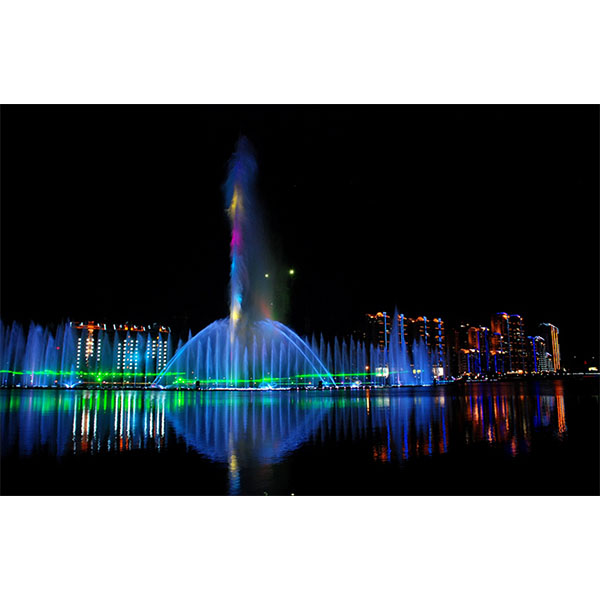
A dancing musical fountain is a sophisticated water display system that synchronizes jets, lights, and music into a unified performance. Unlike static fountains, these systems utilize advanced control software to choreograph water movements in real-time or via pre-programmed sequences. This guide explores the core technologies, diverse types, and expert insights required to design and operate world-class aquatic shows, ensuring both aesthetic brilliance and technical reliability.
What Is a Dancing Musical Fountain?
A dancing musical fountain represents the convergence of hydraulic engineering, lighting design, and audio synchronization. At its core, it is an automated system where water nozzles act as dynamic performers rather than passive decorative elements. The “dancing” effect is achieved through precise modulation of water pressure and nozzle direction, creating shapes, heights, and rhythms that match a specific musical score.
The complexity of these systems varies significantly. Entry-level installations may rely on simple timer-based controllers, while flagship projects employ real-time feedback loops and 3D simulation software. Industry professionals recognize these installations not merely as landscaping features but as complex electromechanical orchestras. The primary goal is to evoke emotion through the interplay of fluid dynamics and sensory stimuli.
Modern implementations often integrate LED technology capable of producing millions of color combinations. When combined with high-pressure pumps and servo-controlled nozzles, the result is a mesmerizing visual narrative. Understanding the underlying mechanics is crucial for stakeholders planning such investments, as the longevity and performance depend heavily on the quality of components and the sophistication of the control logic.
Core Technologies Behind the Performance
The magic of a synchronized water show lies in three pillar technologies: hydraulic control, lighting integration, and software coordination. Each component must operate with millisecond precision to maintain the illusion of water dancing to the beat.
Hydraulic Systems and Nozzle Engineering
The heart of any dancing musical fountain is its hydraulic architecture. Traditional fountains use fixed nozzles with constant flow, but dancing fountains require variable output. This is achieved through two primary methods:
- Variable Frequency Drives (VFDs): These devices control the speed of electric motors driving the pumps. By adjusting the frequency of the electrical supply, the pump speed changes, altering water pressure and jet height instantly.
- Servo-Controlled Nozzles: Advanced systems utilize nozzles equipped with servo motors. These allow the nozzle itself to tilt, rotate, or oscillate, creating sweeping arcs and weaving patterns that fixed nozzles cannot achieve.
Piping networks in these systems are designed to minimize latency. Water travels at high speeds, and any delay between the command signal and the physical jet response can break the synchronization with the music. Engineers often use specialized calculations to determine pipe diameters and pump capacities, ensuring that the reaction time remains within acceptable thresholds for human perception.
Lighting Integration and Color Theory
Lighting transforms a water display from a mechanical exercise into an artistic masterpiece. Modern systems predominantly use submerged LED fixtures due to their energy efficiency, longevity, and color versatility. Unlike older halogen systems, LEDs can switch colors instantaneously without warm-up periods.
Strategic placement is critical. Lights are positioned to illuminate the water column from below or the side, maximizing refraction and reflection. Expert designers consider the angle of incidence to ensure the light penetrates the water stream effectively, even at maximum jet heights. DMX512 protocols are commonly used to address individual fixtures, allowing for complex chasing effects and gradient transitions that mirror the musical mood.
Control Software and Synchronization
The brain of the operation is the control software. This specialized platform imports audio files and allows programmers to map specific water events to musical beats, crescendos, and pauses. There are two main approaches to programming:
- Time-Based Programming: The show is pre-choreographed frame-by-frame. Every pump speed, nozzle angle, and light color is recorded at specific timestamps. This ensures a perfect repeatable performance every time.
- Real-Time Audio Analysis: Some systems analyze the live audio input and trigger predefined water patterns based on frequency bands (bass, mid, treble). While less precise than time-based shows, this allows for improvisation and interaction with live musicians.
High-end software also includes 3D visualization tools. Before a single pipe is laid, engineers can simulate the entire show in a virtual environment. This helps identify potential collisions between water streams and optimizes the visual impact from various viewer angles.
Types of Dancing Musical Fountains
Dancing musical fountains are not a monolithic category. They are classified based on their installation environment, structural design, and operational capabilities. Selecting the right type depends on the available space, budget, and desired audience experience.
Floating Musical Fountains
Ideal for large lakes, reservoirs, and oceans, floating fountains rest on pontoon structures. These systems offer flexibility as they can be relocated if water levels change or if the venue requirements shift. The floating platform houses the pumps, control cabinets, and lighting rigs, protecting them from direct submersion while allowing easy access for maintenance.
These installations are particularly popular in natural settings where digging into the lakebed is environmentally prohibited. They can support massive jet heights, sometimes exceeding 100 meters, utilizing the vast water volume beneath them. However, they require robust anchoring systems to withstand wind and currents without disrupting the choreography.
Dry Deck Fountains
Dry deck fountains, also known as ground-level fountains, feature nozzles installed flush with the pavement. When inactive, the area appears as a standard plaza or walkway. When activated, water jets shoot upward, allowing people to walk among the streams. This interactive element makes them highly popular in urban centers and shopping districts.
The engineering challenge here lies in drainage and safety. The surrounding area must have efficient gutter systems to handle the immense volume of falling water immediately. Additionally, sensors are often integrated to detect pedestrians, automatically reducing water pressure to prevent knocking people over while maintaining the visual show for distant observers.
Indoor and Mall Fountains
Designed for enclosed spaces, indoor dancing fountains prioritize noise control and humidity management. The scale is generally smaller than outdoor counterparts, but the proximity to the audience allows for greater detail in the choreography. Acoustic treatment is essential to prevent sound reverberation from distorting the music.
These systems often incorporate mist screens or projection mapping, blending water effects with digital imagery on the walls or ceilings of the venue. The controlled environment protects sensitive electronics from weather extremes, potentially extending the lifespan of the equipment compared to exposed outdoor units.
Interactive Smart Fountains
The newest evolution in the industry is the interactive smart fountain. These systems utilize sensors, cameras, and mobile connectivity to allow audience participation. Visitors might influence the water height through motion detection, change colors via a smartphone app, or trigger specific musical themes by clapping.
This type requires sophisticated backend processing to handle multiple input streams simultaneously without lag. The software must prioritize safety limits while maximizing user engagement. Such installations are becoming key attractions for theme parks and technology expos, offering a unique blend of entertainment and user agency.
Comparative Analysis of Fountain Configurations
Choosing the right configuration involves balancing cost, maintenance, and visual impact. The following table compares the primary types of dancing musical fountains to assist in decision-making.
| Feature | Floating Fountain | Dry Deck Fountain | Indoor Fountain | Interactive Smart Fountain |
|---|---|---|---|---|
| Installation Site | Lakes, Oceans, Reservoirs | Plazas, Parks, Walkways | Malls, Lobbies, Atriums | Theme Parks, Tech Hubs |
| Jet Height Potential | Very High (50m+) | Medium (5-15m) | Low to Medium (2-8m) | Variable (User Dependent) |
| Maintenance Access | Moderate (Boat required) | Easy (Ground level) | Easy (Controlled env) | Complex (Sensor calibration) |
| Weather Resistance | High (Marine grade) | High (Heavy duty) | N/A (Climate controlled) | Moderate (Sensor sensitivity) |
| Audience Interaction | Visual Only | Physical (Walk-through) | Visual/Auditory | High (Direct Control) |
| Initial Cost | High | Medium-High | Medium | Very High |
This comparison highlights that no single solution fits all scenarios. A waterfront city might prefer the grandeur of a floating system, while a retail developer would benefit more from the foot-traffic generation of a dry deck installation. The decision matrix should always include long-term operational costs, not just the initial capital expenditure.
Step-by-Step Guide to Designing a Musical Fountain
Creating a successful dancing musical fountain is a multi-phase process that requires collaboration between civil engineers, electrical specialists, and creative directors. Skipping steps or compromising on specific phases often leads to subpar performance or frequent breakdowns.
Phase 1: Conceptualization and Feasibility
The process begins with defining the artistic vision and assessing site constraints. Stakeholders must determine the target audience, the duration of shows, and the available power and water sources. A feasibility study evaluates soil conditions for piping, wind patterns that could affect spray drift, and ambient noise levels.
During this phase, preliminary sketches and mood boards are created. Experts analyze the acoustic environment to decide if additional speaker towers are needed or if existing infrastructure suffices. The goal is to establish a realistic scope that aligns with the budget while pushing creative boundaries.
Phase 2: Hydraulic and Electrical Design
Once the concept is approved, detailed engineering drawings are produced. Hydraulic calculations determine the exact pump sizes, pipe diameters, and valve specifications needed to achieve the desired jet heights. Electrical plans map out the distribution of power to pumps, lights, and control cabinets, ensuring load balancing and surge protection.
Cable routing is a critical consideration, especially for underwater components. All cabling must be rated for continuous submersion and protected against mechanical damage. Redundancy is often built into critical systems, such as backup pumps or dual-control servers, to ensure the show can continue even if a component fails.
Phase 3: 3D Simulation and Programming
Before construction begins, the entire system is modeled in 3D software. This digital twin allows programmers to choreograph the show virtually. They import the chosen music track and begin mapping water events to the waveform. This stage is iterative; adjustments are made to timing and intensity until the visual rhythm perfectly matches the audio.
Simulation also helps identify physical conflicts. For instance, it can predict if two opposing jets will collide and create unwanted turbulence. By resolving these issues digitally, costly on-site modifications are avoided. The final output is a code file that will be uploaded to the field controllers.
Phase 4: Installation and Commissioning
Construction involves laying pipes, installing nozzles, mounting lights, and setting up the control room. Precision is paramount; a misaligned nozzle by even a few degrees can ruin a specific visual effect. After physical installation, the system undergoes rigorous testing.
Commissioning includes leak tests, electrical safety checks, and dry runs without water to verify motor responses. Once filled, the pre-programmed show is executed. Technicians fine-tune the pressure settings and light angles based on real-world observation, making micro-adjustments to perfect the synchronization.
Phase 5: Training and Handover
The final step involves training the operational staff. Operators learn how to start and stop shows, perform basic troubleshooting, and execute emergency shutdowns. Comprehensive documentation, including wiring diagrams and spare parts lists, is handed over to the client. Regular maintenance schedules are established to ensure long-term reliability.
Industry Expertise: A Case Study in Excellence
The theoretical knowledge outlined above must be grounded in practical experience to deliver world-class results. Leading the way in this field is Shenyang Feiya Water Art Garden Engineering Co., Ltd., a premier design and construction enterprise specializing in waterscape and greening projects since 2006. With a portfolio boasting over 100 large and medium-sized fountains constructed domestically and internationally, Feiya exemplifies the seamless integration of art, engineering, and ecology discussed throughout this guide.
Feiya’s success is built on a robust organizational structure comprising six specialized departments, including design, engineering, development, and operations. Their commitment to innovation is evidenced by well-equipped facilities such as a dedicated laboratory, a fountain demonstration room, and advanced equipment processing workshops. What truly sets them apart, however, is their human capital. The company employs over 80 technicians dedicated to fountain research, including 15 senior engineers—among them three professor-level experts recognized for outstanding contributions to China’s water jet industry—and 20 specialized engineers. Supported by a skilled workforce of more than 50 construction professionals, Feiya has consistently exceeded an annual production value of 10 million for four consecutive years, earning titles as an advanced taxpayer and a leader in the domestic industry.
Beyond technical prowess, Feiya adheres to strict ethical and quality standards. In 2007, the company was recognized by the Shenyang Municipal Government for contract integrity, and in 2008, it achieved Grade A qualification from the China Waterscape Fountain Committee. Their approach to landscaping goes beyond mere aesthetics; it integrates ecological balance with environmental science. By prioritizing plant materials and sustainable garden construction, Feiya creates spaces that provide both ecological and economic benefits, fulfilling their duty to provide quality humanistic ecological environments. This holistic philosophy ensures that every project, whether a towering musical fountain or a serene garden landscape, stands the test of time.
Advantages and Challenges of Implementation
Investing in a dancing musical fountain offers significant benefits but also presents distinct challenges. Understanding both sides is essential for project success.
Key Advantages
- Tourism and Economic Boost: Iconic fountains become landmarks, drawing tourists and extending visitor dwell time in commercial areas. This directly translates to increased revenue for nearby businesses.
- Brand Image Enhancement: For corporations and municipalities, a high-tech fountain signals innovation and commitment to public aesthetics. It serves as a powerful marketing tool and a centerpiece for events.
- Versatility: Modern systems can adapt to different occasions. The same fountain can host a romantic slow-dance show in the evening and an energetic pop-music display during festivals.
- Environmental Cooling: In hot climates, the mist and evaporation from large fountains provide a natural cooling effect, improving comfort for pedestrians in surrounding plazas.
Common Challenges
- Maintenance Complexity: The combination of water, electricity, and moving parts creates a harsh operating environment. Nozzles can clog, lights can fog, and pumps can wear out. A strict maintenance regimen is non-negotiable.
- Water Quality Management: Stagnant or poorly treated water leads to algae growth and mineral buildup, which can damage equipment and obscure lighting. Advanced filtration and chemical dosing systems are required.
- Noise Pollution: While the music is intended, high-decibel speakers can disturb nearby residents if not properly directed. Acoustic modeling is necessary to contain sound within the target zone.
- Energy Consumption: High-pressure pumps and extensive LED arrays consume significant power. Energy-efficient components and smart scheduling (running shows only at peak times) are strategies to mitigate this.
Expert Insights on Future Trends
The landscape of dancing musical fountains is evolving rapidly. Industry experts point to several emerging trends that will define the next generation of water shows.
Integration with Augmented Reality (AR)
Future shows may extend beyond the physical water jets. Through AR apps on smartphones, viewers could see digital characters interacting with the water streams. This layer of digital content adds a new dimension to the experience without requiring physical hardware changes. It allows for personalized experiences where different users see different narratives overlaid on the same fountain.
Sustainability and Water Conservation
As water scarcity becomes a global concern, new designs focus on zero-waste operations. Closed-loop systems with advanced filtration ensure that water is recycled continuously with minimal top-up. Solar-powered pumps and energy-recovery systems are gaining traction, reducing the carbon footprint of these large-scale installations. Experts predict that “green certification” will become a standard requirement for new public fountain projects.
AI-Driven Choreography
Artificial Intelligence is beginning to assist in the creative process. AI algorithms can analyze vast libraries of music and automatically generate choreography suggestions that match the tempo and mood. While human creativity remains central, AI tools accelerate the programming phase and offer novel pattern combinations that humans might not conceive. This democratizes high-quality show design, making it accessible for smaller budgets.
Frequently Asked Questions (FAQ)
Below are answers to common questions regarding the design, operation, and maintenance of dancing musical fountains.
How long does it take to program a musical fountain show?
The duration depends on the length and complexity of the performance. A standard 3-to-5-minute show typically requires 2 to 4 weeks of dedicated programming time. This includes music selection, beat mapping, 3D simulation, and iterative refinement. Complex shows with hundreds of nozzles and intricate lighting cues may take longer to perfect.
What happens if the power goes out during a show?
Professional systems are equipped with Uninterruptible Power Supplies (UPS) for the control units, allowing for a graceful shutdown. Pumps and lights will stop immediately to prevent erratic behavior, but the memory of the show is preserved. Once power is restored, the system can usually resume or restart automatically depending on the configured safety protocols.
Can existing static fountains be upgraded to dancing fountains?
In many cases, yes. Retrofitting involves replacing fixed nozzles with controllable ones, adding VFDs to pumps, and installing a new control system. However, a structural assessment is necessary to ensure the existing piping and basin can handle the dynamic pressures and additional electrical loads. Some older systems may require significant civil works to accommodate the upgrade.
How often does the water need to be changed?
With a proper filtration and chemical treatment system, the water in a dancing musical fountain does not need to be completely changed frequently. Instead, it is continuously filtered and treated. Partial draining and cleaning are typically performed seasonally or annually, depending on the local climate and usage intensity. Regular testing of pH and chlorine levels is conducted daily.
Are dancing fountains safe for children?
Safety is a primary design consideration. Dry deck fountains often include slip-resistant surfaces and pressure sensors to reduce jet force when someone is near. Electrical components are strictly isolated and grounded to prevent shock hazards. However, adult supervision is always recommended, especially in interactive zones where children might run among the jets.
Conclusion and Strategic Recommendations
A dancing musical fountain is more than a decorative water feature; it is a dynamic fusion of art and engineering that captivates audiences and elevates public spaces. From the precise hydraulic controls to the synchronized lighting and audio, every element plays a vital role in delivering a seamless performance. As technology advances, these systems are becoming more efficient, interactive, and sustainable, offering endless possibilities for creative expression.
For municipalities, developers, and business owners, the decision to invest in such a system should be driven by a clear understanding of the site’s unique needs and the intended audience experience. Whether opting for a majestic floating display on a lake or an interactive dry deck fountain in a busy plaza, the key to success lies in partnering with experienced professionals who understand the intricacies of hydro-mechanical synchronization. Companies like Shenyang Feiya Water Art Garden Engineering Co., Ltd. demonstrate how deep technical expertise, combined with a commitment to ecological harmony, can transform a conceptual vision into a lasting landmark.
If you are considering a new installation or an upgrade to an existing water feature, the next step is to conduct a comprehensive site analysis and define your artistic goals. Engaging with specialist engineers early in the planning process ensures that technical constraints are addressed before they become costly obstacles. By prioritizing quality components and robust design, you can create a lasting landmark that continues to delight visitors for years to come.