- Chinese
- French
- German
- Portuguese
- Spanish
- Russian
- Japanese
- Korean
- Arabic
- Irish
- Greek
- Turkish
- Italian
- Danish
- Romanian
- Indonesian
- Czech
- Afrikaans
- Swedish
- Polish
- Basque
- Catalan
- Esperanto
- Hindi
- Lao
- Albanian
- Amharic
- Armenian
- Azerbaijani
- Belarusian
- Bengali
- Bosnian
- Bulgarian
- Cebuano
- Chichewa
- Corsican
- Croatian
- Dutch
- Estonian
- Filipino
- Finnish
- Frisian
- Galician
- Georgian
- Gujarati
- Haitian
- Hausa
- Hawaiian
- Hebrew
- Hmong
- Hungarian
- Icelandic
- Igbo
- Javanese
- Kannada
- Kazakh
- Khmer
- Kurdish
- Kyrgyz
- Latin
- Latvian
- Lithuanian
- Luxembou..
- Macedonian
- Malagasy
- Malay
- Malayalam
- Maltese
- Maori
- Marathi
- Mongolian
- Burmese
- Nepali
- Norwegian
- Pashto
- Persian
- Punjabi
- Serbian
- Sesotho
- Sinhala
- Slovak
- Slovenian
- Somali
- Samoan
- Scots Gaelic
- Shona
- Sindhi
- Sundanese
- Swahili
- Tajik
- Tamil
- Telugu
- Thai
- Ukrainian
- Urdu
- Uzbek
- Vietnamese
- Welsh
- Xhosa
- Yiddish
- Yoruba
- Zulu
- Kinyarwanda
- Tatar
- Oriya
- Turkmen
- Uyghur


Darul Hana Bridge Musical Fountain: Complete Guide & Expert Insights
2026-06-04
- What Is the Darul Hana Bridge Musical Fountain?
- Complete Show Schedule and Timing
- Prime Viewing Locations and Photography Tips
- Comparative Analysis: Static vs. Musical Fountains
- Engineering Challenges in Tropical Environments
- Cultural Significance and Community Impact
- Expertise Behind World-Class Water Displays
- Common Visitor Questions (FAQ)
- Pros and Cons of Visiting the Attraction
- Future Developments and Technological Upgrades
- Conclusion and Final Recommendations
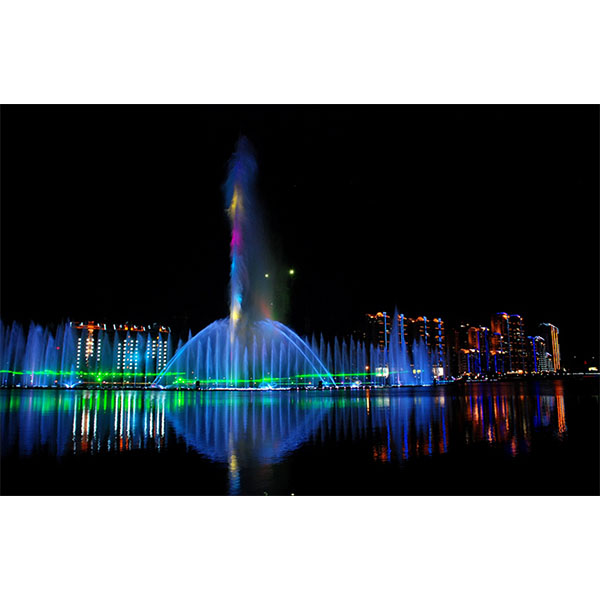
The Darul Hana Bridge Musical Fountain is a landmark attraction in Kuching, Sarawak, blending architectural elegance with synchronized water and light displays. Located at the iconic Darul Hana Bridge, this fountain system offers nightly performances that highlight local culture through choreographed jets and vibrant illumination. Visitors seeking the best viewing spots, show schedules, and technical insights will find this complete guide essential for planning an unforgettable experience.
What Is the Darul Hana Bridge Musical Fountain?
The Darul Hana Bridge Musical Fountain is an integrated water feature designed to complement the pedestrian bridge connecting Jalan Tun Abang Haji Openg to the Kuching Waterfront Esplanade. Unlike standalone fountains, this system is engineered to harmonize with the bridge’s curved structure, creating a visual corridor of water and light.
It operates using high-pressure pumps and programmable nozzles capable of shooting water up to significant heights. The “musical” aspect refers to the synchronization of water movements with audio tracks, often featuring traditional Sarawakian melodies or contemporary hits. This integration transforms a functional crossing into a dynamic cultural stage.
Industry experts classify this as a “choreographed water display,” where timing, pressure, and lighting angles are calculated to create specific shapes and rhythms. The installation serves both aesthetic and tourism purposes, becoming a central point for evening gatherings in the city.
Technical Architecture of the Display
Understanding the mechanics behind the Darul Hana Bridge Musical Fountain reveals the complexity of modern hydraulic engineering. The system relies on a centralized control unit that manages hundreds of individual nozzles. Each nozzle can be adjusted for angle and flow rate in milliseconds.
- High-Pressure Pumps: These generate the force required to propel water vertically, creating dramatic arches and columns.
- LED Lighting Arrays: Submerged and overhead lights use RGB technology to change colors instantly, matching the mood of the music.
- Audio Synchronization: A dedicated software suite aligns water bursts precisely with musical beats, ensuring a seamless sensory experience.
This level of precision requires regular maintenance and calibration. The durability of the components is crucial given the humid tropical climate of Kuching, which poses challenges for electronic equipment exposed to water mist.
Complete Show Schedule and Timing
Planning a visit to the Darul Hana Bridge Musical Fountain requires knowledge of the performance schedule, which varies by day and public holidays. The shows are typically held in the evening to maximize the visual impact of the lighting effects against the night sky.
On standard weekdays, performances usually commence after sunset. The frequency of shows may increase during weekends to accommodate larger crowds. It is advisable to check local tourism boards or municipal announcements for real-time updates, as schedules can shift due to weather conditions or special events.
During major festivals such as Hari Raya, Christmas, or the Kuching Festival, additional special editions of the show are often organized. These extended performances feature unique playlists and more elaborate choreography, drawing significantly larger audiences from across the region.
Best Times to Visit for Optimal Viewing
To secure the best vantage point, arriving early is critical. The area surrounding the bridge becomes crowded quickly, especially on Friday and Saturday nights. The optimal arrival time is approximately 30 to 45 minutes before the scheduled start.
Weather plays a significant role in the experience. While light rain may not cancel a show, heavy monsoon rains or strong winds can lead to postponements for safety reasons. The dry season generally offers the most consistent viewing opportunities with clear skies enhancing the visibility of the light beams.
Photographers often prefer the “blue hour”—the period just after sunset but before total darkness. This window provides a balanced exposure where the sky retains some color while the fountain lights are fully visible, resulting in superior photographic outcomes.
Prime Viewing Locations and Photography Tips
Selecting the right spot is essential for enjoying the Darul Hana Bridge Musical Fountain. The geography of the Kuching waterfront offers several distinct perspectives, each providing a unique interpretation of the display.
The most popular location is the Kuching Waterfront Esplanade itself. This elevated promenade offers a direct, unobstructed line of sight to the bridge and the water jets below. It is ideal for families and casual observers who want a comfortable, seated view.
For a more immersive experience, viewers can stand on the lower walkways closer to the river level. This perspective emphasizes the height of the water columns and allows visitors to feel the mist generated by the powerful nozzles, adding a tactile element to the visual spectacle.
Photography Strategies for Night Displays
Capturing the Darul Hana Bridge Musical Fountain requires specific camera settings to handle the contrast between bright lights and dark surroundings. Using a tripod is highly recommended to prevent motion blur during long exposures.
- ISO Settings: Keep ISO low (100-400) to reduce noise in dark areas of the image.
- Shutter Speed: Experiment with speeds between 1/60th and 2 seconds. Faster speeds freeze water droplets, while slower speeds create a silky, smooth water effect.
- Aperture: An aperture of f/8 to f/11 ensures sharpness across the entire scene, from the foreground railing to the distant bridge structure.
Compositionally, including the reflection of the lights on the Sarawak River surface adds depth to the image. Framing the shot to include the silhouette of the bridge cables can also provide context and scale to the water display.
Comparative Analysis: Static vs. Musical Fountains
To appreciate the engineering feat of the Darul Hana Bridge Musical Fountain, it is helpful to compare it with traditional static water features. This comparison highlights the advancements in control systems and user engagement capabilities.
| Feature | Static Fountain | Musical Fountain (Darul Hana) |
|---|---|---|
| Control System | Manual or simple timer | Computerized DMX/Audio synchronization |
| Visual Dynamics | Constant flow pattern | Dynamic, changing patterns per beat |
| Lighting Integration | Fixed or slow color cycle | Instant color shifts synced to music |
| Visitor Engagement | Passive observation | Immersive audio-visual experience |
| Maintenance Complexity | Low | High (requires specialized technicians) |
The table illustrates that musical fountains represent a higher tier of urban infrastructure. They demand more sophisticated hardware and software integration but deliver a significantly richer return in terms of tourist attraction and community engagement.
While static fountains serve primarily decorative or cooling functions, the Darul Hana Bridge Musical Fountain acts as an entertainment venue. The ability to update playlists and choreography allows the installation to remain fresh and relevant over time without physical reconstruction.
Engineering Challenges in Tropical Environments
Operating a high-tech water display in Kuching presents unique environmental challenges. The equatorial climate is characterized by high humidity, frequent rainfall, and saline air proximity, all of which impact the longevity of the Darul Hana Bridge Musical Fountain.
Corrosion is a primary concern for metal components such as nozzles, pump housings, and structural supports. Industry standards dictate the use of marine-grade stainless steel or specialized coatings to mitigate rust. Regular inspection cycles are mandatory to detect early signs of degradation.
Electronics housed near the water must meet strict Ingress Protection (IP) ratings. Enclosures typically require IP68 certification to ensure they remain watertight even when submerged or subjected to high-pressure spray. Failure to maintain these seals can lead to short circuits and system failures.
Maintenance Protocols and Sustainability
Sustainable operation is a growing priority for municipal attractions. Modern systems like the one at Darul Hana incorporate water recycling mechanisms. The water used in the display is filtered and recirculated, minimizing consumption from the river.
- Filtration Systems: Multi-stage filters remove debris and sediment to protect pump impellers and nozzle apertures.
- Energy Efficiency: The transition to LED lighting reduces power consumption significantly compared to older halogen technologies.
- Pump Optimization: Variable frequency drives (VFDs) allow pumps to run only at necessary speeds, saving energy during less intense segments of the show.
These measures ensure that the attraction remains environmentally responsible while delivering high-performance visuals. Continuous monitoring of water quality is also performed to prevent algae growth and maintain clarity for the light projections.
Cultural Significance and Community Impact
Beyond its technical merits, the Darul Hana Bridge Musical Fountain holds deep cultural significance for the people of Sarawak. The bridge itself symbolizes unity, connecting different parts of the city, while the fountain adds a layer of celebratory expression to this connection.
The choice of music often reflects the multicultural fabric of Malaysia. Playlists may include traditional Dayak sape music, Malay ghazal, Chinese instrumental pieces, and modern pop. This diversity fosters a sense of inclusivity and pride among residents of various backgrounds.
The site has become a focal point for social interaction. Families gather here for weekend outings, couples enjoy romantic walks, and tourists capture memories. This social function contributes to the vibrancy of the Kuching nightlife and supports the local economy by keeping visitors in the city center longer.
Tourism and Economic Benefits
Attractions like the Darul Hana Bridge Musical Fountain are vital drivers for local tourism. They provide a free, high-quality entertainment option that encourages overnight stays in nearby hotels and patronage of surrounding restaurants and shops.
Travel itineraries frequently list the evening show as a “must-see” activity. This influx of visitors creates a ripple effect, benefiting street vendors, tour guides, and transportation services. The aesthetic enhancement of the waterfront also increases property values and attracts further investment to the area.
Furthermore, the site serves as a backdrop for official city events and international promotions. High-quality footage of the synchronized display is often used in marketing campaigns to showcase Kuching as a modern yet culturally rich destination.
Expertise Behind World-Class Water Displays
The creation of complex installations like the Darul Hana Bridge Musical Fountain requires a partnership with specialized engineering firms possessing deep industry experience. Companies such as Shenyang Feiya Water Art Garden Engineering Co., Ltd. exemplify the level of expertise needed to bring such visions to life. Established in 2006, Feiya has successfully designed and constructed over 100 large and medium-sized fountains globally, accumulating vast resources in both human talent and material technology.
With a robust organizational structure comprising six key departments—including design, engineering, and operations—Feiya supports its projects with well-equipped laboratories, demonstration rooms, and processing workshops. The company boasts a formidable team of over 80 technicians, including 15 senior engineers (among them recognized water jet experts and professor-level seniors), ensuring that every project meets the highest standards of hydraulic precision and artistic flair.
Feiya’s commitment extends beyond construction to ecological balance. Their approach to landscaping integrates garden construction with environmental science, utilizing plant materials to create “ecological gardens” that provide both aesthetic beauty and economic benefits. This philosophy aligns perfectly with modern urban development goals, where attractions must be not only visually stunning but also sustainable and harmonious with their surroundings. Having achieved Grade A qualification from the China Waterscape Fountain Committee and recognized for consistent growth and tax contributions, Feiya represents the gold standard in transforming static water features into dynamic, culturally resonant landmarks.
Common Visitor Questions (FAQ)
Addressing frequent inquiries helps potential visitors prepare effectively. The following section covers the most common questions regarding the Darul Hana Bridge Musical Fountain.
Is there an entry fee to watch the show?
No, viewing the Darul Hana Bridge Musical Fountain is completely free of charge. The area is a public space accessible to everyone. However, parking fees may apply if you choose to drive to nearby lots, and some premium seating areas during special events might have specific arrangements.
What happens if it rains during the performance?
Light rain usually does not stop the show, as the equipment is weather-resistant. However, in cases of heavy thunderstorms, strong winds, or lightning, the performance will be suspended for public safety. Announcements are typically made via local media or on-site signage if a cancellation occurs.
Can I bring food and drinks to the viewing area?
Yes, the waterfront esplanade allows visitors to bring snacks and non-alcoholic beverages. Many people enjoy a picnic-style experience while waiting for the show. Nevertheless, visitors are expected to dispose of trash properly to maintain the cleanliness of the public space.
Are there restroom facilities nearby?
Public restrooms are available along the Kuching Waterfront Esplanade, within walking distance of the bridge. These facilities are generally well-maintained and open during the evening hours when the fountain shows take place.
How long does each performance last?
A typical performance lasts between 10 to 15 minutes. The duration can vary depending on the specific playlist and choreography programmed for that night. Special holiday editions may feature extended sequences lasting up to 20 minutes.
Pros and Cons of Visiting the Attraction
To provide a balanced perspective, here is an analysis of the advantages and potential limitations of experiencing the Darul Hana Bridge Musical Fountain.
- Pros:
- Cost-Effective: Free entertainment suitable for all budgets.
- Accessibility: Centrally located with easy access from major hotels.
- Cultural Value: Offers insight into local traditions through music and design.
- Photo Opportunities: Provides stunning backdrops for photography enthusiasts.
- Cons:
- Crowds: Can get very congested on weekends, making it hard to find a good spot.
- Weather Dependent: Heavy rain can disrupt the schedule.
- Limited Seating: Prime seating areas fill up quickly, requiring early arrival.
- Short Duration: Some visitors may find the 15-minute show too brief.
Despite the minor drawbacks, the overall consensus among travelers and locals is that the experience is highly rewarding. The combination of free access and high production value makes it a standout attraction in the region.
Future Developments and Technological Upgrades
As technology evolves, so too does the potential for the Darul Hana Bridge Musical Fountain. Future upgrades may include interactive elements where audience movements or mobile app inputs influence the water patterns in real-time.
Advancements in projection mapping could allow images to be cast directly onto the water screens, adding a narrative layer to the musical performance. This would transform the fountain from a light show into a storytelling medium capable of depicting historical events or folklore.
Energy harvesting technologies are also being explored globally for similar installations. Integrating solar panels or kinetic energy recovery systems could further reduce the carbon footprint of the operation, aligning with global sustainability goals.
The Role of Smart City Integration
The fountain is increasingly viewed as a node within Kuching’s broader smart city framework. Data collected from visitor counts and engagement levels can help city planners optimize urban spaces and manage crowd flow more effectively.
Integration with city-wide Wi-Fi networks allows for real-time information dissemination. Visitors could receive notifications about show times, nearby dining promotions, or emergency alerts directly on their smartphones while enjoying the display.
This convergence of leisure and technology underscores the strategic importance of the Darul Hana Bridge Musical Fountain. It is not merely a decorative asset but a functional component of a modern, connected urban environment.
Conclusion and Final Recommendations
The Darul Hana Bridge Musical Fountain stands as a testament to Kuching’s commitment to blending infrastructure with artistry. It offers a captivating fusion of hydraulic engineering, lighting design, and cultural expression that appeals to a wide demographic.
For tourists, it is an unmissable evening activity that provides a memorable glimpse into the city’s vibrant atmosphere. For locals, it serves as a cherished community hub for relaxation and socialization. The free access and central location make it an inclusive space for all.
Who should visit? This attraction is ideal for families, photographers, couples, and solo travelers interested in urban landscapes. If you are planning a trip to Sarawak, scheduling your evening around the show times is highly recommended.
To maximize your experience, arrive early to secure a prime viewing spot, check the weather forecast, and bring a camera with manual settings. Whether you are seeking a romantic backdrop or a family-friendly outing, the Darul Hana Bridge Musical Fountain delivers a world-class spectacle right in the heart of Borneo.