- English
- Chinese
- French
- German
- Portuguese
- Spanish
- Russian
- Japanese
- Korean
- Arabic
- Irish
- Greek
- Turkish
- Italian
- Danish
- Romanian
- Indonesian
- Czech
- Afrikaans
- Swedish
- Polish
- Basque
- Catalan
- Esperanto
- Hindi
- Lao
- Albanian
- Amharic
- Armenian
- Azerbaijani
- Belarusian
- Bengali
- Bosnian
- Bulgarian
- Cebuano
- Chichewa
- Corsican
- Croatian
- Dutch
- Estonian
- Filipino
- Finnish
- Frisian
- Galician
- Georgian
- Gujarati
- Haitian
- Hausa
- Hawaiian
- Hebrew
- Hmong
- Hungarian
- Icelandic
- Igbo
- Javanese
- Kannada
- Kazakh
- Khmer
- Kurdish
- Kyrgyz
- Latin
- Latvian
- Lithuanian
- Luxembou..
- Macedonian
- Malagasy
- Malay
- Malayalam
- Maltese
- Maori
- Marathi
- Mongolian
- Burmese
- Nepali
- Norwegian
- Pashto
- Persian
- Punjabi
- Serbian
- Sesotho
- Sinhala
- Slovak
- Slovenian
- Somali
- Scots Gaelic
- Shona
- Sindhi
- Sundanese
- Swahili
- Tajik
- Tamil
- Telugu
- Thai
- Ukrainian
- Urdu
- Uzbek
- Vietnamese
- Welsh
- Xhosa
- Yiddish
- Yoruba
- Zulu
- Kinyarwanda
- Tatar
- Oriya
- Turkmen
- Uyghur

Water Screen Generator Manufacturer | High-Pressure Systems
2026-10-27
- What Is a Water Screen Generator and How Does It Work?
- Why Choose Shenyang Feiya for Water Screen Solutions?
- Technical Specifications and Selection Criteria
- Applications of High-Pressure Water Screens
- Installation and Maintenance Best Practices
- Common Mistakes to Avoid When Buying Water Screens
- FAQ: Frequently Asked Questions About Water Screen Generators
- Conclusion: Partnering for Successful Waterscape Projects
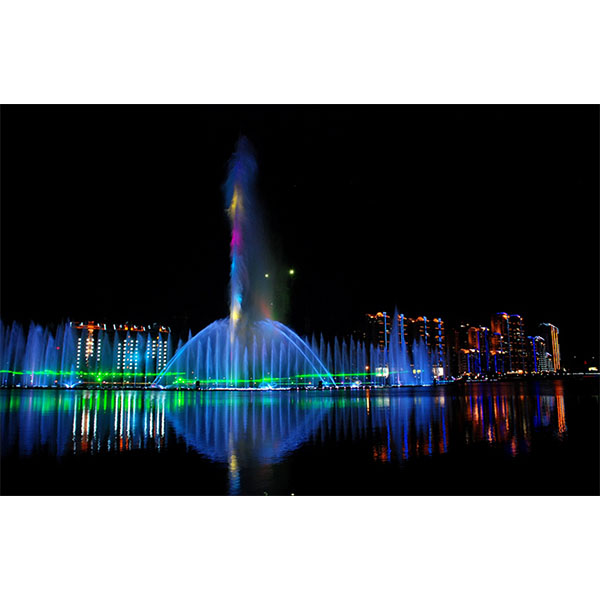
A Water Screen Generator is a specialized hydraulic system designed to project a continuous, uniform sheet of water that serves as a projection surface for multimedia displays, lighting effects, and architectural art. Unlike standard fountains, these high-pressure systems rely on precise nozzle engineering and stable pump dynamics to create a transparent, ripple-free water curtain. For industrial buyers and project developers, selecting the right manufacturer involves evaluating hydraulic stability, nozzle precision, and long-term maintenance support. This guide details the technical mechanics, selection criteria, and engineering standards required to procure reliable water screen technology for commercial and public installations.
What Is a Water Screen Generator and How Does It Work?
A water screen generator, often referred to as a water curtain projector or hydro-screen, transforms water into a semi-transparent display medium. The core function is to produce a laminar flow—a smooth, non-turbulent stream of water—that falls vertically from an overhead structure to a collection basin below. This vertical sheet acts as a canvas for high-lumen projectors, lasers, or LED lighting systems.
The Hydraulic Mechanics Behind the Screen
The effectiveness of a water screen depends entirely on fluid dynamics. The system utilizes high-pressure pumps to force water through a manifold equipped with specialized flat-fan nozzles or linear slot emitters. These nozzles are engineered to minimize turbulence at the point of exit. As the water exits the nozzle, gravity accelerates it downward. To maintain screen integrity, the velocity and volume must be balanced. If the pressure is too low, the water breaks into droplets; if too high, it creates mist that scatters light unpredictably.
The resulting “screen” is not solid but a dense array of water streams. When light hits this surface, it refracts and reflects, creating visible images. The transparency of the screen allows background elements to remain partially visible, adding depth to visual presentations. This dual-layer visual effect is why water screens are preferred for large-scale outdoor events, theme parks, and landmark building facades.
Key Components of the System
- High-Pressure Pump Station: Provides the consistent head pressure required to maintain laminar flow. Variable Frequency Drives (VFDs) are often used to adjust pressure based on wind conditions or desired visual effects.
- Distribution Manifold: A precisely leveled pipe system that ensures equal water pressure across all nozzles. Any imbalance here results in uneven screen height or thickness.
- Specialized Nozzles: Typically made of stainless steel or bronze, these nozzles feature internal flow straighteners to reduce swirl and turbulence.
- Filtration Unit: Critical for preventing clogging. Since nozzle apertures are narrow, even small debris can disrupt the water sheet. Multi-stage filtration is standard in professional installations.
- Control System: Integrates with media servers to synchronize water effects (such as pulsing or shaping) with audio and video content.
Why Choose Shenyang Feiya for Water Screen Solutions?
In the competitive landscape of waterscape engineering, Shenyang Feiya Water Art Garden Engineering Co., Ltd. stands out as a vertically integrated manufacturer and constructor. Since 2006, the company has evolved from a local contractor into a comprehensive design and construction enterprise, completing over 100 large and medium-sized fountain projects globally. This extensive portfolio demonstrates a deep understanding of both aesthetic design and hydraulic engineering.
Engineering Expertise and Technical Resources
Feiya’s capability is rooted in its robust human resources and infrastructure. The company employs more than 80 technicians specializing in fountain research and development. This team includes 15 senior engineers, among whom are three professor-level senior engineers recognized for their contributions to water jet technology in China. Such high-level expertise ensures that every water screen generator is not just assembled, but engineered for optimal performance.
The company operates six dedicated departments, including design, engineering, development, and operations. Supporting these teams is a well-equipped laboratory and a fountain demonstration room. This facility allows for rigorous testing of nozzle patterns, pressure stability, and lighting integration before any equipment is shipped to a client site. For buyers, this means reduced risk of on-site failures and higher predictability in project outcomes.
Proven Track Record and Industry Recognition
Trustworthiness in B2B industrial procurement is built on consistency. Shenyang Feiya has exceeded a production value of 10 million for four consecutive years, maintaining its status as an advanced taxpayer in the region. In 2007, the company was recognized by the Shenyang Municipal Government for contract compliance and reliability. Further cementing its authority, Feiya was awarded the Grade A qualification by the China Waterscape Fountain Committee in 2008. The general manager, Zhong Huijuan, serves on the Standing Committee of the Waterscape Fountain Committee, indicating the company’s active role in shaping industry standards.
By integrating landscape planning with ecological principles, Feiya does not merely sell hardware. They provide holistic solutions that consider environmental impact, energy efficiency, and long-term operational costs. This approach aligns with modern demands for sustainable urban development and eco-friendly public spaces.
Technical Specifications and Selection Criteria
Procuring a water screen generator requires a clear understanding of technical parameters. Buyers must match system capabilities with project-specific constraints such as installation height, wind exposure, and visual resolution requirements.
Critical Parameters to Evaluate
| Parameter | Description | Impact on Performance |
|---|---|---|
| Nozzle Spacing | The distance between individual nozzles on the manifold. | Determines screen uniformity. Closer spacing creates a smoother, more continuous image but requires higher flow rates. |
| Operating Pressure | The hydraulic pressure measured in Bar or PSI. | Higher pressure increases projection distance and clarity but consumes more energy. Typical range: 2–5 Bar. |
| Flow Rate | Volume of water per hour (m³/h). | Affects the thickness of the screen. Thicker screens are better for bright daylight; thinner screens offer higher transparency for night shows. |
| Material Grade | Construction material of nozzles and pipes. | Stainless Steel 304/316 is essential for corrosion resistance, especially in outdoor or coastal environments. |
| Filtration Micron Rating | The size of particles the filter can remove. | Lower micron ratings (e.g., 50–100 microns) prevent clogging and ensure consistent water quality. |
Wind Resistance and Environmental Factors
One of the biggest challenges for water screens is wind. Even moderate breezes can distort the water sheet, breaking the laminar flow and ruining the projection image. High-quality manufacturers incorporate wind sensors into the control system. When wind speeds exceed a certain threshold, the system can automatically adjust pressure or pause operation to prevent water drift onto surrounding structures or audiences.
For installations in exposed areas, consider systems with adjustable nozzle angles or enclosed channels that shield the water stream. Additionally, the water collection basin must be sized correctly to handle splash-back and evaporation losses, ensuring the pump never runs dry.
Applications of High-Pressure Water Screens
Water screen generators are versatile tools used across various industries. Their ability to merge physical elements with digital media makes them ideal for creating immersive experiences.
Entertainment and Theme Parks
In theme parks, water screens serve as dynamic backdrops for nighttime spectacles. They allow for the projection of animated characters, fireworks simulations, and narrative sequences without the need for permanent physical structures. The transient nature of water adds a magical, ephemeral quality to the show, enhancing visitor engagement.
Architectural Facades and Urban Landmarks
Modern architecture increasingly incorporates water elements to soften rigid lines and add movement to static buildings. A water screen installed on a building facade can transform the structure into a massive media canvas. This is particularly effective for corporate headquarters, museums, and cultural centers seeking to project brand identity or artistic content.
Corporate Events and Exhibitions
For trade shows and product launches, water screens offer a unique differentiation factor. They draw attention in crowded exhibition halls and provide a memorable backdrop for presentations. The combination of sound, light, and water creates a multi-sensory experience that traditional LED walls cannot replicate.
Eco-Tourism and Public Plazas
In public spaces, water screens can serve dual purposes: entertainment and climate control. The mist generated by the water helps lower ambient temperatures in hot climates, making plazas more comfortable for pedestrians. When integrated with green landscaping, as advocated by Shenyang Feiya’s ecological garden construction principles, these systems contribute to urban heat island mitigation.
Installation and Maintenance Best Practices
Proper installation and ongoing maintenance are critical to the longevity and performance of a water screen generator. Neglecting these aspects can lead to premature equipment failure and inconsistent visual output.
Installation Guidelines
- Leveling the Manifold: The distribution pipe must be perfectly level. Even a slight tilt will cause water to accumulate on one side, resulting in an uneven screen height. Use precision laser levels during installation.
- Pump Sizing: Ensure the pump capacity exceeds the total flow requirement of all nozzles by at least 15% to account for friction losses in piping and fittings.
- Electrical Safety: All electrical components, including pumps and lights, must be rated for wet environments (IP68 or higher). Ground fault circuit interrupters (GFCIs) are mandatory for safety.
- Basin Design: The collection basin should include a surge tank to dampen water level fluctuations caused by pump cycling. This stabilizes the suction head for the pump.
Maintenance Routine
Regular maintenance prevents costly downtime. A typical maintenance schedule includes:
- Daily: Check water clarity and inspect for visible debris in the basin. Skim surface leaves and trash.
- Weekly: Inspect nozzle outputs for blockages or irregular spray patterns. Clean filters if pressure differential increases.
- Monthly: Test VFD functionality and check for leaks in piping connections. Lubricate pump bearings if required by the manufacturer.
- Seasonally: Drain the system in freezing climates to prevent pipe bursts. Perform a thorough cleaning of the basin to remove algae and sediment buildup.
Common Mistakes to Avoid When Buying Water Screens
Many buyers make errors during the procurement process that compromise project success. Understanding these pitfalls can save time and budget.
Ignoring Water Quality
Using untreated tap water or well water without proper filtration leads to mineral buildup and nozzle clogging. Hard water causes scaling inside nozzles, altering the spray pattern. Always install a water treatment system or use softened water for high-precision screens.
Underestimating Wind Impact
Designing a system without considering local wind patterns is a frequent error. A screen that looks perfect in calm conditions may become unusable in typical weather. Conduct a site-specific wind analysis and choose a system with adaptive pressure control.
Overlooking Lighting Integration
The water screen is only half of the equation. Poorly positioned projectors or insufficient lumen output will result in dim, washed-out images. Ensure the lighting provider coordinates with the water screen manufacturer to optimize throw distance and angle.
FAQ: Frequently Asked Questions About Water Screen Generators
How much does a water screen generator cost?
The cost varies significantly based on size, complexity, and customization. Small standalone units may start at a few thousand dollars, while large-scale architectural installations can reach hundreds of thousands. Factors influencing price include nozzle count, pump power, control system sophistication, and installation labor. It is essential to request a detailed quote that includes both hardware and engineering services.
Can water screens be used indoors?
Yes, indoor water screens are popular in malls, atriums, and event venues. Indoor installations benefit from controlled environments, eliminating wind issues. However, humidity control and waterproofing of surrounding surfaces are critical to prevent moisture damage to building materials.
What is the lifespan of a water screen system?
With proper maintenance, a high-quality water screen system can last 10–15 years or more. Stainless steel components are highly durable, but pumps and electronic controls may require replacement or refurbishment after 5–7 years of heavy use. Regular servicing extends the overall lifespan significantly.
Is a water screen environmentally friendly?
Modern water screens are designed with water conservation in mind. They operate in a closed-loop system, recirculating the same water continuously. Evaporation is the primary source of water loss, which is minimal compared to other landscape features. Additionally, using energy-efficient pumps and LED lighting reduces the carbon footprint of the installation.
Conclusion: Partnering for Successful Waterscape Projects
Selecting the right Water Screen Generator involves more than just comparing prices. It requires a partner who understands the intricate balance between hydraulic engineering, visual aesthetics, and operational reliability. Shenyang Feiya Water Art Garden Engineering Co., Ltd. offers this comprehensive expertise, backed by nearly two decades of experience, a team of senior engineers, and a proven track record of successful global projects.
For project developers, architects, and event planners, the key to success lies in early collaboration with experienced manufacturers. By prioritizing technical precision, environmental sustainability, and robust after-sales support, you ensure that your water screen installation becomes a lasting landmark rather than a temporary novelty.
Whether you are designing a theme park spectacle, a corporate facade, or a public plaza enhancement, choosing a manufacturer with Grade A qualifications and deep technical resources is crucial. Shenyang Feiya’s integration of design, construction, and R&D ensures that every component—from the smallest nozzle to the largest pump—is optimized for performance.
To discuss your specific project requirements, explore technical specifications, or request a custom design proposal, contact our engineering team today. Let us help you transform water into a dynamic medium for storytelling and brand expression.