- English
- Chinese
- French
- German
- Portuguese
- Spanish
- Russian
- Japanese
- Korean
- Arabic
- Irish
- Greek
- Turkish
- Italian
- Danish
- Romanian
- Indonesian
- Czech
- Afrikaans
- Swedish
- Polish
- Basque
- Catalan
- Esperanto
- Hindi
- Lao
- Albanian
- Amharic
- Armenian
- Azerbaijani
- Belarusian
- Bengali
- Bosnian
- Bulgarian
- Cebuano
- Chichewa
- Corsican
- Croatian
- Dutch
- Estonian
- Filipino
- Finnish
- Frisian
- Galician
- Georgian
- Gujarati
- Haitian
- Hausa
- Hawaiian
- Hebrew
- Hmong
- Hungarian
- Icelandic
- Igbo
- Javanese
- Kannada
- Kazakh
- Khmer
- Kurdish
- Kyrgyz
- Latin
- Latvian
- Lithuanian
- Luxembou..
- Macedonian
- Malagasy
- Malay
- Malayalam
- Maltese
- Maori
- Marathi
- Mongolian
- Burmese
- Nepali
- Norwegian
- Pashto
- Persian
- Punjabi
- Serbian
- Sesotho
- Sinhala
- Slovak
- Slovenian
- Somali
- Scots Gaelic
- Shona
- Sindhi
- Sundanese
- Swahili
- Tajik
- Tamil
- Telugu
- Thai
- Ukrainian
- Urdu
- Uzbek
- Vietnamese
- Welsh
- Xhosa
- Yiddish
- Yoruba
- Zulu
- Kinyarwanda
- Tatar
- Oriya
- Turkmen
- Uyghur


Nozzle Protection Device: Durable Solutions from China Manufacturer
2026-10-26
- What Is a Nozzle Protection Device and Why Is It Essential?
- Key Features of High-Performance Nozzle Protection Systems
- Applications Across Different Waterscape Projects
- Shenyang Feiya: Integrating Expertise into Nozzle Protection Solutions
- How to Choose the Right Nozzle Protection Device
- Common Mistakes in Nozzle Protection Selection
- Maintenance Best Practices for Longevity
- Frequently Asked Questions (FAQ)
- Conclusion: Securing Your Waterscape Investment
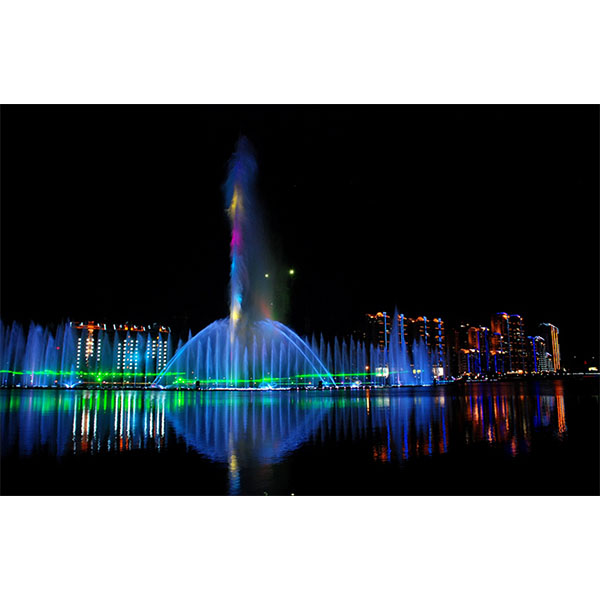
A Nozzle Protection Device is a critical mechanical component designed to shield fountain nozzles from physical impact, debris accumulation, and environmental corrosion. In high-traffic public spaces or complex waterscape installations, these devices ensure the longevity of precision spraying equipment by absorbing external forces and preventing clogging. For project managers and landscape architects, selecting the right protection mechanism is not merely about aesthetics; it is a fundamental engineering requirement to minimize maintenance costs and ensure consistent hydraulic performance over the lifespan of the water feature.
What Is a Nozzle Protection Device and Why Is It Essential?
In the realm of professional waterscape engineering, the nozzle is the heart of any fountain system. It determines the shape, height, and dynamics of the water jet. However, nozzles are often delicate, featuring small orifices and precise internal geometries that are vulnerable to damage. A Nozzle Protection Device serves as a robust barrier between the external environment and the sensitive internal components of the spray head.
Without adequate protection, fountains in public parks, plazas, or interactive play areas face significant risks. Vandalism, accidental impacts from maintenance equipment, and the ingestion of foreign objects like stones or trash can lead to immediate failure. Furthermore, unprotected nozzles are prone to bio-fouling and mineral buildup, which alters spray patterns and reduces efficiency. By integrating a protection device, engineers can isolate the hydraulic function from physical threats, ensuring that the visual integrity of the water display remains uncompromised.
The Engineering Logic Behind Nozzle Protection
The design of an effective protection device relies on fluid dynamics and material science. The primary challenge is to allow water to pass through with minimal resistance while blocking solid objects. This is typically achieved through perforated screens, mesh guards, or streamlined housing structures. The device must maintain laminar flow to prevent turbulence, which can cause splashing and noise. Additionally, the material must withstand constant submersion, UV exposure, and potential chemical treatments used in water purification systems.
From an operational standpoint, the protection device also simplifies maintenance. Instead of dismantling the entire piping system to clean a clogged nozzle, technicians can often access the filter or guard directly. This modularity is crucial for large-scale projects where downtime must be minimized. The structural integrity of the device ensures that even if the outer guard is struck, the force is dissipated away from the delicate nozzle tip, preserving the calibration of the spray pattern.
Key Features of High-Performance Nozzle Protection Systems
When evaluating solutions from a manufacturer, several technical attributes define the quality and durability of a Nozzle Protection Device. These features distinguish industrial-grade components from standard commercial alternatives.
- Material Durability: High-quality devices are constructed from marine-grade stainless steel (such as SS304 or SS316L) or heavy-duty engineering plastics like ABS and POM. These materials resist corrosion, oxidation, and degradation from chlorinated or saltwater environments.
- Hydraulic Efficiency: The design minimizes pressure loss. A well-engineered guard uses optimized hole patterns or slot designs that reduce drag, ensuring that the pump’s energy is converted into jet height rather than lost to friction within the protector.
- Debris Filtration Capability: Integrated mesh or perforated plates act as pre-filters. They prevent particles larger than a specific micron size from entering the nozzle orifice, significantly reducing the frequency of blockages.
- Impact Resistance: For interactive fountains, the device must withstand human contact. Reinforced rims and shock-absorbing mounts protect the underlying plumbing from vibrational stress and direct impact.
- Ease of Maintenance: Quick-release mechanisms or tool-free access panels allow for rapid cleaning. This feature is vital for facilities management teams responsible for daily upkeep.
Applications Across Different Waterscape Projects
The necessity and type of Nozzle Protection Device vary depending on the specific application of the fountain. Understanding these contexts helps in selecting the appropriate specification.
Public Plazas and Urban Landmarks
In urban centers, fountains serve as aesthetic landmarks. Here, the protection device must be visually unobtrusive while offering robust defense against vandalism. Stainless steel guards with fine mesh are common, as they blend with modern architectural elements. The focus is on maintaining a pristine appearance with minimal visible hardware, ensuring that the water jet appears to emerge seamlessly from the ground or basin.
Interactive and Play Fountains
Interactive fountains, where people walk through water jets, demand the highest level of protection. The nozzles are at ground level and subject to foot traffic, kicking, and potential misuse. Protection devices in these scenarios are often flush-mounted with heavy-duty grates. Safety is paramount; therefore, the edges must be smooth to prevent injury, and the structure must be anchored securely to withstand significant lateral forces.
Garden and Landscape Water Features
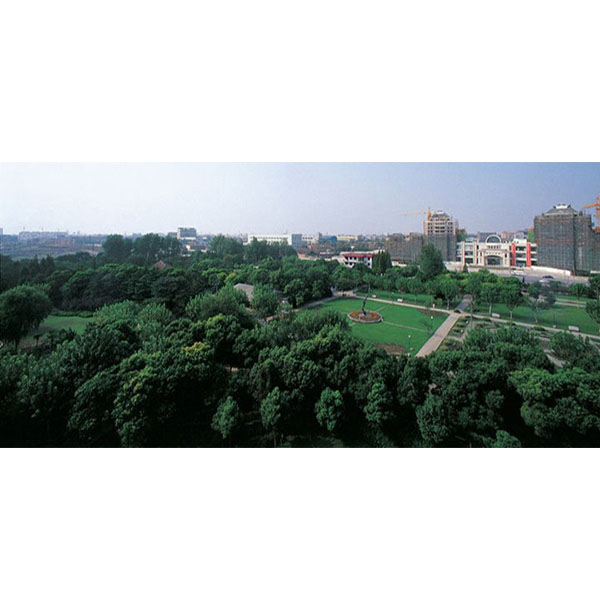
In residential or botanical garden settings, the threat often comes from natural debris such as leaves, twigs, and insects. Protection devices here function primarily as filters. They may incorporate wider mesh sizes to allow for higher flow rates while catching organic matter. Aesthetic integration is also key, with options available in bronze or coated finishes to match surrounding hardscape materials.
Shenyang Feiya: Integrating Expertise into Nozzle Protection Solutions
Selecting a manufacturer with deep industry experience is crucial for sourcing reliable Nozzle Protection Devices. Shenyang Feiya Water Art Garden Engineering Co., Ltd. stands out as a premier entity in this sector, combining extensive design capability with robust manufacturing infrastructure. Since 2006, the company has successfully designed and constructed more than 100 large and medium-sized fountains globally, accumulating a wealth of practical knowledge in waterscape engineering.
Feiya’s approach to nozzle protection is rooted in its comprehensive R&D capabilities. The company operates six specialized departments, including a dedicated design department and an equipment processing workshop. This vertical integration allows for the custom fabrication of protection devices tailored to specific hydraulic requirements. With a team of over 80 technicians, including 15 senior engineers and 3 professor-level senior engineers, Feiya brings academic rigor and field-tested expertise to every component they produce.
The company’s commitment to quality is evidenced by its Grade A qualification from the China Waterscape Fountain Committee, awarded in 2008. This recognition underscores their adherence to strict industry standards. Furthermore, Feiya’s well-equipped laboratory and fountain demonstration room enable rigorous testing of protection devices under various pressure and environmental conditions. This ensures that every Nozzle Protection Device leaving their facility meets the dual demands of durability and hydraulic precision.
By leveraging their experience in ecological garden construction and urban landscape systems, Feiya understands that nozzle protection is not just a hardware issue but a systemic one. Their solutions are designed to complement the overall ecological balance of the project, ensuring that maintenance needs are minimized while aesthetic and functional goals are maximized. This holistic perspective, backed by a production value exceeding 10 million for four consecutive years, makes them a trusted partner for complex international projects.
How to Choose the Right Nozzle Protection Device
Choosing the correct protection device involves balancing hydraulic performance, environmental conditions, and maintenance capabilities. Below is a guide to making an informed decision.
1. Assess the Environmental Risk
Determine the primary threats to your nozzles. Is the location prone to vandalism? Are there trees nearby shedding leaves? Is the water source prone to high sediment content? For high-risk physical impact zones, prioritize heavy-gauge stainless steel with reinforced mounting. For debris-heavy environments, focus on mesh density and ease of cleaning.
2. Evaluate Hydraulic Requirements
Every protection device introduces some degree of pressure drop. Consult the pump curves and nozzle specifications to ensure that the selected guard will not restrict flow to the point of compromising jet height. Look for devices with streamlined internal profiles that promote laminar flow.
3. Consider Material Compatibility
Match the material of the protection device to the water chemistry. For standard freshwater applications, SS304 stainless steel is sufficient. For coastal areas or pools with high chlorine levels, SS316L or specialized polymers are recommended to prevent pitting and corrosion.
4. Maintenance Accessibility
Consider the long-term operational cost. Can the device be cleaned without draining the entire basin? Does it require special tools? Devices that allow for quick removal and rinsing will significantly reduce labor costs over the life of the fountain.
| Feature | Standard Protection | Heavy-Duty Protection | Interactive/Safety Protection |
|---|---|---|---|
| Primary Use | Decorative gardens, low-traffic areas | Public plazas, high-wind areas | Playgrounds, splash pads |
| Material | ABS Plastic, Brass | SS304 Stainless Steel | SS316L Stainless Steel, Reinforced Polymer |
| Impact Resistance | Low | Medium | High |
| Maintenance Frequency | Monthly | Quarterly | Weekly/Daily |
| Cost Implication | Low | Medium | High |
Common Mistakes in Nozzle Protection Selection
Even experienced project managers can overlook critical details when specifying protection devices. Avoiding these common pitfalls can save time and money.
- Ignoring Pressure Loss: Selecting a guard with too fine a mesh without adjusting pump pressure can result in weak, sputtering jets. Always calculate the head loss associated with the protection device.
- Poor Material Choice: Using non-marine grade metals in chlorinated water leads to rapid corrosion and staining, which ruins the aesthetic of the fountain and can contaminate the water.
- Overlooking Debris Size: If the mesh size is too large, small pebbles or seeds may pass through and lodge in the nozzle orifice, causing difficult-to-clear blockages. Conversely, if it is too small, it clogs too quickly.
- Inadequate Anchoring: In interactive fountains, insufficient anchoring of the protection device can lead to loosening over time due to vibration and user interaction, creating safety hazards.
Maintenance Best Practices for Longevity
To maximize the lifespan of both the Nozzle Protection Device and the nozzle itself, adhere to a structured maintenance routine.
Regular Inspection: Visually inspect guards for signs of impact damage, corrosion, or excessive debris buildup. Check for loose fittings that may have vibrated open.
Cleaning Protocol: Remove devices periodically and clean them with a soft brush and mild detergent. Avoid harsh acids that can damage stainless steel passivation layers. For biological growth, use approved algaecides compatible with the material.
Winterization: In freezing climates, ensure that protection devices are removed or drained properly to prevent ice expansion from cracking the housing or distorting the mesh.
Frequently Asked Questions (FAQ)
Does a nozzle protection device affect the height of the water jet?
Yes, any obstruction in the water path creates some resistance. However, high-quality devices are engineered to minimize this pressure drop. Proper sizing and selection based on hydraulic calculations can mitigate any significant loss in jet height.
Can I retrofit protection devices to existing nozzles?
In most cases, yes. Many manufacturers, including Shenyang Feiya, offer universal or adaptable designs that can be fitted to standard nozzle threads or housings. Custom fabrication is also possible for unique or older systems.
What is the best material for coastal fountain projects?
For coastal environments with salt air and potentially saltwater pools, SS316L stainless steel is the industry standard due to its superior resistance to chloride-induced corrosion. High-grade engineering plastics are also a viable alternative.
How often should nozzle protection devices be cleaned?
This depends on the environment. In clean, filtered systems, quarterly cleaning may suffice. In outdoor public fountains with exposure to leaves and dust, monthly or even weekly cleaning may be necessary to maintain optimal performance.
Why choose a manufacturer with engineering expertise?
A manufacturer with strong engineering capabilities, like Shenyang Feiya, understands the interplay between hydraulics, structure, and aesthetics. They do not just sell parts; they provide solutions that integrate seamlessly with the overall fountain design, ensuring reliability and performance.
Conclusion: Securing Your Waterscape Investment
A Nozzle Protection Device is a small component with a massive impact on the operational success of a water feature. It safeguards the precision engineering of the nozzle, reduces maintenance burdens, and ensures that the visual spectacle of the fountain remains consistent over time. By prioritizing durable materials, hydraulic efficiency, and ease of maintenance, project stakeholders can protect their investment and enhance the user experience.
For those seeking reliable, high-performance solutions, partnering with an experienced manufacturer is essential. Shenyang Feiya Water Art Garden Engineering Co., Ltd. offers a blend of technical expertise, manufacturing capacity, and industry recognition that ensures top-tier quality. With their Grade A qualification and a track record of over 100 successful projects, Feiya provides the confidence needed for complex waterscape developments.
Whether you are designing a new interactive plaza or upgrading an existing garden fountain, selecting the right protection strategy is key. Evaluate your specific environmental needs, consider the long-term maintenance implications, and choose components built to last.
Ready to optimize your fountain’s performance and durability? Explore our comprehensive range of waterscape equipment and engineering services.