- English
- Chinese
- French
- German
- Portuguese
- Spanish
- Russian
- Japanese
- Korean
- Arabic
- Irish
- Greek
- Turkish
- Italian
- Danish
- Romanian
- Indonesian
- Czech
- Afrikaans
- Swedish
- Polish
- Basque
- Catalan
- Esperanto
- Hindi
- Lao
- Albanian
- Amharic
- Armenian
- Azerbaijani
- Belarusian
- Bengali
- Bosnian
- Bulgarian
- Cebuano
- Chichewa
- Corsican
- Croatian
- Dutch
- Estonian
- Filipino
- Finnish
- Frisian
- Galician
- Georgian
- Gujarati
- Haitian
- Hausa
- Hawaiian
- Hebrew
- Hmong
- Hungarian
- Icelandic
- Igbo
- Javanese
- Kannada
- Kazakh
- Khmer
- Kurdish
- Kyrgyz
- Latin
- Latvian
- Lithuanian
- Luxembou..
- Macedonian
- Malagasy
- Malay
- Malayalam
- Maltese
- Maori
- Marathi
- Mongolian
- Burmese
- Nepali
- Norwegian
- Pashto
- Persian
- Punjabi
- Serbian
- Sesotho
- Sinhala
- Slovak
- Slovenian
- Somali
- Scots Gaelic
- Shona
- Sindhi
- Sundanese
- Swahili
- Tajik
- Tamil
- Telugu
- Thai
- Ukrainian
- Urdu
- Uzbek
- Vietnamese
- Welsh
- Xhosa
- Yiddish
- Yoruba
- Zulu
- Kinyarwanda
- Tatar
- Oriya
- Turkmen
- Uyghur


City Lighting Project Series: China Manufacturer & Supplier
2026-10-18
- What Defines a Comprehensive City Lighting Project?
- Core Components of Urban Illumination Systems
- Why Choose an Integrated Design-Build Partner?
- Application Scenarios for City Lighting Projects
- Technical Comparison: Traditional vs. Smart City Lighting
- Step-by-Step Implementation Process
- Key Considerations for Selecting a Manufacturer
- Common Challenges and Solutions in Urban Lighting
- Frequently Asked Questions (FAQ)
- Conclusion: Building a Brighter, Smarter Future
A City Lighting Project Series encompasses the comprehensive design, engineering, and installation of integrated illumination systems for urban environments. It goes beyond simple streetlights to include architectural facade lighting, landscape accentuation, smart control networks, and decorative installations. As a specialized manufacturer and supplier, Shenyang Feiya Water Art Garden Engineering Co., Ltd. combines advanced optical technology with ecological landscape principles to deliver turnkey lighting solutions that enhance city aesthetics, improve public safety, and optimize energy efficiency.
What Defines a Comprehensive City Lighting Project?
Modern urban illumination is no longer just about visibility; it is a critical component of city branding and nighttime economy development. A complete city lighting project integrates multiple layers of infrastructure. It requires a holistic approach where electrical engineering meets artistic design. The goal is to create a cohesive visual identity for the city while ensuring functional reliability.
For municipal planners and developers, understanding the scope is essential. These projects typically involve:
- Functional Lighting: High-efficiency LED street lamps and highway lighting designed for maximum visibility and minimal light pollution.
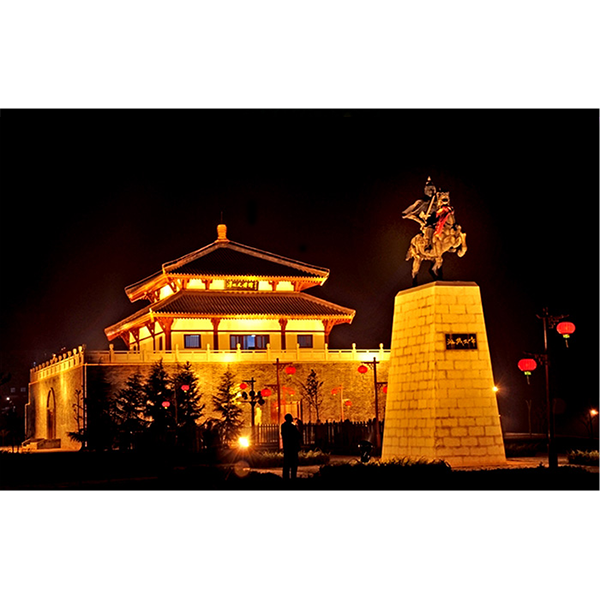
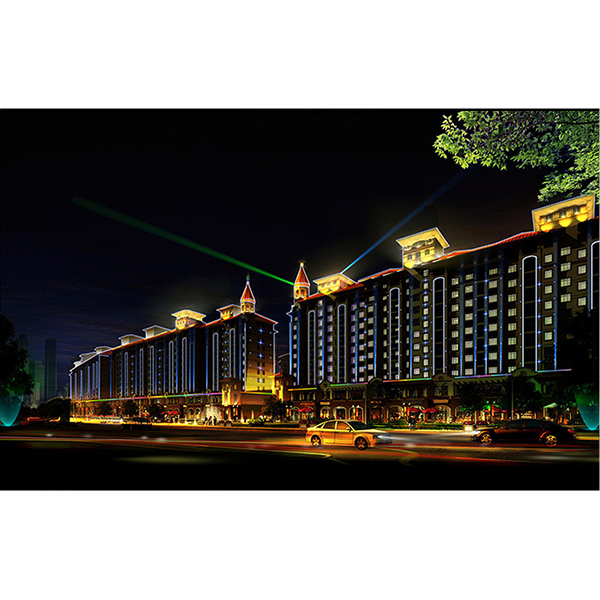
- Architectural Lighting: Facade illumination for government buildings, commercial centers, and historical landmarks to highlight structural details.
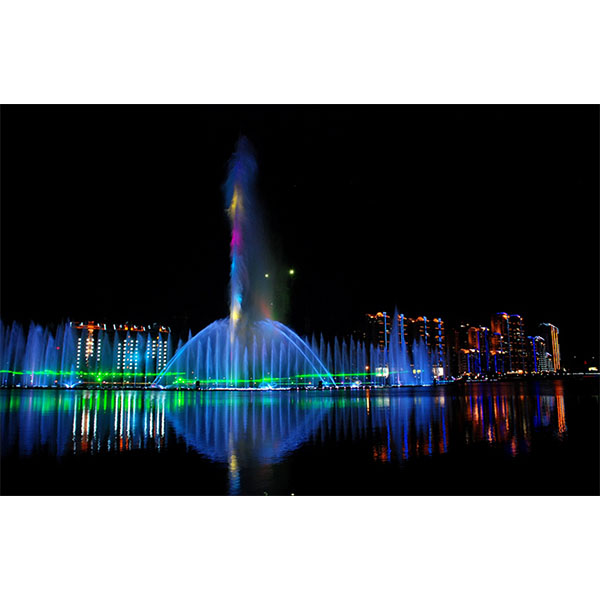
- Landscape & Waterscape Lighting: Integrated systems for parks, gardens, and water features, where lighting interacts with natural elements like trees, fountains, and rivers.
- Smart Control Systems: IoT-enabled networks that allow remote monitoring, dimming, and energy management based on real-time data.
Shenyang Feiya Water Art Garden Engineering Co., Ltd. approaches these projects with a dual focus on technological precision and ecological balance. Since 2006, the company has leveraged its extensive experience in waterscape and greening projects to ensure that lighting solutions do not just illuminate but also harmonize with the surrounding environment.
Core Components of Urban Illumination Systems
To achieve a successful city lighting deployment, several technical components must work in synergy. Each element plays a specific role in the overall performance and longevity of the system.
High-Efficiency LED Technology
The backbone of any modern lighting project is the light source. Current industry standards favor high-lumen LED modules due to their superior energy efficiency and long lifespan. Unlike traditional high-pressure sodium lamps, LEDs offer better color rendering indices (CRI), allowing cities to display true colors of architecture and landscapes. This reduces eye strain for drivers and pedestrians while enhancing the visual appeal of the urban nightscape.
Intelligent Control Infrastructure
Smart cities require smart lighting. Modern projects utilize centralized control systems that enable:
- Remote Monitoring: Real-time status checks of individual fixtures to identify faults instantly.
- Adaptive Dimming: Adjusting brightness levels based on traffic flow, time of day, or ambient light conditions to save energy.
- Data Integration: Lighting poles often serve as hubs for other smart city sensors, such as traffic cameras, environmental monitors, and Wi-Fi access points.
Durable Housing and Optical Design
Urban environments are harsh. Lighting fixtures must withstand extreme weather, pollution, and physical impact. High-grade aluminum alloys with advanced heat dissipation structures are standard for housing. Furthermore, precise optical lenses ensure that light is directed exactly where needed, minimizing spill light and skyglow, which contributes to light pollution.
Why Choose an Integrated Design-Build Partner?
Many city lighting projects fail due to fragmentation—where design, manufacturing, and construction are handled by separate entities with poor communication. An integrated partner like Shenyang Feiya Water Art Garden Engineering Co., Ltd. eliminates these silos. By combining design expertise with construction capabilities, the company ensures that the initial vision is technically feasible and economically viable.
With over 80 specialized technicians, including 15 senior engineers and 3 professor-level senior engineers, the company brings deep technical authority to every project. This level of expertise is crucial when dealing with complex installations involving waterscapes and greenery, where electrical safety and environmental protection are paramount.
The Advantage of Ecological Landscape Integration
Lighting does not exist in a vacuum. It interacts with plants, water, and soil. Shenyang Feiya’s background in landscaping provides a unique competitive edge. The company understands how light affects plant growth and aquatic ecosystems. Their “ecological garden construction” principle ensures that lighting designs respect biological rhythms and environmental quality.
For instance, when lighting a fountain or a park lake, the placement of underwater lights must consider water clarity, maintenance access, and the behavior of local wildlife. Standard electrical contractors may overlook these nuances, but a firm with dedicated green engineers and fountain experts ensures a holistic solution.
Application Scenarios for City Lighting Projects
Different urban zones require tailored lighting strategies. Understanding these applications helps stakeholders define their project requirements more accurately.
Public Parks and Green Spaces
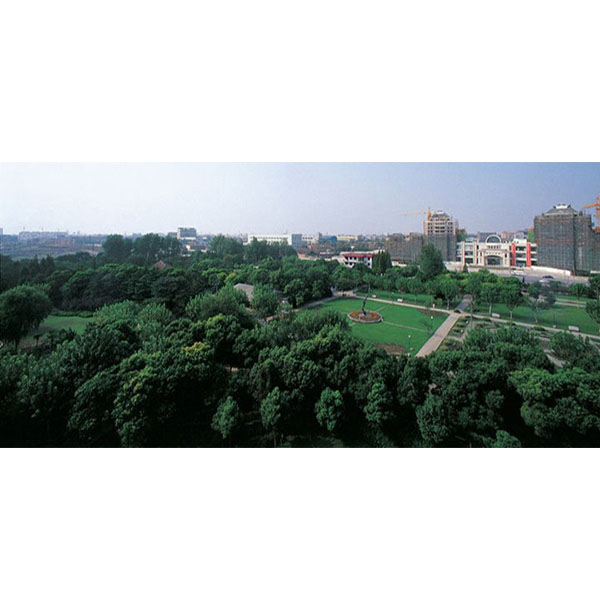
Parks are the lungs of a city. Lighting here should be subtle and inviting. Pathway lights guide pedestrians without causing glare. Accent lights highlight specimen trees and sculptures. In areas with water features, such as those built by Shenyang Feiya, synchronized lighting and fountain displays create dynamic nighttime attractions that draw tourists and residents alike.
Commercial Districts and Plazas
These areas demand higher brightness and vibrant colors to stimulate economic activity. Dynamic facade lighting on retail buildings can change with seasons or events. Interactive light installations in plazas encourage social engagement. The durability of fixtures is critical here due to high foot traffic and potential vandalism.
Historical and Cultural Landmarks
Lighting historical structures requires a delicate touch. The goal is to reveal architectural details without damaging the material. Warm color temperatures are often preferred to maintain the heritage feel. Non-invasive mounting techniques are essential to preserve the integrity of ancient walls and monuments.
Roads and Highways
Safety is the primary concern. Uniformity of light distribution is more important than peak brightness. Poor uniformity creates dark spots that can hide hazards. Smart controls on highways can increase brightness during heavy traffic or adverse weather conditions, enhancing driver reaction times.
Technical Comparison: Traditional vs. Smart City Lighting
When planning a city lighting project, decision-makers often weigh traditional systems against smart, integrated solutions. The following table highlights the key differences in performance, cost, and functionality.
| Feature | Traditional Lighting Systems | Smart City Lighting Projects |
|---|---|---|
| Control Method | Manual or simple timer-based | IoT-enabled, remote, adaptive |
| Energy Efficiency | Moderate; fixed output regardless of need | High; dimming based on real-time demand |
| Maintenance | Reactive; faults found after reports | Proactive; automated fault alerts |
| Installation Complexity | Lower; standalone units | Higher; requires network infrastructure |
| Long-term Cost | Higher operational costs | Lower OPEX despite higher CAPEX |
| Integration | None; lighting only | Supports sensors, cameras, 5G |
This comparison illustrates why modern municipalities are shifting toward smart solutions. While the initial investment may be higher, the long-term savings in energy and maintenance, combined with added value from data integration, make smart lighting the superior choice for sustainable urban development.
Step-by-Step Implementation Process
Executing a large-scale city lighting project requires a structured workflow. Shenyang Feiya follows a rigorous process to ensure quality and timely delivery.
1. Site Analysis and Conceptual Design
The process begins with a thorough survey of the site. Engineers assess existing infrastructure, topography, and environmental constraints. For waterscape projects, this includes analyzing water depth, flow rates, and substrate conditions. The design team then creates conceptual renderings that align with the city’s aesthetic goals and budget.
2. Technical Engineering and Simulation
Once the concept is approved, detailed engineering begins. This involves:
- Lux Level Calculations: Using software to simulate light distribution and ensure compliance with international standards.
- Electrical Load Analysis: Determining power requirements and transformer capacities.
- Structural Integrity Checks: Ensuring poles and mounts can withstand local wind and seismic loads.
3. Manufacturing and Quality Assurance
Shenyang Feiya utilizes its own equipment processing workshop and well-equipped laboratory to manufacture custom components. Every fixture undergoes strict testing for waterproofing (IP ratings), impact resistance, and electrical safety. This vertical integration allows for tighter quality control compared to outsourced manufacturing.
4. Installation and Construction
With over 50 experienced construction workers, the company executes the installation with precision. Safety protocols are strictly enforced, especially when working near water or at heights. The team coordinates with local utilities to minimize disruption to traffic and residents.
5. Commissioning and Smart System Integration
After physical installation, the smart control system is configured. Lights are addressed, grouped, and programmed. Scenario modes (e.g., “Weekday,” “Weekend,” “Holiday”) are set up. The system is tested for responsiveness and reliability.
6. Maintenance and Operation Training
The project concludes with comprehensive training for local maintenance staff. Shenyang Feiya provides detailed manuals and operational guidelines. Their operation department remains available for ongoing support, ensuring the system performs optimally for years.
Key Considerations for Selecting a Manufacturer
Choosing the right partner for a city lighting project is a critical decision. Here are the factors that matter most:
- Qualifications and Certifications: Look for companies with Grade A qualifications in relevant fields. Shenyang Feiya, for example, was awarded the Grade A qualification of the China Waterscape Fountain Committee in 2008, signaling top-tier industry recognition.
- Project Experience: A proven track record is essential. Having completed over 100 large and medium-sized projects domestically and internationally demonstrates capability and reliability.
- Technical Team Depth: Access to senior engineers and specialists ensures that complex technical challenges can be solved efficiently. The presence of professor-level engineers indicates a strong R&D foundation.
- Integrated Services: A company that handles both design and construction reduces coordination risks. It ensures that the design intent is preserved during execution.
- Financial Stability: Large projects require significant upfront investment. A company with consistent production value growth and a status as an advanced taxpayer indicates financial health and reliability.
Common Challenges and Solutions in Urban Lighting
Challenge: Light Pollution
Solution: Use full-cutoff fixtures that direct light downward. Implement warm color temperatures (3000K or lower) in residential and natural areas to minimize blue light emission, which disrupts circadian rhythms.
Challenge: Energy Consumption
Solution: Adopt high-efficiency LEDs coupled with smart controls. Motion sensors and adaptive dimming can reduce energy usage by up to 50% compared to always-on systems.
Challenge: Vandalism and Durability
Solution: Install fixtures at inaccessible heights or use tamper-proof hardware. Choose materials with high IK (impact protection) ratings. For waterscape lights, ensure robust IP68 ratings and corrosion-resistant materials like stainless steel or bronze.
Challenge: Maintenance Accessibility
Solution: Design for maintainability. Use modular components that can be replaced easily. For underwater lights, use junction boxes located on dry land to simplify servicing without draining pools or lakes.
Frequently Asked Questions (FAQ)
What is the typical lifespan of a city lighting project?
High-quality LED fixtures typically last 50,000 to 100,000 hours. With proper maintenance and smart controls that reduce operating hours, the physical infrastructure can remain effective for 10-15 years before major upgrades are needed.
How does smart lighting improve public safety?
Smart lighting ensures consistent illumination levels, eliminating dark spots. It can also integrate with emergency systems, flashing or brightening specific areas during incidents to guide first responders and alert the public.
Can existing streetlights be retrofitted with smart controls?
Yes, many legacy systems can be upgraded with smart controllers and LED retrofits. However, a full assessment is necessary to determine if the existing wiring and poles can support the new technology. In some cases, replacement is more cost-effective than retrofitting.
Why is ecological balance important in lighting design?
Improper lighting can disrupt local ecosystems, affecting bird migration, insect populations, and plant growth. An ecologically balanced design minimizes these impacts by using appropriate spectra, intensity, and timing, preserving the natural environment while providing necessary illumination.
What role does a waterscape expert play in lighting projects?
Waterscape experts ensure that lighting installations in or near water are safe, durable, and aesthetically pleasing. They understand the unique challenges of waterproofing, corrosion, and light refraction in water, ensuring that fountains and lakes are lit effectively without compromising safety or equipment longevity.
Conclusion: Building a Brighter, Smarter Future
A successful City Lighting Project Series is more than an infrastructure upgrade; it is an investment in the city’s identity, safety, and sustainability. By integrating advanced LED technology, smart controls, and ecological design principles, municipalities can create vibrant nighttime environments that benefit residents and visitors alike.
Shenyang Feiya Water Art Garden Engineering Co., Ltd. stands out as a trusted partner in this domain. With nearly two decades of experience, a team of highly qualified engineers, and a commitment to ecological balance, the company delivers solutions that are both technically superior and environmentally responsible. From the initial design phase to final construction and ongoing maintenance, their integrated approach ensures seamless project execution.
Whether you are planning a new park illumination, a historic facade restoration, or a comprehensive smart city lighting network, choosing a manufacturer with proven expertise and a strong track record is essential. Shenyang Feiya’s dedication to quality, innovation, and customer satisfaction makes them an ideal choice for complex urban lighting challenges.
For detailed technical specifications, case studies, or a customized consultation for your next urban development project, explore our related products and technical solutions. Contact our engineering team today to discuss how we can bring your vision to light.