- English
- Chinese
- French
- German
- Portuguese
- Spanish
- Russian
- Japanese
- Korean
- Arabic
- Irish
- Greek
- Turkish
- Italian
- Danish
- Romanian
- Indonesian
- Czech
- Afrikaans
- Swedish
- Polish
- Basque
- Catalan
- Esperanto
- Hindi
- Lao
- Albanian
- Amharic
- Armenian
- Azerbaijani
- Belarusian
- Bengali
- Bosnian
- Bulgarian
- Cebuano
- Chichewa
- Corsican
- Croatian
- Dutch
- Estonian
- Filipino
- Finnish
- Frisian
- Galician
- Georgian
- Gujarati
- Haitian
- Hausa
- Hawaiian
- Hebrew
- Hmong
- Hungarian
- Icelandic
- Igbo
- Javanese
- Kannada
- Kazakh
- Khmer
- Kurdish
- Kyrgyz
- Latin
- Latvian
- Lithuanian
- Luxembou..
- Macedonian
- Malagasy
- Malay
- Malayalam
- Maltese
- Maori
- Marathi
- Mongolian
- Burmese
- Nepali
- Norwegian
- Pashto
- Persian
- Punjabi
- Serbian
- Sesotho
- Sinhala
- Slovak
- Slovenian
- Somali
- Scots Gaelic
- Shona
- Sindhi
- Sundanese
- Swahili
- Tajik
- Tamil
- Telugu
- Thai
- Ukrainian
- Urdu
- Uzbek
- Vietnamese
- Welsh
- Xhosa
- Yiddish
- Yoruba
- Zulu
- Kinyarwanda
- Tatar
- Oriya
- Turkmen
- Uyghur

Buy Versailles-style Fountain Direct from China Manufacturer
2026-10-16
- What Defines a Versailles-Style Fountain?
- Why Source Versailles Fountains Directly from China?
- Technical Specifications and Material Selection
- Design and Engineering Process: The Feiya Approach
- Applications and Installation Scenarios
- Maintenance and Operational Best Practices
- Common Mistakes to Avoid When Buying
- Frequently Asked Questions (FAQ)
- Conclusion: Partnering for Excellence
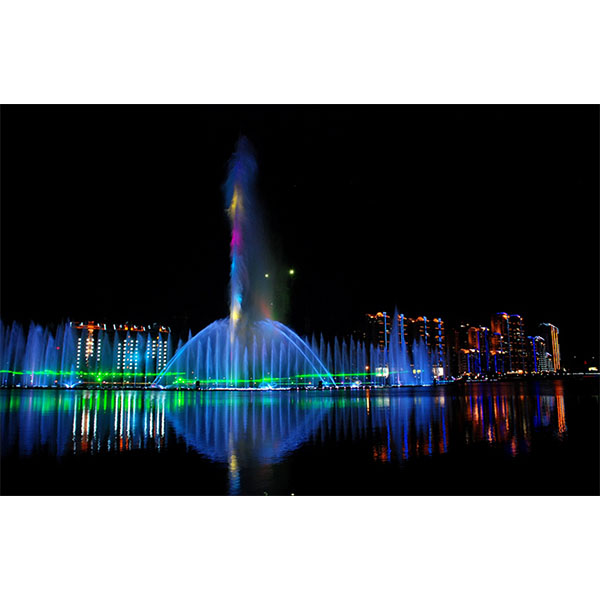
Buying a Versailles-style fountain directly from a China manufacturer offers significant cost advantages without compromising on the grandeur and hydraulic precision required for luxury landscape projects. These fountains replicate the classical French Baroque aesthetic, characterized by symmetrical water jets, ornate stone or bronze finishes, and multi-tiered basin structures. By sourcing from established engineering firms like Shenyang Feiya Water Art Garden Engineering Co., Ltd., buyers gain access to Grade A qualified design teams, custom hydraulic engineering, and direct factory pricing. This guide details the technical specifications, material selection, and procurement strategies for importing high-end classical fountains in 2026.
What Defines a Versailles-Style Fountain?
A Versailles-style fountain is not merely a water feature; it is an architectural statement rooted in 17th-century French garden design. The core identity of these fountains lies in their adherence to symmetry, proportion, and classical mythology-inspired ornamentation. Unlike modern minimalist fountains, Versailles designs prioritize verticality and dynamic water displays that mimic natural springs or geysers, controlled through precise hydraulic engineering.
The aesthetic is defined by several key elements:
- Symmetrical Layout: The design typically features a central main jet surrounded by concentric rings of smaller jets, creating a balanced visual impact from all angles.
- Classical Ornamentation: Basins are often adorned with motifs such as acanthus leaves, cherubs, tritons, or shell patterns, cast in durable materials like bronze, fiberglass, or natural stone.
- Multi-Tiered Structure: Many designs incorporate stacked basins where water cascades from one level to another, adding auditory depth and visual complexity.
- Hydraulic Precision: The water jets must maintain consistent height and shape, requiring advanced nozzle technology and stable pressure systems.
For international buyers, understanding these definitions is crucial when communicating specifications to manufacturers. The term “Versailles-style” implies a specific set of design constraints that go beyond simple water circulation, demanding a fusion of artistic craftsmanship and engineering reliability.
Why Source Versailles Fountains Directly from China?
Sourcing large-scale waterscape features directly from Chinese manufacturers has become the standard practice for landscape architects, property developers, and municipal planners globally. The primary driver is the integration of design, manufacturing, and engineering under one roof, which significantly reduces lead times and costs.
Cost Efficiency Without Compromising Quality
Direct manufacturing eliminates intermediary markups. In Europe or North America, a custom Versailles-style fountain can cost three to five times more due to labor costs and local fabrication fees. Chinese manufacturers leverage scalable production capabilities and specialized supply chains for materials like stainless steel, bronze, and high-density fiberglass. This allows buyers to allocate more budget towards intricate detailing or advanced lighting systems without exceeding project caps.
Advanced Hydraulic Engineering Capabilities
Modern Versailles fountains are not static; they are complex mechanical systems. Leading Chinese enterprises, such as Shenyang Feiya Water Art Garden Engineering Co., Ltd., have evolved from simple fabricators into comprehensive design-and-build entities. Since 2006, Feiya has constructed over 100 large and medium-sized fountains domestically and internationally. This extensive portfolio demonstrates a deep understanding of hydraulic dynamics, ensuring that the aesthetic beauty of the fountain is supported by robust technical performance.
The company’s infrastructure includes well-equipped laboratories and fountain demonstration rooms. This allows for rigorous testing of nozzle patterns, pump efficiency, and control systems before shipment. For a buyer, this means reduced risk of technical failures post-installation.
Customization and Scalability
Off-the-shelf fountains rarely fit the unique spatial requirements of luxury estates or public plazas. Direct manufacturers offer full customization. Whether you need a 5-meter diameter centerpiece for a private villa or a 20-meter monumental structure for a hotel entrance, Chinese factories can adjust dimensions, jet configurations, and material finishes to match exact architectural plans.
Technical Specifications and Material Selection
Selecting the right materials and components is critical for the longevity and performance of a Versailles-style fountain. The harsh outdoor environment requires materials that resist corrosion, UV degradation, and thermal expansion.
Basin and Structure Materials
The choice of material dictates both the aesthetic authenticity and the maintenance requirements of the fountain.
| Material | Characteristics | Best Application |
|---|---|---|
| Natural Stone (Granite/Marble) | High authenticity, heavy, excellent durability, high shipping cost. | Historic restorations, ultra-luxury estates. |
| Bronze/Brass Castings | Classic golden/brown finish, develops patina over time, highly durable. | Ornamental details, statues, premium tier basins. |
| Fiberglass (FRP) | Lightweight, versatile molding, cost-effective, requires UV-resistant coating. | Large-scale installations, rooftop gardens, budget-conscious projects. |
| Stainless Steel (304/316) | Modern interpretation, highly resistant to corrosion, sleek finish. | Contemporary Versailles hybrids, coastal environments. |
For most international projects, a combination of materials is used. For instance, a fiberglass base structure may be used for cost and weight efficiency, while bronze castings are applied to visible ornamental elements to maintain the classical Versailles aesthetic.
Hydraulic Components: Nozzles and Pumps
The heart of any fountain is its hydraulic system. A Versailles-style fountain typically utilizes specific nozzle types to achieve its signature look:
- Laminar Flow Nozzles: Create clear, glass-like arcs of water that do not splash, ideal for elegant, quiet displays.
- Jet Nozzles: Produce powerful vertical columns of water. High-quality nozzles ensure the water column remains tight and does not disperse prematurely due to wind or pressure fluctuations.
- Foam Jets: Create a thick, white, creamy water effect, often used in lower basins to add volume and texture.
Pump selection is equally vital. Submersible pumps are common for smaller units, but for large Versailles fountains, external centrifugal pumps housed in separate dry wells are preferred. This configuration allows for easier maintenance and quieter operation. Shenyang Feiya’s engineering team, which includes 15 senior engineers and water jet experts, specializes in calculating the precise head pressure and flow rate required to balance these diverse nozzle types within a single system.
Design and Engineering Process: The Feiya Approach
Procuring a custom fountain involves a structured engineering process. Understanding this workflow helps buyers manage expectations and ensure project success.
Step 1: Conceptual Design and 3D Modeling
The process begins with a detailed consultation. Buyers provide site dimensions, architectural style references, and desired water effects. Using advanced 3D modeling software, the design team creates a visual representation of the fountain. This stage allows for adjustments to proportions and ornamentation before any physical production begins.
Step 2: Hydraulic Calculation and Simulation
Once the aesthetic design is approved, the engineering department takes over. They perform hydraulic calculations to determine pipe diameters, pump capacities, and nozzle arrangements. This step ensures that all jets operate simultaneously without pressure drops. Shenyang Feiya’s possession of a Grade A qualification from the China Waterscape Fountain Committee underscores their competency in this technical phase.
Step 3: Fabrication and Assembly
Fabrication occurs in specialized workshops. Structural components are welded or molded, while ornamental details are cast and finished. The assembly process includes installing piping, electrical wiring for underwater lights, and control systems. Quality control checks are conducted at each stage.
Step 4: Testing and Commissioning
Before shipment, the fountain undergoes a full dry and wet test. The water display is activated to verify jet heights, symmetry, and lighting synchronization. Any adjustments are made in the factory, preventing costly on-site corrections.
Applications and Installation Scenarios
Versailles-style fountains are versatile and can enhance various environments. However, the scale and complexity should match the setting.
Luxury Residential Villas
In private estates, these fountains serve as focal points in formal gardens or courtyards. A medium-sized unit (3-5 meters diameter) with gentle laminar flows and soft lighting creates an atmosphere of tranquility and elegance. The emphasis here is on aesthetic harmony with the surrounding architecture.
Hotels and Resorts
High-end hotels use large-scale Versailles fountains in lobbies, entrances, or pool areas. These installations often feature choreographed water displays synchronized with music and lighting. The goal is to create a memorable guest experience. Durability and low noise levels are critical considerations in these high-traffic areas.
Municipal Parks and Public Plazas
Public spaces require robust, vandal-resistant designs. Large monumental fountains with powerful jets become landmarks. Safety features, such as non-slip surfaces around the basin and secure electrical connections, are paramount. Shenyang Feiya’s experience with government contracts, including their recognition by the Shenyang Municipal Government in 2007 for contract compliance, highlights their capability to handle large public sector projects with strict regulatory requirements.
Maintenance and Operational Best Practices
To ensure the longevity of a Versailles-style fountain, regular maintenance is essential. While modern systems are designed for reliability, neglect can lead to costly repairs.
- Water Quality Management: Use treated water to prevent algae growth and mineral buildup on nozzles. Install filtration systems to remove debris.
- Winterization: In cold climates, the system must be drained completely to prevent freezing damage to pipes and pumps. Compressed air can be used to blow out residual water.
- Nozzle Cleaning: Regularly inspect and clean nozzles to remove blockages that can distort water shapes.
- Pump Inspection: Check pump seals and bearings annually. Replace worn components promptly to avoid motor failure.
- Lighting Maintenance: Inspect underwater LED lights for seal integrity. Replace any units showing signs of water ingress.
Shenyang Feiya provides comprehensive operational manuals and remote technical support to assist buyers with these maintenance tasks. Their operation department ensures that clients have access to spare parts and expert advice long after installation.
Common Mistakes to Avoid When Buying
Importing large water features involves logistical and technical challenges. Avoiding common pitfalls can save time and money.
Ignoring Wind Factors
Versailles fountains with high vertical jets are susceptible to wind drift. If installed in an exposed area, water can blow onto surrounding walkways, creating slip hazards. Proper design includes wind sensors that automatically reduce jet height during windy conditions, or the selection of lower-profile water effects.
Underestimating Power Requirements
Large fountains require significant electrical power. Buyers must ensure that the site has adequate electrical capacity and proper grounding. Failure to do so can result in tripped breakers or damaged equipment.
Overlooking Shipping Logistics
Fountain components can be bulky and heavy. It is crucial to plan for crating, shipping, and on-site unloading. Working with a manufacturer experienced in export packaging, like Shenyang Feiya, ensures that delicate ornamental parts arrive undamaged.
Frequently Asked Questions (FAQ)
How long does it take to manufacture a custom Versailles-style fountain?
Production time varies based on complexity and size. Typically, a medium-sized custom fountain takes 8-12 weeks from design approval to completion. Larger, more intricate projects may take 16-20 weeks. Shenyang Feiya’s streamlined departments, including design, engineering, and processing workshops, help optimize this timeline.
Can the fountain be controlled via smartphone or automation systems?
Yes. Modern fountains can be integrated with PLC (Programmable Logic Controller) systems, allowing for remote control via smartphones or tablets. Users can adjust jet heights, lighting colors, and operation schedules remotely.
What is the lifespan of a Versailles-style fountain?
With proper maintenance, a well-built fountain can last 20-30 years or more. The structural components (stone, bronze, fiberglass) are highly durable, while mechanical parts like pumps and lights may need replacement every 5-10 years.
Do you provide installation services internationally?
While the primary model is supplying equipment and technical guidance, many manufacturers, including Shenyang Feiya, can dispatch engineers for on-site supervision and commissioning. This ensures that the installation meets design specifications and operational standards.
How do you ensure the fountain matches the classical Versailles aesthetic?
Our design team studies historical references and uses high-resolution 3D modeling to replicate classical proportions and ornaments. We also use traditional casting techniques for bronze details to ensure authenticity.
Conclusion: Partnering for Excellence
Investing in a Versailles-style fountain is a commitment to enhancing the aesthetic and ecological value of a property. It requires a partner who understands both the artistic nuances of classical design and the rigorous demands of modern hydraulic engineering. Shenyang Feiya Water Art Garden Engineering Co., Ltd. stands out as a reliable manufacturer, combining over 15 years of experience, Grade A industry qualifications, and a dedicated team of senior engineers and technicians.
By choosing to buy directly from a reputable China manufacturer, you secure not only a stunning water feature but also a long-term partnership grounded in technical expertise and professional integrity. Whether for a private residence, a luxury hotel, or a public landmark, a custom-engineered fountain delivers enduring beauty and value.
Ready to transform your landscape? Contact our engineering team today to discuss your project requirements, request a 3D design proposal, or obtain a detailed quotation.