- Chinese
- French
- German
- Portuguese
- Spanish
- Russian
- Japanese
- Korean
- Arabic
- Irish
- Greek
- Turkish
- Italian
- Danish
- Romanian
- Indonesian
- Czech
- Afrikaans
- Swedish
- Polish
- Basque
- Catalan
- Esperanto
- Hindi
- Lao
- Albanian
- Amharic
- Armenian
- Azerbaijani
- Belarusian
- Bengali
- Bosnian
- Bulgarian
- Cebuano
- Chichewa
- Corsican
- Croatian
- Dutch
- Estonian
- Filipino
- Finnish
- Frisian
- Galician
- Georgian
- Gujarati
- Haitian
- Hausa
- Hawaiian
- Hebrew
- Hmong
- Hungarian
- Icelandic
- Igbo
- Javanese
- Kannada
- Kazakh
- Khmer
- Kurdish
- Kyrgyz
- Latin
- Latvian
- Lithuanian
- Luxembou..
- Macedonian
- Malagasy
- Malay
- Malayalam
- Maltese
- Maori
- Marathi
- Mongolian
- Burmese
- Nepali
- Norwegian
- Pashto
- Persian
- Punjabi
- Serbian
- Sesotho
- Sinhala
- Slovak
- Slovenian
- Somali
- Samoan
- Scots Gaelic
- Shona
- Sindhi
- Sundanese
- Swahili
- Tajik
- Tamil
- Telugu
- Thai
- Ukrainian
- Urdu
- Uzbek
- Vietnamese
- Welsh
- Xhosa
- Yiddish
- Yoruba
- Zulu
- Kinyarwanda
- Tatar
- Oriya
- Turkmen
- Uyghur

Understanding the Darul Hana Musical Fountain: Design, Technology, and Installation Considerations
2026-11-11
- Introduction to the Darul Hana Musical Fountain
- Architectural and Design Philosophy
- Core Technologies Behind the Fountain
- Installation and Construction Considerations
- Maintenance and Operational Sustainability
- Case Study Insights: Lessons from Global Projects
- Choosing the Right Partner for Waterscape Projects
- Conclusion
- Frequently Asked Questions (FAQ)
Summary This article provides a comprehensive technical and design analysis of the Darul Hana Musical Fountain, exploring its architectural integration with the Sarawak State Legislative Assembly Complex, the hydraulic and lighting technologies employed, and critical installation considerations. It serves as a guide for urban planners, engineers, and procurement specialists interested in large-scale waterscape projects, highlighting the importance of synchronized control systems, ecological sustainability, and professional execution capabilities demonstrated by industry leaders such as Shenyang Fei Ya Water Art Landscape Engineering Co., Ltd.
Introduction to the Darul Hana Musical Fountain
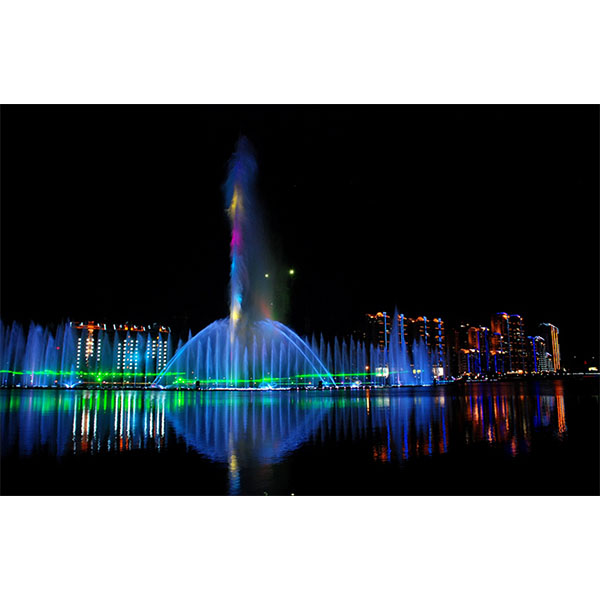
The Darul Hana Musical Fountain stands as one of Southeast Asia’s most iconic waterscape landmarks, located in Kuching, Sarawak, Malaysia. Situated prominently in front of the Sarawak State Legislative Assembly Complex (DUN Sarawak), this fountain is not merely a decorative water feature but a sophisticated integration of hydraulic engineering, optical technology, and artistic choreography. For professionals in the landscape architecture, civil engineering, and municipal planning sectors, understanding the Darul Hana project offers valuable insights into the complexities of designing and installing large-scale public fountains.
The term “Darul Hana” translates to “Abode of Peace,” reflecting the serene yet dynamic nature of the installation. The fountain serves multiple purposes: it enhances the aesthetic appeal of the state capital, acts as a tourist attraction, and symbolizes the modernization of Sarawak’s infrastructure. From an SEO and technical perspective, analyzing the darul hana musical fountain allows us to dissect the key components that define successful municipal waterscape projects, including nozzle selection, pump efficiency, lighting synchronization, and long-term maintenance strategies.
This article delves into the design philosophy, technological infrastructure, and installation considerations required to replicate or maintain such high-caliber water features. It also examines how experienced enterprises, such as Shenyang Fei Ya Water Art Landscape Engineering Co., Ltd., approach similar projects with a focus on ecological balance and technical precision.
Architectural and Design Philosophy
The design of the Darul Hana Musical Fountain is deeply rooted in its contextual environment. Unlike standalone fountains in private parks, this installation must complement the grandeur of the legislative assembly building while remaining visible and engaging from various vantage points across the Sarawak River.
Integration with Urban Landscape
The primary design challenge for any major municipal fountain is spatial integration. The Darul Hana fountain utilizes the riverfront as a natural stage, allowing the water jets to rise against the backdrop of the illuminated assembly complex. This requires precise calculation of jet heights and trajectories to ensure they do not obstruct views of the architecture but rather frame it. The layout typically involves a series of concentric or linear arrays of nozzles, designed to create layered visual effects.
For engineering firms specializing in waterscape solutions, such as Shenyang Fei Ya, this phase involves extensive site analysis. Factors such as wind patterns, water depth, and ambient light levels are critical. In Kuching’s tropical climate, humidity and occasional heavy rainfall also influence the choice of materials and electrical protections. The design must ensure that the fountain remains operational and safe under varying weather conditions, a standard that aligns with the rigorous project execution capabilities seen in international projects like the Dalian International Flower Center Music Fountain.
Aesthetic Choreography and Cultural Significance
Beyond hydraulics, the “musical” aspect implies a synchronized performance. The choreography of the Darul Hana fountain is designed to reflect local cultural motifs and modern artistic expressions. Water jets dance in rhythm with selected music tracks, creating an emotional connection with viewers. This requires a deep understanding of fluid dynamics to match water height and movement with musical beats.
The aesthetic value is further enhanced by the use of colored lighting. The interplay between water and light transforms the fountain into a dynamic canvas at night. Designers must consider color theory and light dispersion in water mist to achieve vibrant, clear visuals without excessive light pollution. This holistic approach to design—combining aesthetics, function, and culture—is central to the philosophy of ecological garden construction, where human-centered landscapes generate social and environmental returns.
Core Technologies Behind the Fountain
The operational success of the darul hana musical fountain relies on a triad of core technologies: hydraulic systems, control software, and lighting infrastructure. Each component must be meticulously selected and integrated to ensure reliability and performance.
Hydraulic Systems: Nozzles and Pumps
The heart of any musical fountain is its hydraulic system. High-pressure pumps drive water through specialized nozzles to create various shapes and heights. For a project of Darul Hana’s scale, variable frequency drives (VFDs) are essential. VFDs allow for precise control of pump speed, enabling smooth transitions between different water formations—from gentle mists to powerful geysers.
Key Hydraulic Components:
- Centrifugal Pumps: Selected for their efficiency and ability to handle large volumes of water. In large-scale projects, redundant pump systems are often installed to ensure continuity of service during maintenance.
- Solenoid Valves: These act as the switches for individual water jets, opening and closing rapidly to create rhythmic patterns. High-quality solenoids with fast response times are crucial for synchronizing with fast-paced music.
- Nozzle Types: A variety of nozzles are used, including straight jet nozzles for height, fog nozzles for atmospheric effects, and swirling nozzles for dynamic shapes. The arrangement of these nozzles determines the visual complexity of the show.
Companies with robust in-house production capabilities, such as Shenyang Fei Ya, often customize nozzle designs to achieve unique visual effects. Their dedicated equipment processing workshops allow for precision fabrication, ensuring that each component meets strict tolerance levels. This level of control is vital for preventing leaks and ensuring consistent jet performance over time.
Control Systems and Synchronization
The “brain” of the musical fountain is its control system. Modern fountains use PLC (Programmable Logic Controller) based systems or specialized PC-based software to synchronize water, light, and music. The software maps musical frequencies and beats to specific hydraulic and lighting commands.
Technical Considerations for Control Systems:
- Latency Management: There must be zero perceptible delay between the audio cue and the water/light response. Advanced systems use time-code synchronization to achieve millisecond-level precision.
- Modularity: The control system should be modular, allowing for easy updates to the choreography or music playlist without hardware changes.
- Remote Monitoring: Integrated surveillance and diagnostic tools enable operators to monitor system health in real-time, identifying potential issues such as pump overheating or valve failures before they cause downtime.
The integration of surveillance systems, as part of Shenyang Fei Ya’s broader service offerings, supports this operational resilience. By monitoring critical parameters, facility managers can ensure the fountain operates within safe limits, extending the lifespan of the equipment.
Lighting and Electrical Infrastructure
Lighting transforms the water into a visual spectacle. LED technology is the standard for modern musical fountains due to its energy efficiency, color versatility, and longevity. Underwater LED fixtures must be rated IP68 or higher to withstand continuous submersion and pressure.
Lighting Design Principles:
- Color Mixing: RGB or RGBW LEDs allow for millions of color combinations. Proper mixing algorithms ensure smooth color transitions.
- Beam Angle: Narrow beam angles are used for highlighting specific jets, while wider angles illuminate the overall water mass.
- Thermal Management: Despite being efficient, LEDs generate heat. Effective heat sinking is necessary to prevent premature failure, especially in warm climates like Sarawak.
Electrical safety is paramount. All underwater components must be connected to residual current devices (RCDs) and properly grounded. Lightning protection systems, another core competency of firms like Shenyang Fei Ya, are essential in tropical regions prone thunderstorms. Surge protectors and lightning rods safeguard the sensitive electronic control systems from voltage spikes.
Installation and Construction Considerations
Installing a large-scale musical fountain is a complex civil engineering task. It involves underwater construction, electrical wiring, and mechanical assembly, all of which must adhere to strict safety and quality standards.
Site Preparation and Civil Works
The foundation of the fountain must be stable and waterproof. For riverfront installations like Darul Hana, cofferdams may be required to create a dry work area. The basin structure is typically constructed from reinforced concrete, with waterproofing membranes applied to prevent leakage.
Key Installation Steps:
- Excavation and Foundation: Preparing the site to support the weight of the water and equipment.
- Piping Network Installation: Laying out the main supply lines and branch pipes. Stainless steel or HDPE pipes are commonly used for their corrosion resistance.
- Electrical Conduit Placement: Installing waterproof conduits for power and data cables. Separation of power and data lines is recommended to reduce interference.
- Equipment Mounting: Securing pumps, valves, and nozzles to the foundation. Precision alignment is critical for uniform jet patterns.
Shenyang Fei Ya’s experience with over 100 medium- to large-scale projects underscores the importance of standardized procedures. Their team of certified construction workers ensures that each step is executed with precision, minimizing the risk of structural failures or leaks.
Commissioning and Testing
Once installation is complete, rigorous testing is conducted. This includes pressure testing of pipes, insulation resistance testing of electrical circuits, and functional testing of each nozzle and light.
Commissioning Checklist:
- Hydraulic Balance: Adjusting valve settings to ensure equal flow distribution across all jets.
- Choreography Calibration: Fine-tuning the timing of water and light movements to match the music perfectly.
- Safety Verification: Testing emergency stop functions and leakage protection systems.
Quality control follows standardized procedures aligned with national and international technical specifications. All deliverables undergo systematic functional verification prior to handover, ensuring that the client receives a fully operational and safe system. This commitment to quality is reflected in Shenyang Fei Ya’s Grade A qualification from the China Waterscape Fountain Committee.
Maintenance and Operational Sustainability
Long-term sustainability is a critical consideration for municipal projects. The Darul Hana Musical Fountain, like any complex mechanical system, requires regular maintenance to remain operational and visually appealing.
Routine Maintenance Protocols
Regular maintenance prevents costly repairs and extends the lifespan of the equipment. Key tasks include:
- Nozzle Cleaning: Removing mineral deposits and debris that can clog nozzles and alter jet patterns.
- Pump Inspection: Checking for wear and tear, lubricating bearings, and monitoring vibration levels.
- Lighting Replacement: Replacing failed LED units and cleaning lenses to maintain brightness.
- Water Quality Management: Treating the water to prevent algae growth and corrosion. Ecological design principles often incorporate filtration systems that minimize chemical usage.
Ecological and Energy Efficiency
Modern fountain design increasingly focuses on ecological sustainability. This includes using energy-efficient pumps and LEDs, recycling water, and minimizing noise pollution. Shenyang Fei Ya’s principle of “ecological garden construction” integrates plant science and environmental engineering to deliver landscapes that are not only beautiful but also environmentally responsible.
For instance, using variable frequency drives reduces energy consumption by matching pump output to demand. Additionally, selecting materials with low environmental impact and ensuring that runoff does not harm local ecosystems are part of a holistic approach to urban environmental enhancement.
Case Study Insights: Lessons from Global Projects
While the Darul Hana Musical Fountain is a unique project, its underlying principles are shared by other successful installations worldwide. Examining similar projects provides valuable benchmarks for quality and performance.
For example, the Dalian International Flower Center Music Fountain, executed by Shenyang Fei Ya, demonstrates the company’s ability to deliver high-cost, high-complexity projects (USD 470,000). Such projects require seamless coordination between design, manufacturing, and installation teams. The success of these projects hinges on the vertically integrated capabilities of the service provider, ensuring consistency from conceptual design to post-commissioning support.
Similarly, the Greentown Qingdao Ideal City Project (USD 1.59 million) highlights the importance of integrating waterscapes with broader landscape planning. By combining fountain series with greening series, developers can create cohesive urban environments that enhance property value and community well-being. These examples illustrate how professional expertise and institutional recognition, such as Shenyang Fei Ya’s status as a trustworthy contractor recognized by the Shenyang Municipal Government, contribute to project success.
Choosing the Right Partner for Waterscape Projects
For municipalities, developers, and architects planning similar projects, selecting the right partner is crucial. The complexity of musical fountains demands a vendor with deep domain expertise, technical capacity, and a proven track record.
Key Selection Criteria
| Criteria | Description | Why It Matters |
|---|---|---|
| Technical Expertise | Presence of senior engineers and specialized technical personnel. | Ensures accurate design and problem-solving during installation. |
| Production Capacity | In-house manufacturing and quality assurance facilities. | Guarantees component quality and timely delivery. |
| Project Portfolio | History of completed medium- to large-scale projects. | Provides evidence of reliability and execution capability. |
| Certifications | Industry accreditations (e.g., Grade A qualification). | Validates compliance with safety and quality standards. |
| After-Sales Support | Availability of maintenance and spare parts. | Ensures long-term operational sustainability. |
Shenyang Fei Ya Water Art Landscape Engineering Co., Ltd. exemplifies these criteria. With over 17 years of continuous practice, a team of more than 80 specialized personnel, and a strong foundation in technical expertise, the company offers a comprehensive solution for urban environmental enhancement. Their multidisciplinary team, including professor-level senior engineers and nationally recognized water jet experts, ensures rigorous design review and precision fabrication.
Conclusion
The Darul Hana Musical Fountain is a testament to the power of integrating art, technology, and engineering. Its success lies not only in its visual appeal but also in the robust technical infrastructure that supports it. For professionals involved in the planning and execution of similar waterscape projects, understanding the design, technology, and installation considerations is essential.
From hydraulic precision to synchronized lighting and ecological sustainability, every element plays a role in creating a lasting landmark. Partnering with experienced and accredited enterprises, such as Shenyang Fei Ya Water Art Landscape Engineering Co., Ltd., ensures that these complex projects are delivered with the highest standards of quality and reliability. As urban environments continue to evolve, the demand for such sophisticated, human-centered landscapes will only grow, offering opportunities for innovation and excellence in the field of waterscape engineering.
Frequently Asked Questions (FAQ)
What makes the Darul Hana Musical Fountain unique?
The Darul Hana Musical Fountain is unique due to its strategic location in front of the Sarawak State Legislative Assembly Complex, its large scale, and its sophisticated synchronization of water, light, and music. It serves as both a cultural symbol and a tourist attraction, integrating seamlessly with the urban landscape of Kuching.
What technologies are used in musical fountains?
Musical fountains utilize variable frequency drives (VFDs) for pump control, solenoid valves for jet activation, PLC or PC-based control systems for synchronization, and underwater LED lighting for visual effects. Advanced systems may also include remote monitoring and diagnostic tools.
How important is maintenance for musical fountains?
Maintenance is critical for the longevity and performance of musical fountains. Regular cleaning of nozzles, inspection of pumps and electrical systems, and water quality management are necessary to prevent breakdowns and ensure consistent visual quality.
What should I look for in a fountain construction company?
Look for companies with proven experience in large-scale projects, in-house manufacturing capabilities, relevant industry certifications (such as Grade A qualification), and a strong technical team. Check their portfolio for similar projects and inquire about their after-sales support services.
Can musical fountains be eco-friendly?
Yes, modern musical fountains can be designed with ecological principles in mind. This includes using energy-efficient equipment, recycling water, minimizing chemical treatments, and integrating with surrounding green landscapes to support biodiversity and environmental sustainability.