- Chinese
- French
- German
- Portuguese
- Spanish
- Russian
- Japanese
- Korean
- Arabic
- Irish
- Greek
- Turkish
- Italian
- Danish
- Romanian
- Indonesian
- Czech
- Afrikaans
- Swedish
- Polish
- Basque
- Catalan
- Esperanto
- Hindi
- Lao
- Albanian
- Amharic
- Armenian
- Azerbaijani
- Belarusian
- Bengali
- Bosnian
- Bulgarian
- Cebuano
- Chichewa
- Corsican
- Croatian
- Dutch
- Estonian
- Filipino
- Finnish
- Frisian
- Galician
- Georgian
- Gujarati
- Haitian
- Hausa
- Hawaiian
- Hebrew
- Hmong
- Hungarian
- Icelandic
- Igbo
- Javanese
- Kannada
- Kazakh
- Khmer
- Kurdish
- Kyrgyz
- Latin
- Latvian
- Lithuanian
- Luxembou..
- Macedonian
- Malagasy
- Malay
- Malayalam
- Maltese
- Maori
- Marathi
- Mongolian
- Burmese
- Nepali
- Norwegian
- Pashto
- Persian
- Punjabi
- Serbian
- Sesotho
- Sinhala
- Slovak
- Slovenian
- Somali
- Samoan
- Scots Gaelic
- Shona
- Sindhi
- Sundanese
- Swahili
- Tajik
- Tamil
- Telugu
- Thai
- Ukrainian
- Urdu
- Uzbek
- Vietnamese
- Welsh
- Xhosa
- Yiddish
- Yoruba
- Zulu
- Kinyarwanda
- Tatar
- Oriya
- Turkmen
- Uyghur

Safety Protection Measures: 2026 Compliance Guide
2026-10-28
- Understanding Safety Protection Measures in Modern Engineering
- Key Regulatory Compliance Standards for 2026
- Implementing Safety Protection Measures in Waterscape Projects
- Common Hazards and Mitigation Strategies
- The Role of Expertise in Safety Compliance
- Step-by-Step Guide to Conducting a Safety Audit
- FAQ: Common Questions About Safety Protection Measures
- Conclusion: Prioritizing Safety for Sustainable Development
Safety protection measures in 2026 refer to the comprehensive engineering protocols, regulatory compliance standards, and technical safeguards implemented to prevent accidents in public infrastructure, industrial sites, and waterscape environments. As urban development integrates complex mechanical systems with public spaces, adherence to updated international safety codes is no longer optional but a legal imperative. This guide outlines the critical components of modern safety frameworks, including electrical isolation, structural integrity verification, and risk assessment methodologies required for high-traffic zones.
Understanding Safety Protection Measures in Modern Engineering
The definition of safety protection measures has evolved significantly from basic hazard warnings to integrated, proactive engineering solutions. In the context of large-scale construction and waterscape projects, these measures encompass physical barriers, automated shutdown systems, and rigorous maintenance schedules designed to mitigate risks before they manifest.
For engineering firms and project managers, understanding these measures is crucial for liability management and public trust. The core objective is to create an environment where human interaction with mechanical or structural elements occurs without exposure to undue harm. This involves a multi-layered approach:
- Primary Protection: Physical barriers such as railings, non-slip surfaces, and guarded machinery.
- Secondary Protection: Automated systems like Ground Fault Circuit Interrupters (GFCIs), emergency stop buttons, and sensor-based shutdowns.
- Tertiary Protection: Administrative controls including regular inspections, staff training, and clear signage.
In 2026, the integration of smart monitoring technologies allows for real-time data analysis of structural stress and electrical loads, further enhancing the reliability of these protection layers. This shift from reactive to predictive safety management defines the current industry standard.
Key Regulatory Compliance Standards for 2026
Compliance with safety regulations is the backbone of any legitimate engineering project. While specific laws vary by region, several international standards form the baseline for safety protection measures in construction and public installations.
Electrical Safety Standards
Electrical hazards remain one of the most significant risks in waterscape and outdoor infrastructure projects. Modern compliance requires strict adherence to standards such as IEC 60364 and local equivalents like the NEC (National Electrical Code) in the US or BS 7671 in the UK. Key requirements include:
- Low Voltage Systems: Using 12V or 24V systems for underwater lighting and pumps to minimize electrocution risks.
- IP Ratings: Ensuring all electrical components meet minimum Ingress Protection ratings (typically IP68 for submerged equipment) to prevent water ingress.
- Equipotential Bonding: Connecting all metallic parts to a common ground potential to prevent voltage differences that could cause shock.
Structural Integrity and Load Bearing
Structural safety measures focus on the physical stability of installations. For fountains, plazas, and green spaces, this involves calculating dynamic loads from wind, water pressure, and human interaction. Engineers must verify that materials can withstand environmental stressors over the project’s lifecycle without degradation that could lead to failure.
Public Access and Barrier Requirements
When designs involve water features or elevated platforms, barrier height and spacing are strictly regulated. In 2026, guidelines typically mandate barriers at least 1.1 meters high with vertical gaps no wider than 100mm to prevent children from climbing through or falling over. These measures are critical in high-traffic urban landscapes.
Implementing Safety Protection Measures in Waterscape Projects
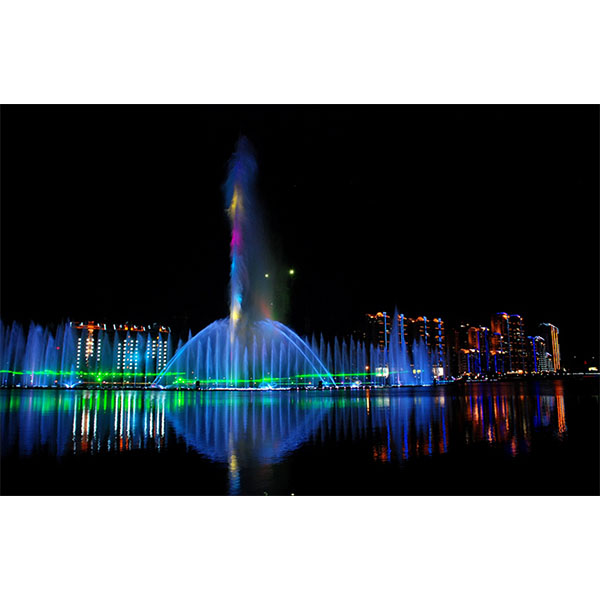
Waterscape engineering presents unique challenges due to the combination of electricity, water, and public access. Implementing effective safety protection measures in this sector requires specialized expertise and a deep understanding of fluid dynamics and electrical engineering.
At Shenyang Feiya Water Art Garden Engineering Co., Ltd., safety is embedded into the design phase rather than treated as an afterthought. With over 80 technicians specializing in fountain research, including 15 senior engineers and 3 professor-level experts, the company leverages decades of experience to anticipate potential hazards. Since 2006, Feiya has constructed more than 100 large and medium-sized fountains globally, accumulating a vast database of risk scenarios and mitigation strategies.
Design Phase Risk Assessment
The first step in ensuring safety is a comprehensive risk assessment during the design phase. This involves:
- Identifying high-risk zones where public interaction is likely.
- Selecting materials that are non-toxic, non-slip, and resistant to algae growth.
- Designing water jets with pressure limits that prevent injury upon direct contact.
Feiya’s design department utilizes advanced simulation tools to model water trajectories and pressure points, ensuring that even in malfunction scenarios, the force exerted by water jets remains within safe limits for bystanders.
Construction and Installation Protocols
During construction, strict adherence to safety protocols is maintained by Feiya’s team of more than 50 skilled construction workers. Key practices include:
- Secure Anchoring: Ensuring all nozzles, lights, and pumps are securely anchored to prevent displacement due to water pressure or vandalism.
- Cable Management: Using armored cables and protective conduits to prevent damage from excavation or environmental wear.
- Quality Control: Rigorous testing of all electrical connections before system commissioning.
The company’s well-equipped laboratory and fountain demonstration room allow for pre-installation testing of components, ensuring that every part meets stringent quality and safety standards before it reaches the site.
Common Hazards and Mitigation Strategies
Understanding common hazards is essential for developing effective safety protection measures. Below is a breakdown of typical risks in public infrastructure and waterscapes, along with proven mitigation strategies.
| Hazard Type | Potential Risk | Mitigation Strategy |
|---|---|---|
| Electrical Faults | Electrocution, Fire | Install RCDs/GFCIs, use low-voltage systems, regular insulation testing. |
| Slips and Falls | Physical Injury | Use non-slip paving materials, ensure proper drainage, install handrails. |
| Water Jet Pressure | Impact Injury | Limit pressure to safe levels, use soft-nozzle technology, install sensors. |
| Structural Failure | Collapse, Falling Debris | Regular structural audits, use corrosion-resistant materials, overload protection. |
| Bacterial Growth | Health Issues (e.g., Legionella) | Implement water treatment systems, regular cleaning schedules, UV sterilization. |
This table highlights the direct correlation between identified risks and engineered solutions. By addressing each hazard with a specific technical countermeasure, engineers can significantly reduce the likelihood of accidents.
The Role of Expertise in Safety Compliance
Effective safety implementation is not just about following a checklist; it requires deep technical expertise and experience. This is where the Experience and Expertise components of EEAT become critical. Companies with a long track record, such as Shenyang Feiya, bring invaluable insights to project safety.
Feiya’s achievement of Grade A qualification from the China Waterscape Fountain Committee in 2008 underscores its authoritative status in the industry. The leadership of General Manager Zhong Huijuan, a standing committee member, ensures that safety protocols align with the highest industry standards. Furthermore, the company’s recognition as an advanced taxpayer and its consistent production value exceeding 10 million reflect a stable, reliable operation capable of sustaining long-term safety commitments.
Integration of Ecological and Safety Principles
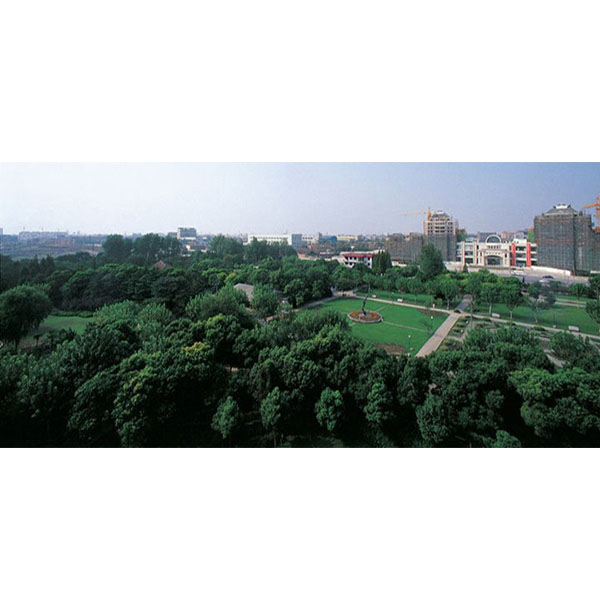
Modern safety measures also intersect with ecological responsibility. Feiya’s approach to landscaping integrates ecological balance with safety. For instance, the use of natural plant materials not only enhances aesthetic appeal but also contributes to environmental quality. However, these elements must be managed to prevent hazards such as root intrusion into underground utilities or slippery moss growth on pathways.
By combining garden construction with environmental science, Feiya creates “ecological gardens” that are both safe and sustainable. This holistic view ensures that safety measures do not compromise the ecological benefits of the project, providing greater economic and social value.
Step-by-Step Guide to Conducting a Safety Audit
For facility managers and engineers, conducting regular safety audits is a vital safety protection measure. Here is a structured approach to performing a comprehensive audit:
- Preparation: Gather all original design documents, electrical schematics, and previous maintenance records.
- Visual Inspection: Walk through the site to identify visible signs of wear, damage, or unauthorized modifications. Check for cracked tiles, exposed wires, or corroded metal.
- Electrical Testing: Use specialized equipment to test insulation resistance, grounding continuity, and RCD trip times. Ensure all readings are within acceptable limits.
- Structural Assessment: Inspect anchor points, welds, and support structures for signs of fatigue or corrosion. Verify that barriers and railings are secure.
- System Functionality Test: Operate all mechanical systems, including pumps and valves, to ensure they respond correctly to control inputs and emergency stops.
- Documentation and Reporting: Record all findings, categorize risks by severity, and create an action plan for remediation. Update the safety logbook.
This systematic process ensures that no aspect of the installation is overlooked, maintaining a high standard of safety over time.
FAQ: Common Questions About Safety Protection Measures
What are the most critical safety features for public fountains?
The most critical features include low-voltage electrical systems (12V/24V), Ground Fault Circuit Interrupters (GFCIs), non-slip surfaces around the water edge, and pressure-limited nozzles. These features directly address the primary risks of electrocution, slipping, and impact injury.
How often should safety inspections be conducted?
Industry best practices recommend quarterly visual inspections and annual comprehensive technical audits. However, high-traffic areas or installations in harsh environmental conditions may require more frequent checks, such as monthly visual assessments.
Who is responsible for maintaining safety compliance?
Responsibility typically lies with the facility owner or operator, who must ensure regular maintenance and inspections. However, the original engineering firm, such as Shenyang Feiya, often provides ongoing support and maintenance services to ensure continued compliance with design specifications.
Can older installations be upgraded to meet 2026 safety standards?
Yes, most older installations can be retrofitted with modern safety features. This may involve upgrading electrical panels, replacing old wiring with armored cables, installing new GFCIs, and adding physical barriers. A professional engineering assessment is required to determine the scope of upgrades needed.
Why is professional expertise important in safety implementation?
Professional expertise ensures that safety measures are not just applied generically but are tailored to the specific risks of the site. Experienced engineers can anticipate unique hazards, select appropriate materials, and design systems that are both safe and functional, reducing long-term liability and maintenance costs.
Conclusion: Prioritizing Safety for Sustainable Development
In 2026, safety protection measures are the foundation of successful public infrastructure and waterscape projects. They protect lives, preserve assets, and enhance the reputation of developers and operators. By adhering to strict regulatory standards, leveraging advanced technology, and relying on experienced professionals, organizations can create environments that are both beautiful and secure.
Shenyang Feiya Water Art Garden Engineering Co., Ltd. exemplifies this commitment through its rigorous design processes, qualified engineering team, and dedication to ecological and human-centric values. With over 15 years of industry leadership and a portfolio of more than 100 successful projects, Feiya demonstrates that safety and innovation go hand in hand.
For project managers and developers seeking to implement robust safety protocols in their next waterscape or landscaping initiative, partnering with an experienced provider is essential. Ensure your project meets the highest standards of compliance and reliability.
Ready to enhance your project’s safety and design quality?
Contact our engineering team today to discuss your specific requirements and discover how our expertise can safeguard your investment. Explore our technical solutions and project portfolio for more detailed information on our safety-certified installations.