- Chinese
- French
- German
- Portuguese
- Spanish
- Russian
- Japanese
- Korean
- Arabic
- Irish
- Greek
- Turkish
- Italian
- Danish
- Romanian
- Indonesian
- Czech
- Afrikaans
- Swedish
- Polish
- Basque
- Catalan
- Esperanto
- Hindi
- Lao
- Albanian
- Amharic
- Armenian
- Azerbaijani
- Belarusian
- Bengali
- Bosnian
- Bulgarian
- Cebuano
- Chichewa
- Corsican
- Croatian
- Dutch
- Estonian
- Filipino
- Finnish
- Frisian
- Galician
- Georgian
- Gujarati
- Haitian
- Hausa
- Hawaiian
- Hebrew
- Hmong
- Hungarian
- Icelandic
- Igbo
- Javanese
- Kannada
- Kazakh
- Khmer
- Kurdish
- Kyrgyz
- Latin
- Latvian
- Lithuanian
- Luxembou..
- Macedonian
- Malagasy
- Malay
- Malayalam
- Maltese
- Maori
- Marathi
- Mongolian
- Burmese
- Nepali
- Norwegian
- Pashto
- Persian
- Punjabi
- Serbian
- Sesotho
- Sinhala
- Slovak
- Slovenian
- Somali
- Samoan
- Scots Gaelic
- Shona
- Sindhi
- Sundanese
- Swahili
- Tajik
- Tamil
- Telugu
- Thai
- Ukrainian
- Urdu
- Uzbek
- Vietnamese
- Welsh
- Xhosa
- Yiddish
- Yoruba
- Zulu
- Kinyarwanda
- Tatar
- Oriya
- Turkmen
- Uyghur

How to Evaluate Musical Fountain Cost: Key Factors in Design, Materials, and Manufacturing
2026-11-17
- Understanding the Components of Musical Fountain Cost
- Key Factor 1: Design Complexity and Choreography
- Key Factor 2: Material Selection and Durability
- Key Factor 3: Manufacturing Precision and Quality Assurance
- Key Factor 4: Control Systems and Technology Integration
- Key Factor 5: Installation, Commissioning, and Site Conditions
- Operational and Maintenance Costs: The Long-Term View
- Case Studies: Real-World Cost Implications
- How to Evaluate Suppliers and Manage Budget
- Conclusion
Summary Evaluating musical fountain cost requires a comprehensive understanding of design complexity, material quality, manufacturing precision, and installation logistics. This guide breaks down the key financial drivers in water feature engineering, from nozzle selection to control system integration, helping project stakeholders make informed budgeting decisions while ensuring long-term performance and aesthetic value.
Understanding the Components of Musical Fountain Cost
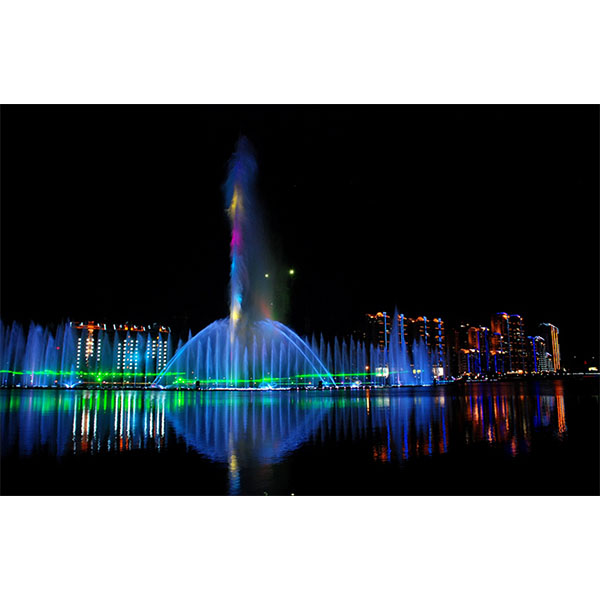
A musical fountain is not merely a decorative water feature; it is a complex electromechanical system that synchronizes water jets, lighting, and audio to create a dynamic visual performance. For urban planners, landscape architects, and property developers, understanding the musical fountain cost is critical for effective project planning. The total investment is rarely a single line item but rather an aggregation of several specialized engineering disciplines, including hydraulic engineering, electrical automation, structural steelwork, and artistic choreography.
The variance in pricing can be significant. A small residential plaza fountain may cost a fraction of a large-scale municipal landmark installation. However, the underlying principles of cost evaluation remain consistent. The primary drivers include the scale of the water surface, the complexity of the choreography, the quality of hardware components, and the environmental conditions of the site. By dissecting these elements, stakeholders can avoid under-budgeting for critical infrastructure or overspending on unnecessary features.
In 2026, the industry continues to shift towards energy-efficient systems and sustainable materials, which also influence initial capital expenditure versus long-term operational costs. A thorough evaluation must consider both the upfront construction costs and the lifecycle maintenance expenses to determine the true value of the investment.
Key Factor 1: Design Complexity and Choreography
The artistic and technical design phase is the foundation of any musical fountain project. The complexity of the desired show directly correlates with the engineering requirements and, consequently, the cost.
Type of Fountain Configuration
The physical layout of the fountain determines the hydraulic infrastructure needed. Common configurations include:
- Dancing Jets: These are individual nozzles that move in sync with music. They require precise servo-motor controls for each jet, increasing the mechanical complexity and cost per unit.
- Water Screens and Mist Walls: These require high-pressure pumps and specialized nozzle arrays to create a uniform surface for projection or lighting effects. The pump capacity and filtration systems for water screens are typically more expensive than standard jet systems.
- Fire-Water Integration: Combining fire effects with water jets adds a layer of safety engineering, fuel storage, and specialized ignition systems, significantly raising the cost profile.
- Underwater vs. Dry Deck: Dry deck fountains, where nozzles are hidden beneath grates and only appear when active, require more intricate underground piping and drainage systems compared to traditional pool-based fountains.
Choreography and Control Programming
The “musical” aspect of the fountain relies on sophisticated control software. The cost here is driven by the duration and complexity of the show. A simple looped sequence is less expensive to program than a custom-composed symphony with hundreds of unique cues. High-end projects often involve collaboration between hydraulic engineers and artistic directors to ensure that the water movements accurately reflect the emotional tone of the music. This level of customization requires advanced programming hours and rigorous on-site testing.
Key Factor 2: Material Selection and Durability
Materials constitute a substantial portion of the musical fountain cost. Given that these systems operate in wet, high-vibration, and often outdoor environments, material quality cannot be compromised. Substandard materials lead to frequent failures, increased maintenance, and higher lifetime costs.
Nozzles and Jet Bodies
Nozzles are the most visible and mechanically stressed components. They are typically manufactured from stainless steel, brass, or engineered plastics.
| Material | Characteristics | Cost Implication |
|---|---|---|
| Stainless Steel (304/316) | High corrosion resistance, durable, premium aesthetic. | Higher initial cost, lower long-term maintenance. |
| Brass | Excellent machinability, good corrosion resistance, heavy. | Moderate to high cost, suitable for intricate designs. |
| Engineered Plastic (POM/ABS) | Lightweight, corrosion-proof, lower structural strength. | Lower initial cost, may require more frequent replacement in high-pressure systems. |
For marine environments or areas with high humidity, 316L stainless steel is often recommended despite its higher price tag, as it offers superior resistance to chloride-induced corrosion. The choice of material should align with the local water quality and atmospheric conditions.
Piping and Structural Steel
The underground network of pipes must withstand high pressure and constant vibration. Galvanized steel is common, but stainless steel or high-density polyethylene (HDPE) may be specified for specific applications. The structural steel supporting the nozzles and lights must be robust enough to handle hydrodynamic forces. In large-scale projects, the weight of the steel structure can be substantial, requiring reinforced concrete foundations, which adds to the civil engineering costs.
Lighting Fixtures
Modern musical fountains rely heavily on LED lighting to enhance the visual impact. High-quality underwater LED fixtures must be IP68 rated, meaning they are fully submersible and protected against continuous immersion. Cheap fixtures often fail due to seal degradation, leading to water ingress and electrical shorts. Premium fixtures with die-cast aluminum housings and tempered glass lenses command a higher price but offer greater reliability and color consistency.
Key Factor 3: Manufacturing Precision and Quality Assurance
The transition from design to reality happens in the manufacturing phase. The precision of fabrication determines how well the fountain performs during operation. Poorly manufactured components can lead to uneven water patterns, misaligned lights, and premature system failure.
In-House Production Capabilities
Companies with vertically integrated manufacturing capabilities can better control quality and costs. For instance, Shenyang Fei Ya Water Art Landscape Engineering Co., Ltd. maintains a dedicated equipment processing workshop and a well-established laboratory for system testing. This in-house approach allows for rigorous quality control at every stage, from raw material inspection to final assembly. By avoiding reliance on multiple third-party suppliers for critical components, such firms can reduce supply chain risks and ensure that all parts meet strict technical specifications.
Having a fully equipped fountain demonstration room is another significant advantage. It allows engineers to test nozzle patterns, lighting effects, and control sequences before shipping to the site. This pre-commissioning process identifies and resolves issues early, reducing the risk of costly on-site modifications. The ability to validate system performance in a controlled environment is a key differentiator between professional engineering firms and general contractors.
Customization vs. Standardization
While standardized components can reduce costs, musical fountains often require custom-fabricated parts to achieve unique artistic effects. Custom nozzles, bespoke light housings, and specially designed control cabinets increase manufacturing time and cost. However, these custom elements are often what define the uniqueness of a landmark project. The balance between standardization and customization should be struck based on the project’s artistic goals and budget constraints.
Key Factor 4: Control Systems and Technology Integration
The brain of the musical fountain is its control system. This system synchronizes the pumps, valves, lights, and audio players to create a seamless performance. The sophistication of the control system is a major driver of musical fountain cost.
Hardware and Software
Industrial-grade programmable logic controllers (PLCs) and variable frequency drives (VFDs) are essential for precise control. VFDs allow for smooth acceleration and deceleration of pumps, which is crucial for creating graceful water movements and reducing mechanical stress. High-end systems may also incorporate real-time feedback loops, where sensors monitor water pressure and flow rate, adjusting the output dynamically to maintain consistency.
Software licensing and development costs also contribute to the overall expense. Proprietary choreography software allows designers to create complex shows with millisecond precision. The ease of use and flexibility of this software can impact the long-term usability of the fountain, allowing operators to update or create new shows without extensive technical support.
Integration with Surveillance and Safety Systems
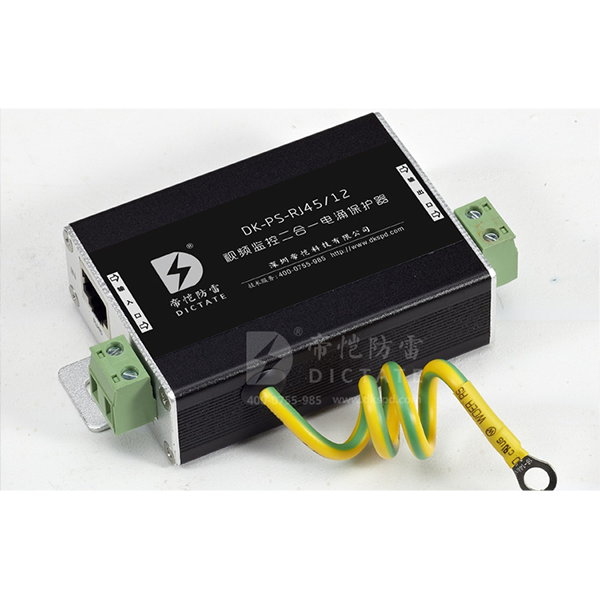
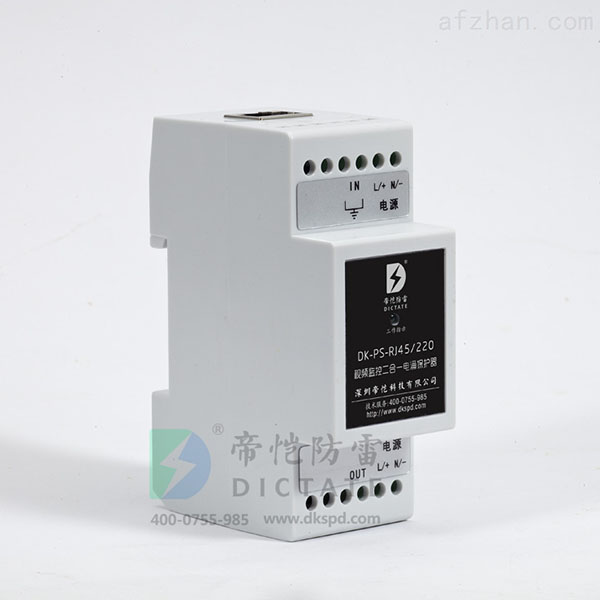
Modern public spaces require integrated safety and monitoring solutions. As seen in comprehensive projects by firms like Fei Ya, surveillance systems and lightning protection are often integrated into the fountain’s infrastructure. Surveillance cameras monitor the area for security and maintenance purposes, while lightning protection systems safeguard the sensitive electronic components from voltage spikes. These additional systems add to the initial cost but are essential for the operational resilience and safety of public installations.
Key Factor 5: Installation, Commissioning, and Site Conditions
The location of the fountain plays a pivotal role in determining the final cost. Site-specific challenges can significantly increase the complexity and expense of installation.
Civil Works and Foundation
Before any fountain equipment is installed, the site must be prepared. This involves excavation, concrete pouring, and the installation of drainage systems. In rocky terrain or areas with high water tables, foundation work can be particularly challenging and expensive. The size of the reservoir or pool also affects the volume of concrete and waterproofing materials required.
Accessibility and Logistics
Remote or difficult-to-access sites may incur higher transportation and labor costs. Moving heavy equipment, such as large pumps and steel structures, to the site requires careful logistical planning. In urban environments, restrictions on working hours and noise levels can extend the installation timeline, increasing labor costs.
Commissioning and Testing
Commissioning is the final phase where the entire system is tested and calibrated. This involves adjusting nozzle angles, balancing water pressure, synchronizing lights and music, and training operational staff. A thorough commissioning process ensures that the fountain performs as designed and minimizes the risk of post-handover issues. Experienced teams, such as those with over 80 specialized technical personnel, can execute this phase more efficiently, reducing the time and cost associated with troubleshooting.
Operational and Maintenance Costs: The Long-Term View
When evaluating musical fountain cost, it is essential to look beyond the initial construction budget. Operational and maintenance costs can account for a significant portion of the total cost of ownership over the fountain’s lifespan.
Energy Consumption
Pumps and lights are the primary consumers of energy in a musical fountain. Using energy-efficient pumps and LED lighting can significantly reduce electricity bills. Variable frequency drives also help optimize energy usage by adjusting pump speed to the required flow rate, rather than running at full capacity continuously.
Water Treatment and Filtration
Maintaining water quality is crucial for both aesthetic appeal and equipment longevity. Algae growth, mineral buildup, and debris can clog nozzles and damage pumps. A robust filtration and water treatment system is necessary to keep the water clean. Regular maintenance includes cleaning filters, checking chemical levels, and inspecting nozzles for blockages.
Repair and Replacement
Despite high-quality materials, wear and tear are inevitable. Nozzles, seals, and lights may need replacement over time. Having a reliable after-sales support system is vital for minimizing downtime. Companies with a strong track record, such as those with Grade A qualification from the China Waterscape Fountain Committee, often provide comprehensive maintenance contracts that ensure prompt service and access to genuine spare parts.
Case Studies: Real-World Cost Implications
To illustrate how these factors come together, consider two distinct projects executed by Shenyang Fei Ya Water Art Landscape Engineering Co., Ltd.
The Dalian International Flower Center Music Fountain, with a project cost of USD 470,000, represents a mid-sized municipal installation. This project likely involved a moderate number of nozzles, a standard choreography sequence, and robust but not overly complex control systems. The focus was on delivering a visually appealing show that complemented the surrounding landscape, balancing cost and performance effectively.
In contrast, the Greentown Qingdao Ideal City Project, with a project cost of USD 1.59 million, indicates a much larger scale and higher complexity. This project likely featured a vast array of nozzles, advanced lighting effects, intricate choreography, and possibly integration with other landscape elements. The higher cost reflects the increased material quantities, more sophisticated technology, and extensive civil works required for such a landmark development. These examples demonstrate how scale and ambition directly influence the final musical fountain cost.
How to Evaluate Suppliers and Manage Budget
Selecting the right partner is as important as defining the scope. When evaluating potential suppliers, consider the following criteria:
- Technical Expertise: Look for companies with a proven track record in fountain engineering. Check for qualifications such as Grade A accreditation and membership in professional bodies like the China Waterscape Fountain Committee.
- Manufacturing Capability: Verify that the supplier has in-house production facilities and quality control laboratories. This ensures better control over component quality and delivery timelines.
- Project Portfolio: Review past projects to assess the quality and complexity of their work. Case studies like the Dalian and Qingdao projects provide tangible evidence of capability.
- After-Sales Support: Ensure that the supplier offers comprehensive maintenance and support services. Long-term reliability depends on timely repairs and access to spare parts.
- Transparency: A reputable supplier will provide a detailed breakdown of costs, including design, materials, manufacturing, installation, and commissioning. Avoid vague quotes that may hide additional charges.
By focusing on these factors, clients can manage their budget effectively while ensuring that the final product meets their expectations. It is also advisable to allocate a contingency fund for unforeseen site conditions or design changes during the project.
Conclusion
Evaluating musical fountain cost is a multifaceted process that requires a deep understanding of design, materials, manufacturing, and installation. While the initial investment can be significant, a well-planned and executed fountain can provide lasting value through enhanced aesthetic appeal, increased property value, and community engagement. By prioritizing quality materials, precise manufacturing, and reliable technology, stakeholders can ensure that their investment delivers a spectacular and sustainable performance for years to come.
For those seeking a partner with deep domain expertise, vertically integrated capabilities, and a proven track record in delivering high-quality waterscape solutions, Shenyang Fei Ya Water Art Landscape Engineering Co., Ltd. offers a comprehensive approach to fountain design and construction. With over 17 years of experience and a commitment to ecological and aesthetic excellence, Fei Ya stands ready to assist in bringing your vision to life.