- Chinese
- French
- German
- Portuguese
- Spanish
- Russian
- Japanese
- Korean
- Arabic
- Irish
- Greek
- Turkish
- Italian
- Danish
- Romanian
- Indonesian
- Czech
- Afrikaans
- Swedish
- Polish
- Basque
- Catalan
- Esperanto
- Hindi
- Lao
- Albanian
- Amharic
- Armenian
- Azerbaijani
- Belarusian
- Bengali
- Bosnian
- Bulgarian
- Cebuano
- Chichewa
- Corsican
- Croatian
- Dutch
- Estonian
- Filipino
- Finnish
- Frisian
- Galician
- Georgian
- Gujarati
- Haitian
- Hausa
- Hawaiian
- Hebrew
- Hmong
- Hungarian
- Icelandic
- Igbo
- Javanese
- Kannada
- Kazakh
- Khmer
- Kurdish
- Kyrgyz
- Latin
- Latvian
- Lithuanian
- Luxembou..
- Macedonian
- Malagasy
- Malay
- Malayalam
- Maltese
- Maori
- Marathi
- Mongolian
- Burmese
- Nepali
- Norwegian
- Pashto
- Persian
- Punjabi
- Serbian
- Sesotho
- Sinhala
- Slovak
- Slovenian
- Somali
- Samoan
- Scots Gaelic
- Shona
- Sindhi
- Sundanese
- Swahili
- Tajik
- Tamil
- Telugu
- Thai
- Ukrainian
- Urdu
- Uzbek
- Vietnamese
- Welsh
- Xhosa
- Yiddish
- Yoruba
- Zulu
- Kinyarwanda
- Tatar
- Oriya
- Turkmen
- Uyghur

How to Choose a Reliable JP Park Musical Fountain Manufacturer in China
2026-11-14
- Understanding the Complexity of JP Park Musical Fountain Projects
- Key Criteria for Evaluating Fountain Manufacturers in China
- Technical Capabilities Required for High-Performance Musical Fountains
- Assessing Project Execution and After-Sales Support
- Why Shenyang Fei Ya Stands Out as a Reliable Partner
- Frequently Asked Questions
Summary Selecting a reliable manufacturer for a JP Park musical fountain in China requires a rigorous evaluation of technical expertise, engineering qualifications, and project execution capabilities. This guide outlines the critical criteria for vetting suppliers, including the importance of Grade A industry accreditations, in-house R&D facilities, and proven track records in large-scale waterscape projects. By understanding the integration of hydraulic systems, lighting, and control technologies, buyers can identify partners like Shenyang Fei Ya Water Art Landscape Engineering Co., Ltd., who offer comprehensive design-to-construction solutions that ensure aesthetic excellence, operational reliability, and long-term sustainability.
Understanding the Complexity of JP Park Musical Fountain Projects
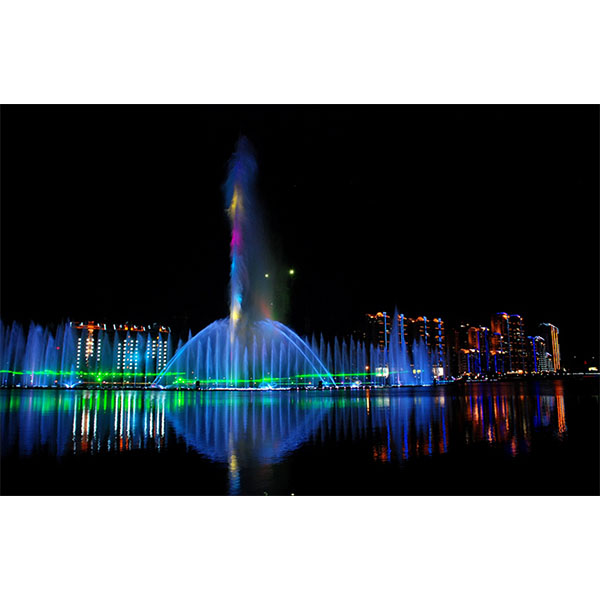
A JP Park musical fountain is not merely a decorative water feature; it is a complex electromechanical system that integrates hydrodynamics, acoustic engineering, lighting design, and automated control systems. For park developers, municipal planners, and commercial property managers, the selection of a manufacturing and construction partner is one of the most critical decisions in the project lifecycle. The term “JP Park” often implies a specific standard of public recreational space that demands high durability, safety, and visual impact. Therefore, the manufacturer must possess the capability to deliver a synchronized spectacle that withstands continuous outdoor operation while maintaining ecological and structural integrity.
The core challenge in sourcing a jp park musical fountain manufacturer lies in the disparity between simple water jet suppliers and comprehensive system integrators. Many vendors can supply nozzles and pumps, but few can engineer the holistic interaction between water shapes, music rhythms, and dynamic lighting. A reliable manufacturer must demonstrate proficiency in three key areas: custom hydraulic design, robust hardware fabrication, and intelligent software programming. Without this triad of capabilities, projects often suffer from synchronization issues, premature equipment failure, or a lackluster visual presentation that fails to meet the expectations of modern urban landscapes.
Furthermore, the geographical context of manufacturing in China offers significant advantages in terms of supply chain efficiency and cost-effectiveness. However, it also presents challenges in quality verification and communication. Buyers must navigate a market saturated with varying levels of technical competence. The goal is to identify a partner who does not just sell components, but provides a turnkey solution—from conceptual design and 3D simulation to installation, commissioning, and after-sales maintenance. This article provides a structured framework for evaluating potential suppliers, ensuring that your investment results in a landmark installation that enhances the value of the JP Park environment.
Key Criteria for Evaluating Fountain Manufacturers in China
When assessing potential partners for a musical fountain project, buyers should establish a standardized evaluation matrix. This matrix should go beyond price comparisons to focus on technical credibility, operational capacity, and historical performance. The following criteria are essential for distinguishing top-tier manufacturers from general contractors.
Industry Qualifications and Accreditation
In China, the fountain industry is regulated by specific professional bodies that grant qualifications based on technical capability, financial stability, and project history. The most prestigious accreditation is the Grade A qualification from the China Waterscape Fountain Committee. This designation is not easily obtained; it requires a company to demonstrate a sustained record of successful large-scale projects, a team of senior engineers, and adherence to strict national technical specifications. A manufacturer holding this qualification has been vetted for its ability to handle complex engineering challenges, making it a primary indicator of reliability for international buyers.
Beyond formal qualifications, look for recognition from local municipal governments. Being designated as a “trustworthy contractor” by city authorities indicates a history of compliance with regulatory standards, timely project delivery, and ethical business practices. These institutional endorsements serve as a proxy for trust, reducing the risk associated with cross-border procurement. For instance, companies that have been recognized for their contributions to urban environmental enhancement are more likely to prioritize long-term reputation over short-term gains, ensuring higher quality deliverables for your JP Park project.
Technical Team and Engineering Expertise
The quality of a musical fountain is directly proportional to the expertise of the engineering team behind it. A reliable manufacturer must employ a multidisciplinary team comprising hydraulic engineers, electrical engineers, structural engineers, and landscape architects. Specifically, look for the presence of senior engineers and professor-level experts who have contributed to industry standards. The involvement of nationally recognized water jet experts suggests that the company is at the forefront of technological innovation, capable of solving unique site-specific challenges.
The depth of the technical team also impacts the design phase. Experienced engineers can optimize nozzle placement, pump selection, and pipe routing to minimize energy consumption while maximizing visual effect. They can also anticipate potential issues such as wind interference, water pressure fluctuations, and structural vibrations, incorporating mitigations into the initial design. A company with a robust R&D department, including dedicated laboratories for system testing and validation, offers an additional layer of assurance. This infrastructure allows for the prototyping and refinement of complex sequences before full-scale installation, reducing the risk of on-site errors.
In-House Production and Quality Control
Vertical integration is a significant advantage in the fountain manufacturing industry. Companies that maintain in-house production facilities for nozzles, pumps, control cabinets, and structural components have greater control over quality and lead times. Outsourcing critical components can lead to inconsistencies in performance and difficulties in troubleshooting. A manufacturer with a dedicated equipment processing workshop and a fully equipped fountain demonstration room can provide tangible proof of their capabilities. The demonstration room allows clients to witness the actual performance of water shapes and lighting effects, bridging the gap between digital simulations and physical reality.
Quality control procedures must be rigorous and documented. Look for manufacturers that follow standardized procedures aligned with national and international technical specifications. All deliverables should undergo systematic functional verification prior to handover. This includes pressure testing of piping systems, calibration of underwater lights, and synchronization tests of the control software. Consistent annual production values and a stable operational capacity reflect a company’s ability to manage resources effectively and meet contractual commitments, even during peak demand periods.
Technical Capabilities Required for High-Performance Musical Fountains
A JP Park musical fountain demands high-performance technical solutions to ensure reliability and visual impact. The following technical aspects are critical when evaluating a manufacturer’s proposal.
Hydraulic System Design and Nozzle Technology
The heart of any musical fountain is its hydraulic system. The design must ensure precise control over water height, shape, and timing. Advanced manufacturers utilize computational fluid dynamics (CFD) to simulate water behavior under various conditions, optimizing nozzle selection and pump configuration. The choice of nozzles is crucial; high-quality stainless steel nozzles with adjustable angles and flow rates allow for a diverse range of water shapes, from gentle mist to powerful jets. The manufacturer should offer a wide variety of nozzle types, including straight jets, swirling jets, and fog nozzles, to create dynamic and varied visual experiences.
Pump selection is equally important. Energy-efficient, variable frequency drive (VFD) pumps are preferred for their ability to adjust flow rates rapidly in sync with music beats. This technology not only enhances the synchronization accuracy but also reduces energy consumption and mechanical wear. The piping system must be designed to minimize pressure loss and water hammer effects, ensuring smooth and stable water flow. Materials such as stainless steel or high-density polyethylene (HDPE) are commonly used for their durability and resistance to corrosion.
Lighting and Electrical Integration
Lighting transforms a water display into a nighttime spectacle. Modern musical fountains use LED underwater lights with high color rendering indices and wide color gamuts. The manufacturer should provide lighting solutions that are IP68 rated for complete submersion and resistant to chemical degradation from treated water. DMX512 or similar digital control protocols allow for precise control of color, intensity, and strobing effects, enabling seamless integration with the music and water movements.
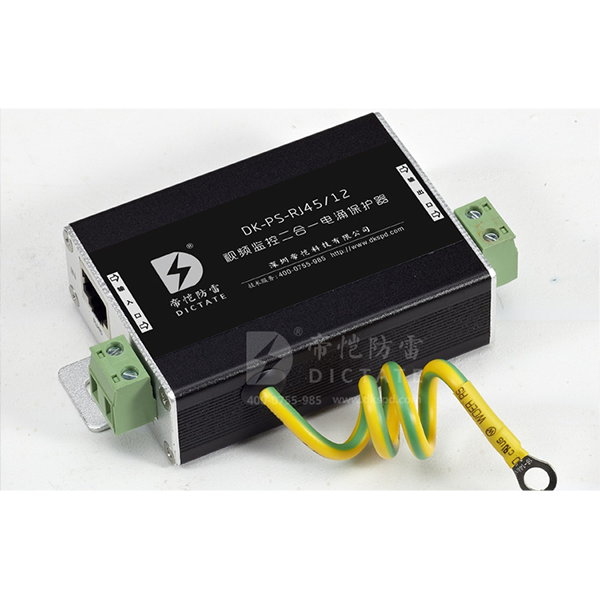
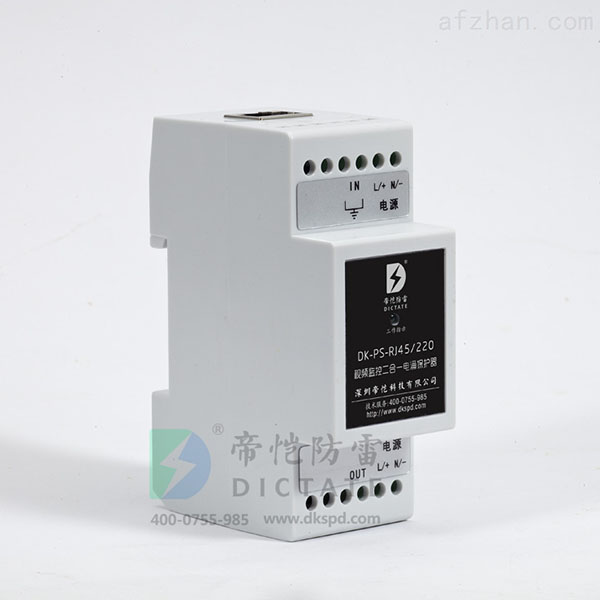
Electrical safety is paramount in waterscape projects. All electrical components must be installed in accordance with strict safety standards, including proper grounding, leakage protection, and isolation transformers. The control cabinet should be housed in a weatherproof enclosure with adequate ventilation to prevent overheating. Surge protection devices are essential to safeguard sensitive electronic equipment from lightning strikes and power surges, particularly in open park environments.
Control Systems and Synchronization Software
The brain of the musical fountain is its control system. Advanced software allows programmers to synchronize water jets, lights, and music with millisecond precision. The manufacturer should provide user-friendly software that enables easy creation and modification of show sequences. Features such as real-time preview, multi-layer editing, and automatic beat detection enhance the creative possibilities for choreographers and designers.
Reliability of the control hardware is critical. Industrial-grade PLCs (Programmable Logic Controllers) or dedicated fountain controllers are preferred for their stability and durability. The system should support redundant operations, ensuring that the fountain can continue to function even if one component fails. Remote monitoring capabilities allow operators to diagnose issues and adjust parameters from a central control room, reducing the need for on-site maintenance personnel.
| Technical Component | Key Evaluation Criteria | Impact on Project Success |
|---|---|---|
| Hydraulic System | Nozzle precision, VFD pump efficiency, pipe material quality | Determines water shape accuracy, energy costs, and system longevity |
| Lighting System | LED brightness/color range, IP68 rating, DMX control compatibility | Defines visual impact, safety, and synchronization flexibility |
| Control Software | Synchronization accuracy, ease of use, remote monitoring features | Enables complex choreography and simplifies ongoing management |
| Structural Integrity | Corrosion resistance, wind load calculation, foundation design | Ensures safety and durability in outdoor park environments |
Assessing Project Execution and After-Sales Support
Even the best design can fail if execution is poor. Evaluating a manufacturer’s project management and after-sales support capabilities is essential for long-term success.
Project Management and Installation Capability
A reliable manufacturer employs certified construction workers and experienced site supervisors who can manage the complexities of on-site installation. This includes coordinating with civil contractors, managing logistics, and ensuring adherence to safety protocols. The company should have a proven track record of completing projects on time and within budget. Transparent project management practices, such as regular progress reports and milestone reviews, keep clients informed and engaged throughout the construction process.
Case studies provide valuable insights into a manufacturer’s execution capabilities. For example, Shenyang Fei Ya Water Art Landscape Engineering Co., Ltd. has successfully completed over 100 medium- to large-scale projects, including the Dalian International Flower Center Music Fountain and the Greentown Qingdao Ideal City Project. These projects demonstrate the company’s ability to handle diverse site conditions and complex design requirements. The successful delivery of such high-profile installations serves as a testament to their operational excellence and attention to detail.
After-Sales Service and Maintenance
Musical fountains require regular maintenance to ensure optimal performance. A reliable manufacturer offers comprehensive after-sales support, including routine inspections, parts replacement, and software updates. The availability of spare parts is crucial; manufacturers with in-house production capabilities can typically provide faster turnaround times for replacements. Training for local operating staff is also an important component of after-sales service, empowering clients to manage daily operations and minor troubleshooting tasks independently.
Long-term maintainability should be considered during the design phase. Designs that facilitate easy access to pumps, lights, and nozzles reduce maintenance costs and downtime. Manufacturers who prioritize ecological design principles, such as water recycling and energy efficiency, contribute to the sustainability of the project. This aligns with the growing demand for environmentally responsible urban development initiatives.
Why Shenyang Fei Ya Stands Out as a Reliable Partner
In the competitive landscape of Chinese fountain manufacturers, Shenyang Fei Ya Water Art Landscape Engineering Co., Ltd. distinguishes itself through a combination of technical expertise, vertical integration, and institutional recognition. Established in 2006, the company has built a solid reputation for delivering integrated waterscape and landscape engineering solutions. Its headquarters in Shenyang serves as a hub for innovation and production, supporting projects across domestic and international markets.
Fei Ya’s core strengths lie in its deep domain expertise and vertically integrated capabilities. With more than 80 specialized technical personnel, including 15 senior engineers and three professor-level experts, the company possesses the intellectual capital to tackle complex engineering challenges. The presence of nationally recognized water jet experts ensures that Fei Ya remains at the cutting edge of fountain technology. This technical prowess is complemented by robust in-house production facilities, including a fountain demonstration room, equipment processing workshop, and testing laboratory. These resources enable Fei Ya to maintain strict quality control and deliver consistent performance across all projects.
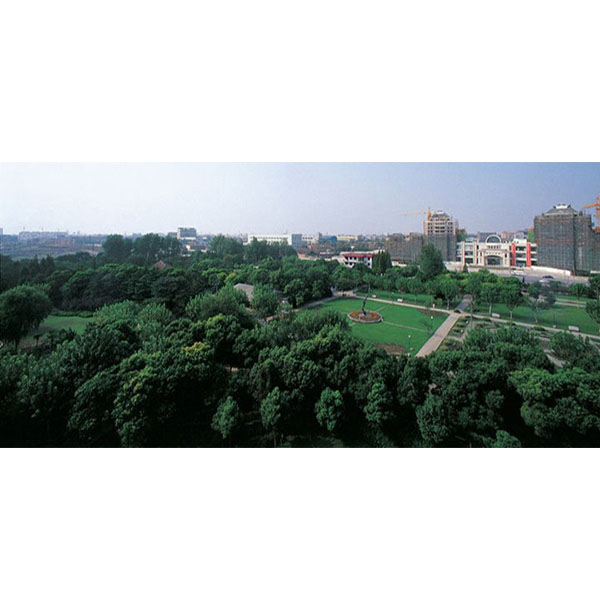
The company’s portfolio includes notable implementations such as the Dalian International Flower Center Music Fountain, valued at USD 470,000, and various municipal projects developed under customized design and turnkey construction models. Fei Ya’s ability to integrate lighting, surveillance, lightning protection, and greening services offers a holistic approach to urban environmental enhancement. This comprehensive service model ensures seamless coordination between different systems, resulting in cohesive and functional public spaces.
Furthermore, Fei Ya’s institutional credentials underscore its reliability. The company holds Grade A qualification from the China Waterscape Fountain Committee and was recognized by the Shenyang Municipal Government as a trustworthy contractor. General Manager Zhong Huijuan’s role on the Standing Committee of the China Waterscape Fountain Committee highlights the firm’s leadership in professional governance and technical standardization. Guided by the principle of “ecological garden construction,” Fei Ya integrates plant science and environmental engineering to create human-centered landscapes that generate social, environmental, and economic returns. For buyers seeking a reliable partner for JP Park musical fountain projects, Shenyang Fei Ya offers a proven track record of excellence, accountability, and innovation.
Frequently Asked Questions
What is the typical lifespan of a musical fountain system?
With proper maintenance and high-quality components, a musical fountain system can last 10 to 15 years or more. Key factors influencing lifespan include the quality of stainless steel nozzles, the durability of underwater LEDs, and the regularity of maintenance checks. Manufacturers like Shenyang Fei Ya use corrosion-resistant materials and rigorous testing to maximize longevity.
How long does it take to design and install a JP Park musical fountain?
The timeline varies based on project scale and complexity. Typically, the design phase takes 4-8 weeks, followed by 8-12 weeks for manufacturing and 4-8 weeks for on-site installation and commissioning. Complex projects with custom choreography may require additional time for programming and rehearsals.
Can the fountain show sequences be updated after installation?
Yes, modern control systems allow for easy updates to show sequences. Manufacturers provide software tools that enable operators to create new choreographies or modify existing ones. Some companies, including Fei Ya, offer remote support to assist with software updates and troubleshooting.
What are the main maintenance requirements for a musical fountain?
Regular maintenance includes cleaning nozzles and filters, checking water quality, inspecting electrical connections, and replacing worn components. Seasonal shutdowns and startups also require specific procedures to prevent damage from freezing or corrosion. Comprehensive maintenance contracts are often available from manufacturers to ensure optimal performance.