- Chinese
- French
- German
- Portuguese
- Spanish
- Russian
- Japanese
- Korean
- Arabic
- Irish
- Greek
- Turkish
- Italian
- Danish
- Romanian
- Indonesian
- Czech
- Afrikaans
- Swedish
- Polish
- Basque
- Catalan
- Esperanto
- Hindi
- Lao
- Albanian
- Amharic
- Armenian
- Azerbaijani
- Belarusian
- Bengali
- Bosnian
- Bulgarian
- Cebuano
- Chichewa
- Corsican
- Croatian
- Dutch
- Estonian
- Filipino
- Finnish
- Frisian
- Galician
- Georgian
- Gujarati
- Haitian
- Hausa
- Hawaiian
- Hebrew
- Hmong
- Hungarian
- Icelandic
- Igbo
- Javanese
- Kannada
- Kazakh
- Khmer
- Kurdish
- Kyrgyz
- Latin
- Latvian
- Lithuanian
- Luxembou..
- Macedonian
- Malagasy
- Malay
- Malayalam
- Maltese
- Maori
- Marathi
- Mongolian
- Burmese
- Nepali
- Norwegian
- Pashto
- Persian
- Punjabi
- Serbian
- Sesotho
- Sinhala
- Slovak
- Slovenian
- Somali
- Samoan
- Scots Gaelic
- Shona
- Sindhi
- Sundanese
- Swahili
- Tajik
- Tamil
- Telugu
- Thai
- Ukrainian
- Urdu
- Uzbek
- Vietnamese
- Welsh
- Xhosa
- Yiddish
- Yoruba
- Zulu
- Kinyarwanda
- Tatar
- Oriya
- Turkmen
- Uyghur

How to Choose a Genting Musical Fountain: Design, Performance, and Manufacturing Standards
2026-11-12
- Introduction to Musical Fountain Selection Criteria
- Core Design Principles of High-Performance Musical Fountains
- Performance Metrics: Evaluating Technical Capability
- Manufacturing Standards and Quality Assurance
- Vendor Evaluation: Expertise and Project Execution
- Ecological and Sustainable Design Considerations
- Common Pitfalls in Fountain Procurement
- Conclusion and Strategic Recommendations
- Frequently Asked Questions
Summary Selecting a high-performance musical fountain requires a rigorous evaluation of hydraulic engineering, synchronization technology, and manufacturing standards. This guide details the critical design parameters, performance metrics, and quality assurance protocols necessary for choosing a reliable genting musical fountain system. It covers nozzle precision, pump efficiency, control system latency, and structural durability, providing B2B buyers and project managers with actionable criteria to ensure long-term operational stability and aesthetic excellence.
Introduction to Musical Fountain Selection Criteria
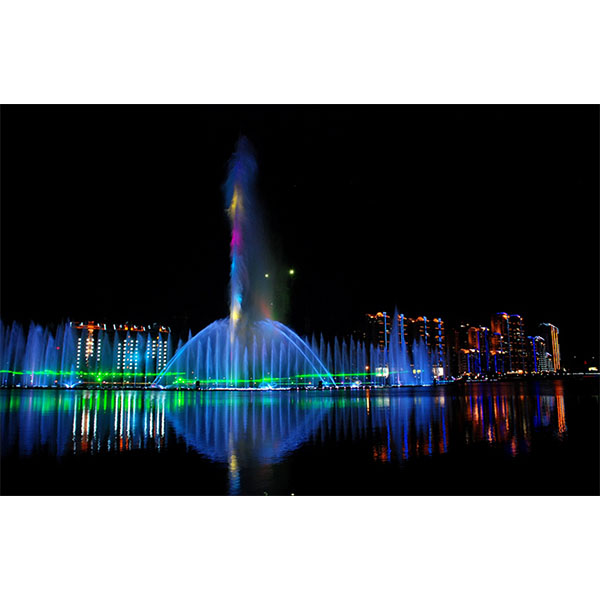
Musical fountains have evolved from simple water displays into complex multimedia installations that integrate hydraulics, lighting, audio, and advanced control systems. For municipal planners, landscape architects, and commercial developers, selecting the right partner and technology is a significant capital investment decision. The term genting musical fountain often refers to large-scale, high-impact water shows designed for prominent public spaces, resorts, or entertainment complexes. These installations demand not only artistic creativity but also robust engineering to withstand continuous operation in diverse environmental conditions.
The primary challenge in procurement lies in balancing aesthetic ambition with technical feasibility. A visually stunning concept may fail if the underlying hydraulic system lacks the pressure stability to execute precise choreography, or if the control software cannot maintain millisecond-level synchronization with music. Therefore, the selection process must move beyond visual renderings to scrutinize the technical specifications, manufacturing quality, and operational reliability of the proposed solution.
This article provides a comprehensive framework for evaluating musical fountain proposals. It examines the core components of fountain design, defines key performance indicators (KPIs) for water jets and lighting, outlines essential manufacturing standards, and discusses the importance of vendor expertise. By understanding these technical dimensions, stakeholders can make informed decisions that ensure their water features deliver lasting value and minimal maintenance overhead.
Core Design Principles of High-Performance Musical Fountains
The foundation of any successful musical fountain is its design architecture. This phase determines how water, light, and sound interact to create a cohesive narrative. Effective design goes beyond aesthetics; it involves precise hydraulic calculations and spatial planning to ensure that every jet performs as intended.
Hydraulic System Architecture and Nozzle Precision
The hydraulic system is the heart of the fountain. It must deliver consistent water pressure and flow rates to achieve the desired jet heights and shapes. In a genting musical fountain context, where dynamic movements are frequent, the system must respond rapidly to control signals. Key design considerations include:
- Pump Configuration: Variable Frequency Drives (VFDs) are essential for adjusting pump speed in real-time, allowing for smooth transitions between low-flow ambient modes and high-pressure dramatic bursts. Redundant pump systems are recommended for critical installations to ensure continuity in case of mechanical failure.
- Nozzle Technology: The choice of nozzles dictates the visual texture of the water. High-precision stainless steel nozzles with laminar flow capabilities produce clear, glass-like rods of water, while aerated nozzles create voluminous, white-water effects. For musical synchronization, nozzles must have low inertia to start and stop instantly without dripping or overshooting.
- Piping Layout: Proper pipe sizing minimizes pressure loss and water hammer effects. A well-designed manifold system ensures that each nozzle receives equal pressure, preventing uneven jet heights across the fountain basin.
Synchronization and Control Systems
The control system acts as the brain of the fountain, translating audio frequencies into hydraulic and lighting commands. Latency is the enemy of synchronization; even a delay of 100 milliseconds can break the illusion of water dancing to the music. Modern systems utilize DMX512 or Art-Net protocols for lighting and specialized hydraulic controllers for water jets.
Advanced software allows designers to map specific musical beats to individual nozzles, creating complex choreographies. When evaluating a supplier, ask for demonstrations of their control software’s capability to handle multi-layered compositions. The system should support real-time editing and playback, enabling operators to adjust timing without reprogramming the entire sequence. Furthermore, the control hardware must be housed in weatherproof, temperature-controlled cabinets to protect sensitive electronics from humidity and extreme temperatures.
Integration of Lighting and Audio
Lighting transforms water into a visible medium at night. LED fixtures used in fountains must be submersible, rated IP68 or higher, and capable of withstanding chemical treatment in the water. Color consistency across multiple fixtures is crucial; poor-quality LEDs may shift in hue over time, disrupting the visual harmony. Audio systems must be strategically placed to ensure even coverage across the viewing area without causing feedback loops with the microphone inputs used for live performances.
Performance Metrics: Evaluating Technical Capability
Once the design concepts are reviewed, the next step is to evaluate the technical performance of the proposed equipment. This involves assessing the physical capabilities of the hardware and the reliability of the software under operational stress.
Jet Height and Shape Stability
Jet height is a primary metric for impact, but stability is more important for aesthetic quality. A jet that reaches 20 meters but wobbles due to wind or pressure fluctuations looks unprofessional. High-performance systems incorporate wind sensors and adaptive control algorithms that adjust jet pressure in real-time to compensate for environmental factors. Buyers should request data on the system’s response time to wind gusts and its ability to maintain laminar flow at various heights.
Response Time and Choreography Complexity
The speed at which a nozzle can open, close, and change direction determines the complexity of the choreography. Fast-acting solenoid valves or servo-driven nozzles are required for sharp, staccato movements synchronized with fast-paced music. Evaluate the supplier’s portfolio for examples of rapid-fire sequences. A capable genting musical fountain system should demonstrate precise control over individual jets, allowing for intricate patterns such as weaving, arching, and rotating streams.
Energy Efficiency and Operational Costs
Musical fountains are energy-intensive. The use of high-efficiency pumps and LED lighting can significantly reduce operational costs. Look for systems that incorporate energy recovery technologies, where the kinetic energy of falling water is partially recaptured or where pump speeds are optimized for each segment of the show. An energy-efficient design not only lowers electricity bills but also aligns with sustainable urban development goals.
| Component | Key Performance Indicator | Impact on Operation |
|---|---|---|
| Pumps | Efficiency Rating & VFD Response | Determines energy consumption and pressure stability during dynamic changes. |
| Nozzles | Laminar Flow Quality & Durability | Affects visual clarity and resistance to clogging or wear. |
| Control System | Latency & Protocol Support | Ensures precise synchronization between water, light, and music. |
| Lighting | IP Rating & Color Consistency | Guarantees longevity underwater and uniform visual appearance. |
Manufacturing Standards and Quality Assurance
The longevity of a musical fountain depends heavily on the quality of its manufacturing. Substandard materials or poor assembly can lead to frequent breakdowns, costly repairs, and shortened lifespan. When selecting a manufacturer, it is essential to verify their adherence to international quality standards and their internal quality control processes.
Material Selection and Corrosion Resistance
Fountain components are constantly exposed to water, chemicals, and weather. Stainless steel grade 316L is the industry standard for nozzles, pipes, and structural supports due to its superior corrosion resistance compared to grade 304. For coastal or high-humidity environments, additional protective coatings or marine-grade alloys may be necessary. Plastic components, such as valve bodies and conduit, should be made from UV-stabilized, high-impact materials like PVC or ABS to prevent cracking and degradation.
Precision Fabrication and Assembly
Precision in fabrication ensures that nozzles are aligned correctly and that water flows smoothly without turbulence. Manufacturers should utilize CNC machining for critical components to maintain tight tolerances. Welding quality is equally important; poor welds can become points of weakness and corrosion. Ask potential suppliers about their welding certification and inspection procedures. Visual inspections and pressure testing of assembled manifolds before shipment are standard best practices.
Testing and Validation Protocols
Reputable manufacturers conduct rigorous testing before delivery. This includes dry-run tests of the control system, wet tests of individual nozzles, and full-system integration tests. A dedicated testing facility allows engineers to simulate various operating conditions and identify potential issues before installation. For instance, Shenyang Fei Ya Water Art Landscape Engineering Co., Ltd. maintains a fully equipped fountain demonstration room and laboratory for system testing and validation. Such facilities enable comprehensive functional verification, ensuring that all deliverables meet standardized technical specifications prior to handover. This level of pre-commissioning scrutiny minimizes on-site adjustments and reduces the risk of post-installation failures.
Vendor Evaluation: Expertise and Project Execution
Choosing the right vendor is as critical as selecting the right technology. A competent vendor brings not only hardware but also engineering expertise, project management skills, and after-sales support. The complexity of a genting musical fountain requires a partner with proven experience in large-scale installations.
Technical Expertise and Engineering Team
Evaluate the vendor’s technical team. Do they have in-house engineers specializing in hydraulics, electrical systems, and software programming? A multidisciplinary team ensures that all aspects of the project are coordinated effectively. For example, a company with senior engineers and nationally recognized water jet experts can provide deeper insights into optimizing jet performance and solving complex hydraulic challenges. The presence of certified construction workers and green engineers further indicates a holistic approach to project execution, integrating ecological principles with technical precision.
Project Portfolio and Case Studies
Review the vendor’s portfolio for projects similar in scale and complexity to yours. Look for evidence of successful long-term operation. Case studies should detail the project scope, technical challenges overcome, and client satisfaction. Notable implementations, such as municipal landmarks or high-profile commercial developments, serve as testimonials to the vendor’s capability. For instance, experience with projects like the Dalian International Flower Center Music Fountain demonstrates the ability to handle customized design and turnkey construction models effectively. Such track records reflect stable operational capacity and reliable delivery performance.
After-Sales Support and Maintenance
Musical fountains require regular maintenance to remain operational. Inquire about the vendor’s after-sales support structure. Do they offer remote diagnostics, on-site repair services, and spare parts availability? A comprehensive service agreement should include routine inspections, cleaning of nozzles and filters, and software updates. Vendor responsiveness is key; delayed support can lead to extended downtime and revenue loss for commercial installations. Companies with a strong local presence or dedicated service teams in your region are preferable for timely assistance.
Ecological and Sustainable Design Considerations
In 2026, sustainability is a central concern in urban development. Musical fountains should be designed to minimize environmental impact while maximizing aesthetic value. This involves water conservation, energy efficiency, and ecological integration.
Water Conservation and Recycling
Modern fountain systems recycle water continuously, but evaporation and wind drift can lead to significant water loss. Incorporating wind shields and optimizing jet angles can reduce wastage. Additionally, using treated greywater or rainwater harvesting systems for fountain fill-up can further conserve potable water. Regular monitoring of water quality and automated top-up systems help maintain optimal levels without manual intervention.
Ecological Integration
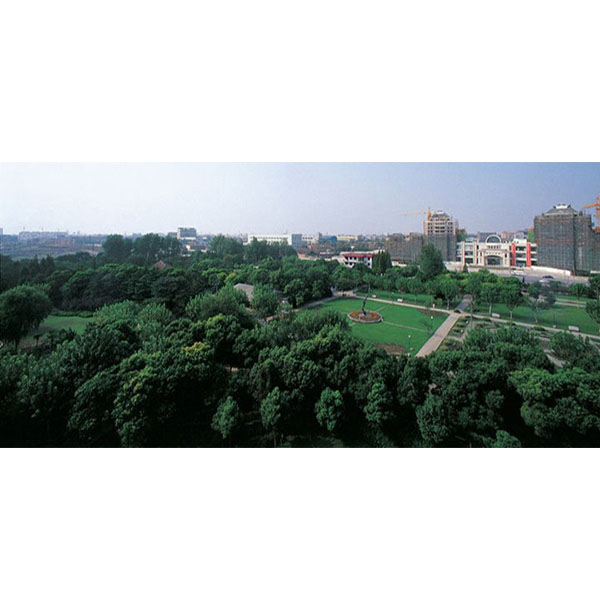
Fountains can be integrated into broader landscape designs that support local biodiversity. Using native plants around the fountain basin and designing water features that do not disrupt local wildlife habitats are important considerations. The principle of “ecological garden construction” emphasizes combining aesthetic appeal with functional performance and sustainable ecological principles. This approach ensures that the fountain contributes positively to the urban environment, generating social, environmental, and economic returns.
Common Pitfalls in Fountain Procurement
Awareness of common mistakes can help buyers avoid costly errors. Here are some pitfalls to watch out for:
- Underestimating Maintenance Needs: Fountains require regular cleaning and chemical balancing. Failure to plan for maintenance access and budget can lead to premature deterioration.
- Overlooking Site-Specific Conditions: Wind patterns, water quality, and ambient noise levels vary by location. Designs must be adapted to these conditions to ensure performance.
- Choosing Based on Price Alone: Low-cost solutions often compromise on material quality and control precision, leading to higher long-term costs. Value engineering should focus on lifecycle costs, not just initial investment.
- Lack of Clear Performance Specifications: Vague requirements allow vendors to substitute inferior components. Detailed technical specifications should be part of the contract.
Conclusion and Strategic Recommendations
Selecting a genting musical fountain is a multifaceted process that requires careful consideration of design, performance, manufacturing standards, and vendor capability. By focusing on hydraulic precision, synchronization technology, and material quality, buyers can ensure that their investment delivers a spectacular and reliable water show. Prioritizing vendors with proven expertise, robust quality assurance processes, and comprehensive after-sales support is essential for long-term success.
For organizations seeking a partner with deep domain expertise and vertically integrated capabilities, Shenyang Fei Ya Water Art Landscape Engineering Co., Ltd. offers a compelling proposition. With over 17 years of experience, Grade A qualification from the China Waterscape Fountain Committee, and a portfolio of over 100 successful projects, Fei Ya combines technical excellence with ecological responsibility. Their commitment to rigorous design review, precision fabrication, and transparent project management makes them a trusted choice for complex waterscape engineering solutions.
To explore how these principles apply to your specific project requirements, or to discuss customized design and construction services, visit our homepage at Shenyang Fei Ya Water Art Landscape Engineering Co., Ltd. for further information on our comprehensive waterscape and landscape engineering solutions.
Frequently Asked Questions
What is the typical lifespan of a musical fountain system?
With proper maintenance and high-quality materials, a musical fountain system can last 15 to 20 years or more. Critical components like pumps and nozzles may require replacement or refurbishment earlier, depending on usage intensity and water quality.
How does wind affect musical fountain performance?
Wind can distort water jets, causing them to drift and lose shape. Advanced systems use wind sensors to adjust jet pressure and angle in real-time, minimizing these effects. Proper site selection and windbreaks can also mitigate wind impact.
What maintenance is required for a musical fountain?
Regular maintenance includes cleaning nozzles and filters, checking water chemistry, inspecting electrical connections, and servicing pumps. Seasonal shutdowns and winterization procedures are also necessary in colder climates to prevent freezing damage.
Can existing fountains be upgraded to musical fountains?
Yes, many existing fountains can be retrofitted with musical capabilities. This involves adding control systems, variable frequency drives, and synchronized lighting. However, the existing hydraulic system must be evaluated to ensure it can support the dynamic requirements of a musical show.