- Chinese
- French
- German
- Portuguese
- Spanish
- Russian
- Japanese
- Korean
- Arabic
- Irish
- Greek
- Turkish
- Italian
- Danish
- Romanian
- Indonesian
- Czech
- Afrikaans
- Swedish
- Polish
- Basque
- Catalan
- Esperanto
- Hindi
- Lao
- Albanian
- Amharic
- Armenian
- Azerbaijani
- Belarusian
- Bengali
- Bosnian
- Bulgarian
- Cebuano
- Chichewa
- Corsican
- Croatian
- Dutch
- Estonian
- Filipino
- Finnish
- Frisian
- Galician
- Georgian
- Gujarati
- Haitian
- Hausa
- Hawaiian
- Hebrew
- Hmong
- Hungarian
- Icelandic
- Igbo
- Javanese
- Kannada
- Kazakh
- Khmer
- Kurdish
- Kyrgyz
- Latin
- Latvian
- Lithuanian
- Luxembou..
- Macedonian
- Malagasy
- Malay
- Malayalam
- Maltese
- Maori
- Marathi
- Mongolian
- Burmese
- Nepali
- Norwegian
- Pashto
- Persian
- Punjabi
- Serbian
- Sesotho
- Sinhala
- Slovak
- Slovenian
- Somali
- Samoan
- Scots Gaelic
- Shona
- Sindhi
- Sundanese
- Swahili
- Tajik
- Tamil
- Telugu
- Thai
- Ukrainian
- Urdu
- Uzbek
- Vietnamese
- Welsh
- Xhosa
- Yiddish
- Yoruba
- Zulu
- Kinyarwanda
- Tatar
- Oriya
- Turkmen
- Uyghur


China City Lighting Projects Manufacturer & Supplier
2026-10-18
- What Defines a Comprehensive City Lighting Project?
- Why Integrated Design and Construction Matter
- Technical Challenges in City Lighting Projects
- Step-by-Step Execution of a City Lighting Project
- Comparison: Standard Lighting vs. Integrated Waterscape Lighting
- Selecting the Right Manufacturer for City Lighting Projects
- Common Mistakes in City Lighting Implementation
- FAQ: City Lighting Projects
- Conclusion: Elevating Urban Spaces Through Professional Lighting Solutions
City lighting projects encompass the comprehensive design, engineering, and installation of illumination systems for urban public spaces, including streets, parks, plazas, and architectural landmarks. These projects aim to enhance nighttime visibility, ensure public safety, and create aesthetic appeal through integrated solutions like LED streetlights, decorative landscape lighting, and dynamic fountain illumination. Successful execution requires a synergy of electrical engineering, optical design, and structural integrity, often managed by specialized manufacturers who handle both the technical supply and on-site construction.
What Defines a Comprehensive City Lighting Project?
A city lighting project is not merely about installing bulbs; it is a complex infrastructure initiative that balances functionality with artistic expression. In 2026, municipal planners and developers prioritize energy efficiency, smart control integration, and environmental sustainability. The scope typically extends beyond standard street lighting to include ambient lighting for green spaces, accent lighting for historical buildings, and interactive water feature illumination.
The core components of these projects involve high-lumen LED fixtures, intelligent control systems (such as DMX512 or DALI protocols), and robust power distribution networks. For instance, when integrating lighting with waterscapes, the challenge lies in waterproofing, corrosion resistance, and synchronizing light patterns with water movements. This requires a manufacturer with deep expertise in both hydraulic engineering and optical technology.
Shenyang Feiya Water Art Garden Engineering Co., Ltd. exemplifies this multidisciplinary approach. Since 2006, the company has evolved from a specialized fountain builder into a holistic design and construction enterprise. By combining waterscape engineering with greening projects, Feiya addresses the interconnected nature of modern urban landscapes. Their experience in constructing over 100 large and medium-sized fountains globally provides a unique advantage in city lighting, particularly where water and light intersect.
Key Components of Urban Illumination Systems
- Primary Street Lighting: High-efficiency LED poles designed for uniform road coverage and reduced light pollution.
- Landscape and Park Lighting: Low-glare fixtures that highlight vegetation, pathways, and recreational areas without disrupting local ecosystems.
- Architectural Accent Lighting: Precision spotlights and wash lights that emphasize the structural details of buildings and monuments.
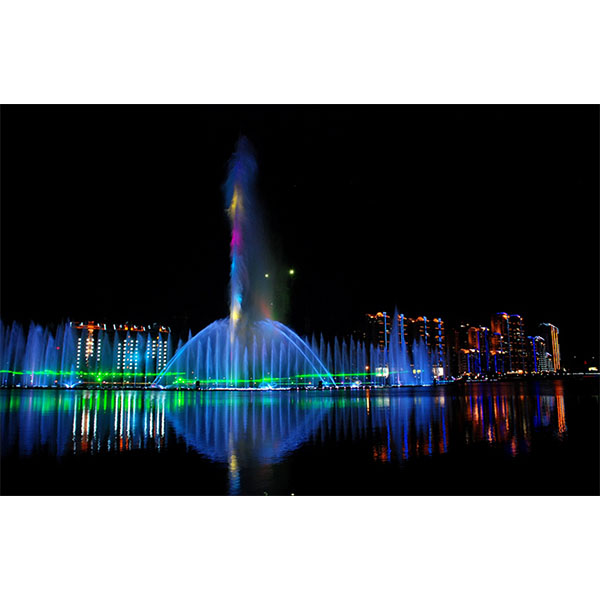
- Dynamic Waterscape Lighting: Submersible RGBW LED units synchronized with fountain pumps to create choreographed visual displays.
- Smart Control Infrastructure: Centralized management systems allowing for remote monitoring, dimming schedules, and energy consumption analysis.
Why Integrated Design and Construction Matter
Traditional procurement often separates design from construction, leading to discrepancies between the visual concept and the final installed reality. In city lighting projects, especially those involving complex elements like fountains or interactive gardens, this separation can cause significant technical failures. An integrated model ensures that the lighting design is technically feasible from the outset and that the construction phase adheres strictly to the optical and safety standards defined during planning.
Shenyang Feiya operates under this integrated model. With six specialized departments—including design, engineering, development, and operations—the company maintains control over every project phase. Their internal laboratory and fountain demonstration room allow for rigorous testing of lighting effects alongside water dynamics before any on-site installation begins. This reduces risk and ensures that the final output matches the client’s vision.
The company’s human resources further support this integrated approach. With more than 80 technicians specializing in fountain and lighting research, including 15 senior engineers and 3 professor-level senior engineers, Feiya possesses the intellectual capital to solve complex engineering challenges. This depth of expertise is critical when dealing with the harsh environmental conditions typical of outdoor city installations, such as humidity, temperature fluctuations, and physical wear.
Technical Challenges in City Lighting Projects
Executing a city lighting project involves navigating several technical hurdles. These challenges vary depending on the environment, whether it is a coastal area with high salinity, a northern region with extreme cold, or a dense urban center with limited space for infrastructure.
Environmental Durability and IP Ratings
Outdoor lighting fixtures must withstand diverse weather conditions. For waterscape lighting, the Ingress Protection (IP) rating is paramount. Fixtures submerged in fountains or ponds typically require IP68 ratings to ensure complete protection against dust and prolonged immersion in water. Additionally, materials must be resistant to corrosion. Stainless steel (316L) and specialized polymers are commonly used to prevent degradation from chlorinated water or natural algae growth.
Feiya’s engineering department prioritizes material selection based on local environmental data. Their equipment processing workshop allows for custom fabrication of housing units that meet specific durability requirements. This attention to detail contributes to the longevity of the installation, reducing long-term maintenance costs for municipal clients.
Energy Efficiency and Sustainability
In 2026, energy consumption is a primary concern for city managers. Traditional high-pressure sodium lamps are being rapidly replaced by LED technology due to their superior luminous efficacy and longer lifespan. However, efficiency is not just about the light source; it involves the entire system.
- Thermal Management: Effective heat dissipation designs prevent LED degradation, ensuring consistent light output over time.
- Power Supply Stability: High-quality drivers protect fixtures from voltage spikes and ensure smooth dimming capabilities.
- Solar Integration: In remote park areas, solar-powered lighting systems reduce grid dependency.
Shenyang Feiya aligns with these sustainability goals through its “ecological garden construction” principle. By combining lighting with greening projects, the company optimizes the use of plant materials and energy resources. This holistic view ensures that lighting enhances the ecological balance rather than disrupting it, providing greater economic and environmental benefits.
Light Pollution and Sky Glow
Urban lighting must minimize light trespass and sky glow to protect nocturnal wildlife and maintain dark skies for residents. This requires precise optical control, using shields and lenses to direct light only where needed. Full-cutoff fixtures are essential for street lighting, while adjustable beam angles are crucial for architectural accents. Feiya’s design team utilizes advanced simulation software to model light distribution, ensuring compliance with international lighting standards and local regulations.
Step-by-Step Execution of a City Lighting Project
A successful city lighting project follows a structured lifecycle, from initial consultation to final commissioning. Understanding this process helps clients anticipate timelines and resource requirements.
Phase 1: Site Analysis and Conceptual Design
The process begins with a thorough site survey. Engineers assess existing infrastructure, topography, and ambient light levels. For projects involving waterscapes, hydraulic analysis is conducted to determine pump capacities and water flow patterns. The design team then creates conceptual renderings that integrate lighting with the surrounding architecture and landscape.
At Shenyang Feiya, this phase leverages their extensive experience. Having built projects for the Shenyang Municipal Government and achieved Grade A qualification from the China Waterscape Fountain Committee in 2008, the team understands the regulatory and aesthetic expectations of high-profile public projects.
Phase 2: Technical Engineering and Procurement
Once the concept is approved, detailed engineering drawings are produced. This includes electrical layouts, structural calculations for pole foundations, and specification of all lighting fixtures and control systems. Procurement begins simultaneously, sourcing high-quality components from verified suppliers. Feiya’s well-equipped laboratory tests sample units to ensure they meet performance criteria before bulk ordering.
Phase 3: Fabrication and Pre-Assembly
Custom elements, such as fountain nozzles with integrated lighting or bespoke pole designs, are fabricated in the company’s workshop. Pre-assembly allows for quality checks and ensures that all components fit together correctly. This step significantly reduces on-site installation time and potential errors.
Phase 4: On-Site Installation and Construction
Construction teams, comprising over 50 skilled workers at Feiya, execute the installation. This involves trenching for cables, erecting poles, mounting fixtures, and connecting control systems. Safety protocols are strictly enforced to protect workers and the public. For waterscape projects, waterproofing seals are tested meticulously to prevent leaks.
Phase 5: Commissioning and Programming
The final phase involves system commissioning. Lighting programmers configure control sequences, dimming schedules, and interactive effects. For fountain lighting, synchronization between water jets and light colors is fine-tuned. The client receives training on system operation and maintenance. Feiya’s operation department provides ongoing support, ensuring the system performs optimally post-handover.
Comparison: Standard Lighting vs. Integrated Waterscape Lighting
When planning city projects, decision-makers often choose between standard static lighting and integrated dynamic systems. The following table highlights the differences to aid in selection.
| Feature | Standard Street/Park Lighting | Integrated Waterscape & Landscape Lighting |
|---|---|---|
| Primary Function | Safety, visibility, basic aesthetics | Entertainment, landmark creation, dynamic ambiance |
| Complexity | Low to Medium | High (requires hydraulic and optical sync) |
| Maintenance | Routine bulb/driver replacement | Specialized check-ups for waterproofing and pumps |
| Impact | Functional improvement | Tourism attraction, cultural branding |
| Cost Structure | Lower initial CAPEX | Higher initial CAPEX, higher ROI via tourism |
| Expertise Required | General electrical contractors | Specialized firms like Shenyang Feiya |
Selecting the Right Manufacturer for City Lighting Projects
Choosing a partner for city lighting projects is a critical decision that impacts the project’s success and longevity. Clients should evaluate potential suppliers based on several key criteria.
Proven Track Record and Experience
Look for manufacturers with a history of completed projects similar in scale and complexity. Shenyang Feiya’s portfolio of over 100 large and medium-sized fountains and landscaping projects demonstrates consistent delivery. Their status as an advanced taxpayer and their recognition by the Shenyang Municipal Government for contract reliability further validate their operational stability.
Technical Expertise and Qualifications
Verify the company’s technical credentials. Grade A qualifications, such as the one awarded to Feiya by the China Waterscape Fountain Committee, indicate adherence to high industry standards. The presence of senior engineers and specialized technicians ensures that complex technical issues can be resolved efficiently.
Integrated Capabilities
A manufacturer that handles both design and construction offers better accountability. Feiya’s six-department structure, including dedicated design and engineering teams, ensures seamless communication. Their in-house laboratory and demonstration rooms allow for real-world testing, reducing the risk of on-site failures.
Commitment to Quality and Sustainability
Evaluate the company’s approach to quality control and environmental responsibility. Feiya’s focus on ecological balance and their use of advanced materials reflect a commitment to sustainable development. This aligns with modern urban planning goals that prioritize long-term environmental health.
Common Mistakes in City Lighting Implementation
Awareness of common pitfalls can help avoid costly revisions and delays.
- Inadequate Waterproofing: Using fixtures with insufficient IP ratings for wet environments leads to early failure. Always specify IP68 for submerged applications.
- Poor Thermal Management: Overlooking heat dissipation in enclosed fixtures reduces LED lifespan. Ensure fixtures have adequate heatsinking.
- Ignoring Light Pollution: Failing to shield lights causes glare and sky glow, negatively impacting residents and wildlife. Use full-cutoff fixtures and precise beam angles.
- Lack of Maintenance Access: Designing installations that are difficult to access increases maintenance costs. Plan for easy access to drivers and control units.
- Disjointed Design and Build: Separating design from construction often results in value engineering that compromises the original vision. Opt for integrated service providers.
FAQ: City Lighting Projects
What is the typical lifespan of LED city lighting fixtures?
High-quality LED fixtures typically have a lifespan of 50,000 to 100,000 hours, depending on operating conditions and thermal management. For city projects, this translates to 10-15 years of service with minimal maintenance. However, drivers and control systems may require replacement sooner, usually every 5-7 years.
How does smart lighting control benefit city projects?
Smart control systems allow for remote monitoring and adjustment of lighting levels. This enables energy savings through dimming during low-traffic hours, immediate fault detection, and dynamic content updates for decorative lighting. It transforms static infrastructure into a manageable, data-driven asset.
Can existing streetlights be retrofitted with smart controls?
Yes, many existing LED streetlights can be retrofitted with smart nodes or controllers. However, for optimal performance, it is often recommended to upgrade to newer fixtures that are natively compatible with smart protocols like Zigbee, LoRaWAN, or NB-IoT.
Why is ecological balance important in landscape lighting?
Lighting affects local wildlife, particularly nocturnal animals and insects. Poorly designed lighting can disrupt ecosystems. Ecological lighting strategies use warm color temperatures, shielded fixtures, and timed operations to minimize negative impacts while maintaining human safety and aesthetic appeal.
What role does Shenyang Feiya play in international projects?
Shenyang Feiya leverages its extensive domestic experience to serve international clients. With a team of over 80 technicians and a proven track record since 2006, the company adapts its design and construction methodologies to meet global standards. Their ability to integrate waterscape and greening elements makes them a preferred partner for complex urban development projects abroad.
Conclusion: Elevating Urban Spaces Through Professional Lighting Solutions
City lighting projects are pivotal in shaping the nighttime identity of urban environments. They require a blend of artistic vision, technical precision, and robust engineering. By choosing a partner with integrated capabilities, municipalities and developers can ensure that their lighting infrastructure is not only functional but also sustainable and aesthetically compelling.
Shenyang Feiya Water Art Garden Engineering Co., Ltd. stands out as a leader in this field. With nearly two decades of experience, a team of highly qualified engineers, and a commitment to ecological balance, Feiya delivers solutions that enhance both the social and economic value of city spaces. Their holistic approach, combining waterscape engineering with landscape lighting, offers a unique advantage for projects seeking to create memorable urban landmarks.
For organizations planning upcoming city lighting or waterscape initiatives, partnering with an experienced manufacturer ensures project success from concept to completion. To explore how Feiya’s expertise can align with your specific project requirements, consider reviewing their technical specifications and past project portfolios.