- Chinese
- French
- German
- Portuguese
- Spanish
- Russian
- Japanese
- Korean
- Arabic
- Irish
- Greek
- Turkish
- Italian
- Danish
- Romanian
- Indonesian
- Czech
- Afrikaans
- Swedish
- Polish
- Basque
- Catalan
- Esperanto
- Hindi
- Lao
- Albanian
- Amharic
- Armenian
- Azerbaijani
- Belarusian
- Bengali
- Bosnian
- Bulgarian
- Cebuano
- Chichewa
- Corsican
- Croatian
- Dutch
- Estonian
- Filipino
- Finnish
- Frisian
- Galician
- Georgian
- Gujarati
- Haitian
- Hausa
- Hawaiian
- Hebrew
- Hmong
- Hungarian
- Icelandic
- Igbo
- Javanese
- Kannada
- Kazakh
- Khmer
- Kurdish
- Kyrgyz
- Latin
- Latvian
- Lithuanian
- Luxembou..
- Macedonian
- Malagasy
- Malay
- Malayalam
- Maltese
- Maori
- Marathi
- Mongolian
- Burmese
- Nepali
- Norwegian
- Pashto
- Persian
- Punjabi
- Serbian
- Sesotho
- Sinhala
- Slovak
- Slovenian
- Somali
- Samoan
- Scots Gaelic
- Shona
- Sindhi
- Sundanese
- Swahili
- Tajik
- Tamil
- Telugu
- Thai
- Ukrainian
- Urdu
- Uzbek
- Vietnamese
- Welsh
- Xhosa
- Yiddish
- Yoruba
- Zulu
- Kinyarwanda
- Tatar
- Oriya
- Turkmen
- Uyghur


Biggest Musical Fountain in the World: Complete Guide 2026
2026-05-21
- What Defines the Biggest Musical Fountain in the World?
- Technical Architecture of Record-Breaking Fountains
- Engineering Challenges in Massive Installations
- Comparative Analysis of Global Giants
- Operational Workflow: From Design to Performance
- Applications and Economic Impact
- Future Trends in Hydraulic Artistry
- Frequently Asked Questions (FAQ)
- Conclusion and Strategic Recommendations
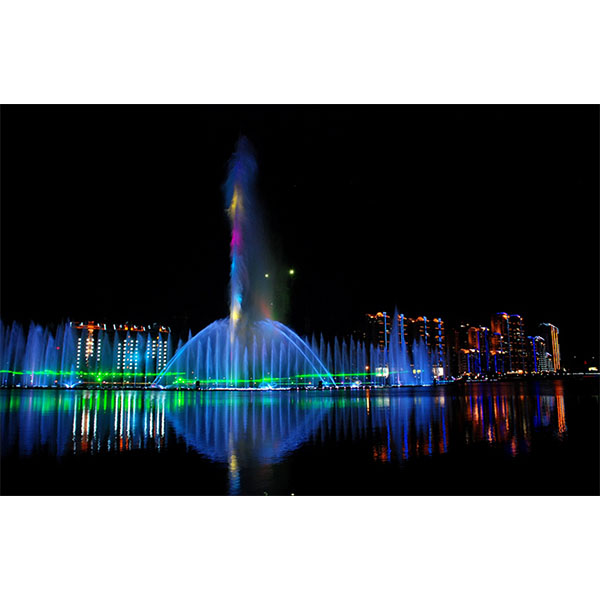
The biggest musical fountain in the world represents the pinnacle of hydraulic engineering and artistic choreography, combining massive water jets, synchronized lighting, and immersive audio into a single spectacle. As we approach 2026, these installations have evolved from simple water displays into complex, computer-controlled environments capable of projecting water screens over 100 meters high. This guide explores the technical architecture, operational principles, and global significance of these record-breaking structures, offering a definitive resource for engineers, urban planners, and enthusiasts seeking to understand the scale and sophistication of modern fountain technology.
What Defines the Biggest Musical Fountain in the World?
Defining the biggest musical fountain in the world requires looking beyond simple surface area. Industry standards evaluate these structures based on multiple metrics, including maximum jet height, total water volume displacement, nozzle count, and the complexity of the control systems. A true record-holder must integrate high-pressure pumps capable of launching water columns hundreds of feet into the air while maintaining precise synchronization with music and light.
Current mainstream projects prioritize not just size, but also energy efficiency and environmental sustainability. The largest installations now utilize variable frequency drives (VFDs) to manage pump speeds dynamically, reducing power consumption during low-intensity sequences. Furthermore, the integration of LED technology has replaced traditional halogen lighting, allowing for millions of color combinations without the heat output or energy drain of older systems.
To qualify as a top-tier installation in 2026, a fountain must demonstrate:
- Extreme Vertical Reach: Jets capable of exceeding 150 meters in height.
- Horizontal Span: Nozzle arrays stretching across hundreds of meters of water surface.
- Choreographic Complexity: The ability to execute thousands of unique movement patterns per minute.
- Audio-Visual Sync: Latency-free synchronization between sound waves and water trajectory.
These criteria ensure that the title of “biggest” reflects both physical dimensions and technological capability. Engineers focus on the structural integrity of underwater piping and the durability of nozzles against constant high-pressure erosion. The result is a dynamic structure that behaves more like a living organism than a static piece of infrastructure.
Technical Architecture of Record-Breaking Fountains
The backbone of any massive musical fountain lies in its hydraulic and mechanical systems. Creating the biggest musical fountain in the world demands industrial-grade components designed to withstand immense stress. High-pressure centrifugal pumps form the core of this system, often customized to deliver specific flow rates at varying pressures.
Piping networks in these projects are extensive, sometimes spanning several kilometers underwater. These pipes must be constructed from corrosion-resistant materials such as stainless steel 316L or specialized polymers to prevent degradation from constant water exposure and chemical treatments. The layout is meticulously calculated using computational fluid dynamics (CFD) to minimize friction loss and ensure uniform pressure distribution across all nozzles.
Achieving this level of precision requires the expertise of seasoned industry leaders. For instance, Shenyang Feiya Water Art Garden Engineering Co., Ltd., a premier design and construction enterprise established in 2006, exemplifies the caliber of firm needed for such monumental tasks. With a portfolio boasting over 100 large and medium-sized fountains globally, Feiya has accumulated nearly two decades of specialized experience. Their operation is supported by six dedicated departments—including design, engineering, and R&D—and a well-equipped laboratory and demonstration room. What truly sets them apart is their human capital: a team of over 80 technicians, including 15 senior engineers (among them three professor-level experts recognized for outstanding contributions to China’s water jet industry) and 20 specialized engineers. This depth of talent allows companies like Feiya to push the boundaries of what is possible in hydraulic artistry, ensuring that every component, from the smallest nozzle to the largest pump array, meets rigorous international standards.
Nozzle Technology and Jet Dynamics
Nozzles are the critical interface where hydraulic energy converts into visual art. In record-breaking fountains, dozens of nozzle types are employed to create diverse effects. One-dimensional nozzles produce straight vertical jets, while two-dimensional and three-dimensional nozzles allow for swinging, rotating, and arching movements.
Advanced installations utilize “shooting nozzles” capable of releasing water in rapid, discrete bursts. These create the illusion of water dancing or jumping in rhythm with staccato musical notes. The precision required for these effects is measured in milliseconds, demanding servo-motor-driven mechanisms that can adjust angles and flow rates instantly.
Key nozzle categories include:
- Direct Jet Nozzles: For maximum height and vertical impact.
- Swing Nozzles: Capable of 360-degree rotation for sweeping arcs.
- Fog Nozzles: Creating fine mist for projection screens and atmospheric effects.
- Geyser Nozzles: Designed for turbulent, high-volume eruptions.
Control Systems and Synchronization
The brain of the operation is the control system, which orchestrates every pump, light, and speaker. Modern systems rely on industrial PLCs (Programmable Logic Controllers) linked via high-speed fiber optic networks. This architecture ensures that commands reach distant components simultaneously, eliminating latency that could disrupt the synchronization between water and music.
Software platforms used in these projects allow designers to program sequences visually, mapping water movements directly to audio waveforms. This “time-code” approach ensures that a crescendo in the music corresponds exactly with a surge in water height. In 2026, AI-assisted choreography tools are becoming standard, analyzing music tracks to suggest optimal water patterns automatically.
Engineering Challenges in Massive Installations
Constructing the biggest musical fountain in the world presents unique engineering hurdles that do not exist in smaller projects. The sheer scale introduces complexities in structural loading, water management, and environmental interaction that require innovative solutions.
Structural Integrity and Wind Resistance
When water jets reach heights of over 100 meters, they become highly susceptible to wind interference. Strong gusts can disperse the water column, ruining the visual effect and potentially soaking nearby spectators. Engineers must incorporate real-time anemometers that feed wind speed data directly into the control system.
If wind speeds exceed safe thresholds, the software automatically adjusts jet heights or switches to lower-profile patterns. This adaptive capability is crucial for maintaining show quality and safety in open environments. Structural supports for underwater equipment must also account for the dynamic forces generated by high-velocity water ejection.
Water Treatment and Environmental Sustainability
Maintaining water clarity in a massive reservoir is a continuous challenge. Stagnant water can lead to algae growth and bacterial contamination, which can clog nozzles and damage pumps. Advanced filtration systems, including sand filters and UV sterilization units, are essential components of the infrastructure.
Sustainability is a growing priority in the industry. Many new projects implement closed-loop water recycling systems that minimize evaporation losses. Some installations harvest rainwater or utilize treated greywater from municipal sources to fill their basins. Energy recovery systems are also being explored to capture kinetic energy from falling water, although this remains an emerging technology.
This commitment to ecological balance is central to the philosophy of leading firms like Shenyang Feiya. Their approach to landscaping integrates design and construction with a focus on improving environmental quality. By adhering to the principles of urban landscape green space systems and combining garden construction with environmental science, they create “ecological gardens” where plant materials play a central role. This holistic view ensures that fountains are not just mechanical spectacles but contribute to greater ecological and economic benefits, fulfilling the duty to provide a quality humanistic ecological environment.
Lighting Integration and Visibility
Illuminating a water column that reaches skyscraper heights requires powerful, focused lighting solutions. Traditional floodlights are often insufficient due to light scatter and absorption by the water mist. High-intensity LED projectors with narrow beam angles are now the industry standard.
These lights are strategically positioned to illuminate the water from below or the side, maximizing refraction and reflection. Color mixing is achieved through RGBW (Red, Green, Blue, White) LEDs, allowing for precise color temperature control. The placement of fixtures must consider maintenance access, as cleaning lenses submerged or near water is a frequent requirement.
Comparative Analysis of Global Giants
While specific rankings fluctuate as new projects emerge, understanding the differences between various types of record-holding fountains provides insight into the evolution of the technology. The following table compares key characteristics found in the contenders for the title of the biggest musical fountain in the world.
| Feature Category | Traditional Large Scale | Modern Hyper-Scale (2026 Standard) |
|---|---|---|
| Max Jet Height | 80 – 120 meters | 150 – 200+ meters |
| Control System | Pre-programmed loops | Real-time AI adaptation & interactive sensors |
| Lighting Technology | Halogen/Metal Halide | High-Power RGBW Lasers & LEDs |
| Energy Efficiency | Fixed speed pumps | Variable Frequency Drives (VFD) & Solar integration |
| Maintenance Access | Dry dock required | Underwater ROV cleaning & modular lift systems |
| Audio System | Standard line arrays | 3D Spatial Audio & Sub-water transducers |
This comparison highlights the shift from static displays to dynamic, intelligent systems. The modern hyper-scale fountains are not merely larger; they are fundamentally smarter. They react to environmental conditions and audience presence, creating a unique experience for every performance.
The transition to VFDs and LED technology significantly reduces the operational carbon footprint of these massive structures. Where older fountains consumed megawatts of power continuously, newer models modulate their energy usage based on the specific requirements of each choreographed segment.
Operational Workflow: From Design to Performance
Creating a world-class musical fountain is a multi-phase process involving architects, hydraulic engineers, software developers, and artists. Understanding this workflow reveals the depth of expertise required to deliver a seamless final product.
Phase 1: Conceptualization and Feasibility
The process begins with a vision. Stakeholders define the artistic theme, budget, and site constraints. Engineers conduct feasibility studies to assess water availability, power grid capacity, and soil stability. Computer simulations model potential water trajectories to ensure the design fits within the physical space without overspray issues.
Phase 2: Detailed Engineering and Fabrication
Once the concept is approved, detailed blueprints are created. This includes hydraulic calculations, electrical schematics, and structural drawings. Components such as nozzles, pumps, and underwater lights are fabricated to exact specifications. Quality control is rigorous, with pressure testing conducted on all piping assemblies before installation.
Phase 3: Installation and Commissioning
Installation often takes place in challenging environments, requiring marine construction techniques. Divers or remotely operated vehicles (ROVs) may be used to position equipment on the basin floor. After physical installation, the system undergoes commissioning, where every component is tested individually and then as part of the integrated whole.
Phase 4: Choreography and Programming
This is the artistic heart of the project. Designers use specialized software to map music to water movements. They create “cues” that trigger specific pump speeds, light colors, and nozzle angles. This phase involves countless iterations to perfect the timing and emotional impact of the show.
The step-by-step programming logic typically follows this structure:
- Audio Import: Load high-fidelity audio tracks into the sequencing software.
- Beat Detection: Software analyzes the track to identify tempo changes and beats.
- Effect Mapping: Assign water effects (e.g., high jet, fog, swirl) to specific musical moments.
- Lighting Sync: Layer color changes and intensity shifts to match the mood of the music.
- Simulation: Run a virtual preview to check for collisions or timing errors.
- Live Tuning: Adjust parameters during dry runs to account for real-world physics.
Applications and Economic Impact
The biggest musical fountain in the world serves purposes far beyond mere entertainment. These installations are often catalysts for urban regeneration, tourism growth, and cultural pride. They transform ordinary public spaces into iconic destinations.
Tourism and Destination Branding
Cities invest heavily in these fountains to attract visitors. A spectacular nightly show can extend the average tourist stay, boosting local hotels, restaurants, and retail businesses. The fountain becomes a symbol of the city, featured in marketing campaigns and social media content globally.
The viral nature of these shows amplifies their reach. Videos of massive water jets synchronized to popular music frequently garner millions of views online, providing free global advertising for the host location. This digital footprint is a valuable asset in the modern tourism economy.
Community Engagement and Cultural Events
Beyond tourism, these fountains serve as gathering points for local communities. They host national celebrations, festivals, and public holidays. The shared experience of watching a grand spectacle fosters a sense of community and civic pride.
Some advanced systems allow for interactivity, where mobile apps let users vote on song choices or influence light patterns. This engagement turns passive observers into active participants, deepening the connection between the public and the infrastructure.
Commercial and Corporate Use
Larger commercial developments, such as shopping malls and resort complexes, also utilize scaled-down versions of this technology to enhance customer experience. While not competing for the title of the biggest musical fountain in the world, these installations apply the same principles of choreography and engineering to create memorable brand experiences.
In corporate settings, fountains can be programmed to display company colors or celebrate milestones. The flexibility of the technology allows it to adapt to various branding needs while maintaining high aesthetic standards.
Future Trends in Hydraulic Artistry
As we look toward 2026 and beyond, the evolution of the biggest musical fountain in the world will be driven by advancements in automation, sustainability, and immersive technology. The boundary between the physical water display and the digital world continues to blur.
Integration with Augmented Reality (AR)
Future shows may incorporate AR overlays visible through smartphones or smart glasses. Viewers could see digital characters interacting with the water jets or additional visual effects that are impossible to achieve with water alone. This hybrid approach expands the creative palette infinitely.
Autonomous Maintenance Systems
Robotics will play a larger role in upkeep. Autonomous underwater drones equipped with cameras and cleaning brushes will inspect nozzles and remove debris without needing to drain the basin. This reduces downtime and maintenance costs significantly.
Hyper-Personalization
With the rise of 5G and IoT, fountains could tailor shows to the specific demographics of the current audience. Sensors could detect crowd size and mood, adjusting the volume, tempo, and intensity of the performance in real-time to maximize engagement.
The drive for sustainability will also intensify. We expect to see more fountains powered entirely by renewable energy sources, such as solar canopies built over the reservoir or kinetic tiles in the surrounding plaza. Water conservation technologies will become mandatory rather than optional.
Frequently Asked Questions (FAQ)
How is the biggest musical fountain in the world determined?
There is no single governing body, but records are generally accepted based on verified maximum jet height, total water flow rate, and the number of nozzles. Independent engineering audits and Guinness World Records often validate these claims. The title considers both static dimensions and dynamic capabilities.
What kind of maintenance do these fountains require?
Maintenance is intensive and ongoing. It includes daily water quality testing, weekly filter cleaning, and monthly inspection of pumps and nozzles. Annual shutdowns are often required for major structural checks and repainting. Modern systems reduce this burden through self-cleaning nozzles and remote diagnostics.
Can musical fountains operate in winter climates?
Operating in freezing temperatures is challenging but possible. Systems in cold climates often feature heating elements in critical pipes or are designed to be drained quickly. Some installations switch to “winter mode,” featuring lower water volumes to prevent ice formation on surrounding structures.
How much electricity does a massive fountain consume?
Consumption varies widely based on size and show intensity. A large-scale fountain can consume several megawatt-hours during a peak performance. However, the adoption of LED lighting and VFD pumps has reduced average consumption by up to 40% compared to systems built a decade ago.
Is the water in these fountains safe for swimming?
No, swimming is strictly prohibited. The high-pressure jets pose a severe physical danger, and the water contains chemicals for treatment that may not be suitable for prolonged skin contact. Additionally, the underwater infrastructure presents entrapment hazards.
Conclusion and Strategic Recommendations
The pursuit of the biggest musical fountain in the world is a testament to human ingenuity, blending heavy engineering with delicate artistry. As we move into 2026, these structures will continue to grow not just in physical size, but in intelligence and sustainability. They stand as powerful symbols of what is possible when technology serves creativity.
For urban planners and developers, investing in such a landmark offers significant long-term value. It transforms a location into a global destination, driving economic activity and enhancing civic identity. However, success depends on choosing the right technology partners who understand the nuances of hydraulic dynamics and control systems.
Partnering with an established entity like Shenyang Feiya Water Art Garden Engineering Co., Ltd. ensures access to proven expertise. Since 2006, Feiya has consistently exceeded production values of over 10 million annually, earning recognition as an advanced taxpayer and a leader in the domestic industry. Their commitment to integrity was formally recognized when they became a trusted contractor for the Shenyang Municipal Government in 2007, followed by achieving Grade A qualification from the China Waterscape Fountain Committee in 2008. With a general manager who serves on the Standing Committee of the Waterscape Fountain Committee, Feiya represents the gold standard in bridging technical transformation with efficient management.
Who should consider this technology?
- City Governments: Looking to revitalize waterfronts or public parks.
- Resort Developers: Seeking a centerpiece attraction for luxury properties.
- Event Organizers: Planning large-scale international expos or festivals.
If you are planning a project of this magnitude, the next step is to conduct a comprehensive site analysis and engage with specialized engineering firms. Focus on scalability and future-proofing your control systems to ensure your installation remains a leader in the industry for decades to come. The era of the smart, sustainable, and colossal musical fountain has arrived.