- English
- Chinese
- French
- German
- Portuguese
- Spanish
- Russian
- Japanese
- Korean
- Arabic
- Irish
- Greek
- Turkish
- Italian
- Danish
- Romanian
- Indonesian
- Czech
- Afrikaans
- Swedish
- Polish
- Basque
- Catalan
- Esperanto
- Hindi
- Lao
- Albanian
- Amharic
- Armenian
- Azerbaijani
- Belarusian
- Bengali
- Bosnian
- Bulgarian
- Cebuano
- Chichewa
- Corsican
- Croatian
- Dutch
- Estonian
- Filipino
- Finnish
- Frisian
- Galician
- Georgian
- Gujarati
- Hausa
- Hawaiian
- Hebrew
- Hmong
- Hungarian
- Icelandic
- Igbo
- Javanese
- Kannada
- Kazakh
- Khmer
- Kurdish
- Kyrgyz
- Latin
- Latvian
- Lithuanian
- Luxembou..
- Macedonian
- Malagasy
- Malay
- Malayalam
- Maltese
- Maori
- Marathi
- Mongolian
- Burmese
- Nepali
- Norwegian
- Pashto
- Persian
- Punjabi
- Serbian
- Sesotho
- Sinhala
- Slovak
- Slovenian
- Somali
- Samoan
- Scots Gaelic
- Shona
- Sindhi
- Sundanese
- Swahili
- Tajik
- Tamil
- Telugu
- Thai
- Ukrainian
- Urdu
- Uzbek
- Vietnamese
- Welsh
- Xhosa
- Yiddish
- Yoruba
- Zulu
- Kinyarwanda
- Tatar
- Oriya
- Turkmen
- Uyghur

Water Circulation Filtration Systems: China Manufacturer & Supplier
2026-10-31
- What Is a Water Circulation Filtration System?
- How Water Circulation Filtration Works: The Engineering Logic
- Key Components of Industrial-Grade Filtration Systems
- Why Choose Shenyang Feiya for Waterscape Filtration Solutions?
- Application Scenarios for Water Circulation Systems
- Common Challenges in Water Filtration and How to Solve Them
- Selection Guide: How to Choose the Right Manufacturer
- Frequently Asked Questions (FAQ)
- Maintenance Best Practices for Long-Term Performance
- Conclusion: Partnering for Sustainable Waterscapes
A Water Circulation Filtration System is an engineered solution designed to continuously remove particulate matter, biological contaminants, and chemical impurities from recirculating water bodies. Essential for fountains, ponds, and industrial cooling loops, these systems ensure water clarity, prevent equipment corrosion, and maintain ecological balance. By integrating mechanical filtration, biological processing, and UV sterilization, a high-quality circulation system reduces maintenance costs while extending the lifespan of hydraulic infrastructure. For large-scale waterscape projects, selecting a manufacturer with proven engineering expertise, such as Shenyang Feiya Water Art Garden Engineering Co., Ltd., ensures that the filtration logic aligns with complex hydraulic dynamics and aesthetic requirements.
What Is a Water Circulation Filtration System?
A water circulation filtration system is not merely a pump and a filter; it is a closed-loop hydraulic ecosystem. Its primary function is to draw water from a reservoir, pass it through various treatment stages to remove debris and neutralize harmful agents, and return it to the source. In the context of architectural fountains and landscape water features, this process is critical because stagnant or poorly filtered water quickly becomes turbid, develops algae, and emits unpleasant odors.
The core components typically include:
- Intake Skimmers and Drains: These capture surface debris like leaves and dust before they sink and decompose.
- Circulation Pumps: High-efficiency pumps that maintain the necessary flow rate (measured in gallons per minute or cubic meters per hour) to ensure the entire volume of water is filtered multiple times a day.
- Mechanical Filters: Sand filters, cartridge filters, or drum filters that physically trap suspended solids.
- Biological Media: Porous materials that host beneficial bacteria, which break down ammonia and nitrites from organic waste.
- Chemical/Sterilization Units: UV clarifiers or ozone generators that destroy algae spores and pathogens without adding harsh chemicals.
In professional waterscape engineering, the design of this system must account for the specific volume of the water body, the type of nozzle effects used in fountains, and the local environmental conditions. A mismatched system can lead to pump cavitation, inadequate filtration, or excessive energy consumption.
How Water Circulation Filtration Works: The Engineering Logic
Understanding the operational workflow of a filtration system helps in making informed procurement decisions. The process follows a sequential logic known as the “Filtration Cycle.”
Step 1: Mechanical Separation
The first stage involves physical removal. As water enters the system, it passes through coarse screens or sand beds. This step removes visible particles such as sand, silt, and plant matter. In fountain applications, where nozzles are prone to clogging, this stage is vital. If fine particulates reach the nozzles, they disrupt the water shape and pressure consistency.
Step 2: Biological Conversion
Once large debris is removed, the water flows through biological media. This is often overlooked in amateur designs but is standard in professional installations by firms like Shenyang Feiya. Beneficial nitrifying bacteria colonize the media surface. These microorganisms convert toxic ammonia (from bird droppings or decaying organic matter) into nitrites and then into less harmful nitrates. This biological balance prevents the water from becoming toxic to aquatic life if present.
Step 3: Sterilization and Polishing
The final stage targets microscopic contaminants. Ultraviolet (UV) light chambers expose the water to high-intensity UV-C radiation. This damages the DNA of algae cells and bacteria, preventing them from reproducing. The result is crystal-clear water that remains stable over long periods. Some advanced systems also employ ozone injection for enhanced oxidation of dissolved organic compounds.
Key Components of Industrial-Grade Filtration Systems
When sourcing from a China manufacturer or supplier, it is essential to understand the technical specifications of each component. The quality of these parts determines the system’s longevity and efficiency.
| Component | Function | Key Specification to Check |
|---|---|---|
| Sand Filter Tank | Traps fine particles via silica sand bed | Tank material (FRP vs. Stainless Steel), Flow rate capacity |
| Centrifugal Pump | Drives water through the filtration loop | Head height, Flow rate (m³/h), Energy efficiency class |
| UV Sterilizer | Kills algae and bacteria | Lamp wattage, Chamber material (SS316), Exposure time |
| Auto-Backwash Valve | Cleans the filter media automatically | Pressure differential trigger, Durability of seals |
| Control Panel | Automates pump and backwash cycles | PLC integration, Remote monitoring capability, IP rating |
For large-scale projects, the integration of these components requires precise hydraulic calculation. An undersized pump will fail to push water through the dense filter media, while an oversized pump can cause channeling in sand filters, reducing filtration efficiency.
Why Choose Shenyang Feiya for Waterscape Filtration Solutions?
Selecting the right partner for water circulation systems goes beyond buying hardware; it requires engaging with a team that understands the holistic nature of waterscape engineering. Shenyang Feiya Water Art Garden Engineering Co., Ltd. stands out as a premier design and construction enterprise in this sector. Since 2006, the company has successfully built more than 100 large and medium-sized fountains domestically and internationally, accumulating deep practical experience in hydraulic dynamics and filtration logic.
Unlike generic equipment suppliers, Shenyang Feiya integrates filtration design into the broader landscape architecture. The company boasts a robust technical infrastructure, including six specialized departments: design, engineering, development, operation, and others. Their capability is backed by a well-equipped laboratory, a fountain demonstration room, and an equipment processing workshop. This vertical integration allows for rigorous testing of filtration prototypes before deployment.
Technical Expertise and Human Resources
The core strength of Shenyang Feiya lies in its human capital. The company employs over 80 technicians specializing in fountain research and water art. This team includes:
- 15 Senior Engineers: Including water jet experts with outstanding contributions in China and 3 professor-level senior engineers.
- 20 Engineers: Focused on structural and hydraulic implementation.
- 10 Green Engineers: Ensuring that filtration systems align with ecological landscaping principles.
This depth of expertise ensures that every water circulation filtration system is not just installed but optimized for the specific artistic and environmental context of the project. Whether it is a high-pressure musical fountain or a serene ecological pond, the filtration strategy is tailored to maintain water quality without compromising the visual effect.
Proven Track Record and Qualifications
Trustworthiness in B2B industrial partnerships is built on consistent performance. Shenyang Feiya has exceeded a production value of 10 million for four consecutive years, demonstrating financial stability and market demand. The company’s commitment to quality was recognized in 2008 when it was awarded the Grade A qualification by the China Waterscape Fountain Committee. Furthermore, the general manager, Zhong Huijuan, serves on the Standing Committee of the Waterscape Fountain Committee, highlighting the company’s authoritative status in the industry.
In 2007, the company became a trusted partner for the Shenyang Municipal Government, adhering to strict contracts and delivering on promises. This level of institutional trust is crucial for international buyers seeking reliable Chinese manufacturers. The company’s approach combines technological transformation with efficient management, adapting its systems to meet international standards and social development needs.
Application Scenarios for Water Circulation Systems
Different environments impose different demands on filtration technology. Understanding these scenarios helps in specifying the right system configuration.
1. Architectural Fountains and Plazas
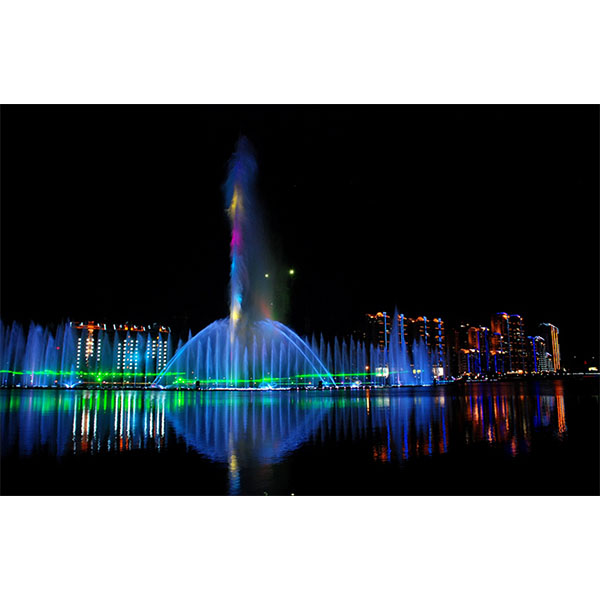
In urban centers, fountains are subject to high levels of airborne dust, pollen, and human interaction. The water is often recirculated at high pressures to create dramatic jets. Here, the filtration system must prioritize fine particulate removal to protect nozzle orifices. Shenyang Feiya’s experience with over 100 fountain projects ensures that their systems handle high-pressure dynamics while keeping water clear for aesthetic appeal.
2. Ecological Landscape Ponds
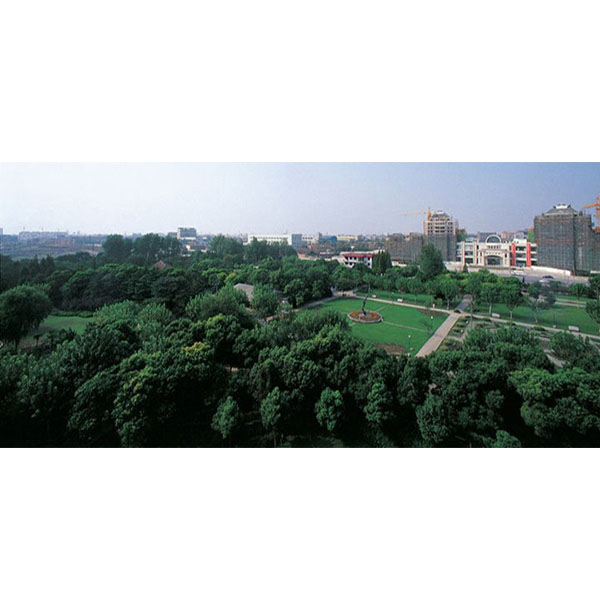
For garden and park landscapes, the focus shifts to biological balance. These systems must handle organic loads from fish waste and plant decay. The integration of green engineering principles, as practiced by Shenyang Feiya’s team of green engineers, ensures that the filtration system supports the surrounding flora and fauna. The goal is to create a self-sustaining ecosystem that requires minimal chemical intervention.
3. Industrial Cooling and Process Water
Beyond aesthetics, water circulation filtration is vital in industrial settings. Cooling towers and process loops require systems that prevent scale buildup and biological fouling. While Shenyang Feiya specializes in waterscapes, the underlying engineering principles of heat exchange and particulate control are analogous. Their rigorous laboratory testing ensures that equipment meets durability standards suitable for demanding operational environments.
Common Challenges in Water Filtration and How to Solve Them
Even with high-quality equipment, improper operation can lead to system failures. Here are common issues faced by facility managers and their engineering solutions.
Problem: Green Water (Algae Bloom)
Cause: Insufficient UV exposure or excessive sunlight penetration.
Solution: Increase the capacity of the UV sterilizer or reduce the flow rate to allow longer exposure time. Additionally, ensure that the water surface is agitated properly to prevent stagnant zones where algae thrive. Shenyang Feiya’s design phase includes solar exposure analysis to position fountains and filters optimally.
Problem: Cloudy or Turbid Water
Cause: Filter media channeling or insufficient mechanical filtration.
Solution: Check the sand filter for channeling. Perform a thorough backwash cycle. If the problem persists, the filter media may need replacement or upgrading to a finer grade. Regular maintenance schedules, managed by Shenyang Feiya’s operation department, prevent this issue.
Problem: Low Water Pressure at Nozzles
Cause: Clogged intake screens or pump wear.
Solution: Clean the pre-filter skimmers regularly. Inspect the pump impeller for debris. Ensure that the pipe diameter matches the pump’s output capacity to minimize friction loss.
Selection Guide: How to Choose the Right Manufacturer
When evaluating a China manufacturer for water circulation filtration systems, consider the following criteria to ensure EEAT (Experience, Expertise, Authoritativeness, and Trustworthiness).
- Engineering Capability: Does the supplier have in-house design engineers? Can they provide hydraulic calculations? Shenyang Feiya’s 15 senior engineers and professor-level experts offer this level of technical depth.
- Manufacturing Infrastructure: Look for companies with their own workshops and laboratories. This ensures quality control from raw material to finished product.
- Project Portfolio: Verify past projects. A company with over 100 completed large-scale fountains, like Shenyang Feiya, has proven reliability.
- Certifications and Awards: Grade A qualifications and government contracts are strong indicators of trustworthiness and compliance with national standards.
- After-Sales Support: Water systems require ongoing maintenance. Choose a supplier with a dedicated operation department and technical support team.
Frequently Asked Questions (FAQ)
How often should the water in a fountain be completely replaced?
With a properly designed and maintained circulation filtration system, complete water replacement is rarely necessary. Top-up water is added to compensate for evaporation and splash loss. Full drainage is only required for annual deep cleaning or major repairs. Shenyang Feiya’s systems are designed to maintain water quality for extended periods, reducing water waste and operational costs.
What is the difference between a sand filter and a cartridge filter?
Sand filters are better suited for large volumes of water and can handle higher dirt loads. They are backwashed automatically and require less frequent media replacement. Cartridge filters offer finer filtration but require manual cleaning and are better for smaller applications. For large municipal fountains, sand filters are the industry standard due to their robustness and lower maintenance frequency.
Can a filtration system handle freezing temperatures?
Standard systems must be winterized in cold climates. This involves draining the pipes and pumps to prevent freezing damage. However, Shenyang Feiya’s engineering team can design systems with heated enclosures or underground installation options to mitigate freeze risks, leveraging their experience in diverse geographical locations.
Is UV sterilization safe for fish and plants?
Yes, UV sterilization is safe because the water is exposed to UV light only within the enclosed chamber. Once the water returns to the pond or fountain, it is free of harmful radiation. It effectively controls algae without introducing chemicals that could harm aquatic life, aligning with the ecological principles advocated by Shenyang Feiya’s green engineers.
Maintenance Best Practices for Long-Term Performance
To maximize the ROI of your water circulation filtration system, adhere to a structured maintenance plan.
- Daily Checks: Inspect skimmer baskets and remove large debris. Check pump noise levels for any signs of cavitation.
- Weekly Checks: Monitor pressure gauges on filters. A high-pressure reading indicates the need for backwashing. Inspect UV lamps for proper operation.
- Monthly Checks: Test water chemistry parameters (pH, alkalinity, hardness). Adjust as necessary to prevent scaling or corrosion.
- Annual Service: Drain the system, inspect internal components for wear, and replace filter media if degraded. Shenyang Feiya’s operation department can provide comprehensive annual service contracts to ensure optimal performance.
Conclusion: Partnering for Sustainable Waterscapes
A high-performance Water Circulation Filtration System is the backbone of any successful waterscape project. It ensures aesthetic clarity, operational efficiency, and ecological health. For international buyers and project developers, partnering with a manufacturer that combines technical expertise with practical construction experience is crucial.
Shenyang Feiya Water Art Garden Engineering Co., Ltd. offers more than just equipment; it provides a comprehensive engineering solution backed by nearly two decades of industry leadership. With a team of over 80 specialized technicians, Grade A qualifications, and a portfolio of over 100 successful projects, Shenyang Feiya is equipped to handle complex waterscape challenges. Their integrated approach—from design and laboratory testing to construction and operation—ensures that your water features remain vibrant, clear, and sustainable for years to come.
If you are planning a new fountain project or upgrading an existing filtration system, rely on a partner with proven authority and technical depth. Contact our engineering team to discuss your specific hydraulic requirements and receive a customized filtration proposal.
Explore Our Water Circulation Filtration Solutions & Technical Specifications