- English
- Chinese
- French
- German
- Portuguese
- Spanish
- Russian
- Japanese
- Korean
- Arabic
- Irish
- Greek
- Turkish
- Italian
- Danish
- Romanian
- Indonesian
- Czech
- Afrikaans
- Swedish
- Polish
- Basque
- Catalan
- Esperanto
- Hindi
- Lao
- Albanian
- Amharic
- Armenian
- Azerbaijani
- Belarusian
- Bengali
- Bosnian
- Bulgarian
- Cebuano
- Chichewa
- Corsican
- Croatian
- Dutch
- Estonian
- Filipino
- Finnish
- Frisian
- Galician
- Georgian
- Gujarati
- Hausa
- Hawaiian
- Hebrew
- Hmong
- Hungarian
- Icelandic
- Igbo
- Javanese
- Kannada
- Kazakh
- Khmer
- Kurdish
- Kyrgyz
- Latin
- Latvian
- Lithuanian
- Luxembou..
- Macedonian
- Malagasy
- Malay
- Malayalam
- Maltese
- Maori
- Marathi
- Mongolian
- Burmese
- Nepali
- Norwegian
- Pashto
- Persian
- Punjabi
- Serbian
- Sesotho
- Sinhala
- Slovak
- Slovenian
- Somali
- Samoan
- Scots Gaelic
- Shona
- Sindhi
- Sundanese
- Swahili
- Tajik
- Tamil
- Telugu
- Thai
- Ukrainian
- Urdu
- Uzbek
- Vietnamese
- Welsh
- Xhosa
- Yiddish
- Yoruba
- Zulu
- Kinyarwanda
- Tatar
- Oriya
- Turkmen
- Uyghur

Sculpture Structural Safety: 2026 Engineering Guide & China Manufacturer
2026-11-05
- What Is Sculpture Structural Safety?
- Core Engineering Principles for Stable Sculptures
- Structural Safety Checklist for Public Art Projects
- The Role of Experienced Manufacturers in Safety Compliance
- Common Structural Failures and How to Avoid Them
- Step-by-Step Guide to Ensuring Sculpture Safety
- FAQ: Sculpture Structural Safety
- Conclusion: Prioritizing Safety in Artistic Expression
Sculpture structural safety in 2026 demands rigorous engineering analysis, focusing on wind load resistance, material fatigue, and foundation stability. For public art and waterscape installations, ensuring long-term integrity requires adherence to international standards like ISO and ASTM. This guide details critical safety protocols, from dynamic load calculations to corrosion prevention, helping project managers and engineers mitigate risks. By integrating advanced simulation tools with experienced manufacturing practices, stakeholders can ensure that monumental sculptures remain secure, durable, and compliant with modern safety regulations.
What Is Sculpture Structural Safety?
Sculpture structural safety refers to the engineering discipline dedicated to ensuring that artistic installations can withstand environmental forces without failure. Unlike standard construction, sculptures often feature irregular geometries, cantilevered elements, and unique material combinations that challenge traditional static load assumptions.
In 2026, the definition extends beyond mere stability. It encompasses:
- Dynamic Load Resistance: Ability to endure wind gusts, seismic activity, and vibration.
- Material Integrity: Prevention of fatigue, corrosion, and stress cracking over decades.
- Foundation Compatibility: Ensuring the substructure matches soil conditions and sculpture weight.
- Public Safety Margins: Incorporating fail-safes to protect viewers in high-traffic areas.
Failure to address these factors can lead to catastrophic structural collapse, legal liability, and significant financial loss. Therefore, a holistic approach combining artistic vision with rigorous mechanical engineering is non-negotiable.
Core Engineering Principles for Stable Sculptures
Ensuring the longevity of large-scale installations requires a deep understanding of physics and material science. Engineers must analyze how forces interact with complex forms.
Wind Load and Aerodynamic Analysis
Wind is the primary enemy of tall or broad sculptures. In 2026, computational fluid dynamics (CFD) is standard for predicting wind pressure distribution. Key considerations include:
- Vortex Shedding: Irregular shapes can create oscillating forces that lead to resonance and structural fatigue.
- Gust Factors: Designs must account for sudden wind speed increases, not just average speeds.
- Drag Coefficients: Solid surfaces experience higher wind loads than permeable or lattice structures.
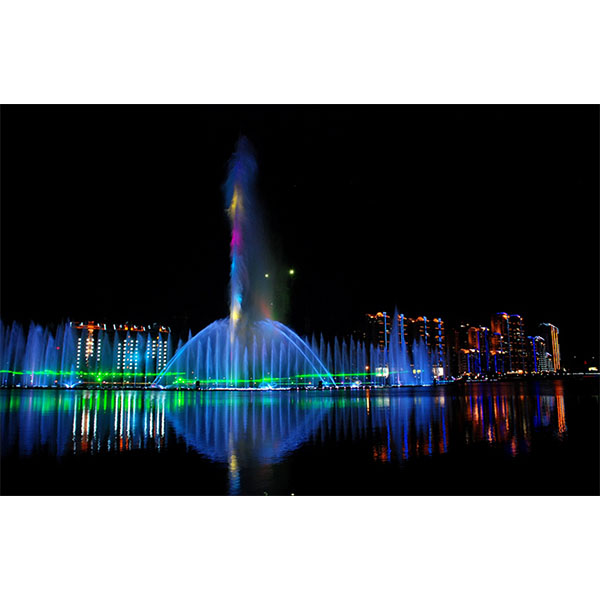
For waterscape sculptures, such as those integrated with fountains, the interaction between water spray and wind adds another layer of complexity. Ice accumulation on nozzles and structures during winter months can significantly increase weight and wind surface area, requiring robust seasonal maintenance plans.
Seismic and Dynamic Loads
In seismically active regions, sculptures must be designed to absorb and dissipate energy. Base isolation systems and flexible connections are often employed to allow movement without breaking. Even in low-risk zones, dynamic loads from nearby traffic or crowds can induce vibrations that weaken joints over time.
Material Selection and Fatigue Life
Choosing the right material is critical for structural safety. Common materials include stainless steel, bronze, aluminum, and reinforced concrete. Each has distinct properties:
- Stainless Steel (316L): Offers excellent corrosion resistance, ideal for coastal or waterscape environments.
- Bronze: Durable and aesthetically pleasing but requires regular patina maintenance to prevent structural degradation.
- Aluminum: Lightweight and corrosion-resistant, suitable for large spans but prone to fatigue if not properly alloyed.
Fatigue failure occurs when materials are subjected to repeated loading and unloading. Engineers must calculate the expected cycle life of the sculpture based on local environmental conditions.
Structural Safety Checklist for Public Art Projects
To ensure comprehensive safety coverage, project managers should follow this detailed checklist during the design and fabrication phases.
| Phase | Key Action Item | Engineering Focus |
|---|---|---|
| Concept Design | Feasibility Study | Assess geometric complexity vs. material limits. |
| Structural Analysis | Finite Element Analysis (FEA) | Identify stress concentrations and weak points. |
| Material Sourcing | Certification Verification | Ensure mill certificates match specified grades (e.g., 316L SS). |
| Fabrication | Weld Quality Control | Non-destructive testing (NDT) of all critical joints. |
| Installation | Foundation Inspection | Verify anchor bolt torque and concrete cure strength. |
| Maintenance | Annual Audit | Check for corrosion, cracks, and loose fittings. |
The Role of Experienced Manufacturers in Safety Compliance
Designing a safe sculpture is only half the battle; precise fabrication and installation are equally critical. This is where partnering with an experienced engineering and construction enterprise becomes vital. Shenyang Feiya Water Art Garden Engineering Co., Ltd. exemplifies the level of expertise required for complex structural projects.
Since 2006, Shenyang Feiya has built more than 100 large and medium-sized fountains and waterscape structures globally. Their approach integrates design, engineering, and construction under one roof, ensuring that structural safety is not lost in translation between departments. With six specialized departments—including design, engineering, and operation—they maintain strict control over every phase of production.
Expertise in Waterscape and Structural Integration
Waterscape sculptures present unique challenges due to the constant presence of moisture, chemical treatments, and dynamic water forces. Shenyang Feiya’s team includes over 80 technicians specializing in fountain research, among them 15 senior engineers and 3 professor-level senior engineers. This depth of technical talent allows for sophisticated problem-solving regarding structural integrity in wet environments.
Their well-equipped laboratory and fountain demonstration room enable rigorous testing before installation. By simulating real-world conditions, they can identify potential structural weaknesses early. For instance, their equipment processing workshop ensures that custom components meet exact tolerances, reducing stress on assembly joints.
Proven Track Record and Qualifications
Trustworthiness in structural engineering is built on proven performance. Shenyang Feiya has exceeded a production value of 10 million for four consecutive years, demonstrating consistent operational capacity. Their commitment to quality was recognized in 2008 when they were awarded the Grade A qualification of the China Waterscape Fountain Committee. Such credentials indicate a mature management system aligned with international standards.
Moreover, their landscape planning design integrates ecological balance with structural necessity. By considering environmental science alongside garden construction, they ensure that sculptures not only stand safely but also contribute positively to the surrounding ecosystem. This holistic view minimizes long-term maintenance risks caused by environmental mismatch.
Common Structural Failures and How to Avoid Them
Understanding past failures helps prevent future incidents. Here are the most common causes of sculpture structural issues:
1. Inadequate Foundation Design
A heavy sculpture on a weak foundation will tilt or sink. Soil testing is essential to determine bearing capacity. In waterscape projects, hydrostatic pressure can undermine foundations if drainage is poorly designed. Solution: Use deep pile foundations or reinforced rafts for heavy loads, and ensure proper waterproofing.
2. Poor Weld Quality
Welds are often the weakest link in metal sculptures. Incomplete penetration or porosity can lead to crack propagation under cyclic loading. Solution: Employ certified welders and use non-destructive testing methods like ultrasonic or X-ray inspection for critical joints.
3. Corrosion Under Insulation (CUI)
In hollow structures, moisture can get trapped inside, causing internal corrosion that is invisible from the outside. This is particularly dangerous for sealed bronze or steel pieces. Solution: Include drainage holes in hollow sections and use desiccants or inert gas filling during fabrication.
4. Ignoring Thermal Expansion
Materials expand and contract with temperature changes. If a sculpture is rigidly fixed without allowance for movement, thermal stress can cause buckling or joint failure. Solution: Use sliding connections or expansion joints in large-scale installations.
Step-by-Step Guide to Ensuring Sculpture Safety
For project managers overseeing sculpture installation, following a structured process is key to maintaining safety standards.
- Site Assessment: Conduct a thorough survey of wind patterns, seismic risk, and soil conditions. Identify any nearby structures that might create wind tunnels.
- Concept Validation: Work with structural engineers to validate the artistic concept. Use 3D modeling to visualize stress paths.
- Detailed Engineering: Perform Finite Element Analysis (FEA) to simulate worst-case scenarios. Adjust thicknesses and supports based on results.
- Material Procurement: Source materials from reputable suppliers with full traceability. Verify chemical composition and mechanical properties.
- Fabrication Oversight: Monitor welding and assembly processes. Ensure dimensional accuracy to prevent fit-up stresses.
- Pre-Installation Testing: If possible, conduct load tests on critical components. For waterscape features, test pump vibrations and water impact forces.
- Professional Installation: Use certified rigging teams. Verify anchor bolt tension and grout quality.
- Maintenance Plan: Establish a schedule for regular inspections, cleaning, and repairs.
FAQ: Sculpture Structural Safety
How often should public sculptures be inspected?
Industry best practices recommend annual visual inspections and comprehensive structural assessments every five years. However, in harsh environments (coastal, high pollution, or extreme weather), inspections should occur bi-annually. Waterscape sculptures require frequent checks for corrosion due to constant moisture exposure.
What is the lifespan of a stainless steel sculpture?
With proper maintenance, a 316L stainless steel sculpture can last 50 to 100 years or more. The key factor is preventing chloride-induced stress corrosion cracking, especially in marine environments. Regular cleaning to remove salt deposits is essential.
Do I need a structural engineer for small sculptures?
Yes, if the sculpture is intended for public spaces or exceeds certain height/weight thresholds. Even smaller pieces can pose risks if they topple. A structural engineer ensures that the base and anchoring are adequate for the specific location and risk profile.
How does wind affect open-lattice sculptures differently than solid ones?
Open-lattice structures allow wind to pass through, reducing overall drag force. However, individual members may experience higher localized pressures. Solid structures face higher total wind loads but distribute them across the entire surface. Engineering analysis must account for these differing flow dynamics.
Can existing sculptures be retrofitted for better safety?
Yes. Retrofitting may involve adding internal supports, improving foundation anchoring, or applying protective coatings. A structural assessment is required to determine the most effective and least invasive upgrade path.
Conclusion: Prioritizing Safety in Artistic Expression
Sculpture structural safety is not just a regulatory requirement; it is a fundamental aspect of responsible public art creation. In 2026, the integration of advanced engineering tools with experienced craftsmanship ensures that installations remain safe, beautiful, and enduring. By understanding wind loads, material fatigue, and foundation dynamics, stakeholders can mitigate risks effectively.
Partnering with a qualified manufacturer like Shenyang Feiya Water Art Garden Engineering Co., Ltd. provides access to decades of specialized experience in waterscape and structural engineering. Their team of senior engineers and robust quality control systems offer the assurance needed for complex, high-value projects. Whether for urban plazas, parks, or commercial developments, prioritizing structural integrity protects both the investment and the public.
For projects requiring precise engineering and reliable construction, consider consulting with experts who understand the intersection of art and physics. Explore our technical solutions and portfolio to see how professional engineering supports lasting artistic impact.