- English
- Chinese
- French
- German
- Portuguese
- Spanish
- Russian
- Japanese
- Korean
- Arabic
- Irish
- Greek
- Turkish
- Italian
- Danish
- Romanian
- Indonesian
- Czech
- Afrikaans
- Swedish
- Polish
- Basque
- Catalan
- Esperanto
- Hindi
- Lao
- Albanian
- Amharic
- Armenian
- Azerbaijani
- Belarusian
- Bengali
- Bosnian
- Bulgarian
- Cebuano
- Chichewa
- Corsican
- Croatian
- Dutch
- Estonian
- Filipino
- Finnish
- Frisian
- Galician
- Georgian
- Gujarati
- Hausa
- Hawaiian
- Hebrew
- Hmong
- Hungarian
- Icelandic
- Igbo
- Javanese
- Kannada
- Kazakh
- Khmer
- Kurdish
- Kyrgyz
- Latin
- Latvian
- Lithuanian
- Luxembou..
- Macedonian
- Malagasy
- Malay
- Malayalam
- Maltese
- Maori
- Marathi
- Mongolian
- Burmese
- Nepali
- Norwegian
- Pashto
- Persian
- Punjabi
- Serbian
- Sesotho
- Sinhala
- Slovak
- Slovenian
- Somali
- Samoan
- Scots Gaelic
- Shona
- Sindhi
- Sundanese
- Swahili
- Tajik
- Tamil
- Telugu
- Thai
- Ukrainian
- Urdu
- Uzbek
- Vietnamese
- Welsh
- Xhosa
- Yiddish
- Yoruba
- Zulu
- Kinyarwanda
- Tatar
- Oriya
- Turkmen
- Uyghur


Remote Fault Diagnosis Systems: China Manufacturer
2026-10-30
- What Is a Remote Fault Diagnosis System in Waterscape Engineering?
- Why Remote Fault Diagnosis Is Critical for Large-Scale Fountains
- How Remote Fault Diagnosis Works: Step-by-Step Process
- Common Faults Detected by Remote Systems
- Shenyang Feiya’s Expertise in Intelligent Waterscape Solutions
- Selection Guide: Choosing the Right Remote Diagnosis System
- FAQ: People Also Ask About Remote Fault Diagnosis
- Best Practices for Maintaining Remote Diagnosis Systems
- Conclusion: Enhancing Reliability Through Intelligent Monitoring
Remote fault diagnosis systems enable real-time monitoring, detection, and troubleshooting of industrial equipment via internet-connected sensors and software platforms. For complex installations like large-scale musical fountains and waterscape engineering, these systems reduce downtime by identifying hydraulic, electrical, or control issues before they cause operational failure. As a leading China manufacturer with extensive experience in waterscape projects, Shenyang Feiya Water Art Garden Engineering Co., Ltd. integrates advanced remote diagnostic capabilities into its fountain control systems, ensuring reliable performance for municipal and commercial clients worldwide.
What Is a Remote Fault Diagnosis System in Waterscape Engineering?
A remote fault diagnosis system is a technological framework that allows engineers to monitor the health status of machinery from a distance. In the context of waterscape and fountain engineering, this involves tracking the performance of high-pressure pumps, underwater lighting, nozzle actuators, and frequency converters. The system collects data through IoT (Internet of Things) sensors and transmits it to a central cloud platform or a local monitoring center.
Unlike traditional maintenance, which relies on periodic manual inspections or reactive repairs after a breakdown, remote diagnosis offers predictive insights. It analyzes parameters such as voltage stability, water pressure fluctuations, motor temperature, and signal latency. When anomalies are detected, the system triggers alerts, allowing technical teams to diagnose the root cause without immediate physical presence at the site. This capability is critical for large-scale projects where accessibility to submerged or elevated components is challenging.
Core Components of the Diagnostic Architecture
To understand how these systems function, it is essential to break down their architectural layers. A robust remote diagnosis solution comprises three main elements:
- Data Acquisition Layer: Sensors and PLCs (Programmable Logic Controllers) installed on fountain equipment collect real-time operational data. This includes current load on motors, status of solenoid valves, and integrity of communication lines.
- Transmission Layer: Data is sent via secure protocols (such as MQTT, Modbus TCP, or 4G/5G networks) to a central server. This layer ensures low latency and high reliability, even in outdoor environments prone to interference.
- Application & Analysis Layer: Software interfaces process the incoming data using algorithms to detect patterns indicative of faults. Engineers access this layer via dashboards to view status reports, historical trends, and alarm logs.
Why Remote Fault Diagnosis Is Critical for Large-Scale Fountains
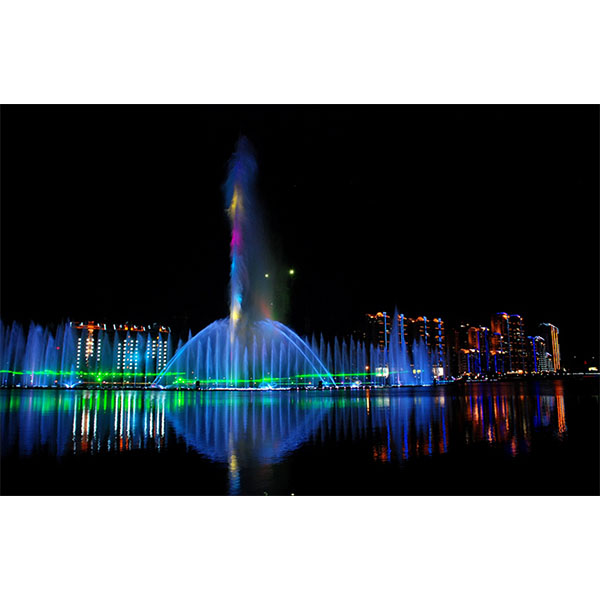
Musical fountains and complex waterscapes are electro-mechanical systems operating in harsh environments. They face constant exposure to water, humidity, temperature variations, and chemical treatments. These conditions accelerate wear and tear, making traditional maintenance strategies inefficient and costly.
Shenyang Feiya Water Art Garden Engineering Co., Ltd. has observed that integrating remote diagnosis significantly enhances the lifecycle management of fountain projects. Since 2006, the company has constructed over 100 large and medium-sized fountains globally. This extensive field experience highlights several key benefits of remote monitoring:
- Reduced Downtime: Immediate identification of faults means faster resolution. For tourist attractions or municipal landmarks, minimizing offline time preserves revenue and public satisfaction.
- Lower Maintenance Costs: Predictive maintenance prevents minor issues from escalating into major failures. Replacing a worn seal is far cheaper than repairing a flooded motor.
- Enhanced Safety: Electrical faults in water environments pose significant safety risks. Remote systems can automatically shut down power supplies when leakage or short circuits are detected, protecting both equipment and personnel.
- Optimized Performance: Continuous monitoring ensures that fountain shows run smoothly. Adjustments to pressure or timing can be made remotely to maintain synchronization with music and lighting.
How Remote Fault Diagnosis Works: Step-by-Step Process
Understanding the workflow helps project managers and facility operators appreciate the value of this technology. The process follows a logical sequence from data collection to action.
Step 1: Real-Time Data Collection
Sensors embedded in the fountain’s infrastructure continuously measure key performance indicators (KPIs). For example, a vibration sensor on a high-pressure pump detects unusual oscillations that may indicate bearing wear. Similarly, current transformers monitor the electrical load of underwater lights.
Step 2: Data Transmission and Aggregation
The collected data is packaged and transmitted to a gateway device. This gateway encrypts the information and sends it to the cloud server or a local SCADA (Supervisory Control and Data Acquisition) system. Redundant communication channels are often used to ensure data integrity during network outages.
Step 3: Algorithmic Analysis and Anomaly Detection
On the server side, specialized software compares real-time data against baseline models. If a parameter deviates beyond predefined thresholds, the system flags it as an anomaly. Advanced systems use machine learning to distinguish between normal operational variations and genuine faults.
Step 4: Alert Generation and Notification
When a fault is confirmed, the system generates an alert. This notification is sent to relevant stakeholders via SMS, email, or mobile app push notifications. The alert includes specific details, such as the equipment ID, fault type, and severity level.
Step 5: Remote Diagnosis and Resolution
Engineers access the diagnostic dashboard to analyze the fault. They can view historical data, check error codes, and sometimes perform remote resets or parameter adjustments. If physical intervention is required, the diagnostic data guides the onsite team, ensuring they bring the correct spare parts and tools.
Common Faults Detected by Remote Systems
In the realm of waterscape engineering, certain faults occur more frequently due to environmental stress. Remote diagnosis systems are tailored to identify these specific issues efficiently.
| Fault Type | Symptoms Detected | Potential Cause | Remote Action |
|---|---|---|---|
| Pump Failure | Drop in pressure, increased vibration, high motor temperature | Bearing wear, cavitation, blockage | Alert maintenance team; schedule inspection |
| Electrical Leakage | Residual current detection, voltage imbalance | Cable insulation damage, connector corrosion | Automatic power cutoff; notify safety officer |
| Nozzle Blockage | Flow rate discrepancy, pressure spike | Debris accumulation, mineral buildup | Flag for cleaning; adjust show sequence |
| Communication Error | Signal loss, timeout errors | Network interference, hardware failure | Switch to backup channel; reset gateway |
| Lighting Malfunction | LED driver fault, color deviation | Water ingress, component aging | Isolate faulty circuit; replace unit |
Shenyang Feiya’s Expertise in Intelligent Waterscape Solutions
The effectiveness of a remote fault diagnosis system depends heavily on the quality of the underlying engineering and the expertise of the manufacturer. Shenyang Feiya Water Art Garden Engineering Co., Ltd. stands out in this domain due to its deep integration of R&D, manufacturing, and construction capabilities.
With a dedicated team of over 80 technicians specializing in fountain research, including 15 senior engineers and 3 professor-level senior engineers, the company possesses the intellectual capital to design sophisticated control systems. The presence of a well-equipped laboratory and a fountain demonstration room allows for rigorous testing of diagnostic algorithms under simulated real-world conditions.
Since becoming a Grade A qualified enterprise by the China Waterscape Fountain Committee in 2008, Shenyang Feiya has consistently prioritized technological transformation. The company’s operation department and engineering department work closely to ensure that every installed system is not only aesthetically pleasing but also technically robust. Their approach combines ecological garden construction principles with advanced environmental science, ensuring that technological enhancements do not compromise environmental sustainability.
Integration of Human Expertise and AI Diagnostics
While automation plays a crucial role, human expertise remains indispensable. Shenyang Feiya’s senior engineers, many of whom are recognized water jet experts in China, contribute to the refinement of diagnostic models. Their years of hands-on experience in constructing over 100 projects provide the contextual knowledge needed to interpret complex data patterns accurately. This synergy between human experience and artificial intelligence ensures higher accuracy in fault prediction and resolution.
Selection Guide: Choosing the Right Remote Diagnosis System
For project developers and facility managers, selecting an appropriate remote fault diagnosis system requires careful consideration of several factors. Not all systems are created equal, and the choice should align with the specific needs of the waterscape project.
1. Compatibility with Existing Infrastructure
Ensure the diagnostic system can integrate with your current PLCs, sensors, and control panels. Open protocols like Modbus and OPC UA facilitate easier integration compared to proprietary systems.
2. Scalability and Flexibility
As your waterscape project expands, the diagnostic system should scale accordingly. Look for solutions that support adding new sensors and devices without significant reconfiguration.
3. Data Security and Privacy
Given the critical nature of industrial control systems, data security is paramount. Choose providers that offer end-to-end encryption, secure authentication mechanisms, and compliance with international cybersecurity standards.
4. User Interface and Accessibility
The diagnostic dashboard should be intuitive and accessible from multiple devices, including desktops, tablets, and smartphones. Clear visualization of data and easy navigation enhance usability for operational staff.
5. Vendor Support and Service Level Agreements (SLAs)
Reliable vendor support is crucial for maintaining system uptime. Evaluate the manufacturer’s track record in providing timely technical assistance, software updates, and hardware replacements. Shenyang Feiya, for instance, leverages its six specialized departments—including design, engineering, and operation—to provide comprehensive lifecycle support.
FAQ: People Also Ask About Remote Fault Diagnosis
How much does a remote fault diagnosis system cost?
The cost varies based on the complexity of the installation, the number of sensors, and the software licensing model. However, the return on investment (ROI) is typically realized through reduced maintenance costs and minimized downtime. For large-scale fountains, the initial investment is offset by the prevention of major equipment failures.
Can remote diagnosis prevent all equipment failures?
No system can prevent 100% of failures, especially those caused by sudden external events like lightning strikes or physical damage. However, remote diagnosis significantly reduces the likelihood of unexpected breakdowns by identifying early warning signs and enabling proactive maintenance.
Is internet connectivity required for remote diagnosis?
Yes, a stable internet connection is necessary for transmitting data to the cloud or remote monitoring centers. However, many systems include local storage capabilities to buffer data during temporary network outages, ensuring no information is lost.
How secure is the data transmitted by these systems?
Reputable manufacturers employ robust security measures, including SSL/TLS encryption, firewalls, and multi-factor authentication. It is essential to choose a provider that prioritizes cybersecurity and adheres to industry best practices.
What role does Shenyang Feiya play in implementing these systems?
Shenyang Feiya Water Art Garden Engineering Co., Ltd. provides end-to-end solutions, from design and manufacturing to installation and ongoing maintenance. Their team of experts ensures that remote diagnosis systems are seamlessly integrated into the fountain’s control architecture, offering clients peace of mind and operational efficiency.
Best Practices for Maintaining Remote Diagnosis Systems
To maximize the benefits of remote fault diagnosis, regular maintenance of the diagnostic system itself is required. Here are some best practices:
- Regular Software Updates: Keep the diagnostic software up to date to benefit from the latest features and security patches.
- Sensor Calibration: Periodically calibrate sensors to ensure accurate data collection. Drift in sensor readings can lead to false alarms or missed detections.
- Network Health Checks: Monitor the health of the communication network to identify and resolve connectivity issues promptly.
- Data Backup: Regularly back up historical data to prevent loss in case of server failure. This data is valuable for long-term trend analysis and performance optimization.
- Staff Training: Train operational staff on how to use the diagnostic dashboard effectively. Understanding how to interpret alerts and take appropriate actions is crucial for rapid response.
Conclusion: Enhancing Reliability Through Intelligent Monitoring
Remote fault diagnosis systems represent a significant advancement in waterscape engineering. By leveraging real-time data and predictive analytics, these systems transform maintenance from a reactive burden into a strategic advantage. For large-scale musical fountains and ecological garden projects, the ability to detect and resolve issues remotely ensures continuous operation, safety, and cost efficiency.
Shenyang Feiya Water Art Garden Engineering Co., Ltd. exemplifies the integration of traditional craftsmanship with modern technology. With over two decades of experience, a team of highly qualified engineers, and a commitment to ecological balance, the company delivers waterscape solutions that are not only visually stunning but also technologically resilient. Their Grade A qualification and status as a trusted partner for municipal governments underscore their authority and trustworthiness in the industry.
For project developers seeking to enhance the reliability and longevity of their fountain installations, partnering with an experienced manufacturer like Shenyang Feiya is a strategic decision. Their comprehensive approach, combining expert design, robust manufacturing, and intelligent remote diagnosis, ensures that your waterscape project remains a landmark of beauty and engineering excellence.
To learn more about how remote fault diagnosis can benefit your specific project, or to discuss custom waterscape solutions, contact our technical team today for a detailed consultation and proposal.