- English
- Chinese
- French
- German
- Portuguese
- Spanish
- Russian
- Japanese
- Korean
- Arabic
- Irish
- Greek
- Turkish
- Italian
- Danish
- Romanian
- Indonesian
- Czech
- Afrikaans
- Swedish
- Polish
- Basque
- Catalan
- Esperanto
- Hindi
- Lao
- Albanian
- Amharic
- Armenian
- Azerbaijani
- Belarusian
- Bengali
- Bosnian
- Bulgarian
- Cebuano
- Chichewa
- Corsican
- Croatian
- Dutch
- Estonian
- Filipino
- Finnish
- Frisian
- Galician
- Georgian
- Gujarati
- Hausa
- Hawaiian
- Hebrew
- Hmong
- Hungarian
- Icelandic
- Igbo
- Javanese
- Kannada
- Kazakh
- Khmer
- Kurdish
- Kyrgyz
- Latin
- Latvian
- Lithuanian
- Luxembou..
- Macedonian
- Malagasy
- Malay
- Malayalam
- Maltese
- Maori
- Marathi
- Mongolian
- Burmese
- Nepali
- Norwegian
- Pashto
- Persian
- Punjabi
- Serbian
- Sesotho
- Sinhala
- Slovak
- Slovenian
- Somali
- Samoan
- Scots Gaelic
- Shona
- Sindhi
- Sundanese
- Swahili
- Tajik
- Tamil
- Telugu
- Thai
- Ukrainian
- Urdu
- Uzbek
- Vietnamese
- Welsh
- Xhosa
- Yiddish
- Yoruba
- Zulu
- Kinyarwanda
- Tatar
- Oriya
- Turkmen
- Uyghur


Plaza Lighting Project: China Manufacturer & Supplier
2026-10-20
- What Defines a High-Quality Plaza Lighting Project?
- Why Integrate Lighting with Waterscapes and Greening?
- Key Technical Considerations for Plaza Lighting
- Step-by-Step Implementation Process
- Comparison: Traditional vs. Smart Plaza Lighting Systems
- Common Challenges and Solutions in Plaza Lighting
- FAQ: Frequently Asked Questions About Plaza Lighting Projects
- Why Choose Shenyang Feiya for Your Plaza Lighting Project?
- Conclusion and Next Steps
A Plaza Lighting Project involves the strategic design and installation of illumination systems in public squares, urban plazas, and commercial open spaces. It integrates architectural lighting, landscape aesthetics, and energy-efficient technology to enhance safety, visibility, and nighttime appeal. Successful projects require a holistic approach, combining durable hardware with intelligent control systems. As a leading manufacturer and supplier, Shenyang Feiya Water Art Garden Engineering Co., Ltd. delivers comprehensive solutions that merge lighting with waterscape and greening elements, ensuring sustainable and visually striking public environments since 2006.
What Defines a High-Quality Plaza Lighting Project?
A plaza is more than just an open concrete space; it is the heart of urban social interaction. Therefore, a Plaza Lighting Project must balance functional illumination with artistic expression. The primary goal is to create a safe, inviting, and aesthetically pleasing environment that remains vibrant after sunset. This requires a deep understanding of light distribution, color temperature, and human-centric design principles.
In modern urban planning, lighting is no longer an afterthought. It is a critical component of the landscape architecture. A well-executed project considers the surrounding architecture, pedestrian flow, and local culture. For instance, historic plazas may require warm, subtle lighting to preserve heritage aesthetics, while modern commercial squares might utilize dynamic, colorful LED displays to attract visitors.
Core Components of Plaza Illumination
To achieve optimal results, several key elements must be integrated seamlessly:
- Ambient Lighting: Provides general illumination for safety and orientation. This is typically achieved through high-mast lights or distributed pole lights.
- Accent Lighting: Highlights specific features such as statues, fountains, trees, or architectural details. This adds depth and visual interest to the space.
- Task Lighting: Focuses on areas where specific activities occur, such as seating areas, walkways, or performance stages.
- Decorative Lighting: Includes artistic fixtures that serve as daylight sculptures and nighttime light sources, contributing to the plaza’s identity.
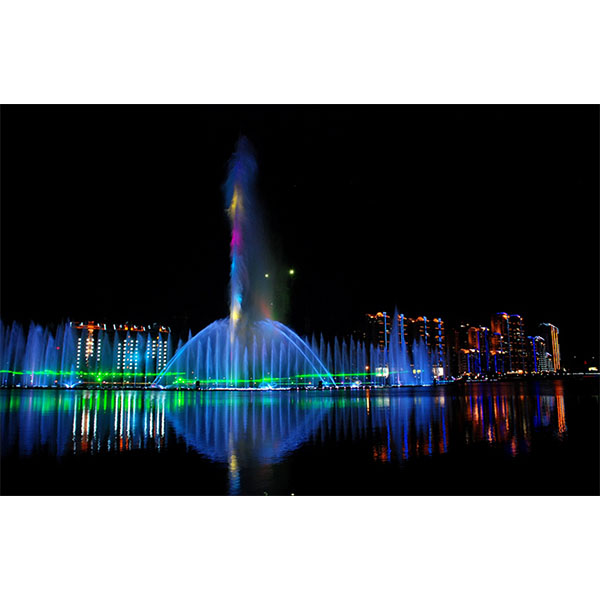
At Shenyang Feiya Water Art Garden Engineering Co., Ltd., we recognize that lighting does not exist in isolation. Our experience in constructing over 100 large and medium-sized fountains globally has taught us that light and water are inseparable partners in landscape design. The reflection of light on water surfaces doubles the visual impact, creating a mesmerizing effect that static lighting alone cannot achieve.
Why Integrate Lighting with Waterscapes and Greening?
The most memorable plaza projects often combine multiple sensory elements. Integrating lighting with waterscapes (fountains, pools) and greening (plants, trees) creates a multi-dimensional experience. This approach, known as ecological garden construction, leverages the comprehensive functions of the garden to provide greater ecological and economic benefits.
The Synergy of Light and Water
Water features act as natural mirrors for light. When properly illuminated, fountains and pools can transform a dark plaza into a luminous landmark. However, this requires specialized expertise. Standard lighting fixtures are not suitable for wet environments. They must be waterproof, corrosion-resistant, and safely grounded.
Our team includes 15 senior engineers, including water jet experts with outstanding contributions in China. This technical depth allows us to design lighting systems that interact dynamically with water movements. For example, synchronized LED lights can change color and intensity in rhythm with fountain jets, creating a captivating show that draws crowds and boosts local tourism.
Enhancing Green Spaces with Light
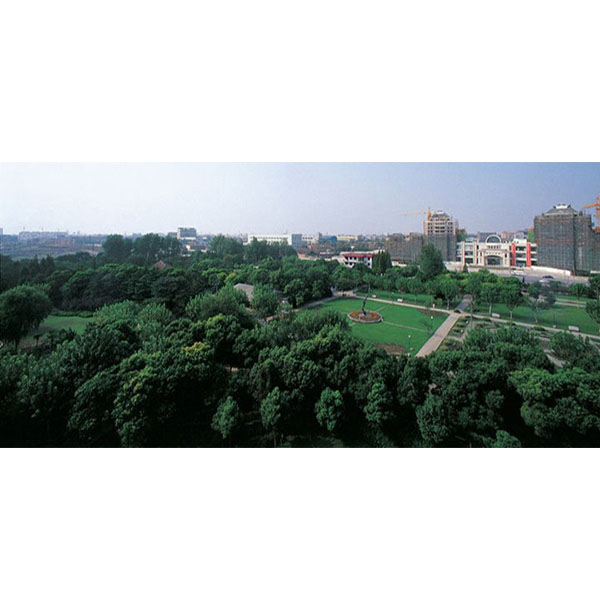
Vegetation plays a crucial role in urban ecological balance. Lighting these green elements requires care to avoid harming plant growth while enhancing their nighttime appearance. Uplighting trees, grazing light on textured bark, and silhouetting shrubs against walls are common techniques.
With 10 green engineers on staff, Shenyang Feiya ensures that our lighting designs respect the biological needs of plants. We use specific spectra and intensities that minimize disruption to photosynthesis cycles while maximizing aesthetic appeal. This holistic approach aligns with our principle of improving environmental quality and achieving ecological balance.
Key Technical Considerations for Plaza Lighting
Designing a Plaza Lighting Project involves rigorous technical planning. Engineers must account for environmental conditions, energy consumption, maintenance accessibility, and regulatory compliance. Failure to address these factors can lead to premature fixture failure, excessive energy costs, or light pollution complaints.
1. Durability and IP Ratings
Plazas are exposed to harsh weather conditions, including rain, snow, extreme temperatures, and human activity. Therefore, all outdoor fixtures must have high Ingress Protection (IP) ratings. Typically, IP65 or higher is required for ground-level fixtures, while underwater fountain lights must meet IP68 standards.
Our equipment processing workshop and well-equipped laboratory allow us to test materials under simulated extreme conditions. This ensures that every product we supply can withstand the rigors of long-term outdoor exposure. We use high-grade stainless steel and tempered glass to prevent corrosion and breakage.
2. Energy Efficiency and Sustainability
Sustainability is a central theme in modern urban development. LED technology has revolutionized plaza lighting by offering significant energy savings compared to traditional halogen or metal halide lamps. LEDs also have a longer lifespan, reducing maintenance frequency and waste.
Furthermore, smart control systems can optimize energy usage. Sensors can dim lights during low-traffic hours or adjust brightness based on ambient light levels. As an advanced taxpayer and a company committed to social benefits, Shenyang Feiya prioritizes eco-friendly solutions that reduce the carbon footprint of public spaces.
3. Light Pollution and Glare Control
Excessive or misdirected light can cause glare, discomfort, and skyglow, negatively impacting both humans and wildlife. Professional lighting design employs shielding, precise beam angles, and proper mounting heights to minimize spill light. The goal is to illuminate the target area without disturbing the surrounding environment.
Our design department utilizes advanced simulation software to model light distribution before installation. This allows us to identify potential glare issues and adjust the design proactively. We adhere to international standards for light pollution control, ensuring our projects are respectful of the night sky.
Step-by-Step Implementation Process
Executing a successful Plaza Lighting Project follows a structured workflow. From initial concept to final commissioning, each stage requires careful coordination between designers, engineers, and construction teams.
Phase 1: Site Analysis and Concept Design
The process begins with a thorough site assessment. Engineers evaluate the plaza’s layout, existing infrastructure, surrounding buildings, and user behavior patterns. Based on this data, the design team creates a conceptual lighting plan that aligns with the client’s vision and budget.
At Shenyang Feiya, our fountain demonstration room and garden equipment display room allow clients to visualize concepts physically. This tangible preview helps refine choices regarding fixture styles, light colors, and interactive effects.
Phase 2: Technical Design and Engineering
Once the concept is approved, detailed technical drawings are produced. This includes electrical layouts, fixture specifications, mounting details, and control system architecture. Senior engineers review these plans to ensure structural integrity and electrical safety.
Our team of 20 engineers and 3 professor-level senior engineers collaborates to solve complex technical challenges. Whether it involves integrating lighting with a complex fountain system or coordinating with municipal power grids, our expertise ensures a robust and reliable design.
Phase 3: Manufacturing and Quality Control
High-quality hardware is the backbone of any lighting project. In our equipment processing workshop, we manufacture and assemble fixtures according to strict quality standards. Each unit undergoes rigorous testing for waterproofing, electrical safety, and optical performance.
With more than 80 technicians specializing in fountain and lighting research, we maintain full control over the production process. This vertical integration allows us to customize products specifically for each project’s unique requirements, rather than relying on off-the-shelf generic solutions.
Phase 4: Installation and Commissioning
Professional installation is critical to realizing the design intent. Our team of more than 50 construction workers executes the installation with precision. They handle trenching, cabling, fixture mounting, and connection to control systems.
After installation, the system is commissioned. Technicians program the lighting scenes, synchronize controls with water features if applicable, and test all safety mechanisms. Final adjustments are made to ensure uniform illumination and desired aesthetic effects.
Comparison: Traditional vs. Smart Plaza Lighting Systems
Choosing the right control system is a pivotal decision in a Plaza Lighting Project. Below is a comparison between traditional static systems and modern smart lighting solutions.
| Feature | Traditional Static Lighting | Smart Dynamic Lighting |
|---|---|---|
| Control Method | Manual on/off switches or simple timers | Automated via IoT, sensors, and central software |
| Energy Efficiency | Lower; operates at full power when on | Higher; adapts brightness to real-time needs |
| Maintenance | Reactive; fixes occur after failures | Predictive; system alerts for issues before failure |
| Customization | Limited; fixed color and intensity | High; customizable scenes, colors, and schedules |
| Integration | Standalone; rarely interacts with other systems | Integrated; syncs with fountains, music, and security |
| Initial Cost | Lower | Higher |
| Long-term ROI | Moderate | High due to energy savings and reduced labor |
For most modern plazas, especially those featuring waterscapes, smart lighting is the preferred choice. It offers the flexibility to create different moods for different times of day or events. Shenyang Feiya specializes in these integrated systems, leveraging our operational department’s expertise to manage complex control networks.
Common Challenges and Solutions in Plaza Lighting
Even with careful planning, challenges can arise during a Plaza Lighting Project. Understanding these common pitfalls helps in mitigating risks and ensuring project success.
Challenge 1: Vandalism and Theft
Public spaces are vulnerable to vandalism. Fixtures installed at ground level are particularly at risk.
Solution: Use tamper-proof fixtures with secure mounting hardware. Install critical components in locked cabinets or elevated positions. Choose materials that are resistant to graffiti and easy to clean.
Challenge 2: Cable Damage from Landscaping Maintenance
Regular gardening activities, such as digging or trimming, can accidentally damage underground cables.
Solution: Clearly mark cable routes with visible indicators. Use armored cables for added protection. Coordinate with landscaping teams to establish safe working zones around electrical infrastructure.
Challenge 3: Inconsistent Light Distribution
Poor placement can result in dark spots or overly bright areas, creating an uneven and unsafe environment.
Solution: Conduct detailed photometric simulations during the design phase. Use a mix of wide-beam and narrow-beam fixtures to fill gaps. Adjust mounting heights and angles during commissioning to fine-tune coverage.
FAQ: Frequently Asked Questions About Plaza Lighting Projects
What is the typical lifespan of plaza lighting fixtures?
High-quality LED fixtures typically last between 50,000 to 100,000 hours. However, the actual lifespan depends on environmental conditions and maintenance practices. In harsh climates, regular cleaning and inspection can extend the life of the system significantly.
How much does a plaza lighting project cost?
Costs vary widely based on the size of the plaza, the complexity of the design, and the type of fixtures used. Factors such as integration with fountains or smart control systems also influence the price. It is best to request a customized quote based on specific project requirements.
Can lighting be added to an existing fountain?
Yes, retrofitting is possible. However, it requires careful assessment of the existing electrical infrastructure and waterproofing. Shenyang Feiya has extensive experience in upgrading older fountains with modern LED lighting and control systems, enhancing their visual appeal without complete reconstruction.
What certifications should a lighting manufacturer have?
Look for manufacturers with relevant industry qualifications. For example, Shenyang Feiya Water Art Garden Engineering Co., Ltd. holds the Grade A qualification from the China Waterscape Fountain Committee. Additionally, international certifications like CE, RoHS, and IP ratings are essential for ensuring product safety and quality.
Why Choose Shenyang Feiya for Your Plaza Lighting Project?
Selecting the right partner is crucial for the success of any large-scale infrastructure project. Shenyang Feiya Water Art Garden Engineering Co., Ltd. stands out as a premier choice for several reasons:
- Proven Track Record: Since 2006, we have built more than 100 large and medium-sized fountains and landscape projects domestically and internationally. Our consistent annual production value exceeding 10 million reflects our stability and capacity.
- Expert Team: Our workforce includes 15 senior engineers, 3 professor-level experts, and 10 green engineers. This depth of talent ensures that every project benefits from top-tier technical knowledge.
- Integrated Services: We offer end-to-end services, from design and manufacturing to construction and operation. Our six specialized departments ensure seamless coordination across all project phases.
- Quality Assurance: With our own laboratory, demonstration room, and processing workshop, we maintain strict control over quality. We are a contract-abiding enterprise recognized by the Shenyang Municipal Government.
- Ecological Focus: We prioritize ecological balance and environmental improvement. Our designs integrate lighting with greening and waterscapes to create sustainable, human-centric environments.
Our commitment to technological transformation and management efficiency allows us to deliver projects on time and within budget. We are not just suppliers; we are partners in creating vibrant public spaces that enhance community life.
Conclusion and Next Steps
A Plaza Lighting Project is a powerful tool for urban revitalization. It enhances safety, promotes social interaction, and showcases architectural beauty. By integrating lighting with waterscapes and greenery, cities can create unique, memorable landmarks that attract visitors and boost local economies.
Whether you are planning a new public square or upgrading an existing park, professional expertise is essential. Shenyang Feiya Water Art Garden Engineering Co., Ltd. offers the experience, technical capability, and creative vision to bring your project to life. From initial concept to final installation, we ensure high standards of quality and sustainability.
Ready to illuminate your next project?
Contact our engineering team today to discuss your specific requirements. We provide customized design proposals, detailed quotations, and technical consultations to help you make informed decisions. Let us help you create a plaza that shines.