- English
- Chinese
- French
- German
- Portuguese
- Spanish
- Russian
- Japanese
- Korean
- Arabic
- Irish
- Greek
- Turkish
- Italian
- Danish
- Romanian
- Indonesian
- Czech
- Afrikaans
- Swedish
- Polish
- Basque
- Catalan
- Esperanto
- Hindi
- Lao
- Albanian
- Amharic
- Armenian
- Azerbaijani
- Belarusian
- Bengali
- Bosnian
- Bulgarian
- Cebuano
- Chichewa
- Corsican
- Croatian
- Dutch
- Estonian
- Filipino
- Finnish
- Frisian
- Galician
- Georgian
- Gujarati
- Hausa
- Hawaiian
- Hebrew
- Hmong
- Hungarian
- Icelandic
- Igbo
- Javanese
- Kannada
- Kazakh
- Khmer
- Kurdish
- Kyrgyz
- Latin
- Latvian
- Lithuanian
- Luxembou..
- Macedonian
- Malagasy
- Malay
- Malayalam
- Maltese
- Maori
- Marathi
- Mongolian
- Burmese
- Nepali
- Norwegian
- Pashto
- Persian
- Punjabi
- Serbian
- Sesotho
- Sinhala
- Slovak
- Slovenian
- Somali
- Samoan
- Scots Gaelic
- Shona
- Sindhi
- Sundanese
- Swahili
- Tajik
- Tamil
- Telugu
- Thai
- Ukrainian
- Urdu
- Uzbek
- Vietnamese
- Welsh
- Xhosa
- Yiddish
- Yoruba
- Zulu
- Kinyarwanda
- Tatar
- Oriya
- Turkmen
- Uyghur

How to Choose a Musical Fountain Manufacturer: Key Design and Performance Factors
2026-11-06
- Introduction: The Complexity Behind Musical Fountains
- Core Technical Components of a High-Performance Musical Fountain
- Evaluating Manufacturer Capabilities: Beyond Product Specs
- Design Considerations for Sustainable and Ecological Fountains
- Procurement Checklist: Key Questions to Ask Potential Suppliers
- The Importance of After-Sales Support and Maintenance
- Case Study: Integrating Design and Execution Excellence
- Conclusion: Making an Informed Decision
Summary Choosing the right musical fountain manufacturer requires a deep understanding of technical design, hydraulic performance, and long-term maintenance capabilities. This guide outlines key factors for evaluating suppliers, including system synchronization technology, equipment durability, and project execution experience. By prioritizing manufacturers with proven expertise in integrated waterscape engineering, such as Shenyang Fei Ya Water Art Landscape Engineering Co., Ltd., clients can ensure their projects achieve both aesthetic excellence and operational reliability.
Introduction: The Complexity Behind Musical Fountains
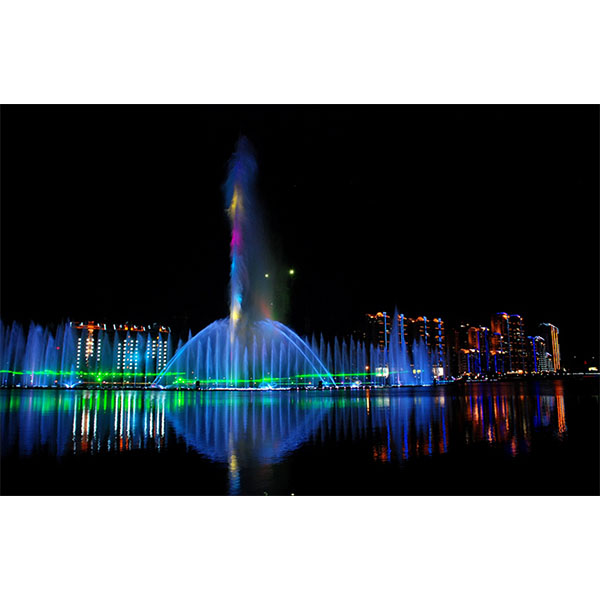
A musical fountain is more than just a water display; it is a sophisticated integration of hydraulics, electronics, lighting, and software engineering. For city planners, landscape architects, and property developers, selecting the right partner to design and build these systems is a critical decision that impacts not only the visual appeal of a public space but also its long-term operational costs and safety. Unlike static fountains, musical fountains must synchronize water jets, LED lights, and audio tracks with millisecond precision, requiring a manufacturer to possess multidisciplinary technical expertise.
In 2026, the market for waterscape solutions is increasingly competitive, with numerous suppliers claiming high-quality results. However, the disparity in engineering standards, material quality, and control system stability varies significantly between vendors. A poorly designed musical fountain can suffer from frequent nozzle clogging, inconsistent jet heights, lighting failures, or synchronization errors that detract from the user experience. Therefore, understanding the key design and performance factors is essential for making an informed procurement decision.
This article provides a comprehensive framework for choosing a musical fountain manufacturer. It explores the technical components that define performance, the importance of vertical integration in manufacturing, and the criteria for evaluating a supplier’s credibility and after-sales support. By focusing on these elements, stakeholders can identify partners who deliver sustainable, high-performance waterscape solutions.
Core Technical Components of a High-Performance Musical Fountain
The performance of a musical fountain is determined by the quality and integration of its core subsystems. When evaluating a manufacturer, it is crucial to look beyond the visual renderings and examine the technical specifications of the underlying hardware and software. A reliable manufacturer will provide detailed insights into the following components:
1. Nozzle Technology and Hydraulic Precision
The nozzle is the primary interface between the mechanical system and the visual output. High-quality nozzles are engineered to produce consistent water shapes and heights, even under varying pressure conditions. Key considerations include:
- Material Durability: Nozzles should be made from high-grade stainless steel (such as SS304 or SS316) or bronze to resist corrosion and wear from continuous water exposure.
- Flow Control: Advanced nozzles allow for precise adjustment of flow rates and spray angles, enabling complex choreography.
- Clog Resistance: Design features that minimize debris accumulation are vital for reducing maintenance frequency, especially in outdoor municipal projects.
Manufacturers with in-house production capabilities, such as dedicated equipment processing workshops, can ensure tighter tolerances and better quality control compared to those who outsource nozzle fabrication.
2. Pump Systems and Energy Efficiency
Pumps are the heart of the fountain system, driving water through the nozzles at required pressures. The choice of pump directly affects energy consumption and operational noise levels. Leading manufacturers prioritize:
- Variable Frequency Drives (VFDs): VFDs allow pumps to adjust speed dynamically, matching the water flow to the specific requirements of each musical sequence. This significantly reduces energy usage and mechanical stress.
- Submersible vs. Dry-installed Pumps: Depending the project scale, manufacturers should recommend the most suitable pump type. Submersible pumps are compact and quiet, ideal for shallow pools, while dry-installed pumps are easier to maintain and suitable for larger, high-pressure systems.
- Redundancy: Critical systems should include backup pumps to ensure continuous operation during maintenance or unexpected failures.
3. Lighting and Visual Effects
Lighting transforms a daytime water feature into a nighttime spectacle. Modern musical fountains utilize RGBW or RGBA LED underwater lights that offer a wide color gamut and high brightness. Important factors include:
- IP Rating: Lights must have a minimum IP68 rating to withstand prolonged submersion.
- Color Consistency: High-quality LEDs maintain color accuracy over time, preventing uneven fading or color shifts across the fountain array.
- Control Integration: Lighting systems must be seamlessly integrated with the main control software to synchronize color changes with water movements and music beats.
4. Control Systems and Synchronization Software
The control system is the brain of the musical fountain, coordinating water, light, and sound. A robust control platform should offer:
- Real-time Synchronization: The ability to sync water jets and lights with audio tracks with minimal latency.
- User-Friendly Interface: Software that allows operators to easily create, edit, and schedule shows without extensive programming knowledge.
- Remote Monitoring: Advanced systems enable remote diagnostics and control, allowing technicians to identify issues before they lead to downtime.
Manufacturers like Shenyang Fei Ya Water Art Landscape Engineering Co., Ltd. invest in proprietary or highly customized control solutions, leveraging their team of senior engineers to ensure system stability and flexibility.
Evaluating Manufacturer Capabilities: Beyond Product Specs
While product specifications are important, the capability of the manufacturer to execute a project from concept to completion is equally critical. In the B2B context, buyers should assess the following organizational strengths:
Vertical Integration and In-House Production
Manufacturers with vertically integrated operations offer greater control over quality, cost, and delivery timelines. Vertical integration includes:
- Design and Engineering: In-house teams of hydraulic, electrical, and landscape engineers who can customize solutions to site-specific conditions.
- Fabrication: Dedicated workshops for producing nozzles, pipes, and structural components, ensuring adherence to strict quality standards.
- Testing and Validation: Facilities such as fountain demonstration rooms and laboratories where systems are tested before deployment. For instance, Fei Ya maintains a fully equipped fountain demonstration room and a laboratory for system testing, allowing for rigorous validation of performance prior to handover.
This end-to-end control minimizes reliance on third-party suppliers, reducing the risk of compatibility issues and delays.
Project Experience and Portfolio Diversity
A manufacturer’s track record is a strong indicator of their reliability. Look for companies with a diverse portfolio that includes:
- Municipal Projects: Large-scale public fountains that demonstrate the ability to handle complex regulatory requirements and high-traffic environments.
- Commercial Developments: Projects in shopping malls, hotels, and residential complexes that highlight aesthetic sensitivity and integration with architectural designs.
- International Exposure: Experience in overseas markets suggests adaptability to different standards and logistical challenges.
For example, Shenyang Fei Ya has completed over 100 medium- to large-scale projects, including the Dalian International Flower Center Music Fountain and various municipal installations. Such a breadth of experience indicates a mature project management framework and the ability to deliver consistent results.
Technical Expertise and Accreditation
The qualifications of the technical team and the company’s industry standing are vital indicators of competence. Key credentials to verify include:
- Engineering Staff: A robust team of senior engineers, specialists, and certified construction workers ensures that every aspect of the project, from design to installation, is handled by experts.
- Industry Certifications: Accreditations such as Grade A qualification from relevant industry committees signify adherence to high professional standards. Fei Ya, for instance, holds Grade A qualification from the China Waterscape Fountain Committee and is recognized as a trustworthy contractor by local government bodies.
- Leadership in Standardization: Participation in industry committees and standard-setting bodies reflects a commitment to best practices and technical innovation.
Design Considerations for Sustainable and Ecological Fountains
In 2026, sustainability is a central concern in urban development. Musical fountains should not only entertain but also contribute positively to the environment. When choosing a manufacturer, consider their approach to ecological design:
Water Conservation and Recycling
Efficient water management is crucial. Leading manufacturers implement systems that:
- Recirculate Water: Closed-loop systems minimize water consumption by filtering and reusing water continuously.
- Minimize Evaporation: Design strategies that reduce surface area exposure during non-operational hours can help conserve water in arid climates.
- Rainwater Harvesting: Integration with rainwater collection systems can further reduce reliance on municipal water supplies.
Energy-Efficient Operations
Energy consumption is a significant operational cost. Manufacturers should prioritize:
- LED Lighting: Low-power, high-efficiency LEDs reduce electricity usage compared to traditional halogen or metal halide lamps.
- Smart Controls: Automated systems that adjust pump speeds and lighting intensity based on real-time needs optimize energy use.
- Solar Integration: For smaller or off-grid projects, solar-powered pumps and lights offer a sustainable alternative.
Ecological Landscape Integration
A musical fountain should harmonize with its surrounding environment. Manufacturers with expertise in landscape engineering, such as Fei Ya, integrate plant science and environmental engineering to create holistic ecosystems. This involves selecting native plants, designing green buffers, and ensuring that the fountain enhances rather than disrupts the local biodiversity.
Procurement Checklist: Key Questions to Ask Potential Suppliers
To streamline the selection process, use the following checklist when engaging with potential musical fountain manufacturers:
| Category | Key Question | Why It Matters |
|---|---|---|
| Technical Capability | Do you have in-house design and fabrication facilities? | Ensures quality control and faster response to design changes. |
| Experience | Can you provide case studies of similar projects? | Demonstrates proven ability to handle specific project types and scales. |
| Maintenance | What is your after-sales support structure? | Guarantees long-term operational reliability and quick issue resolution. |
| Sustainability | How do your designs address water and energy efficiency? | Aligns with modern environmental standards and reduces operational costs. |
| Compliance | Are you certified by relevant industry authorities? | Validates adherence to safety and quality standards. |
The Importance of After-Sales Support and Maintenance
A musical fountain is a dynamic system that requires regular maintenance to perform optimally. The relationship with the manufacturer does not end at installation; ongoing support is crucial for longevity. Key aspects of after-sales service include:
- Preventive Maintenance Plans: Regular inspections and servicing to prevent breakdowns.
- Spare Parts Availability: Quick access to genuine spare parts minimizes downtime.
- Technical Training: Training for local operators on system usage and basic troubleshooting.
- Remote Support: 24/7 remote monitoring and assistance for immediate issue diagnosis.
Companies with a strong local presence and a dedicated technical team, such as Shenyang Fei Ya, are better positioned to provide responsive and effective after-sales support. Their multidisciplinary team, including certified construction workers and engineers, ensures that any issues are addressed promptly and professionally.
Case Study: Integrating Design and Execution Excellence
To illustrate the impact of choosing a capable manufacturer, consider the approach of Shenyang Fei Ya Water Art Landscape Engineering Co., Ltd. Established in 2006, Fei Ya has built a reputation for delivering integrated waterscape solutions that combine aesthetic appeal with functional performance. Their project portfolio includes the Dalian International Flower Center Music Fountain, a complex installation that required precise synchronization of water, light, and sound, as well as numerous municipal projects that demonstrate their ability to handle large-scale public infrastructure.
Fei Ya’s strength lies in its vertical integration. With in-house production facilities, including a fountain demonstration room and equipment processing workshop, they maintain strict quality control throughout the manufacturing process. Their team of over 80 specialized technical personnel, including senior engineers and nationally recognized experts, ensures that each project is executed with precision. Furthermore, their Grade A qualification from the China Waterscape Fountain Committee and recognition by the Shenyang Municipal Government underscore their commitment to compliance and excellence.
By adopting an “ecological garden construction” philosophy, Fei Ya also ensures that their fountains contribute to the broader environmental goals of urban developments. This holistic approach, combining technical expertise with ecological sensitivity, makes them a preferred partner for clients seeking sustainable and high-performance waterscape solutions.
Conclusion: Making an Informed Decision
Choosing a musical fountain manufacturer is a strategic decision that requires careful evaluation of technical capabilities, project experience, and after-sales support. In 2026, the demand for high-quality, sustainable, and visually stunning water features continues to grow. By focusing on key design and performance factors—such as nozzle precision, energy efficiency, control system sophistication, and ecological integration—buyers can identify partners who deliver lasting value.
Manufacturers like Shenyang Fei Ya Water Art Landscape Engineering Co., Ltd. exemplify the ideal combination of technical expertise, vertical integration, and industry accreditation. Their proven track record in delivering over 100 successful projects, supported by a seasoned team of engineers and specialists, offers confidence to clients seeking reliable and innovative waterscape solutions. Ultimately, the right manufacturer will not only build a fountain but also create a landmark that enhances the urban environment and engages the community for years to come.