- English
- Chinese
- French
- German
- Portuguese
- Spanish
- Russian
- Japanese
- Korean
- Arabic
- Irish
- Greek
- Turkish
- Italian
- Danish
- Romanian
- Indonesian
- Czech
- Afrikaans
- Swedish
- Polish
- Basque
- Catalan
- Esperanto
- Hindi
- Lao
- Albanian
- Amharic
- Armenian
- Azerbaijani
- Belarusian
- Bengali
- Bosnian
- Bulgarian
- Cebuano
- Chichewa
- Corsican
- Croatian
- Dutch
- Estonian
- Filipino
- Finnish
- Frisian
- Galician
- Georgian
- Gujarati
- Hausa
- Hawaiian
- Hebrew
- Hmong
- Hungarian
- Icelandic
- Igbo
- Javanese
- Kannada
- Kazakh
- Khmer
- Kurdish
- Kyrgyz
- Latin
- Latvian
- Lithuanian
- Luxembou..
- Macedonian
- Malagasy
- Malay
- Malayalam
- Maltese
- Maori
- Marathi
- Mongolian
- Burmese
- Nepali
- Norwegian
- Pashto
- Persian
- Punjabi
- Serbian
- Sesotho
- Sinhala
- Slovak
- Slovenian
- Somali
- Samoan
- Scots Gaelic
- Shona
- Sindhi
- Sundanese
- Swahili
- Tajik
- Tamil
- Telugu
- Thai
- Ukrainian
- Urdu
- Uzbek
- Vietnamese
- Welsh
- Xhosa
- Yiddish
- Yoruba
- Zulu
- Kinyarwanda
- Tatar
- Oriya
- Turkmen
- Uyghur


How Musical Fountain Manufacturers Ensure Hydraulic Stability in Large-Scale Shows
2026-11-06
- The Critical Role of Hydraulic Stability in Musical Fountains
- Advanced Hydraulic Design and Simulation
- Precision Control Systems and Variable Frequency Drives
- Robust Mechanical Infrastructure and Component Selection
- Testing, Commissioning, and Quality Assurance
- Maintenance Strategies for Long-Term Stability
- Case Study: Integrating Ecology and Engineering
- Conclusion
Summary Hydraulic stability is the cornerstone of reliable large-scale musical fountain performances. This article details how professional manufacturers ensure consistent water pressure, precise nozzle control, and system resilience through advanced hydraulic modeling, variable frequency drive (VFD) technology, robust piping engineering, and rigorous testing protocols. By integrating real-time feedback loops and predictive maintenance strategies, leading enterprises like Shenyang Fei Ya Water Art Landscape Engineering Co., Ltd. deliver synchronized, safe, and visually stunning water shows that withstand the demands of continuous public operation.
The Critical Role of Hydraulic Stability in Musical Fountains
In the realm of urban landscape engineering, musical fountains represent a complex intersection of aesthetics, hydrodynamics, and electronic control systems. For project developers, municipal planners, and facility managers, the primary concern is not merely the initial visual impact but the long-term reliability of the installation. A musical fountain that fails to maintain consistent jet heights, suffers from erratic synchronization, or experiences frequent mechanical breakdowns due to hydraulic instability becomes a liability rather than an asset. Therefore, understanding how a musical fountain manufacturer ensures hydraulic stability is essential for evaluating potential partners and ensuring project success.
Hydraulic stability refers to the ability of the fountain’s water delivery system to maintain predictable pressure, flow rate, and velocity under varying operational conditions. In a large-scale show, hundreds of nozzles may activate, deactivate, or change intensity simultaneously. These rapid changes create dynamic pressure fluctuations within the piping network. If not properly managed, these fluctuations can lead to “water hammer” effects, inconsistent jet formations, pump cavitation, and even structural damage to pipes and fittings. Consequently, the engineering approach to hydraulic stability must be holistic, addressing design, component selection, control logic, and physical installation.
Why Consistency Matters for Large-Scale Shows
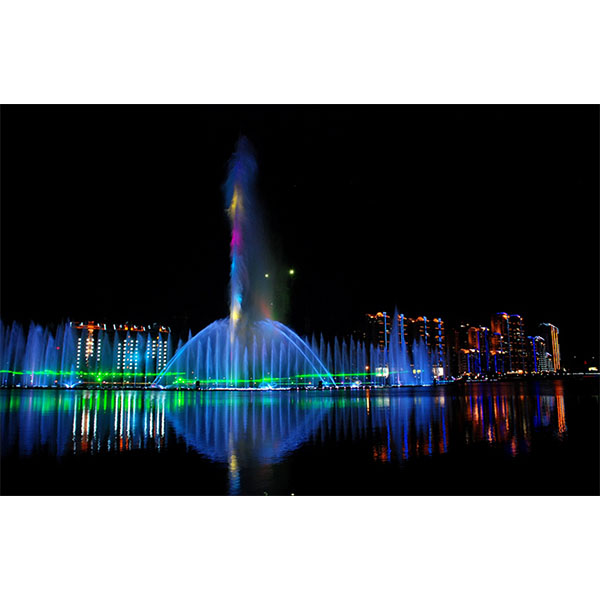
Large-scale musical fountains are often integrated into high-visibility public spaces, such as city squares, cultural centers, and commercial complexes. The Dalian International Flower Center Music Fountain, for instance, represents a significant investment where performance consistency is paramount. In such environments, the audience expects a seamless synchronization between music, lighting, and water movements. Any deviation in jet height or timing disrupts the artistic narrative and diminishes the viewer experience.
Beyond aesthetics, hydraulic stability is directly linked to operational safety and maintenance costs. Unstable hydraulic systems place excessive stress on pumps, valves, and seals, leading to premature wear and frequent repairs. For a musical fountain manufacturer, delivering a stable system means reducing the total cost of ownership for the client while ensuring the longevity of the installation. This requires a deep understanding of fluid dynamics and the application of rigorous engineering standards throughout the project lifecycle.
Advanced Hydraulic Design and Simulation
The foundation of hydraulic stability is laid during the design phase. Modern fountain engineering relies heavily on computational fluid dynamics (CFD) and specialized hydraulic simulation software to predict system behavior before any physical construction begins. This proactive approach allows engineers to identify potential bottlenecks, pressure drops, and resonance issues that could compromise performance.
Computational Fluid Dynamics (CFD) in Fountain Engineering
CFD simulations enable engineers to model the flow of water through complex piping networks, nozzles, and valves. By creating a digital twin of the fountain system, designers can visualize how water behaves under various operational scenarios. For example, they can simulate the simultaneous activation of all high-pressure nozzles to determine if the main supply lines can handle the sudden demand without a significant pressure drop. If the simulation reveals a risk of instability, the design can be adjusted by increasing pipe diameters, adding surge tanks, or modifying the layout of the manifold systems.
This level of analysis is particularly crucial for large-scale projects where the distance between the pump house and the farthest nozzles can result in significant latency and pressure loss. Without CFD, engineers would have to rely on rule-of-thumb calculations, which are often insufficient for the precision required in synchronized musical shows. Leading firms, such as Shenyang Fei Ya Water Art Landscape Engineering Co., Ltd., utilize these advanced tools to ensure that every nozzle performs exactly as intended, regardless of its location in the system.
Pipe Network Optimization and Pressure Balancing
Optimizing the pipe network is another critical aspect of hydraulic design. The goal is to achieve a balanced system where each nozzle receives the required pressure and flow rate, independent of the status of other nozzles. This is achieved through careful sizing of pipes and the strategic placement of balancing valves. In a well-designed system, the velocity of water within the pipes is kept within optimal ranges to minimize friction losses and reduce the risk of water hammer.
Pressure balancing is particularly challenging in multi-zone fountains, where different sections may operate independently or in combination. Engineers must ensure that activating one zone does not cause a pressure spike or drop in another. This often involves the use of isolated manifold systems, where each zone has its own dedicated supply line and control valves. By decoupling the hydraulic loads of different zones, the system can maintain stability even during complex choreographies involving rapid transitions between patterns.
Precision Control Systems and Variable Frequency Drives
While design sets the stage, the control system executes the performance. The integration of Variable Frequency Drives (VFDs) and real-time feedback mechanisms is what transforms a static water feature into a dynamic musical fountain. These technologies allow for precise control over pump speed and valve position, enabling smooth transitions and accurate synchronization with audio tracks.
The Role of VFDs in Pressure Regulation
Traditional fountain systems often relied on on/off pumps or fixed-speed operations, which resulted in abrupt changes in water flow and pressure. In contrast, VFDs allow pumps to operate at variable speeds, adjusting their output to match the immediate demand of the nozzles. When a sequence requires low-height jets, the VFD reduces the pump speed, lowering energy consumption and minimizing hydraulic shock. Conversely, when high-power jets are needed, the VFD ramps up the speed smoothly, avoiding sudden pressure spikes.
This gradual adjustment is key to maintaining hydraulic stability. By eliminating the sharp transients associated with starting and stopping pumps, VFDs protect the piping infrastructure and extend the lifespan of mechanical components. Furthermore, VFDs enable fine-tuned control over jet heights, allowing for nuanced artistic expressions that would be impossible with binary on/off controls. For a musical fountain manufacturer, the selection and programming of VFDs are critical tasks that require both technical expertise and artistic sensitivity.
Real-Time Feedback Loops and Sensor Integration
To ensure that the actual performance matches the designed choreography, modern fountain systems incorporate real-time feedback loops. Pressure sensors, flow meters, and position encoders are installed at strategic points throughout the network. These sensors continuously monitor system parameters and send data back to the central control unit. If a deviation is detected—for example, if a nozzle is blocked or a valve is sticking—the control system can automatically adjust the pump speed or valve positions to compensate.
This closed-loop control system enhances reliability by detecting and correcting errors in real time. It also provides valuable data for maintenance purposes. By analyzing trends in pressure and flow data, operators can identify potential issues before they lead to system failures. For instance, a gradual increase in pressure required to achieve a certain jet height may indicate a clogged filter or a worn pump impeller. Early detection allows for proactive maintenance, reducing downtime and repair costs.
Robust Mechanical Infrastructure and Component Selection
Even the most sophisticated control algorithms cannot compensate for poor mechanical infrastructure. The physical components of the fountain—pumps, valves, pipes, and nozzles—must be selected and installed with precision to ensure long-term hydraulic stability. This involves choosing materials that can withstand constant exposure to water and chemical treatments, as well as designing assemblies that minimize leakage and vibration.
High-Quality Pumps and Valve Assemblies
The pump is the heart of the fountain system, and its reliability is non-negotiable. Manufacturers typically select industrial-grade centrifugal pumps designed for continuous duty cycles. These pumps are chosen based on their efficiency, noise levels, and ability to handle varying flow rates without cavitation. Cavitation, the formation of vapor bubbles in the liquid due to low pressure, can cause severe damage to pump impellers and generate excessive vibration, leading to instability.
Valves play an equally important role in controlling water flow. High-speed solenoid valves or pneumatic actuators are commonly used for precise nozzle control. These valves must respond quickly and accurately to control signals, with minimal lag or hysteresis. Poor-quality valves can leak, stick, or fail to close completely, resulting in dripping nozzles or inconsistent jet heights. Therefore, reputable manufacturers source valves from trusted suppliers and conduct rigorous testing to ensure their performance meets strict specifications.
Piping Materials and Joint Integrity
The choice of piping material affects both hydraulic efficiency and durability. Stainless steel (such as 304 or 316L) is often preferred for its corrosion resistance and smooth interior surface, which reduces friction losses. In some cases, high-density polyethylene (HDPE) or PVC may be used for underground supply lines, but care must be taken to ensure proper support and alignment to prevent sagging or stress on joints.
Joint integrity is critical for preventing leaks, which can lead to pressure loss and soil erosion around the fountain structure. Welded joints are preferred for stainless steel pipes, as they provide a seamless connection that is less prone to leakage than threaded or flanged connections. For larger systems, expansion joints may be installed to accommodate thermal expansion and contraction, preventing stress buildup in the piping network. All connections are pressure-tested before commissioning to ensure they can withstand the maximum operating pressure of the system.
Testing, Commissioning, and Quality Assurance
The final step in ensuring hydraulic stability is rigorous testing and commissioning. This phase verifies that the installed system performs according to the design specifications and identifies any issues that need to be addressed before handover. For a professional enterprise like Shenyang Fei Ya Water Art Landscape Engineering Co., Ltd., this process is standardized and thorough, reflecting their Grade A qualification from the China Waterscape Fountain Committee.
Hydrostatic and Dynamic Pressure Testing
Before connecting the control systems, the piping network undergoes hydrostatic pressure testing. The system is filled with water and pressurized to a level higher than the normal operating pressure, typically 1.5 times the maximum working pressure. This test checks for leaks and ensures the structural integrity of the pipes and joints. Any leaks detected during this phase are repaired immediately, and the test is repeated until the system holds pressure without any drop.
Once the static integrity is confirmed, dynamic pressure testing is conducted. This involves running the pumps and valves through various operational sequences to observe the system’s behavior under load. Engineers monitor pressure readings at different points in the network to ensure that pressure fluctuations remain within acceptable limits. They also check for signs of water hammer, such as loud banging noises or excessive vibration, and adjust valve closing times or install surge arrestors if necessary.
Choreography Synchronization and Fine-Tuning
The final stage of commissioning involves synchronizing the water effects with the music and lighting. This is a meticulous process that requires fine-tuning the timing of each valve and pump command. Engineers use specialized software to map the audio track to the hydraulic responses, adjusting delays and durations to achieve perfect synchronization. During this phase, the team may spend days or weeks refining the choreography, ensuring that every jet hits its mark at the right moment.
Shenyang Fei Ya’s multidisciplinary team, including senior engineers and water jet experts, plays a crucial role in this phase. Their expertise allows them to make subtle adjustments that enhance the visual impact of the show while maintaining hydraulic stability. For example, they might adjust the ramp-up time of a VFD to create a smoother jet emergence, or tweak the opening speed of a valve to prevent overshoot. This attention to detail is what distinguishes a high-quality musical fountain from an average one.
Maintenance Strategies for Long-Term Stability
Ensuring hydraulic stability does not end with commissioning. Regular maintenance is essential to keep the system performing optimally over its lifespan. A well-maintained fountain is not only more reliable but also more energy-efficient and safer. Manufacturers typically provide comprehensive maintenance manuals and training for local operators, emphasizing preventive care and routine inspections.
Preventive Maintenance Protocols
Preventive maintenance involves regular checks of key components, such as pumps, valves, filters, and sensors. Filters should be cleaned or replaced regularly to prevent clogging, which can restrict flow and cause pressure imbalances. Pump seals and bearings should be inspected for wear and lubricated as needed. Valves should be tested for proper operation, and any signs of leakage or sticking should be addressed immediately.
In addition to mechanical checks, the control system should be monitored for software updates and calibration drift. Sensors may need recalibration over time to ensure accurate readings. Backup systems, such as redundant pumps or power supplies, should be tested periodically to ensure they function correctly in case of a primary system failure. By adhering to a strict preventive maintenance schedule, operators can minimize unexpected downtime and extend the life of the equipment.
Troubleshooting Common Hydraulic Issues
Despite best efforts, issues may arise during operation. Common problems include inconsistent jet heights, noisy pumps, and leaking valves. Troubleshooting these issues requires a systematic approach. For inconsistent jets, operators should check for clogged nozzles, air locks in the piping, or faulty valves. Noisy pumps may indicate cavitation, misalignment, or bearing wear, requiring immediate inspection. Leaking valves may need replacement of seals or entire units if the body is damaged.
Having a knowledgeable technical support team is invaluable in these situations. Companies like Shenyang Fei Ya offer post-commissioning support, helping clients diagnose and resolve issues quickly. Their experience with over 100 medium- to large-scale projects enables them to provide practical solutions based on real-world scenarios. This ongoing support reinforces the trust relationship between the manufacturer and the client, ensuring the long-term success of the project.
Case Study: Integrating Ecology and Engineering
The principles of hydraulic stability are not limited to technical performance; they also intersect with ecological considerations. Shenyang Fei Ya Water Art Landscape Engineering Co., Ltd. emphasizes “ecological garden construction,” integrating plant science and environmental engineering into their fountain designs. This approach ensures that the hydraulic system supports not only aesthetic goals but also sustainable water management practices.
For example, in the Greentown Qingdao Ideal City Project, the fountain system was designed to recycle water efficiently, minimizing waste and reducing environmental impact. The hydraulic stability of the system was crucial for maintaining the balance between water circulation and filtration, ensuring that the water remained clean and safe for surrounding greenery. By combining technical excellence with ecological responsibility, Fei Ya demonstrates how modern fountain manufacturing can contribute to urban sustainability.
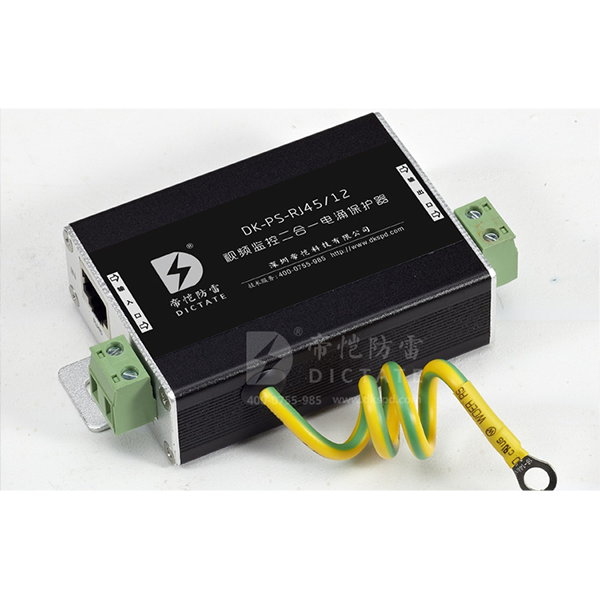
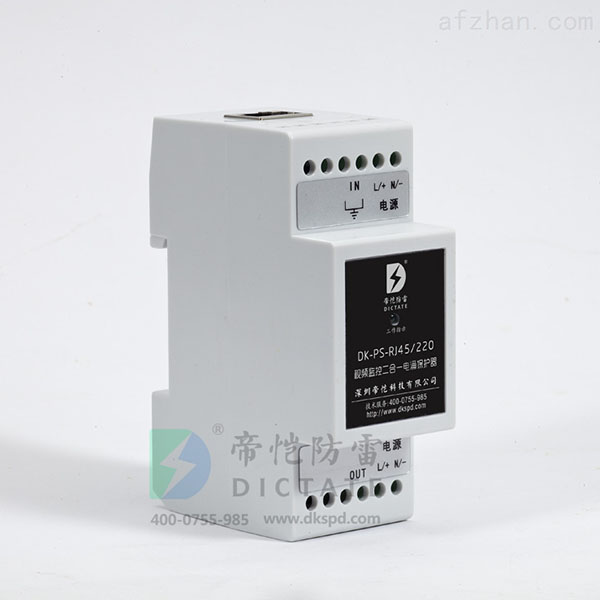
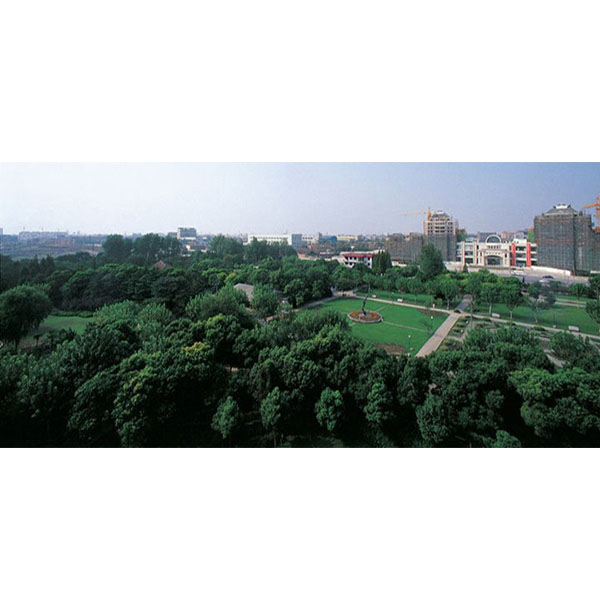
Similarly, in the Youyi County Cultural Center Square Greening Project, the integration of lighting, surveillance, and lightning protection systems with the fountain infrastructure required careful hydraulic planning to avoid interference and ensure safety. The robustness of the hydraulic design allowed for the seamless integration of these diverse elements, creating a cohesive and functional public space.
Conclusion
Ensuring hydraulic stability in large-scale musical fountain shows is a multifaceted challenge that requires expertise in fluid dynamics, mechanical engineering, control systems, and project management. From advanced hydraulic simulation and precision VFD control to robust mechanical infrastructure and rigorous testing, every step in the process contributes to the reliability and performance of the final installation. For clients seeking a partner who can deliver such high standards, choosing a qualified musical fountain manufacturer with a proven track record is essential.
Shenyang Fei Ya Water Art Landscape Engineering Co., Ltd. exemplifies this commitment to excellence. With over 17 years of experience, a team of nationally recognized experts, and a portfolio of successful projects, Fei Ya combines technical prowess with ecological sensitivity to create lasting value for urban environments. Their vertically integrated capabilities, from design to after-sales support, ensure consistency and accountability throughout the project lifecycle.
For those interested in learning more about how professional engineering can elevate your next waterscape project, visit Shenyang Fei Ya Water Art Landscape Engineering Co., Ltd. to explore their comprehensive services and innovative solutions. By prioritizing hydraulic stability and operational resilience, you can ensure that your musical fountain remains a captivating centerpiece for years to come.