- English
- Chinese
- French
- German
- Portuguese
- Spanish
- Russian
- Japanese
- Korean
- Arabic
- Irish
- Greek
- Turkish
- Italian
- Danish
- Romanian
- Indonesian
- Czech
- Afrikaans
- Swedish
- Polish
- Basque
- Catalan
- Esperanto
- Hindi
- Lao
- Albanian
- Amharic
- Armenian
- Azerbaijani
- Belarusian
- Bengali
- Bosnian
- Bulgarian
- Cebuano
- Chichewa
- Corsican
- Croatian
- Dutch
- Estonian
- Filipino
- Finnish
- Frisian
- Galician
- Georgian
- Gujarati
- Hausa
- Hawaiian
- Hebrew
- Hmong
- Hungarian
- Icelandic
- Igbo
- Javanese
- Kannada
- Kazakh
- Khmer
- Kurdish
- Kyrgyz
- Latin
- Latvian
- Lithuanian
- Luxembou..
- Macedonian
- Malagasy
- Malay
- Malayalam
- Maltese
- Maori
- Marathi
- Mongolian
- Burmese
- Nepali
- Norwegian
- Pashto
- Persian
- Punjabi
- Serbian
- Sesotho
- Sinhala
- Slovak
- Slovenian
- Somali
- Samoan
- Scots Gaelic
- Shona
- Sindhi
- Sundanese
- Swahili
- Tajik
- Tamil
- Telugu
- Thai
- Ukrainian
- Urdu
- Uzbek
- Vietnamese
- Welsh
- Xhosa
- Yiddish
- Yoruba
- Zulu
- Kinyarwanda
- Tatar
- Oriya
- Turkmen
- Uyghur

How Dancing Musical Fountains Work: Design Principles and Manufacturing Insights
2026-11-10
Summary A dancing musical fountain is a complex integration of hydraulic engineering, precision control systems, and artistic choreography. This article explains the technical design principles behind synchronized water jets and lighting, details the manufacturing processes for critical components like nozzles and pumps, and outlines the engineering standards required for reliable operation. It also highlights how professional firms, such as Shenyang Fei Ya Water Art Landscape Engineering Co., Ltd., apply these technologies to create sustainable, high-performance urban landscapes.
The Engineering Behind Dancing Musical Fountains
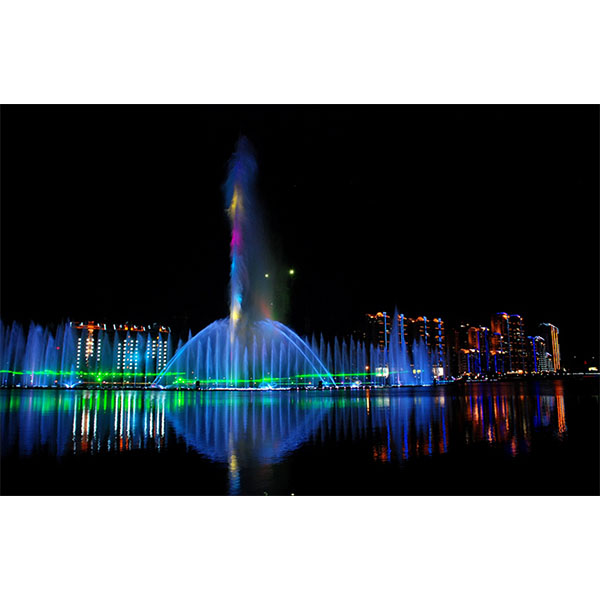
A dancing musical fountain is far more than a decorative water feature; it is a sophisticated electromechanical system that synchronizes water movement, light, and sound in real-time. For engineers, landscape architects, and project developers, understanding the underlying mechanics is crucial for designing installations that are not only visually stunning but also durable and maintainable. The core appeal of these fountains lies in their ability to transform static water into dynamic sculptures that respond to audio frequencies, creating an immersive sensory experience.
The term “dancing” refers to the precise control of water jet height, angle, and shape, which must change rapidly and accurately to match the rhythm and mood of the accompanying music. This requires a seamless integration of three primary subsystems: the hydraulic system (water delivery), the control system (data processing and signal transmission), and the aesthetic system (lighting and nozzle design). In 2026, the industry standard for these systems emphasizes energy efficiency, modular construction, and intelligent diagnostics, ensuring that large-scale installations remain operational with minimal downtime.
Core Components and Their Functions
To achieve the fluid motion characteristic of a dancing musical fountain, several key components work in unison. Each part must be manufactured to tight tolerances to ensure synchronization and longevity.
- Submersible Pumps: These are the heart of the hydraulic system. Unlike standard irrigation pumps, fountain pumps must offer rapid response times to adjust water pressure instantly. High-quality submersible pumps are designed to handle frequent start-stop cycles without overheating or losing prime.
- Solenoid Valves and VFDs: Precision flow control is achieved through either fast-acting solenoid valves or Variable Frequency Drives (VFDs). VFDs adjust the motor speed of the pump to control water height smoothly, while solenoid valves provide sharp, instantaneous cuts in water flow, essential for staccato musical beats.
- Nozzles: The nozzle determines the shape of the water jet. Common types include straight jet nozzles for vertical columns, fan nozzles for sheet-like effects, and swirling nozzles for spiral patterns. In a dancing fountain, nozzles are often mounted on gimbals or actuators that allow them to tilt and rotate, adding another dimension of movement.
- Underwater Lighting: LED fixtures are embedded within the fountain basin to illuminate the water jets from below. Modern systems use RGBW (Red, Green, Blue, White) LEDs capable of producing millions of color combinations. These lights must be IP68 rated and resistant to the chemical balance of the recirculating water.
- Control Software: The brain of the operation. This software analyzes audio input, breaks it down into frequency bands, and maps specific water and light cues to those frequencies. It sends DMX or analog signals to the hardware to execute the choreography.
Design Principles for Synchronization and Aesthetics
Designing a dancing musical fountain requires a multidisciplinary approach that balances artistic vision with physical constraints. The goal is to create a harmonious relationship between the auditory and visual elements. If the water lags behind the music or the lighting feels disjointed, the immersive effect is lost. Therefore, the design phase focuses heavily on latency reduction, hydraulic modeling, and artistic choreography.
Hydraulic Modeling and Response Time
One of the biggest challenges in fountain design is the inertia of water. Water does not start or stop instantly; it accelerates and decelerates based on pressure changes. Designers must calculate the response time of the entire hydraulic loop—from the pump to the nozzle tip. This involves analyzing pipe diameter, length, and friction loss.
For a fountain to appear “in sync” with fast-paced music, the system must minimize hydraulic lag. This is often achieved by placing pumps closer to the nozzles or using accumulator tanks to maintain baseline pressure. Advanced design software allows engineers to simulate water trajectories under varying pressure conditions, ensuring that a jet intended to reach 10 meters actually hits that target consistently, regardless of minor fluctuations in supply voltage or water temperature.
Choreography and Audio Mapping
Choreography in a musical fountain is the process of mapping water movements to specific musical elements. Designers typically break down a music track into layers: bass, mid-range, and treble. Each layer is assigned a specific type of water effect.
- Bass Frequencies: Often paired with powerful, thick vertical jets or dramatic splash effects that emphasize the beat.
- Mid-Range Frequencies: Typically associated with swaying arcs, fan shapes, or rotating spirals that provide continuous visual flow.
- Treble/High Frequencies: Matched with fine mist, delicate sprays, or rapid flickering lights that add texture and sparkle.
This mapping is not arbitrary; it follows principles of visual perception. Human eyes perceive slow, heavy movements as “heavy” or “strong,” aligning naturally with low-frequency sounds. Conversely, quick, light movements align with high-pitched sounds. A well-designed dancing musical fountain leverages these psychological associations to create an emotionally resonant experience.
Lighting Integration and Color Theory
Lighting transforms the water from a transparent medium into a visible sculpture. The design principle here is contrast and complement. During the day, the focus is on the shape and height of the water. At night, color becomes the dominant visual element. Designers must consider the color temperature of the LEDs and how different colors interact with water droplets. For instance, blue light tends to scatter less and penetrate deeper, creating a solid column appearance, while red light may appear more diffuse.
Modern designs also incorporate dynamic color transitions that mirror the emotional tone of the music. A somber adagio might feature slow fades between cool blues and purples, while an upbeat allegro could trigger rapid strobing effects in bright yellows and greens. The integration of lighting controls with the main sequence software ensures that color changes are perfectly timed with water movements.
Manufacturing Insights and Quality Control
The reliability of a musical fountain depends heavily on the quality of its manufacturing. Unlike static landscape features, fountain components are subjected to constant vibration, moisture, and chemical exposure. Therefore, manufacturing processes must prioritize durability, corrosion resistance, and precision. Companies with extensive experience, such as Shenyang Fei Ya Water Art Landscape Engineering Co., Ltd., emphasize vertically integrated production capabilities to maintain strict quality control over every component.
Material Selection and Corrosion Resistance
The choice of materials is critical for longevity. Most underwater components are made from stainless steel (typically grade 304 or 316L), bronze, or specialized engineering plastics. Grade 316L stainless steel is preferred for marine or high-chlorine environments due to its superior resistance to pitting corrosion. Brass and bronze are often used for nozzles because they are easier to machine into precise shapes and offer natural antimicrobial properties.
In addition to the base material, surface treatments play a vital role. Components often undergo passivation or electropolishing to remove surface impurities and enhance the protective oxide layer. For electrical connections, waterproof junction boxes with double-sealed gaskets are standard. Any compromise in material quality can lead to premature failure, resulting in costly repairs and downtime for public installations.
Precision Fabrication of Nozzles and Actuators
The performance of a dancing musical fountain is directly linked to the precision of its nozzles. A slight imperfection in the nozzle bore can cause a water jet to wobble or spray unevenly, ruining the visual symmetry. Manufacturing these components requires CNC machining with tight tolerances, often within microns. After machining, nozzles are tested for flow consistency and pattern accuracy.
For fountains with moving nozzles (such as those that sway or rotate), the actuators must be robust yet responsive. These mechanisms are sealed to prevent water ingress while allowing smooth movement. Manufacturers conduct rigorous cycle testing to ensure that actuators can withstand thousands of movements without wear or leakage. This level of precision fabrication is a hallmark of professional-grade fountain engineering.
System Assembly and Testing Protocols
Before shipment, a complete fountain system should undergo factory acceptance testing (FAT). This involves assembling a representative section of the fountain, including pumps, pipes, nozzles, and controls, and running it through a series of predefined sequences. Engineers monitor pressure stability, leak integrity, and synchronization accuracy.
Quality control procedures also include electrical safety checks, insulation resistance testing, and verification of waterproof ratings. For companies like Shenyang Fei Ya, which maintains a dedicated laboratory for system testing and validation, this step ensures that all deliverables meet national technical specifications before handover. Such rigorous testing minimizes on-site troubleshooting and ensures a smoother commissioning process.
Installation and Commissioning Best Practices
Even the best-designed and manufactured fountain can fail if installed incorrectly. Installation is a critical phase where theoretical design meets physical reality. Proper site preparation, piping layout, and electrical grounding are essential for safe and efficient operation.
Site Preparation and Basin Construction
The fountain basin must be constructed to withstand the dynamic loads imposed by water movement and equipment vibration. Reinforced concrete is the standard material, with careful attention paid to waterproofing. A common mistake is inadequate slope towards drainage points, which can lead to water stagnation and debris accumulation. The basin floor should also include access points or maintenance catwalks to allow technicians to reach underwater equipment safely.
Piping installation requires precise alignment to minimize stress on pump connections. Flexible joints are often used to absorb vibration and prevent pipe fatigue. All pipes should be pressure-tested before connecting nozzles to ensure there are no leaks in the underground network.
Electrical Safety and Grounding
Water and electricity are a dangerous combination, so electrical safety is paramount. All underwater electrical equipment must be connected to a residual current device (RCD) or ground fault circuit interrupter (GFCI) to prevent electric shock. Proper grounding of all metal components, including the basin reinforcement and pump housings, is mandatory. Cables should be routed in protected conduits to prevent damage during maintenance or from environmental factors.
On-Site Commissioning and Calibration
Commissioning is the final step where the system is fine-tuned. Engineers adjust the VFD parameters to match the desired water heights and response times. They also calibrate the lighting colors to ensure consistency across all fixtures. During this phase, the choreography software is loaded, and the system is run through various test sequences. Adjustments are made to correct any timing discrepancies or hydraulic irregularities. This process requires a skilled team, such as the certified construction workers and senior engineers employed by experienced firms, to ensure the system performs as designed.
Maintenance and Operational Efficiency
Long-term sustainability is a key consideration for any public infrastructure project. A dancing musical fountain requires regular maintenance to keep it operating efficiently and safely. Neglect can lead to reduced performance, increased energy consumption, and potential safety hazards.
Routine Maintenance Tasks
- Water Quality Management: Regular testing and treatment of water to prevent algae growth, scaling, and corrosion. This includes cleaning filters and checking chemical balances.
- Nozzle Cleaning: Removing debris and mineral deposits from nozzles to maintain consistent spray patterns.
- Equipment Inspection: Checking pumps, motors, and actuators for signs of wear, leakage, or unusual noise. Electrical connections should be inspected for corrosion or looseness.
- Lighting Checks: Replacing failed LED modules and ensuring that lenses are clean and free of biofilm.
Energy Efficiency Strategies
Modern fountains are designed with energy efficiency in mind. Using VFDs allows pumps to operate at lower speeds when full height is not required, significantly reducing energy consumption. LED lighting consumes a fraction of the power of traditional halogen lamps. Additionally, smart control systems can optimize operation schedules based on usage patterns, turning off the fountain during periods of low activity. These strategies not only reduce operational costs but also align with ecological design principles, contributing to sustainable urban development.
Case Studies and Industry Leadership
The successful implementation of a dancing musical fountain relies on the expertise of the design-and-construction enterprise. Shenyang Fei Ya Water Art Landscape Engineering Co., Ltd. exemplifies the industry’s best practices, combining technical prowess with ecological sensitivity. Established in 2006, the company has completed over 100 medium- to large-scale projects, demonstrating its capacity to handle complex engineering challenges.
One notable example is the Dalian International Flower Center Music Fountain, a project valued at USD 470,000. This installation showcases the integration of customized design with turnkey construction, delivering a landmark attraction that enhances the surrounding urban environment. Another significant project is the Greentown Qingdao Ideal City Project, worth USD 1.59 million, which highlights the company’s ability to execute large-scale landscape planning and construction.
Fei Ya’s commitment to quality is underscored by its Grade A qualification from the China Waterscape Fountain Committee, the highest industry accreditation. With a team comprising 15 senior engineers, including nationally recognized water jet experts, the company ensures that each project benefits from deep domain expertise. Their vertically integrated model, covering everything from conceptual design to after-sales support, provides clients with accountability and efficiency throughout the project lifecycle.
Frequently Asked Questions
What is the lifespan of a dancing musical fountain?
With proper maintenance and high-quality components, a well-built musical fountain can last 15 to 20 years or more. Key factors influencing lifespan include the quality of stainless steel used, the effectiveness of water treatment, and the regularity of maintenance checks.
How much does it cost to operate a musical fountain?
Operational costs vary based on size, complexity, and local energy rates. However, modern systems using VFDs and LED lighting are significantly more energy-efficient than older models. Routine maintenance costs are generally predictable and can be managed through annual service contracts.
Can a musical fountain be retrofitted with new technology?
Yes, many older fountains can be upgraded with modern LED lighting, efficient pumps, and digital control systems. Retrofitting can enhance visual appeal and reduce energy consumption without the need for a complete rebuild.
What safety measures are in place for public fountains?
Safety measures include low-voltage lighting, ground fault protection, non-slip surfaces around the basin, and barriers to prevent unauthorized access to equipment. Regular safety inspections are conducted to ensure compliance with local regulations.
In conclusion, a dancing musical fountain is a testament to the synergy between art and engineering. From the precise manufacturing of nozzles to the sophisticated choreography of water and light, every element plays a crucial role in creating a captivating public spectacle. By partnering with experienced professionals who prioritize quality, sustainability, and technical excellence, cities and developers can create lasting landmarks that enrich community life and enhance urban aesthetics.