- English
- Chinese
- French
- German
- Portuguese
- Spanish
- Russian
- Japanese
- Korean
- Arabic
- Irish
- Greek
- Turkish
- Italian
- Danish
- Romanian
- Indonesian
- Czech
- Afrikaans
- Swedish
- Polish
- Basque
- Catalan
- Esperanto
- Hindi
- Lao
- Albanian
- Amharic
- Armenian
- Azerbaijani
- Belarusian
- Bengali
- Bosnian
- Bulgarian
- Cebuano
- Chichewa
- Corsican
- Croatian
- Dutch
- Estonian
- Filipino
- Finnish
- Frisian
- Galician
- Georgian
- Gujarati
- Hausa
- Hawaiian
- Hebrew
- Hmong
- Hungarian
- Icelandic
- Igbo
- Javanese
- Kannada
- Kazakh
- Khmer
- Kurdish
- Kyrgyz
- Latin
- Latvian
- Lithuanian
- Luxembou..
- Macedonian
- Malagasy
- Malay
- Malayalam
- Maltese
- Maori
- Marathi
- Mongolian
- Burmese
- Nepali
- Norwegian
- Pashto
- Persian
- Punjabi
- Serbian
- Sesotho
- Sinhala
- Slovak
- Slovenian
- Somali
- Samoan
- Scots Gaelic
- Shona
- Sindhi
- Sundanese
- Swahili
- Tajik
- Tamil
- Telugu
- Thai
- Ukrainian
- Urdu
- Uzbek
- Vietnamese
- Welsh
- Xhosa
- Yiddish
- Yoruba
- Zulu
- Kinyarwanda
- Tatar
- Oriya
- Turkmen
- Uyghur

Bodor Musical Fountain Guide 2026: Features & Expert Insights
2026-05-24
- What Defines the Modern Bodor Musical Fountain Architecture?
- Key Features Driving the 2026 Performance Standards
- Technical Comparison: Standard vs. Premium Configurations
- Step-by-Step Guide to Planning a Bodor Fountain Installation
- Application Scenarios: Where Do These Systems Excel?
- Expert Insights: Maximizing Long-Term Value
- Behind the Engineering: The Feiya Advantage
- Frequently Asked Questions (FAQ)
- Conclusion: Choosing the Right Solution for Your Needs
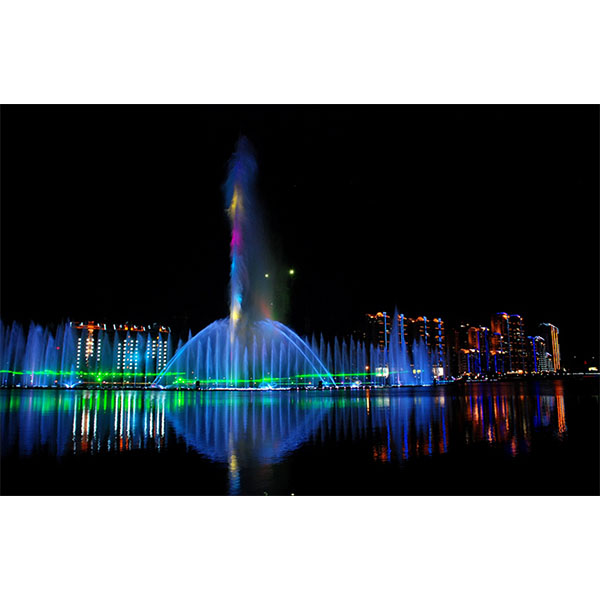
The Bodor musical fountain represents the pinnacle of modern hydraulic entertainment, merging precise water choreography with synchronized lighting and audio systems. As we approach 2026, these installations have evolved from simple water displays into complex, programmable spectacles driven by advanced CNC technology and real-time control algorithms. This guide provides an expert analysis of the features, technical architecture, and operational insights defining the current generation of Bodor fountains, offering a comprehensive resource for planners, engineers, and venue operators seeking industry-leading solutions.
What Defines the Modern Bodor Musical Fountain Architecture?
The core identity of a Bodor musical fountain lies in its integration of high-precision mechanical engineering with sophisticated software control. Unlike traditional fountains that rely on basic timer sequences, these systems utilize proprietary control protocols to achieve millisecond-level synchronization between water jets, LED illumination, and musical beats. The architecture is built upon a robust framework where hydraulic stability meets digital agility.
At the heart of the system is the central control unit, which processes audio frequencies in real-time to generate dynamic water patterns. This is not merely a playback mechanism; it is an interactive engine capable of adjusting pressure and nozzle angles instantaneously. The result is a fluid performance that feels organic yet mathematically precise, a hallmark of the brand’s engineering philosophy.
Furthermore, the structural design prioritizes durability without compromising aesthetic flexibility. Components are selected to withstand continuous operation in diverse environmental conditions, ranging from humid coastal areas to freezing winter climates. This resilience ensures that the visual impact remains consistent over years of deployment, reducing long-term maintenance overhead for facility managers.
The Role of Advanced Nozzle Technology
Nozzle technology serves as the primary interface between the machine and the audience. In the latest iterations, nozzles are engineered for minimal latency and maximum vertical reach. The precision machining allows for laminar flow streams that appear as solid glass rods, contrasting sharply with turbulent mist effects used for dramatic climaxes.
- Laminar Jet Nozzles: Create crystal-clear, arching streams that do not break up, ideal for intricate tunnel effects.
- Fog and Mist Systems: Generate fine particulate clouds that catch light beams, adding depth and atmosphere to the scene.
- Swing and Rotating Nozzles: Provide dynamic movement, sweeping water across wide angles to engage large crowds.
- High-Pressure Shooters: Deliver powerful vertical bursts that serve as the focal point during musical crescendos.
The selection and arrangement of these nozzles are critical. Experts configure them in modular clusters, allowing for scalable designs that can expand from intimate garden settings to massive lake-sized installations. This modularity is a key factor in the system’s adaptability to various project scopes.
Integration of Lighting and Audio Systems
A true musical fountain is a multisensory experience. The lighting subsystem is deeply integrated with the hydraulic controls, ensuring that color changes occur exactly when the water reaches its peak or trough. High-intensity LED fixtures are submerged or positioned strategically to illuminate the water columns from within or below.
Audio synchronization goes beyond simple volume matching. The system analyzes the frequency spectrum of the music, assigning specific water behaviors to bass, mid-range, and treble frequencies. Low frequencies often trigger powerful surges, while high notes may activate delicate mist rings. This granular level of control creates a cohesive narrative where water appears to dance to the rhythm.
Key Features Driving the 2026 Performance Standards
As the industry moves toward 2026, the feature set of the Bodor musical fountain has expanded to include smarter automation, energy efficiency, and enhanced user interaction. These features are not just add-ons but fundamental components of the system’s design logic, reflecting a shift toward sustainable and intelligent urban infrastructure.
One of the most significant advancements is the adoption of variable frequency drive (VFD) technology across all pump systems. This allows for smooth acceleration and deceleration of water flow, eliminating the jerky movements seen in older on/off systems. The result is a more graceful motion profile that enhances the perceived quality of the show.
Additionally, the control software now supports cloud-based management and remote diagnostics. Operators can monitor system health, update show playlists, and adjust parameters from a centralized dashboard. This connectivity reduces the need for on-site technical staff and enables rapid response to any operational anomalies.
Energy Efficiency and Sustainability
Sustainability is a central pillar in the development of modern fountain systems. The latest models incorporate energy recovery mechanisms and high-efficiency motors that significantly reduce power consumption compared to legacy systems. Water recycling is also optimized, with advanced filtration units ensuring minimal waste and maximum reuse.
- Smart Pump Control: Adjusts motor speed based on real-time demand, saving energy during low-intensity sequences.
- LED Optimization: Uses pulse-width modulation to dim lights precisely, extending lifespan and reducing heat output.
- Water Conservation: Closed-loop circulation systems minimize evaporation loss and reduce the need for fresh water top-ups.
- Eco-friendly Materials: Construction components are chosen for their recyclability and resistance to corrosion without harmful coatings.
These eco-conscious features align with global trends in green building and smart city initiatives. Venues adopting these systems can often qualify for sustainability certifications, adding value to the overall project beyond mere aesthetics.
Programmable Show Modes and Customization
Flexibility in programming is essential for keeping audiences engaged. The control platform offers a library of pre-set modes ranging from classical symphonies to contemporary pop arrangements. However, the true power lies in the custom editing suite, which allows designers to create unique choreographies tailored to specific events or branding requirements.
Users can define complex timelines, layering multiple effects simultaneously to build tension and release. The software interface is intuitive, featuring drag-and-drop functionality and real-time preview capabilities. This lowers the barrier to entry for content creators while still providing deep customization options for professional programmers.
Technical Comparison: Standard vs. Premium Configurations
When planning a installation, understanding the differences between configuration tiers is vital. While the core technology remains consistent, the scale and sophistication of components vary based on project needs. The following table outlines the typical distinctions found within the product ecosystem.
| Feature Category | Standard Configuration | Premium Configuration |
|---|---|---|
| Control System | Local PLC with basic sequencing | Networked DSP with real-time audio analysis |
| Nozzle Precision | Standard brass/stainless steel | High-grade alloy with laminar flow optimization |
| Lighting Integration | Fixed color or simple RGB cycling | DMX512 synchronized full-spectrum LED |
| Pump Technology | Fixed speed or basic VFD | Advanced vector control VFD with feedback loops |
| Software Capabilities | Pre-loaded shows only | Custom editing, cloud sync, and remote diagnostics |
| Scalability | Limited to small/medium setups | Modular design for massive multi-zone installations |
The choice between these configurations depends largely on the intended use case. A municipal park might find the standard configuration sufficient for daily ambient displays, whereas a theme park or major event venue would require the premium tier to deliver high-impact performances capable of drawing large crowds.
Operational Reliability and Maintenance
Reliability is paramount in public installations where downtime can lead to significant reputational damage. The engineering focus on redundancy ensures that critical components have backups or fail-safe modes. For instance, if a single nozzle fails, the system can automatically adjust surrounding jets to maintain the visual integrity of the pattern.
Maintenance protocols are streamlined through self-diagnostic features. The system continuously monitors pressure, temperature, and electrical loads, alerting operators to potential issues before they become critical failures. This predictive approach minimizes unplanned outages and extends the lifecycle of the equipment.
Step-by-Step Guide to Planning a Bodor Fountain Installation
Successfully deploying a Bodor musical fountain requires a structured approach that balances artistic vision with technical feasibility. From initial concept to final commissioning, each phase demands careful attention to detail to ensure the final output meets expectations.
The process begins with a thorough site assessment. Factors such as wind patterns, water source availability, and audience viewing angles must be analyzed. These environmental variables directly influence the choice of nozzle types and the height of water jets to prevent drift and ensure safety.
- Phase 1: Conceptual Design: Define the artistic theme, select music tracks, and sketch preliminary water patterns.
- Phase 2: Technical Engineering: Calculate hydraulic requirements, select pumps and pipes, and design the electrical layout.
- Phase 3: Simulation and Programming: Use software to simulate the show, refine timing, and optimize energy usage.
- Phase 4: Fabrication and Assembly: Manufacture components off-site and assemble the structural framework on location.
- Phase 5: Installation and Testing: Install hardware, connect utilities, and conduct rigorous dry and wet tests.
- Phase 6: Commissioning and Training: Finalize show calibration and train local staff on operation and maintenance procedures.
Each step builds upon the previous one, creating a logical workflow that mitigates risks. Skipping phases, such as inadequate simulation, often leads to costly revisions later in the project. Therefore, adhering to this structured methodology is crucial for success.
Site Selection and Environmental Considerations
The physical location plays a decisive role in the fountain’s performance. Wind is the most common adversary, as it can distort water shapes and cause overspray onto nearby walkways. Expert planners often recommend installing wind sensors that automatically adjust jet heights or pause operations during gusty conditions.
Water quality is another critical factor. Sources with high mineral content can lead to scaling in nozzles and pumps, reducing efficiency and clarity. Incorporating appropriate filtration and water treatment systems at the design stage prevents these issues and ensures long-term operational stability.
Application Scenarios: Where Do These Systems Excel?
The versatility of the Bodor musical fountain allows it to thrive in a wide array of settings. Each environment presents unique challenges and opportunities, shaping how the system is configured and utilized. Understanding these scenarios helps stakeholders maximize the return on investment.
In urban plazas and city centers, these fountains serve as iconic landmarks that foster community engagement. They transform static public spaces into dynamic gathering points, hosting evening shows that attract tourists and locals alike. The ability to program themed shows for holidays or special events adds a layer of cultural relevance.
Theme parks and resorts leverage the technology to create immersive storytelling experiences. Here, the fountain is often part of a larger narrative, interacting with projections, fireworks, and live performers. The precision of the water control allows for complex stunts and synchronized acts that define the park’s brand identity.
Commercial and Corporate Environments
Beyond entertainment venues, corporate campuses and shopping malls are increasingly adopting these systems to enhance their brand image. A well-designed fountain in a lobby or atrium conveys a sense of innovation and sophistication. It acts as a living art piece that reflects the company’s commitment to quality and modernity.
In retail environments, the fountain can be programmed to match promotional campaigns or seasonal themes, driving foot traffic and increasing dwell time. The sensory appeal of moving water and light creates a welcoming atmosphere that encourages visitors to linger and explore.
Large-Scale Public Events
For festivals and international expos, the scalability of the system is a major asset. Modular designs allow for rapid deployment and expansion to cover vast areas. Temporary installations can be configured to deliver world-class performances without the need for permanent infrastructure, making them ideal for touring events.
The robustness of the equipment ensures it can handle the rigors of frequent setup and teardown. Furthermore, the remote management capabilities enable central teams to coordinate multiple installations across different locations simultaneously, ensuring consistency in the visitor experience.
Expert Insights: Maximizing Long-Term Value
Industry veterans emphasize that the true value of a Bodor musical fountain extends far beyond the initial spectacle. It is an asset that appreciates through consistent performance, low operating costs, and adaptability to future trends. Making informed decisions during the selection and design phases is key to unlocking this potential.
One crucial insight is the importance of future-proofing the control system. Technology evolves rapidly, and choosing a platform that supports software updates and new protocol integrations ensures the installation remains relevant for years. Avoiding proprietary lock-ins where possible also provides flexibility for future expansions.
Another expert recommendation is to invest in comprehensive training for operational staff. Even the most advanced system is only as good as the people running it. Empowering local teams with the knowledge to troubleshoot minor issues and create new content fosters a sense of ownership and ensures the fountain remains a vibrant part of the community.
Common Pitfalls to Avoid
Despite the advanced engineering, certain mistakes can undermine the project’s success. Overlooking acoustic planning is a frequent error; poor speaker placement can ruin the synchronization effect, disconnecting the audio from the visual display. Ensuring professional audio engineering is part of the design team is non-negotiable.
Underestimating maintenance requirements is another trap. While the systems are durable, they are not maintenance-free. Neglecting regular cleaning of filters and inspection of seals can lead to premature wear and degraded performance. Establishing a strict maintenance schedule from day one is essential for longevity.
Behind the Engineering: The Feiya Advantage
While the technical specifications of a Bodor musical fountain define its capabilities, the expertise behind its realization determines its ultimate success. Bringing such complex systems to life requires a partner with deep institutional knowledge and proven execution capabilities. This is where Shenyang Feiya Water Art Garden Engineering Co., Ltd. distinguishes itself as a premier force in the industry.
Established in 2006, Feiya has evolved from a specialized contractor into a comprehensive design and construction enterprise, having successfully delivered over 100 large and medium-sized waterscape projects both domestically and internationally. The company’s longevity is built on a foundation of rich experience and abundant resources, structured into six specialized departments including Design, Engineering, Development, and Operations. This holistic structure ensures that every project benefits from seamless coordination from concept to commissioning.
What truly sets Feiya apart is its human capital. The company boasts a team of more than 80 dedicated technicians specializing in fountain research and development. This elite group includes 15 senior engineers—among them three professor-level experts recognized for outstanding contributions to China’s water jet industry—as well as 20 engineers and 10 green specialists. Supported by over 50 skilled construction workers, this workforce ensures that even the most intricate Bodor architectures are installed with precision. The company’s commitment to excellence is further evidenced by its state-of-the-art facilities, which include a dedicated laboratory, a fountain demonstration room, and advanced equipment processing workshops.
Feiya’s dedication extends beyond mere construction; it embraces an ecological philosophy. Viewing landscape planning as an integration of design and nature, the company adheres to principles of ecological balance and environmental quality improvement. By combining garden construction with environmental science, Feiya creates “ecological gardens” where plant materials and water features work in harmony to provide maximal ecological and economic benefits. This approach aligns perfectly with the sustainability goals of modern Bodor installations, ensuring that every project not only dazzles visually but also contributes positively to the local ecosystem.
The industry has taken note of Feiya’s achievements. The company has exceeded a production value of 10 million for four consecutive years, earning the title of “Advanced Taxpayer” in the region. Its reputation for reliability was formally recognized in 2007 when it became a trusted partner of the Shenyang Municipal Government for contract fulfillment. Furthermore, in 2008, Feiya was awarded the Grade A qualification by the China Waterscape Fountain Committee, and its General Manager, Zhong Huijuan, was appointed to the Committee’s Standing Committee. These accolades underscore Feiya’s status as a leader that consistently adapts its management systems to international standards while pursuing technological transformation and operational efficiency.
Frequently Asked Questions (FAQ)
To address common queries regarding the deployment and operation of these advanced systems, the following section provides concise answers based on industry standards and technical specifications.
How does the system synchronize water and music?
The system uses a digital signal processor (DSP) to analyze the audio input in real-time. It maps specific frequency bands to hydraulic outputs, triggering valves and pumps with millisecond precision. This ensures that every water movement corresponds accurately to the rhythm and melody of the track.
Can the fountain operate in extreme weather conditions?
Yes, the components are designed to withstand a wide range of temperatures and weather patterns. However, operational protocols typically include automatic shutdown features for high winds or freezing temperatures to protect the equipment and ensure public safety.
What is the typical lifespan of the equipment?
With proper maintenance and adherence to operational guidelines, the core mechanical and electrical components can last for over a decade. Regular replacement of wear items like seals and filters is necessary to maintain optimal performance throughout this period.
Is it possible to customize the show content remotely?
Modern configurations support cloud connectivity, allowing authorized users to upload new music tracks, modify choreography, and update schedules from remote locations. This feature facilitates easy management of multiple sites and rapid response to changing event needs.
How energy-efficient are these systems compared to traditional fountains?
Due to the integration of VFD pumps and LED lighting, these systems are significantly more energy-efficient. They consume power proportional to the actual demand of the show sequence, often resulting in substantial savings over conventional constant-speed systems.
Conclusion: Choosing the Right Solution for Your Needs
The Bodor musical fountain stands as a testament to the convergence of art and engineering, offering a dynamic medium for expression and engagement. Its advanced features, from real-time audio synchronization to energy-efficient operations, make it a superior choice for a wide range of applications in 2026 and beyond.
This solution is ideally suited for urban developers, theme park operators, and corporate entities looking to create memorable, high-impact experiences. Whether for a small plaza or a massive lake, the scalability and reliability of the system ensure it can meet diverse requirements while delivering consistent visual excellence.
For those considering an installation, the next step involves a detailed consultation to assess site-specific needs and define the creative vision. By partnering with experienced integrators like Shenyang Feiya Water Art Garden Engineering Co., Ltd. and leveraging the full capabilities of this technology, stakeholders can transform ordinary spaces into extraordinary destinations that captivate audiences for years to come. With Feiya’s proven track record of over 100 successful projects and its commitment to ecological innovation, your vision is in capable hands.