- English
- Chinese
- French
- German
- Portuguese
- Spanish
- Russian
- Japanese
- Korean
- Arabic
- Irish
- Greek
- Turkish
- Italian
- Danish
- Romanian
- Indonesian
- Czech
- Afrikaans
- Swedish
- Polish
- Basque
- Catalan
- Esperanto
- Hindi
- Lao
- Albanian
- Amharic
- Armenian
- Azerbaijani
- Belarusian
- Bengali
- Bosnian
- Bulgarian
- Cebuano
- Chichewa
- Corsican
- Croatian
- Dutch
- Estonian
- Filipino
- Finnish
- Frisian
- Galician
- Georgian
- Gujarati
- Hausa
- Hawaiian
- Hebrew
- Hmong
- Hungarian
- Icelandic
- Igbo
- Javanese
- Kannada
- Kazakh
- Khmer
- Kurdish
- Kyrgyz
- Latin
- Latvian
- Lithuanian
- Luxembou..
- Macedonian
- Malagasy
- Malay
- Malayalam
- Maltese
- Maori
- Marathi
- Mongolian
- Burmese
- Nepali
- Norwegian
- Pashto
- Persian
- Punjabi
- Serbian
- Sesotho
- Sinhala
- Slovak
- Slovenian
- Somali
- Samoan
- Scots Gaelic
- Shona
- Sindhi
- Sundanese
- Swahili
- Tajik
- Tamil
- Telugu
- Thai
- Ukrainian
- Urdu
- Uzbek
- Vietnamese
- Welsh
- Xhosa
- Yiddish
- Yoruba
- Zulu
- Kinyarwanda
- Tatar
- Oriya
- Turkmen
- Uyghur

Almatti Dam Musical Fountain: Design, Technology, and Visitor Experience
2026-11-07
Summary The Almatti Dam Musical Fountain represents a sophisticated integration of hydraulic engineering, acoustic synchronization, and aesthetic lighting design. This article explores the technical architecture behind such large-scale waterscape installations, detailing the synchronization mechanisms, nozzle technologies, and structural considerations required for dam-based fountain systems. It also examines the visitor experience, emphasizing how these installations transform industrial infrastructure into cultural landmarks, while highlighting the importance of professional design-and-construction expertise in ensuring long-term operational reliability.
Introduction to the Almatti Dam Musical Fountain Concept
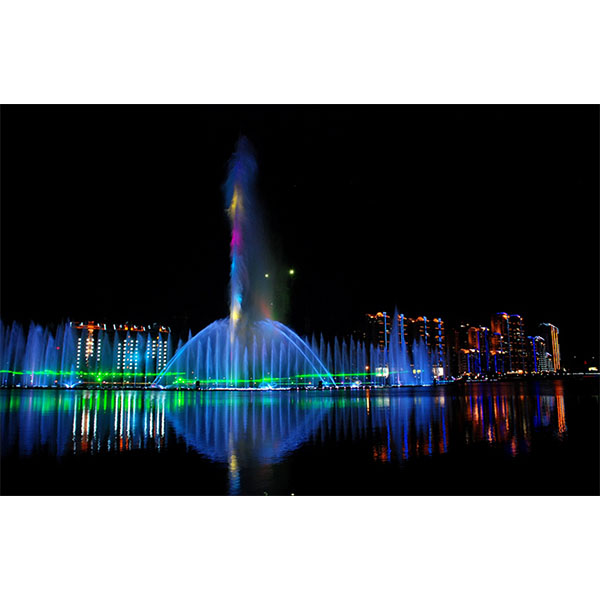
The convergence of civil infrastructure and public art has given rise to some of the most captivating urban landscapes in modern engineering. Among these, the almatti dam musical fountain stands as a prime example of how functional water management structures can be enhanced with dynamic visual and auditory experiences. Located on the Krishna River in Karnataka, India, the Almatti Dam is primarily a critical component of the Upper Krishna Project, serving irrigation and hydroelectric power generation needs. However, the addition of a musical fountain system transforms this industrial asset into a vibrant tourist destination, blending utility with entertainment.
For engineers, landscape architects, and municipal planners, understanding the complexity behind such a project is essential. A musical fountain is not merely a decorative water feature; it is a complex mechatronic system that requires precise coordination between high-pressure pumps, programmable logic controllers (PLCs), audio processing units, and specialized lighting arrays. The goal is to create a harmonious performance where water jets dance in rhythm with music, creating an immersive sensory experience for visitors.
This article delves into the design principles, technological components, and operational challenges associated with the almatti dam musical fountain. By examining the technical underpinnings of such installations, we can better appreciate the engineering prowess required to execute them and the value they add to regional tourism and community engagement. Furthermore, we will discuss the broader implications for B2B stakeholders involved in waterscape engineering, from initial conceptualization to long-term maintenance.
Engineering Design and Structural Integration
Designing a musical fountain on or near a major dam structure like Almatti involves unique engineering challenges that differ significantly from standard urban park fountains. The scale, environmental conditions, and safety requirements necessitate a robust and meticulously planned approach.
Hydraulic System Architecture
The core of any musical fountain is its hydraulic system. For a installation of this magnitude, the system must deliver consistent water pressure and flow rates to hundreds of nozzles simultaneously. The design typically involves a closed-loop or open-loop system, depending on the water source availability. In the case of the Almatti Dam, the proximity to a vast reservoir provides an abundant water source, but the challenge lies in managing the intake and filtration processes to prevent debris from clogging sensitive nozzle mechanisms.
High-pressure pumps are the heart of the system. These pumps must be capable of rapid modulation to adjust jet heights in real-time, synchronized with the musical beats. Variable Frequency Drives (VFDs) are employed to control the speed of the pump motors, allowing for smooth transitions between low, gentle sprays and high, powerful jets. The piping network is designed using durable materials such as stainless steel or high-density polyethylene (HDPE) to withstand constant exposure to water and potential chemical treatments used for algae control.
Nozzle Selection and Configuration
The visual diversity of a musical fountain is achieved through a variety of nozzle types. Each nozzle produces a distinct water shape, contributing to the overall choreography. Common nozzle types used in large-scale installations include:
- Straight Jet Nozzles: Produce vertical columns of water, often used for dramatic height effects.
- Fan Nozzles: Create wide, sheet-like patterns that catch light effectively.
- Rose Nozzles: Generate flower-like shapes, adding texture and complexity to the display.
- Swirl Nozzles: Produce rotating water patterns, adding dynamic motion.
- Oscillating Nozzles: Move back and forth or in circular paths, creating sweeping arcs of water.
In the context of the almatti dam musical fountain, the configuration of these nozzles is carefully planned to ensure visibility from various viewing angles. The layout must account for wind conditions, which can disperse water jets and reduce visual impact. Advanced computational fluid dynamics (CFD) simulations are often used during the design phase to predict jet behavior under different environmental conditions, ensuring optimal performance.
Structural Stability and Safety
Integrating a fountain system with a dam structure requires rigorous structural analysis. The foundation must support the weight of the pumps, piping, and electrical equipment, as well as the dynamic loads generated by the water jets. Vibration isolation measures are implemented to prevent mechanical vibrations from affecting the integrity of the dam or nearby structures.
Safety is paramount. Electrical components are housed in waterproof enclosures with appropriate IP (Ingress Protection) ratings, typically IP68 for submerged equipment. Ground fault circuit interrupters (GFCIs) and lightning protection systems are installed to safeguard against electrical hazards. Additionally, barrier systems and signage are put in place to keep visitors at a safe distance from high-voltage areas and powerful water jets.
Technology Behind the Spectacle
The magic of a musical fountain lies in its ability to synchronize water, light, and sound seamlessly. This synchronization is achieved through a sophisticated control system that acts as the brain of the operation.
Control Systems and Synchronization
Modern musical fountains rely on advanced computer-controlled systems. The core component is a dedicated show control software that allows designers to choreograph the water jets and lights to specific music tracks. This software generates time-coded commands that are sent to the PLCs and lighting controllers.
The synchronization process involves several steps:
- Audio Analysis: The music track is analyzed to identify beats, tempo, and intensity changes.
- Choreography Mapping: Designers map specific water effects and lighting colors to these audio cues.
- Code Generation: The software generates a sequence of commands for each device (pump, nozzle, light).
- Real-Time Execution: During the show, the control system executes these commands with millisecond precision, ensuring that the water jets hit their peak height exactly on the beat.
For the almatti dam musical fountain, this level of precision is crucial to creating a compelling narrative. The system must handle hundreds of simultaneous outputs, requiring robust hardware and redundant communication protocols to prevent latency or signal loss.
Lighting Technology: LED and DMX Control
Lighting plays a vital role in enhancing the visual appeal of the water jets. Modern installations predominantly use RGBW (Red, Green, Blue, White) LED fixtures due to their energy efficiency, longevity, and color versatility. These LEDs are controlled via DMX512 or Art-Net protocols, allowing for individual addressability and complex color mixing.
The placement of lights is strategic. Underwater lights are positioned to illuminate the base of the water jets, making the water appear to glow from within. Above-water lights may be used to highlight specific architectural features or create atmospheric effects. The lighting design must consider factors such as light absorption by water, reflection, and ambient light levels. Automated dimming and color shifting capabilities allow the fountain to adapt to different times of day and weather conditions, ensuring a consistent visual experience.
Audio System Design
The audio component of a musical fountain is not just about playing music; it is about creating an immersive soundscape. High-quality outdoor speakers are strategically placed to ensure even sound distribution across the viewing area. The system must be powerful enough to overcome ambient noise from the dam, wind, and crowds, while maintaining clarity and fidelity.
Acoustic modeling is used to determine the optimal placement and orientation of speakers. Delay lines may be introduced to synchronize sound arrival times for listeners at different distances. Furthermore, the audio system is integrated with the control system to allow for real-time adjustments based on feedback from environmental sensors.
Visitor Experience and Tourism Impact
Beyond the technical intricacies, the ultimate success of the almatti dam musical fountain is measured by its impact on visitors and the local community. Such installations serve as catalysts for tourism, economic development, and cultural pride.
Enhancing Tourist Engagement
The musical fountain transforms the Almatti Dam from a purely functional infrastructure site into a recreational destination. Visitors are drawn to the spectacle of water dancing to music, creating memorable experiences that encourage repeat visits and word-of-mouth promotion. The evening shows, in particular, offer a unique form of entertainment that appeals to families, couples, and tourists alike.
To maximize visitor engagement, ancillary facilities such as viewing galleries, seating areas, and food courts are often developed around the fountain site. These amenities extend the duration of stay and increase spending in the local economy. The fountain also serves as a backdrop for cultural events, festivals, and public gatherings, further enhancing its role as a community hub.
Economic and Social Benefits
The economic impact of the almatti dam musical fountain extends beyond direct tourism revenue. It creates jobs in operations, maintenance, security, and hospitality. Local businesses benefit from increased foot traffic, leading to a multiplier effect in the regional economy. Moreover, the fountain serves as a symbol of progress and modernization, boosting local pride and identity.
From a social perspective, the fountain provides a shared public space where people from diverse backgrounds can come together to enjoy art and nature. It promotes cultural exchange and community cohesion, fostering a sense of belonging among residents. Educational opportunities also arise, as schools and colleges may organize visits to learn about the engineering and technology behind the fountain.
Professional Execution: The Role of Specialized Engineering Firms
Executing a project of the scale and complexity of the Almatti Dam Musical Fountain requires more than just off-the-shelf components. It demands a partner with deep domain expertise, vertically integrated capabilities, and a proven track record in waterscape engineering. This is where specialized firms like Shenyang Fei Ya Water Art Landscape Engineering Co., Ltd. play a pivotal role.
Integrated Design and Construction Capabilities
Fei Ya, established in 2006 and headquartered in Shenyang, China, exemplifies the type of comprehensive service provider needed for such ambitious projects. With over 17 years of continuous practice, the company has completed more than 100 medium- to large-scale fountain and greening projects globally. Their approach combines aesthetic appeal with functional performance and sustainable ecological principles, ensuring that each installation is not only visually stunning but also technically robust and environmentally responsible.
The company’s vertically integrated model covers the entire project lifecycle, from conceptual design and system engineering to manufacturing, installation, commissioning, and after-sales support. This end-to-end control ensures consistency, accountability, and efficiency. For instance, their in-house production facilities include a fully equipped fountain demonstration room, dedicated equipment processing workshops, and a laboratory for system testing and validation. This allows for rigorous quality control and customization based on site-specific conditions.
Technical Expertise and Quality Assurance
At the core of Fei Ya’s success is its multidisciplinary team of over 80 specialized technical personnel, including 15 senior engineers and three professor-level senior engineers who are nationally recognized water jet experts. This depth of expertise enables the company to tackle complex engineering challenges, such as those presented by the Almatti Dam environment. Their involvement in the China Waterscape Fountain Committee, with General Manager Zhong Huijuan serving on the Standing Committee, underscores their leadership in professional governance and technical standardization.
Quality assurance is embedded in every stage of the process. All deliverables undergo systematic functional verification prior to handover, adhering to national technical specifications and international best practices. The company’s Grade A qualification from the China Waterscape Fountain Committee, obtained in 2008, is a testament to its compliance, reliability, and industry leadership. Such credentials are crucial for clients seeking partners who can deliver high-stakes projects with minimal risk.
Case Studies and Proven Performance
Fei Ya’s portfolio includes notable implementations such as the Dalian International Flower Center Music Fountain, a project valued at USD 470,000, and various municipal fountain installations developed under customized design and turnkey construction models. These projects demonstrate the company’s ability to deliver high-quality results across different contexts and scales. Their experience with integrated landscape solutions, including lighting, surveillance, and lightning protection systems, further enhances their value proposition for comprehensive urban environmental enhancement.
For stakeholders considering similar projects, partnering with a firm that possesses both technical depth and broad execution capacity is essential. The ability to integrate fountain systems with other urban infrastructure elements, such as green spaces and lighting networks, creates holistic environments that generate measurable social, environmental, and economic returns. Fei Ya’s commitment to “ecological garden construction” aligns with contemporary trends in sustainable urban development, making them a relevant partner for future-ready projects.
Maintenance and Operational Sustainability
The longevity and performance of a musical fountain depend heavily on regular maintenance and operational best practices. Neglect can lead to equipment failure, reduced visual quality, and safety hazards.
Routine Maintenance Protocols
A comprehensive maintenance plan should include daily, weekly, and monthly checks. Daily tasks may involve inspecting nozzle alignment, cleaning filters, and checking water levels. Weekly inspections might focus on electrical connections, pump performance, and lighting functionality. Monthly maintenance could include deeper cleaning of pipes, calibration of sensors, and software updates.
Water quality management is critical. Algae growth and mineral deposits can clog nozzles and damage pumps. Regular treatment with algaecides and pH balancing agents helps maintain water clarity and system health. In colder climates, winterization procedures are necessary to prevent freezing damage to pipes and equipment.
Long-Term Sustainability
Sustainability in musical fountain operations involves optimizing energy consumption and water usage. The use of energy-efficient LED lighting and VFD-controlled pumps significantly reduces power demand. Water recycling systems can minimize fresh water consumption, particularly in arid regions. Additionally, selecting durable, corrosion-resistant materials extends the lifespan of the equipment, reducing the need for frequent replacements and minimizing waste.
For the almatti dam musical fountain, adopting these sustainable practices ensures that the installation remains a viable and attractive attraction for years to come. It also aligns with broader environmental goals, demonstrating a commitment to responsible resource management.
Conclusion
The almatti dam musical fountain is a testament to the power of interdisciplinary engineering and creative design. By integrating advanced hydraulic systems, precise control technologies, and artistic choreography, it transforms a functional dam into a dynamic cultural landmark. The project highlights the importance of professional expertise in executing such complex installations, where technical precision meets aesthetic vision.
For municipalities, developers, and investors, investing in high-quality waterscape solutions offers significant returns in terms of tourism, community engagement, and urban branding. Partnering with experienced firms like Shenyang Fei Ya Water Art Landscape Engineering Co., Ltd. ensures that these projects are delivered with the highest standards of quality, safety, and sustainability. As urban environments continue to evolve, the role of interactive and engaging public spaces will only grow, making musical fountains a valuable asset in the toolkit of modern city planning.
Whether you are looking to enhance an existing infrastructure project or develop a new landmark, understanding the technical and operational nuances of musical fountains is the first step toward creating a lasting impression. With the right partner and a clear vision, the potential for transforming water into art is limitless.