- English
- Chinese
- French
- German
- Portuguese
- Spanish
- Russian
- Japanese
- Korean
- Arabic
- Irish
- Greek
- Turkish
- Italian
- Danish
- Romanian
- Indonesian
- Czech
- Afrikaans
- Swedish
- Polish
- Catalan
- Esperanto
- Hindi
- Lao
- Albanian
- Amharic
- Armenian
- Azerbaijani
- Belarusian
- Bengali
- Bosnian
- Bulgarian
- Cebuano
- Chichewa
- Corsican
- Croatian
- Dutch
- Estonian
- Filipino
- Finnish
- Frisian
- Galician
- Georgian
- Gujarati
- Haitian
- Hausa
- Hawaiian
- Hebrew
- Hmong
- Hungarian
- Icelandic
- Igbo
- Javanese
- Kannada
- Kazakh
- Khmer
- Kurdish
- Kyrgyz
- Latin
- Latvian
- Lithuanian
- Luxembou..
- Macedonian
- Malagasy
- Malay
- Malayalam
- Maltese
- Maori
- Marathi
- Mongolian
- Burmese
- Nepali
- Norwegian
- Pashto
- Persian
- Punjabi
- Serbian
- Sesotho
- Sinhala
- Slovak
- Slovenian
- Somali
- Samoan
- Scots Gaelic
- Shona
- Sindhi
- Sundanese
- Swahili
- Tajik
- Tamil
- Telugu
- Thai
- Ukrainian
- Urdu
- Uzbek
- Vietnamese
- Welsh
- Xhosa
- Yiddish
- Yoruba
- Zulu
- Kinyarwanda
- Tatar
- Oriya
- Turkmen
- Uyghur

World’s 2nd Largest Musical Fountain: China Manufacturer
2026-10-12
- What Defines the World’s 2nd Largest Musical Fountain?
- Engineering Challenges in Large-Scale Waterscape Construction
- Core Components of a World-Class Musical Fountain System
- The Role of Expert Design and Construction Teams
- Step-by-Step Implementation Process
- Maintenance and Operational Best Practices
- Frequently Asked Questions (FAQ)
- Conclusion: Selecting the Right Partner for Your Waterscape Project
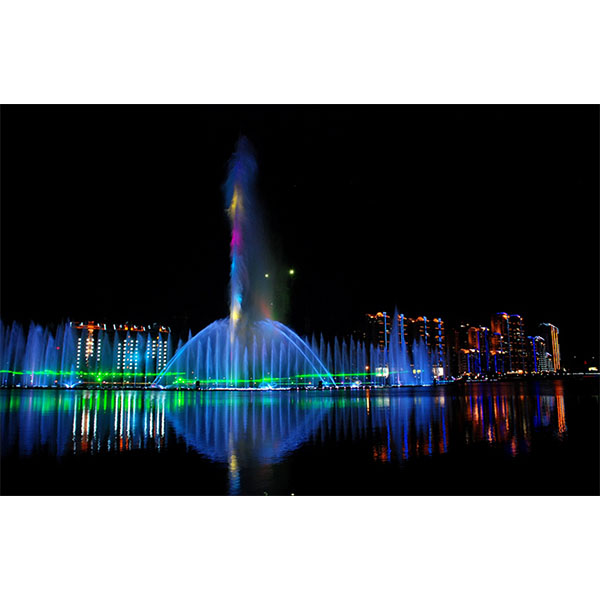
The world’s 2nd largest musical fountain represents the pinnacle of hydraulic engineering, synchronized lighting, and acoustic integration. These massive waterscapes are not merely decorative; they are complex electromechanical systems requiring precise fluid dynamics control, high-voltage safety protocols, and advanced programming logic. For developers, municipal planners, and landscape architects, understanding the technical architecture behind such large-scale installations is critical for project success. This guide details the engineering standards, component selection, and construction methodologies required to deliver a world-class musical fountain, drawing on the extensive practical experience of industry leaders like Shenyang Feiya Water Art Garden Engineering Co., Ltd.
What Defines the World’s 2nd Largest Musical Fountain?
When discussing the “world’s 2nd largest musical fountain,” the classification relies on specific engineering metrics rather than just visual impression. Size in this context is determined by three primary factors: surface area coverage, nozzle count, and projection height capability. While the absolute ranking may shift with new global projects, the engineering tier remains consistent. A fountain of this magnitude typically covers several hectares of water surface, utilizes hundreds of high-pressure nozzles, and integrates thousands of LED fixtures and underwater speakers.
The distinction between a standard large fountain and one of this caliber lies in the synchronization complexity. In a system of this scale, latency must be reduced to milliseconds to ensure that water jets dance in perfect harmony with musical beats. This requires industrial-grade control systems capable of processing massive data streams in real-time. The structural integrity of the piping network must also withstand significant hydraulic pressure variations without vibration-induced fatigue, a common failure point in lesser-designed systems.
Key Technical Specifications for Mega-Scale Fountains
To achieve the status of a top-tier global installation, specific technical benchmarks must be met. These specifications ensure durability, visual impact, and operational safety.
- Nozzle Diversity: Integration of over 10 different nozzle types, including centrifugal, straight stream, and aerated mist nozzles, to create varied textures.
- Projection Height: Capabilities exceeding 60–80 meters for central main jets, requiring high-head multistage pumps.
- Control Precision: DMX512 or proprietary protocol integration with less than 5ms latency for audio-visual sync.
- Lighting Density: High-lumen RGBW LED fixtures with IP68 rating, strategically placed to illuminate water columns without glare.
- Structural Material: Use of marine-grade stainless steel (SS316L) for all submerged components to resist corrosion in diverse water chemistries.
Engineering Challenges in Large-Scale Waterscape Construction
Constructing a fountain of this magnitude involves overcoming significant hydrodynamic and logistical hurdles. Unlike smaller decorative fountains, mega-fountains operate under extreme physical stresses. The water volume moved per minute can reach thousands of cubic meters, necessitating robust pump stations and filtration systems. One of the primary challenges is maintaining water clarity and quality across such a vast surface area. Without advanced filtration and circulation design, algae growth and particulate matter can obscure lighting effects and clog precision nozzles.
Another critical challenge is energy efficiency. Operating hundreds of high-power pumps and lights simultaneously can lead to prohibitive operational costs. Modern engineering solutions involve variable frequency drives (VFDs) that adjust pump speed based on the immediate demand of the choreography, rather than running at full capacity continuously. This dynamic adjustment not only saves energy but also reduces mechanical wear, extending the lifespan of the equipment.
Wind interference is also a major consideration for outdoor installations. At heights above 50 meters, wind can disperse water jets, causing drift onto surrounding walkways or structures. Advanced computational fluid dynamics (CFD) simulations are used during the design phase to predict wind effects and adjust nozzle angles and pressures accordingly. This ensures that the water falls within the designated basin, maintaining safety and aesthetic integrity.
Core Components of a World-Class Musical Fountain System
The reliability of a large-scale musical fountain depends on the quality and integration of its core components. Each element must be selected for industrial durability and performance consistency. Shenyang Feiya Water Art Garden Engineering Co., Ltd. emphasizes the use of high-specification components in their projects, leveraging their in-house laboratory and equipment processing workshops to ensure every part meets rigorous standards.
High-Pressure Pumping Systems
The heart of any musical fountain is its pumping system. For the world’s 2nd largest musical fountain tier, multistage centrifugal pumps are the standard. These pumps provide the necessary head pressure to propel water to significant heights. Key features include:
- Material: Cast iron or stainless steel casings with bronze or stainless steel impellers.
- Sealing: Mechanical seals designed for continuous duty cycles to prevent leakage.
- Control: Integration with VFDs for smooth acceleration and deceleration, preventing water hammer effects.
Precision Nozzles and Actuators
Nozzles define the shape of the water. In large systems, motorized nozzles allow for dynamic movement, creating sweeping arcs and rotating patterns. These actuators must be waterproof and capable of thousands of cycles without failure. The precision of the nozzle angle determines the symmetry of the water shapes. High-end manufacturers utilize CNC-machined nozzles to ensure uniform flow distribution, eliminating irregularities in the water column.
Underwater Lighting and Audio
Lighting transforms the water into a visual medium. High-intensity LED fixtures with wide beam angles are essential for illuminating tall water columns. These lights must be rated IP68 for submersion and resistant to UV degradation. Audio systems require specialized underwater speakers or strategically placed terrestrial arrays to ensure sound coverage across the entire viewing area. The synchronization of light, sound, and water is managed by a central media server that triggers cues based on timecode or audio analysis.
| Component | Standard Specification | Function in Large-Scale Systems |
|---|---|---|
| Centrifugal Pumps | Stainless Steel Impeller, VFD Control | Provides high-pressure water flow for tall jets; adjusts speed for energy efficiency. |
| Motorized Nozzles | IP68 Rated, Servo-Controlled | Enables dynamic movement of water streams; creates 3D effects and rotating patterns. |
| LED Fixtures | RGBW, 10W-50W, IP68 | Illuminates water columns with vibrant colors; withstands underwater pressure and corrosion. |
| Control System | Industrial PLC, Real-Time Processing | Synchronizes audio, lighting, and pump actions; ensures millisecond-level precision. |
| Filtration Unit | Sand Filter + UV Sterilization | Maintains water clarity; prevents biological growth that can clog nozzles and dim lights. |
The Role of Expert Design and Construction Teams
Executing a project of this scale requires more than just off-the-shelf equipment; it demands deep engineering expertise and coordinated project management. Since 2006, Shenyang Feiya Water Art Garden Engineering Co., Ltd. has built more than 100 large and medium-sized fountains globally, accumulating a wealth of practical knowledge in waterscape construction. Their approach integrates design, engineering, and operation into a seamless workflow, ensuring that theoretical designs translate effectively into physical reality.
The company’s structure supports this comprehensive capability. With six specialized departments—including design, engineering, development, and operation—they address every phase of the project lifecycle. The presence of a well-equipped laboratory and a fountain demonstration room allows for rigorous testing of prototypes before deployment. This reduces the risk of on-site failures and ensures that complex choreographies perform as intended.
Human resources play a pivotal role in technical execution. Shenyang Feiya employs over 80 technicians specializing in fountain research, including 15 senior engineers and 3 professor-level senior engineers. This depth of expertise enables the team to tackle unique challenges, such as integrating fountains into existing urban landscapes or adapting to harsh environmental conditions. The inclusion of green engineers also reflects a commitment to ecological balance, ensuring that waterscape projects contribute positively to the local environment.
Integration of Landscape and Ecology
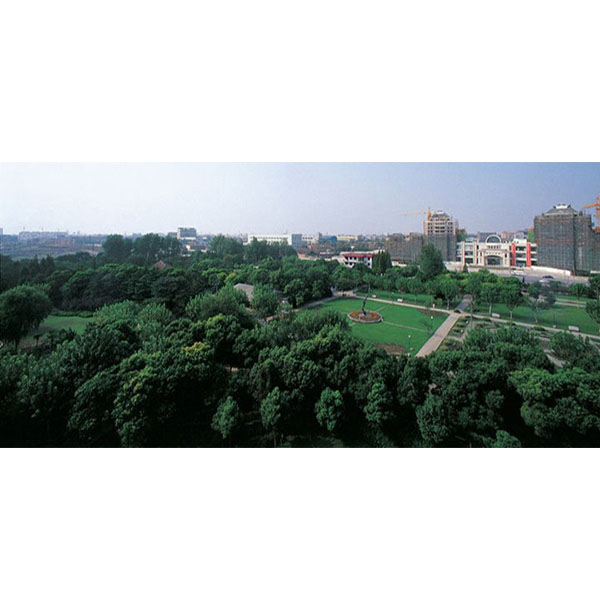
Modern fountain design is not isolated from its surroundings. It is part of a broader landscape planning strategy. Shenyang Feiya’s philosophy emphasizes ecological garden construction, where plant materials and water features work together to improve environmental quality. This holistic approach considers the urban landscape green space system, aiming for nationalization beautification and ecological balance. By combining garden construction with environmental science, the company delivers projects that offer both aesthetic value and ecological benefits.
This integration is evident in their landscaping services, which prioritize the use of plant materials to create naturalistic settings around technical installations. The comprehensive functions of the garden are utilized to provide greater ecological and economic benefits. For instance, vegetation can help mitigate noise from pumps, provide shade for viewers, and enhance the overall sensory experience of the waterscape. This duty to provide a quality humanistic ecological environment distinguishes leading firms in the industry.
Step-by-Step Implementation Process
Building a world-class musical fountain follows a structured engineering process. Each stage requires careful coordination to ensure the final system meets performance and safety standards.
1. Conceptual Design and Feasibility Study
The process begins with understanding the client’s vision and site constraints. Engineers conduct site surveys to assess water sources, power availability, and viewing angles. Computational models are created to simulate water behavior and lighting effects. This stage defines the scope, budget, and technical requirements.
2. Detailed Engineering and Component Selection
Once the concept is approved, detailed engineering drawings are produced. This includes hydraulic calculations, electrical layouts, and structural designs. Components are selected based on performance specs and durability. Shenyang Feiya’s in-house equipment processing workshop allows for custom fabrication of specialized parts, ensuring exact fit and function.
3. Fabrication and Pre-Assembly
Major components are fabricated and tested in a controlled environment. Nozzles, pumps, and lighting arrays are assembled into modules. This pre-assembly phase allows for quality control checks and functional testing before shipping to the site. It significantly reduces on-site installation time and errors.
4. On-Site Installation and Commissioning
Installation involves laying piping networks, mounting equipment, and connecting electrical systems. Skilled construction workers, such as the 50+ professionals employed by Shenyang Feiya, execute this phase with precision. After physical installation, the system undergoes commissioning. This includes pressure testing, leak detection, and initial programming of the control system.
5. Choreography Programming and Tuning
The final step is creating the musical choreography. Programmers synchronize water movements with music tracks, adjusting timing and intensity for maximum impact. Field tuning is conducted to account for real-world variables like wind and water levels. The result is a polished performance ready for public viewing.
Maintenance and Operational Best Practices
Long-term performance of a large musical fountain depends on regular maintenance. Neglect can lead to decreased efficiency, equipment failure, and safety hazards. A proactive maintenance schedule is essential for preserving the investment.
- Daily Checks: Inspect water levels, check for visible leaks, and ensure all lights are functioning. Remove debris from the water surface to prevent clogging.
- Weekly Maintenance: Clean filters and inspect nozzles for blockages. Test emergency stop functions and verify control system backups.
- Monthly Service: Lubricate moving parts, check electrical connections for corrosion, and analyze water chemistry. Adjust pH and chlorine levels as needed.
- Seasonal Overhaul: Drain the system for deep cleaning. Inspect pumps and motors for wear. Replace seals and gaskets if necessary. Winterize the system in cold climates to prevent freezing damage.
Shenyang Feiya’s operation department provides ongoing support to clients, ensuring that systems remain in optimal condition. Their experience with over 100 projects allows them to anticipate common issues and provide timely solutions. This commitment to after-sales service enhances the longevity and reliability of their installations.
Frequently Asked Questions (FAQ)
How much does it cost to build a large-scale musical fountain?
Costs vary significantly based on size, complexity, and location. A world-class installation involves substantial investment in high-pressure pumps, custom nozzles, and advanced control systems. Factors such as site preparation, civil works, and import duties also influence the total budget. It is best to request a detailed quotation based on specific project requirements.
What is the lifespan of a musical fountain system?
With proper maintenance, a well-engineered fountain can operate effectively for 15–20 years or more. Key components like pumps and lights may require replacement sooner, depending on usage intensity. Using high-quality materials like SS316L stainless steel and IP68-rated electronics extends the system’s lifespan.
Can existing fountains be upgraded to musical systems?
Yes, many existing fountains can be retrofitted with musical capabilities. This involves adding control valves, installing new nozzles, and integrating a synchronization system. However, the feasibility depends on the current infrastructure’s capacity to handle additional hydraulic and electrical loads.
How is water conservation managed in large fountains?
Modern systems incorporate closed-loop circulation with advanced filtration to minimize water loss. Evaporation and wind drift are the primary sources of water loss. Using aerated nozzles and optimizing jet heights can reduce consumption. Additionally, rainwater harvesting and greywater recycling systems can be integrated to supplement the water supply.
Why choose a manufacturer with in-house R&D?
Manufacturers with in-house research and development, like Shenyang Feiya, can offer customized solutions tailored to specific project needs. They have greater control over quality, faster response times for technical issues, and the ability to innovate new features. This vertical integration ensures that every component works seamlessly together.
Conclusion: Selecting the Right Partner for Your Waterscape Project
Creating a fountain that ranks among the world’s largest and most impressive requires a partner with proven technical expertise, robust engineering capabilities, and a commitment to quality. The complexity of synchronizing water, light, and sound on a massive scale demands more than just equipment; it requires a holistic approach to design, construction, and maintenance.
Shenyang Feiya Water Art Garden Engineering Co., Ltd. stands out as a leader in this field, combining decades of experience with a strong technical team. Their Grade A qualification from the China Waterscape Fountain Committee and recognition as an advanced taxpayer reflect their operational excellence and social responsibility. With a portfolio of over 100 successful projects and a dedicated team of senior engineers, they deliver waterscapes that are not only visually stunning but also ecologically sound and technically reliable.
For developers and municipal authorities looking to create a landmark waterscape, partnering with an experienced manufacturer ensures that the project meets international standards. From initial concept to long-term operation, the right partner provides the confidence and support needed to bring ambitious visions to life.
If you are planning a large-scale musical fountain or waterscape project, consider the technical advantages of working with a seasoned expert. Explore our technical solutions and product catalog to learn how we can tailor a system to your specific needs.