- English
- Chinese
- French
- German
- Portuguese
- Spanish
- Russian
- Japanese
- Korean
- Arabic
- Irish
- Greek
- Turkish
- Italian
- Danish
- Romanian
- Indonesian
- Czech
- Afrikaans
- Swedish
- Polish
- Catalan
- Esperanto
- Hindi
- Lao
- Albanian
- Amharic
- Armenian
- Azerbaijani
- Belarusian
- Bengali
- Bosnian
- Bulgarian
- Cebuano
- Chichewa
- Corsican
- Croatian
- Dutch
- Estonian
- Filipino
- Finnish
- Frisian
- Galician
- Georgian
- Gujarati
- Haitian
- Hausa
- Hawaiian
- Hebrew
- Hmong
- Hungarian
- Icelandic
- Igbo
- Javanese
- Kannada
- Kazakh
- Khmer
- Kurdish
- Kyrgyz
- Latin
- Latvian
- Lithuanian
- Luxembou..
- Macedonian
- Malagasy
- Malay
- Malayalam
- Maltese
- Maori
- Marathi
- Mongolian
- Burmese
- Nepali
- Norwegian
- Pashto
- Persian
- Punjabi
- Serbian
- Sesotho
- Sinhala
- Slovak
- Slovenian
- Somali
- Samoan
- Scots Gaelic
- Shona
- Sindhi
- Sundanese
- Swahili
- Tajik
- Tamil
- Telugu
- Thai
- Ukrainian
- Urdu
- Uzbek
- Vietnamese
- Welsh
- Xhosa
- Yiddish
- Yoruba
- Zulu
- Kinyarwanda
- Tatar
- Oriya
- Turkmen
- Uyghur


Understanding the Montjuic Musical Fountain: Design, Technology, and Visitor Experience
2026-11-16
- Introduction to the Montjuïc Musical Fountain
- Historical Evolution and Design Philosophy
- Technical Architecture and Engineering Principles
- The Visitor Experience: Acoustics, Visuals, and Atmosphere
- Comparative Analysis: Montjuïc and Modern Fountain Engineering
- Challenges in Maintenance and Operational Resilience
- The Role of Professional Expertise in Waterscape Engineering
- Conclusion
- FAQ
Summary This article provides a comprehensive technical and experiential analysis of the Montjuïc Musical Fountain in Barcelona. It explores the hydraulic engineering, lighting synchronization, and acoustic design that define this landmark installation. By examining its operational mechanics and visitor impact, the piece offers insights into how large-scale musical fountains integrate art with complex water landscape engineering, drawing parallels to modern industry standards for sustainable and high-performance public space developments.
Introduction to the Montjuïc Musical Fountain
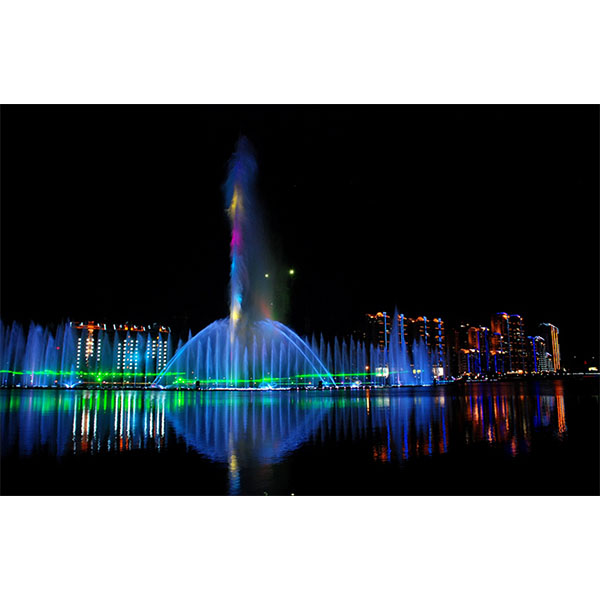
The Montjuïc Musical Fountain, known locally as the Font Màgica, stands as one of Barcelona’s most iconic urban landmarks. Located at the base of the Magic Fountain of Montjuïc on the Avinguda Maria Cristina, this spectacular water display combines choreographed water jets, synchronized lighting, and music to create an immersive sensory experience. Since its inauguration in 1929 for the Barcelona International Exposition, it has evolved from a static hydraulic feature into a dynamic, technologically advanced performance venue that attracts millions of visitors annually.
For professionals in landscape engineering, urban planning, and public space design, the Montjuïc Musical Fountain represents more than just a tourist attraction. It is a case study in the integration of hydraulic systems, electrical control infrastructure, and aesthetic design within a historic urban context. Understanding the design principles and technology behind the Montjuïc Musical Fountain provides valuable insights into the complexities of creating large-scale waterscape installations that are both visually stunning and operationally robust.
This article delves into the technical architecture, historical evolution, and visitor experience of the fountain. It also examines the broader implications for modern fountain engineering, highlighting how companies specializing in integrated waterscape solutions, such as Shenyang Fei Ya Water Art Landscape Engineering Co., Ltd., approach similar challenges in contemporary projects. By analyzing the interplay between water pressure, light modulation, and acoustic timing, we can appreciate the engineering precision required to sustain such a landmark over nearly a century of operation.
Historical Evolution and Design Philosophy
The origins of the Montjuïc Musical Fountain date back to the 1929 Barcelona International Exposition, a pivotal moment in the city’s urban development. Designed by engineer Carles Buïgas, the original structure was conceived not merely as a decorative element but as a demonstration of hydraulic engineering prowess. The initial design focused on the interplay of water and light, utilizing the natural slope of Montjuïc hill to create gravity-fed water effects that were innovative for their time.
The 1929 Exposition Legacy
During the 1929 Exposition, the fountain served as a centerpiece for the Plaça d’Espanya, symbolizing modernity and technological progress. The early iterations relied on manual control systems and basic incandescent lighting. Despite these limitations, the scale of the installation—featuring multiple basins, cascades, and jet arrays—established a precedent for large-scale public water features. The design philosophy emphasized symmetry, grandeur, and the harmonious integration of water into the architectural framework of the exposition grounds.
Modernization and Technological Upgrades
Over the decades, the fountain underwent several renovations to keep pace with technological advancements. The most significant transformation occurred in the late 20th and early 21st centuries, when analog control systems were replaced with digital automation. These upgrades allowed for precise synchronization of water jets with musical tracks, a feature that defines the modern visitor experience. The introduction of LED lighting systems further enhanced the visual impact, offering a broader color spectrum and greater energy efficiency compared to traditional halogen or incandescent bulbs.
Today, the fountain operates as a hybrid of historic architecture and modern engineering. While the structural basins and primary hydraulic lines retain elements of the original design, the control infrastructure, nozzle technology, and lighting arrays are state-of-the-art. This blend of old and new presents unique maintenance and operational challenges, requiring specialized expertise in both heritage conservation and modern mechatronics.
Technical Architecture and Engineering Principles
The operational success of the Montjuïc Musical Fountain relies on a complex network of hydraulic, electrical, and control systems. Understanding these components is essential for engineers and designers involved in similar large-scale waterscape projects. The system can be divided into three primary subsystems: hydraulic distribution, lighting and electrical infrastructure, and control and synchronization logic.
Hydraulic System Design
The hydraulic system is the core of the fountain’s functionality. It consists of a series of pumps, pipes, valves, and nozzles that regulate water flow, pressure, and direction. In the case of the Montjuïc fountain, the system must manage varying water heights and patterns, ranging from gentle mist effects to powerful vertical jets that can reach significant heights.
- Pump Stations: High-efficiency centrifugal pumps are used to generate the necessary pressure for different jet types. Variable frequency drives (VFDs) allow for precise control of pump speed, enabling smooth transitions between water patterns and reducing energy consumption during low-intensity sequences.
- Nozzle Technology: The fountain employs a variety of nozzles, including straight jets, fog nozzles, and laminar flow jets. Each nozzle type requires specific pressure and flow rate conditions to achieve the desired visual effect. For instance, laminar flow nozzles create glass-like arcs of water that require extremely stable pressure and filtration to maintain clarity.
- Filtration and Water Quality: Given the large volume of water recirculated through the system, robust filtration is critical. Sand filters and chemical treatment systems ensure that the water remains clear and free of debris, which could clog nozzles or damage pumps. Maintaining water quality is also essential for public health and aesthetic appeal.
In modern projects, such as those executed by Shenyang Fei Ya Water Art Landscape Engineering Co., Ltd., hydraulic design often incorporates ecological principles. For example, water recycling systems and rainwater harvesting can be integrated to reduce potable water usage. Fei Ya’s experience with projects like the Dalian International Flower Center Music Fountain demonstrates the importance of customizing hydraulic solutions to site-specific conditions, ensuring both performance and sustainability.
Lighting and Electrical Infrastructure
Lighting transforms the water display from a daytime hydraulic feature into a nighttime spectacle. The Montjuïc Musical Fountain utilizes a sophisticated array of underwater and perimeter lights to illuminate the water jets from various angles.
Modern LED technology has revolutionized fountain lighting. Unlike traditional bulbs, LEDs offer instant-on capability, wide color gamuts, and long lifespans. They are also more resistant to vibration and thermal shock, making them ideal for underwater applications. The electrical infrastructure must be designed to handle the high load of thousands of LED fixtures while ensuring safety in a wet environment. This involves the use of low-voltage systems, ground-fault circuit interrupters (GFCIs), and waterproof junction boxes rated for submersion.
Furthermore, the placement of lights is critical for achieving the desired visual effect. Lights must be positioned to minimize glare for viewers while maximizing the illumination of the water columns. In complex choreographies, lighting changes must be synchronized with water movements to create dynamic color shifts and patterns. This requires precise timing and coordination between the lighting control system and the hydraulic controllers.
Control Systems and Synchronization
The brain of the Montjuïc Musical Fountain is its control system, which synchronizes water, light, and music. Modern fountain control systems use specialized software that allows designers to create choreographed sequences. These sequences are mapped to specific musical tracks, with each note or beat triggering corresponding changes in water height, color, and movement.
The control architecture typically includes:
- Master Controller: A central computer or PLC (Programmable Logic Controller) that executes the choreography program.
- DMX Protocol: Often used for lighting control, DMX allows for precise addressing of individual light fixtures.
- Hydraulic Controllers: Devices that regulate valve positions and pump speeds based on signals from the master controller.
- Audio System: High-quality speakers distributed around the viewing area to ensure uniform sound coverage.
Synchronization is achieved through timecode alignment, ensuring that audio, visual, and hydraulic events occur simultaneously. Any latency in the system can disrupt the illusion of unity between music and water. Therefore, robust networking and real-time processing capabilities are essential. Companies with extensive technical teams, such as Fei Ya, employ senior engineers and water jet experts to fine-tune these systems, ensuring that every element performs in harmony.
The Visitor Experience: Acoustics, Visuals, and Atmosphere
While the technical infrastructure is impressive, the ultimate measure of the Montjuïc Musical Fountain’s success is the visitor experience. The fountain is designed to engage audiences on multiple sensory levels, creating an emotional connection through the combination of music, light, and water.
Acoustic Design and Sound Distribution
Sound quality is paramount to the musical fountain experience. The acoustic design must ensure that music is clear and balanced across the entire viewing area, which can span hundreds of square meters. This involves strategic placement of speakers to avoid dead zones and echoes. In outdoor environments, wind and ambient noise can interfere with sound propagation, so directional speakers and volume zoning are often employed.
The repertoire of music played at the Montjuïc fountain ranges from classical symphonies to contemporary pop hits. The selection is curated to appeal to a diverse international audience. The synchronization of water movements with musical rhythms enhances the emotional impact of the music, turning auditory experiences into visual narratives. For example, a crescendo in the music might be accompanied by a surge in water height and intensity, while a gentle melody might correspond to soft, flowing water patterns.
Visual Choreography and Narrative
Visual choreography refers to the arrangement of water and light patterns over time. Designers create sequences that tell a story or evoke a mood. This involves careful planning of jet trajectories, color transitions, and timing. The goal is to create a dynamic visual flow that keeps the audience engaged throughout the performance.
At Montjuïc, the visual choreography leverages the multi-tiered structure of the fountain. Water cascades from upper levels to lower basins, creating layers of movement. Lighting enhances this depth by highlighting different sections of the fountain at different times. The result is a three-dimensional canvas that changes constantly, offering a unique experience with each viewing.
Crowd Management and Accessibility
Given its popularity, the Montjuïc Musical Fountain attracts large crowds, particularly during peak tourist seasons and special events. Effective crowd management is essential to ensure safety and comfort. This includes designated viewing areas, clear signage, and accessible pathways for individuals with disabilities. The surrounding plaza is designed to accommodate large numbers of people, with ample space for standing and seating.
From a landscape engineering perspective, the integration of the fountain into the public space must consider pedestrian flow and accessibility. The design should facilitate easy access to viewing spots while preventing congestion. Lighting and signage should guide visitors safely to and from the site. These considerations are crucial for any public waterscape project, as they directly impact user satisfaction and safety.
Comparative Analysis: Montjuïc and Modern Fountain Engineering
While the Montjuïc Musical Fountain is a historic landmark, its operational principles share many similarities with modern fountain installations. However, advancements in technology and materials have enabled new possibilities in design and performance. Comparing Montjuïc with contemporary projects highlights the evolution of the industry.
| Feature | Montjuïc Musical Fountain (Historic/Updated) | Modern Custom Fountains (e.g., Fei Ya Projects) |
|---|---|---|
| Control System | Retrofitted digital controls; hybrid analog-digital legacy. | Fully integrated digital platforms; IoT-enabled remote monitoring. |
| Lighting | Upgraded LED arrays; originally incandescent. | High-efficiency RGBW LEDs; dynamic pixel mapping. |
| Hydraulics | Gravity-assisted; retrofitted pumps. | High-pressure variable frequency drives; precision nozzles. |
| Sustainability | Water recirculation; basic filtration. | Advanced filtration; rainwater harvesting; energy recovery systems. |
| Design Flexibility | Fixed structural basins; limited reconfiguration. | Modular designs; adaptable to various site topographies. |
Modern companies like Shenyang Fei Ya Water Art Landscape Engineering Co., Ltd. leverage these advancements to deliver customized solutions. With over 17 years of experience and a team of more than 80 specialized technical personnel, Fei Ya integrates cutting-edge technology with ecological design principles. Their projects, such as the Greentown Qingdao Ideal City Project, demonstrate how modern fountains can serve as focal points for urban environmental enhancement, combining aesthetic appeal with functional performance.
One key difference is the level of customization available today. While Montjuïc is constrained by its historic structure, new projects can be designed from the ground up to meet specific client needs. This includes integrating surveillance systems, lightning protection, and smart city infrastructure, as seen in Fei Ya’s comprehensive service offerings. Such integration ensures that fountains are not just decorative elements but integral parts of safe, resilient, and sustainable urban environments.
Challenges in Maintenance and Operational Resilience
Operating a large-scale musical fountain like the one at Montjuïc presents significant maintenance challenges. The constant exposure to water, chemicals, and weather conditions can lead to wear and tear on mechanical and electrical components. Ensuring operational resilience requires a proactive maintenance strategy.
Corrosion and Material Degradation
Water and electricity are a hazardous combination, and the materials used in fountain construction must be highly resistant to corrosion. Stainless steel, bronze, and specialized plastics are commonly used for nozzles and pipes. However, even these materials can degrade over time, especially in environments with high mineral content or pollution. Regular inspection and replacement of corroded parts are essential to prevent leaks and system failures.
Electrical Safety and Reliability
Electrical systems in fountains must meet strict safety standards to protect both operators and the public. Ground fault protection, insulation monitoring, and regular testing are critical. Any failure in the electrical system can pose a serious safety risk. Therefore, redundant systems and fail-safe mechanisms are often incorporated into the design. Companies with Grade A qualifications, such as Fei Ya, adhere to rigorous quality control procedures to ensure that all electrical installations comply with national and international safety standards.
Seasonal Operation and Winterization
In climates with freezing temperatures, fountains must be winterized to prevent damage from ice expansion. This involves draining the system, blowing out pipes with compressed air, and covering exposed components. The Montjuïc fountain, located in a Mediterranean climate, faces fewer freezing risks, but seasonal maintenance is still required to prepare for peak tourist seasons. Proper winterization extends the lifespan of the equipment and reduces repair costs.
The Role of Professional Expertise in Waterscape Engineering
The complexity of modern musical fountains underscores the importance of professional expertise in waterscape engineering. Successful projects require a multidisciplinary approach, involving hydraulic engineers, electrical engineers, landscape architects, and software developers. Collaboration among these specialists ensures that all aspects of the design are integrated seamlessly.
Shenyang Fei Ya Water Art Landscape Engineering Co., Ltd. exemplifies this multidisciplinary approach. With 15 senior engineers, including three professor-level experts and nationally recognized water jet specialists, the company possesses the technical depth to handle complex projects. Their vertically integrated capabilities, from conceptual design to manufacturing and installation, allow for greater control over quality and timeline. This is evident in their portfolio of over 100 medium- to large-scale projects, including municipal landmarks and commercial developments.
Moreover, institutional recognition, such as the Grade A qualification from the China Waterscape Fountain Committee, validates the company’s commitment to excellence. Such accreditations provide clients with confidence in the contractor’s ability to deliver high-quality, compliant, and reliable solutions. For municipalities and developers seeking to enhance urban spaces, partnering with experienced firms ensures that investments in waterscape infrastructure yield long-term social, environmental, and economic returns.
Conclusion
The Montjuïc Musical Fountain remains a testament to the enduring appeal of water as a medium for artistic expression and urban engagement. Its evolution from a 1929 exposition feature to a modern technological marvel illustrates the progress of hydraulic and electrical engineering over the past century. By combining historic charm with contemporary innovation, the fountain continues to captivate audiences and inspire professionals in the field.
For those involved in the design and construction of public spaces, the lessons from Montjuïc are clear: successful waterscape projects require a balance of aesthetic vision, technical precision, and operational resilience. As technology advances, the possibilities for creating immersive, sustainable, and interactive water experiences expand. Companies like Shenyang Fei Ya Water Art Landscape Engineering Co., Ltd. are at the forefront of this evolution, leveraging deep domain expertise and integrated capabilities to deliver solutions that enhance urban environments.
Whether preserving historic landmarks or creating new icons, the goal remains the same: to create spaces that inspire wonder, foster community, and reflect the highest standards of engineering and design. The Montjuïc Musical Fountain serves as a benchmark for this ambition, reminding us of the power of water, light, and music to transform public spaces into memorable experiences.
FAQ
What makes the Montjuïc Musical Fountain unique?
The Montjuïc Musical Fountain is unique due to its historic significance, dating back to the 1929 Barcelona International Exposition, and its location on the slopes of Montjuïc hill. Its multi-tiered design allows for complex water choreography, and its recent technological upgrades have integrated modern LED lighting and digital synchronization, blending heritage with contemporary performance.
How is the water in the fountain maintained?
The water in the fountain is recirculated through a closed-loop system. It undergoes continuous filtration to remove debris and is treated with chemicals to maintain clarity and prevent biological growth. Regular maintenance includes cleaning nozzles, inspecting pumps, and monitoring water quality parameters to ensure safe and aesthetically pleasing operation.
Can modern fountains be customized for specific sites?
Yes, modern fountains are highly customizable. Professional engineering firms, such as Shenyang Fei Ya Water Art Landscape Engineering Co., Ltd., offer turnkey solutions that include conceptual design, system engineering, and installation tailored to site-specific conditions. This allows for integration with local architecture, landscape features, and functional requirements.
What are the key components of a musical fountain system?
The key components include hydraulic systems (pumps, pipes, nozzles), electrical systems (lighting, power distribution), control systems (software for synchronization), and audio systems (speakers). Integration of these components is critical for achieving synchronized performances of water, light, and music.
Why is professional accreditation important in fountain engineering?
Professional accreditation, such as the Grade A qualification held by Fei Ya, indicates that a company meets high standards of technical competence, quality control, and regulatory compliance. It assures clients that the contractor has the expertise and resources to deliver complex projects safely and reliably, minimizing risks associated with design and construction.