- English
- Chinese
- French
- German
- Portuguese
- Spanish
- Russian
- Japanese
- Korean
- Arabic
- Irish
- Greek
- Turkish
- Italian
- Danish
- Romanian
- Indonesian
- Czech
- Afrikaans
- Swedish
- Polish
- Catalan
- Esperanto
- Hindi
- Lao
- Albanian
- Amharic
- Armenian
- Azerbaijani
- Belarusian
- Bengali
- Bosnian
- Bulgarian
- Cebuano
- Chichewa
- Corsican
- Croatian
- Dutch
- Estonian
- Filipino
- Finnish
- Frisian
- Galician
- Georgian
- Gujarati
- Haitian
- Hausa
- Hawaiian
- Hebrew
- Hmong
- Hungarian
- Icelandic
- Igbo
- Javanese
- Kannada
- Kazakh
- Khmer
- Kurdish
- Kyrgyz
- Latin
- Latvian
- Lithuanian
- Luxembou..
- Macedonian
- Malagasy
- Malay
- Malayalam
- Maltese
- Maori
- Marathi
- Mongolian
- Burmese
- Nepali
- Norwegian
- Pashto
- Persian
- Punjabi
- Serbian
- Sesotho
- Sinhala
- Slovak
- Slovenian
- Somali
- Samoan
- Scots Gaelic
- Shona
- Sindhi
- Sundanese
- Swahili
- Tajik
- Tamil
- Telugu
- Thai
- Ukrainian
- Urdu
- Uzbek
- Vietnamese
- Welsh
- Xhosa
- Yiddish
- Yoruba
- Zulu
- Kinyarwanda
- Tatar
- Oriya
- Turkmen
- Uyghur

Musical Fountain KRS: Technical Specifications and Performance Analysis for Large-Scale Installations
2026-11-18
- Understanding Musical Fountain KRS in Large-Scale Urban Projects
- Core Technical Specifications of Musical Fountain Systems
- Engineering Challenges in Large-Scale Installations
- The Role of Integrated Service Providers: A Case for Vertical Integration
- Selecting the Right Partner for Your Musical Fountain Project
- Future Trends in Musical Fountain Technology
- Conclusion
- Frequently Asked Questions (FAQ)
Summary This article provides a comprehensive technical analysis of musical fountain KRS systems, focusing on their structural specifications, hydraulic performance, and control integration for large-scale installations. It details the engineering requirements for nozzle precision, pump efficiency, and lighting synchronization, while highlighting the importance of vertical integration in project execution. Readers will gain insights into selecting reliable partners for complex waterscape projects, with reference to industry standards and proven case studies from established enterprises like Shenyang Fei Ya Water Art Landscape Engineering Co., Ltd.
Understanding Musical Fountain KRS in Large-Scale Urban Projects
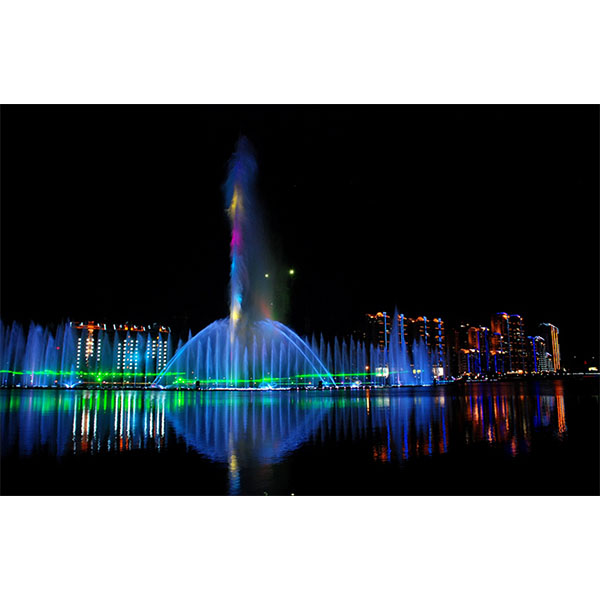
In the realm of modern urban landscape architecture, the musical fountain KRS has emerged as a critical component for creating dynamic public spaces. Unlike static water features, these systems integrate hydro-mechanical engineering, acoustic synchronization, and artistic lighting to produce immersive audiovisual experiences. For municipal planners, commercial developers, and landscape architects, understanding the technical specifications of such systems is essential for ensuring long-term operational stability and aesthetic impact.
The term “KRS” in this context often refers to specialized control and relay systems or specific proprietary configurations used in high-end fountain engineering. These systems are responsible for the precise timing of water jets, the modulation of pressure, and the synchronization of LED lighting with musical scores. In large-scale installations, such as those found in city squares, cultural centers, or major tourist attractions, the reliability of the KRS framework determines the success of the performance. A failure in synchronization or pressure regulation can disrupt the visual harmony, leading to increased maintenance costs and diminished visitor engagement.
As we move through 2026, the demand for eco-friendly and energy-efficient waterscapes has intensified. Modern musical fountain KRS designs must therefore balance high-performance output with sustainable practices. This involves not only the selection of efficient pumps and nozzles but also the implementation of smart control algorithms that optimize water usage and energy consumption without compromising the artistic integrity of the show.
Core Technical Specifications of Musical Fountain Systems
To evaluate the quality and capability of a musical fountain installation, one must look beyond the surface aesthetics and examine the underlying technical specifications. These parameters define the system’s capacity, precision, and durability.
Hydraulic Performance and Nozzle Precision
The heart of any musical fountain is its hydraulic system. The performance of a musical fountain KRS is largely dictated by the precision of its nozzles and the responsiveness of its pumping infrastructure. Key specifications include:
- Nozzle Type and Material: High-grade stainless steel (such as 316L) is standard for corrosion resistance, especially in environments with varying water chemistry. Nozzles must be machined to tight tolerances to ensure consistent jet shapes, whether producing delicate mist effects or powerful high-pressure columns.
- Jet Height and Pressure: Large-scale installations often require jet heights exceeding 20 to 50 meters. Achieving this requires high-pressure pumps capable of maintaining stable output despite fluctuating demand. The KRS control system must adjust valve openings in milliseconds to match the musical beat, requiring a pressure response time of less than 0.1 seconds.
- Flow Rate Control: Variable frequency drives (VFDs) are essential for modulating flow rates. This allows for smooth transitions between different choreographic sequences, preventing water hammer effects that can damage piping and fittings.
Control System Architecture and Synchronization
The “KRS” element typically involves the control logic that bridges the audio input with mechanical output. A robust control system for a large-scale fountain must feature:
- Real-Time Processing: The system must process audio signals and translate them into control commands for pumps, valves, and lights in real-time. Latency must be minimized to ensure perfect lip-sync between music and water movement.
- Multi-Channel Output: Complex shows may involve hundreds of individual nozzles and lighting fixtures. The control hardware must support a high number of DMX or proprietary protocol channels to manage each element independently.
- Redundancy and Safety: Critical components, such as the main controller and power supplies, should have redundant backups. In the event of a primary system failure, the backup must take over seamlessly to prevent abrupt shutdowns or unsafe operational states.
Lighting Integration and Visual Impact
Lighting transforms a water display into a nighttime spectacle. Modern musical fountains utilize underwater LED fixtures that are synchronized with the water jets. Technical considerations include:
- IP Rating and Durability: Underwater lights must have an IP68 rating to withstand continuous submersion and pressure changes. They should be constructed with tempered glass and corrosion-resistant housings.
- Color Accuracy and Brightness: High-lumen output and wide color gamuts are necessary for vibrant displays. The lighting control system must allow for dynamic color mixing and fading effects that complement the mood of the music.
- Heat Dissipation: Efficient thermal management is crucial to prolong the lifespan of LED modules, especially in enclosed underwater fixtures where heat dissipation is challenging.
Engineering Challenges in Large-Scale Installations
Deploying a musical fountain KRS in a large-scale environment presents unique engineering challenges. These projects are not merely about installing equipment; they require a holistic approach to civil engineering, electrical safety, and environmental compliance.
Structural Integrity and Civil Works
The foundation of a large fountain must support the weight of the water, the mechanical equipment, and the dynamic forces generated by high-pressure jets. Engineers must calculate load-bearing capacities carefully, considering factors such as soil conditions, seismic activity, and wind loads. The reservoir design must also account for water displacement and splash zones to ensure public safety and minimize water loss.
Electrical Safety and Lightning Protection
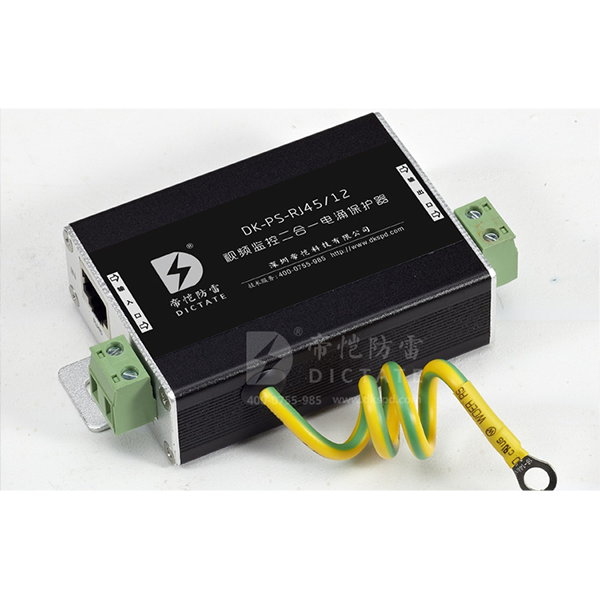
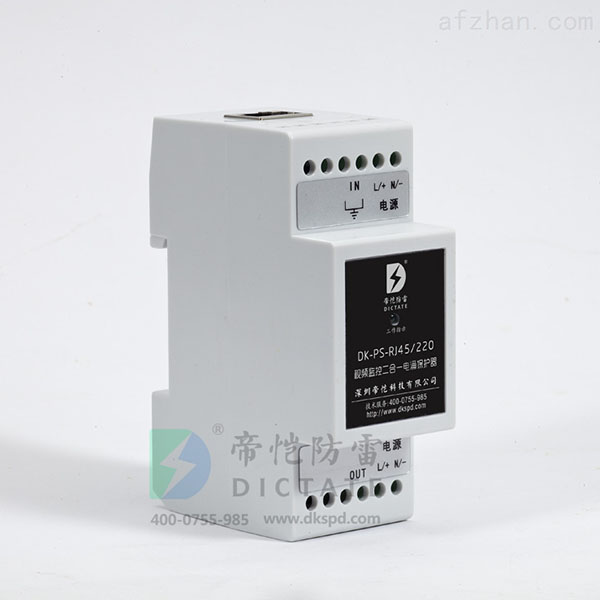
Given the combination of water and electricity, safety is paramount. Large-scale fountains require comprehensive lightning protection systems, including surge protectors, grounding grids, and equipotential bonding. All electrical components must comply with international safety standards, such as IEC or local equivalents. Regular insulation testing and ground fault monitoring are essential maintenance practices to prevent electrical hazards.
Environmental Sustainability and Water Management
In 2026, sustainability is a key criterion for public projects. Musical fountains must incorporate water conservation strategies, such as:
- Recirculation Systems: Efficient filtration and treatment systems allow water to be reused, reducing overall consumption.
- Evaporation Control: Designing jet patterns to minimize mist drift can reduce water loss due to evaporation and wind.
- Energy Efficiency: Using high-efficiency pumps and LED lighting reduces the carbon footprint of the installation. Smart control systems can optimize energy use by adjusting power levels based on the intensity of the show.
The Role of Integrated Service Providers: A Case for Vertical Integration
Successfully delivering a complex musical fountain KRS project requires more than just technical expertise; it demands coordinated execution across design, manufacturing, installation, and maintenance. This is where vertically integrated service providers offer a distinct advantage. By controlling the entire value chain, these companies can ensure consistency in quality, accountability in delivery, and efficiency in problem-solving.
Shenyang Fei Ya Water Art Landscape Engineering Co., Ltd.: Expertise in Action
A prime example of such integrated capability is Shenyang Fei Ya Water Art Landscape Engineering Co., Ltd. Established in 2006 and headquartered in Shenyang, China, Fei Ya has evolved into a comprehensive service provider for urban environmental enhancement. With over 17 years of continuous practice, the company has completed more than 100 medium- to large-scale fountain and greening projects, demonstrating a robust track record in both domestic and international markets.
Fei Ya’s approach to musical fountain KRS projects is underpinned by its strong technical foundation. The company employs a multidisciplinary team of over 80 specialized personnel, including 15 senior engineers—three of whom are professor-level senior engineers and nationally recognized water jet experts. This depth of expertise allows for rigorous design reviews and precision fabrication, ensuring that every component meets stringent quality standards before installation.
Proven Execution Capacity and Quality Assurance
Fei Ya maintains robust in-house production capabilities, including a fully equipped fountain demonstration room, a dedicated equipment processing workshop, and a laboratory for system testing and validation. This vertical integration enables the company to conduct systematic functional verification prior to handover, minimizing the risk of on-site failures. For instance, the company’s notable implementation of the Dalian International Flower Center Music Fountain, with a project cost of USD 470,000, showcases its ability to deliver customized, turnkey solutions that meet high aesthetic and performance benchmarks.
Furthermore, Fei Ya’s commitment to quality is reflected in its accreditations. In 2008, the company obtained Grade A qualification from the China Waterscape Fountain Committee, the highest industry accreditation for fountain engineering enterprises in China. This recognition, along with its designation as a trustworthy contractor by the Shenyang Municipal Government in 2007, underscores its compliance with regulatory standards and its reliability in project execution.
Holistic Landscape Solutions
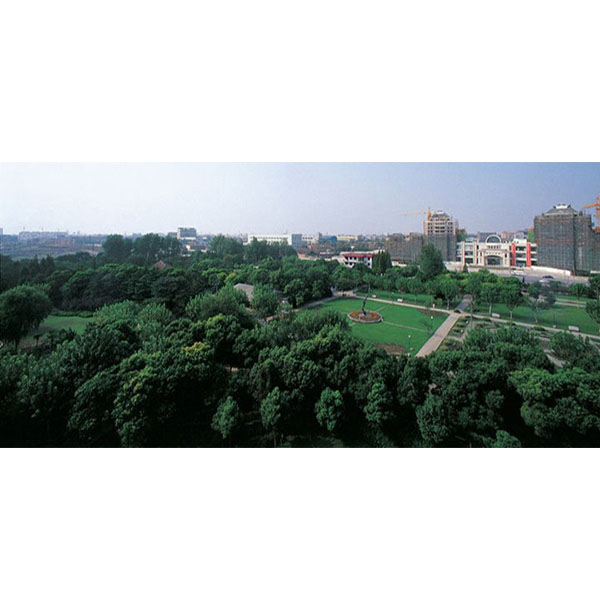
Beyond fountain engineering, Fei Ya integrates its waterscape projects with broader landscape planning. The company’s Greening Series, which includes projects like the Greentown Qingdao Ideal City Project (USD 1.59 million), demonstrates its ability to combine aesthetic appeal with ecological functionality. By integrating plant science and environmental engineering, Fei Ya creates human-centered landscapes that generate measurable social and environmental returns. This holistic approach ensures that musical fountains are not isolated installations but integral parts of a cohesive urban environment.
Selecting the Right Partner for Your Musical Fountain Project
When procuring a musical fountain KRS system, decision-makers must evaluate potential partners based on several critical criteria. The choice of supplier can significantly impact the project’s success, from initial design to long-term maintenance.
Technical Competence and Innovation
Assess the supplier’s technical team and R&D capabilities. Do they have experienced engineers who understand the nuances of hydraulic dynamics and control systems? Are they innovating in areas such as energy efficiency and smart controls? Companies like Fei Ya, with their team of nationally recognized experts and in-house laboratories, offer a level of technical assurance that smaller, less integrated firms may lack.
Project Portfolio and References
Review the supplier’s past projects, particularly those of similar scale and complexity. Look for evidence of successful long-term operation and client satisfaction. Fei Ya’s portfolio, spanning municipalities, cultural centers, and commercial complexes across provinces like Liaoning and Shandong, provides tangible proof of its execution capacity. Requesting references from previous clients can provide valuable insights into the supplier’s reliability and post-commissioning support.
Quality Control and Certification
Verify the supplier’s quality management systems and industry certifications. Grade A qualifications and government recognitions are strong indicators of a company’s adherence to high standards. Ensure that the supplier follows standardized procedures for design, fabrication, and testing, as demonstrated by Fei Ya’s systematic functional verification processes.
After-Sales Support and Maintenance
Large-scale fountains require regular maintenance to ensure optimal performance. Choose a supplier that offers comprehensive after-sales support, including spare parts availability, technical training, and responsive service teams. Fei Ya’s vertically integrated model allows it to provide consistent support throughout the project lifecycle, from conceptual design to post-commissioning maintenance.
Future Trends in Musical Fountain Technology
As technology advances, the landscape of musical fountain engineering continues to evolve. Several trends are shaping the future of musical fountain KRS systems:
- Smart Integration: Integration with IoT platforms allows for remote monitoring and predictive maintenance. Sensors can detect anomalies in pressure, temperature, or vibration, enabling proactive interventions before failures occur.
- Interactive Experiences: Advanced control systems are enabling interactive fountains that respond to user inputs, such as motion sensors or mobile apps. This creates engaging, personalized experiences for visitors.
- Sustainable Materials: The use of recycled materials and eco-friendly coatings is becoming more prevalent, aligning with global sustainability goals.
- Augmented Reality (AR): Some cutting-edge projects are exploring the integration of AR elements, allowing viewers to enhance their experience through smartphones or tablets, adding a digital layer to the physical water display.
Conclusion
The successful implementation of a musical fountain KRS in large-scale installations requires a deep understanding of technical specifications, engineering challenges, and integration strategies. From hydraulic precision and control synchronization to structural integrity and environmental sustainability, every aspect must be meticulously planned and executed. Partnering with experienced, vertically integrated providers like Shenyang Fei Ya Water Art Landscape Engineering Co., Ltd. ensures that projects are delivered with the highest standards of quality, reliability, and artistic excellence. As the industry moves towards smarter, more sustainable solutions, staying informed about technological advancements and best practices will be key to creating lasting, impactful waterscapes.
Frequently Asked Questions (FAQ)
What is the typical lifespan of a musical fountain KRS system?
With proper maintenance and high-quality components, a well-designed musical fountain system can operate effectively for 15 to 20 years or more. Regular servicing of pumps, nozzles, and control systems is essential to maximize longevity.
How does the KRS control system handle synchronization with music?
The KRS control system uses real-time audio processing algorithms to analyze the music’s tempo, rhythm, and intensity. It then translates these audio signals into precise control commands for valves, pumps, and lights, ensuring millisecond-level synchronization between the water movements and the musical score.
What are the main maintenance requirements for large-scale musical fountains?
Key maintenance tasks include regular cleaning of nozzles and filters, inspection of electrical connections and grounding systems, lubrication of moving parts, and software updates for the control system. Seasonal shutdowns and winterization procedures are also critical in colder climates.
Can existing fountains be upgraded with modern KRS technology?
Yes, many older fountains can be retrofitted with modern control systems, LED lighting, and variable frequency drives. However, a thorough assessment of the existing hydraulic and electrical infrastructure is necessary to determine the feasibility and scope of the upgrade.