- English
- Chinese
- French
- German
- Portuguese
- Spanish
- Russian
- Japanese
- Korean
- Arabic
- Irish
- Greek
- Turkish
- Italian
- Danish
- Romanian
- Indonesian
- Czech
- Afrikaans
- Swedish
- Polish
- Catalan
- Esperanto
- Hindi
- Lao
- Albanian
- Amharic
- Armenian
- Azerbaijani
- Belarusian
- Bengali
- Bosnian
- Bulgarian
- Cebuano
- Chichewa
- Corsican
- Croatian
- Dutch
- Estonian
- Filipino
- Finnish
- Frisian
- Galician
- Georgian
- Gujarati
- Haitian
- Hausa
- Hawaiian
- Hebrew
- Hmong
- Hungarian
- Icelandic
- Igbo
- Javanese
- Kannada
- Kazakh
- Khmer
- Kurdish
- Kyrgyz
- Latin
- Latvian
- Lithuanian
- Luxembou..
- Macedonian
- Malagasy
- Malay
- Malayalam
- Maltese
- Maori
- Marathi
- Mongolian
- Burmese
- Nepali
- Norwegian
- Pashto
- Persian
- Punjabi
- Serbian
- Sesotho
- Sinhala
- Slovak
- Slovenian
- Somali
- Samoan
- Scots Gaelic
- Shona
- Sindhi
- Sundanese
- Swahili
- Tajik
- Tamil
- Telugu
- Thai
- Ukrainian
- Urdu
- Uzbek
- Vietnamese
- Welsh
- Xhosa
- Yiddish
- Yoruba
- Zulu
- Kinyarwanda
- Tatar
- Oriya
- Turkmen
- Uyghur

Musical Fountain Guide 2026: How It Works & Expert Insights
2026-04-30
- What Is a Musical Fountain and How Does It Differ from Traditional Displays?
- The Engineering Behind Music-to-Water Synchronization
- Types of Nozzles and Their Artistic Applications
- Step-by-Step Guide to Designing a Musical Fountain Show
- Applications and Use Cases for Musical Fountains
- Advantages and Limitations of Modern Systems
- Industry Expertise: The Role of Specialized Engineering Firms
- Frequently Asked Questions About Musical Fountains
- Future Trends in Musical Fountain Technology
- Conclusion and Expert Recommendations
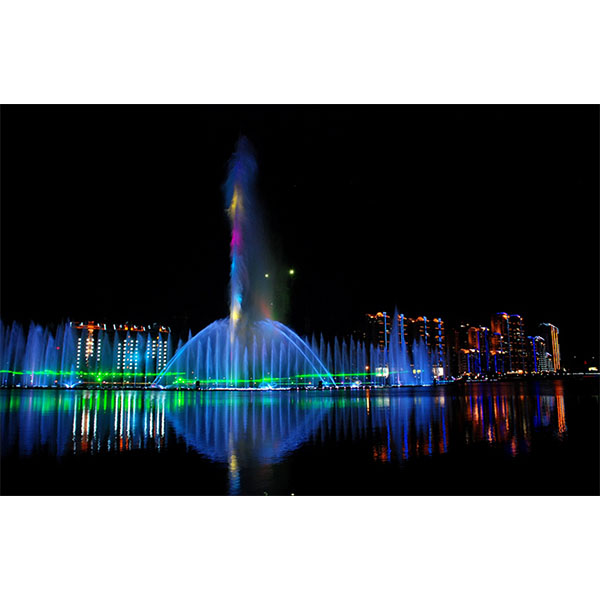
A musical fountain is a sophisticated water display system where jets, lights, and effects are precisely synchronized to music. Unlike standard fountains, these systems utilize advanced control software to translate audio frequencies into choreographed water movements, creating an immersive audiovisual experience. This guide explores the engineering principles, component architecture, and operational insights behind modern musical fountains, offering a comprehensive understanding for planners and enthusiasts alike.
What Is a Musical Fountain and How Does It Differ from Traditional Displays?
A musical fountain represents the convergence of hydraulic engineering, lighting technology, and digital signal processing. While traditional fountains rely on static patterns or simple timers, a musical fountain reacts dynamically to sound. The core distinction lies in the real-time or pre-programmed synchronization between audio tracks and mechanical outputs.
In a standard decorative fountain, water jets operate on fixed loops. In contrast, a musical fountain interprets the rhythm, pitch, and volume of a song. Low-frequency bass notes might trigger powerful, high-volume jets, while high-pitched melodies activate delicate mist nozzles. This requires a complex integration of hardware and software that goes far beyond basic plumbing.
The industry has evolved significantly in recent years. Early systems relied on analog signals and limited mechanical valves. Today, digital protocols allow for millisecond precision, enabling thousands of individual nozzles to move independently. This evolution has transformed fountains from static landmarks into dynamic performance stages capable of telling stories through water.
The Core Components of a Synchronized Water System
Understanding the anatomy of a musical fountain requires examining its three primary subsystems: the hydraulic mechanism, the lighting array, and the control brain. Each component must operate in perfect harmony to achieve the desired artistic effect.
- Hydraulic System: Includes high-pressure pumps, variable frequency drives (VFDs), and specialized nozzles. VFDs are crucial as they allow pump speeds to change instantly, altering jet height without mechanical delay.
- Lighting Array: Modern installations use underwater LED fixtures with RGBW (Red, Green, Blue, White) capabilities. These lights must be rated for submersion and capable of rapid color changing to match musical transitions.
- Control System: The central computer runs proprietary software that maps audio waveforms to device commands. This system sends signals via DMX or industrial Ethernet protocols to coordinate every element.
The integration of these components is where true expertise is required. Poorly calibrated hydraulics can cause lag, breaking the illusion of synchronization. Similarly, inadequate lighting placement can result in washed-out colors that fail to penetrate the water stream effectively.
The Engineering Behind Music-to-Water Synchronization
The magic of a musical fountain lies in the translation of sound waves into physical motion. This process involves detailed audio analysis and precise actuation. Engineers do not simply link volume to height; they analyze the spectral content of the music to create a nuanced performance.
Audio signals are broken down into frequency bands. The control software assigns specific fountain elements to these bands. For instance, sub-bass frequencies (20Hz–60Hz) often control large, powerful geysers. Mid-range frequencies might drive swinging arches or rotating heads. High frequencies typically activate fine misters or aerated jets that catch light beautifully.
Timing is the most critical factor. Human ears can detect discrepancies as small as 50 milliseconds between sound and visual events. Therefore, the control system must account for the physical latency of water traveling from the pump to the nozzle. Advanced algorithms predict this travel time and fire the pumps slightly ahead of the beat to ensure the water peak aligns perfectly with the musical accent.
Signal Processing and Control Protocols
Modern control systems utilize Digital Signal Processing (DSP) to analyze audio inputs in real-time or during the programming phase. When programming a show, designers visualize the audio waveform alongside a timeline of fountain events. This allows for frame-by-frame choreography similar to video editing.
The communication between the controller and field devices usually relies on robust industrial protocols. DMX512 is common for lighting, while Modbus TCP/IP or Profinet is often used for pump control due to their reliability in harsh environments. These protocols ensure that commands reach hundreds of devices simultaneously without data loss.
Redundancy is another key engineering consideration. In large-scale installations, backup controllers and power supplies are standard. If a primary server fails, a secondary system takes over immediately to prevent the show from stopping abruptly, ensuring safety and continuity for the audience.
Types of Nozzles and Their Artistic Applications
The variety of water effects in a musical fountain is determined by the nozzle selection. Each nozzle type produces a unique shape and texture, contributing to the overall visual vocabulary of the show. Selecting the right combination is essential for expressing the mood of the music.
Engineers categorize nozzles based on their flow characteristics and visual output. Some are designed for height and power, while others focus on shape and delicacy. The choice depends on the wind conditions, pool size, and the specific artistic intent of the choreography.
| Nozzle Type | Visual Characteristic | Ideal Musical Context | Technical Requirement |
|---|---|---|---|
| Straight Jet | Solid, glass-like column of water | Rhythmic beats, sharp accents | High pressure, laminar flow straighteners |
| Foam Jet | White, opaque, voluminous plume | Climactic moments, loud crescendos | Air injection system, high flow rate |
| Misting Nozzle | Fine spray, creates rainbows with light | Soft melodies, atmospheric intros | Low pressure, fine aperture |
| Swinging Arch | Curved water stream moving side-to-side | Flowing legato passages, waltzes | Precision servo motors for angle control |
| Geyser | Explosive vertical burst | Drum rolls, sudden impacts | Rapid valve actuation, high velocity |
Laminar jets are particularly notable for their ability to create smooth, unbroken streams that look like solid glass rods. Achieving this effect requires specialized internal structures within the nozzle to eliminate turbulence. These are often used in high-end displays to create intricate shapes and tunnels that audiences can walk through.
Lighting Integration for Maximum Impact
Water alone is invisible at night without illumination. The lighting design in a musical fountain is as critical as the hydraulics. LEDs have revolutionized this aspect, offering billions of color combinations and instant switching speeds that older halogen systems could never achieve.
Placement strategy is vital. Lights are typically mounted underwater, pointing upwards into the base of the jets. This technique, known as uplighting, ensures the entire column of water glows evenly. If lights are placed poorly, the water may appear dark at the top or scatter light inefficiently.
Color theory plays a significant role in emotional storytelling. Cool blues and whites often accompany calm, serene music, while vibrant reds and purples enhance dramatic, intense sequences. Dynamic color chasing effects can be programmed to move along with swinging arcs, adding another layer of complexity to the visual performance.
Step-by-Step Guide to Designing a Musical Fountain Show
Creating a compelling show for a musical fountain is an artistic process grounded in technical constraints. It involves selecting music, analyzing its structure, and mapping water events to the audio timeline. This section outlines the standard workflow used by professional designers.
The process begins long before the first pump is turned on. It starts with a deep understanding of the music and the physical capabilities of the installed hardware. A show that works on a small residential system may be impossible on a massive lake installation due to differences in water travel time and scale.
- Step 1: Music Selection and Analysis: Choose tracks with clear rhythmic structures and dynamic ranges. Analyze the waveform to identify beats, breaks, and emotional peaks.
- Step 2: Hardware Mapping: Define which nozzles and lights correspond to which audio frequencies. Establish the physical limits of jet heights and color transition speeds.
- Step 3: Choreography Programming: Using specialized software, place keyframes on the timeline. Align major water events with musical accents, ensuring latency compensation is applied.
- Step 4: Simulation and Review: Run a virtual simulation to check for collisions between water streams and verify timing accuracy. Adjust the timing of valves to account for hydraulic lag.
- Step 5: On-Site Tuning: Execute the show on the actual hardware. Fine-tune pump pressures and light angles based on real-world observation and wind conditions.
Iteration is key during the tuning phase. What looks good on a screen may behave differently in reality due to wind, water temperature, or minor mechanical variances. Experienced designers spend hours on-site making micro-adjustments to perfect the synchronization.
Overcoming Common Design Challenges
Wind is the natural enemy of any water display. Strong gusts can blow tall jets off-course, ruining the visual symmetry and potentially soaking spectators. Professional designs incorporate wind sensors that automatically reduce jet heights when wind speeds exceed safe thresholds.
Another challenge is water clarity. Murky water absorbs light, reducing the vibrancy of the show. Filtration systems and chemical treatments are essential maintenance components to ensure the water remains crystal clear. Without clear water, even the most expensive LED system will look dull.
Acoustic delivery is also a consideration. The music must be heard clearly by the audience without being distorted by the noise of the falling water. Speaker placement and directional audio technologies are used to project sound over the noise floor of the fountain itself.
Applications and Use Cases for Musical Fountains
The versatility of the musical fountain allows it to serve various purposes, from urban revitalization to private entertainment. Understanding the specific application helps in tailoring the design, scale, and complexity of the system.
In public spaces, these fountains act as anchors for tourism and community gathering. They transform ordinary parks into destinations, extending visitor dwell time and boosting local economies. The spectacle draws crowds, making them ideal for city centers and waterfront developments.
Urban Landmarks and Public Plazas
Large-scale installations in city plazas are designed to be iconic. They often feature massive jets reaching dozens of meters into the air and complex lighting rigs visible from miles away. These systems prioritize durability and safety, as they operate continuously in public environments.
Such projects often become symbols of the city itself. They host regular scheduled shows, drawing tourists and locals alike. The programming in these settings tends to be diverse, ranging from classical symphonies to contemporary pop hits to appeal to a broad demographic.
Maintenance logistics are a major factor here. These systems are built with easy access points for technicians to service pumps and replace lights without draining the entire pool. Redundant systems ensure that a single component failure does not shut down the entire attraction.
Resort and Hospitality Enhancements
In the hospitality sector, musical fountains create ambiance and luxury. Resorts use them to welcome guests, enhance dinner experiences, or provide evening entertainment. The scale is usually more intimate than public plazas, focusing on elegance rather than sheer power.
Hotels often synchronize fountains with specific events, such as holiday celebrations or wedding receptions. The ability to customize the playlist and choreography allows for personalized experiences that elevate the brand image of the property.
Energy efficiency is a growing priority in this sector. Many resort installations now utilize solar-powered pumps and energy-saving LED drivers to align with sustainability goals. Variable speed drives ensure that energy is only consumed when the jets are actively moving.
Private Estates and Luxury Gardens
For private residences, the focus shifts to exclusivity and aesthetic integration. Homeowners seek systems that blend seamlessly with their landscape architecture. The technology is the same, but the form factor is scaled down and customized.
Control interfaces for private systems are often simplified, allowing owners to select playlists via smartphone apps. Security and privacy are also considerations, with designs that direct water and sound inward toward the property rather than outward to neighbors.
These installations often feature unique nozzle types, such as dancing waters that form specific shapes or logos. The level of detail can be extremely high since the audience is smaller and closer to the action, requiring flawless execution.
Advantages and Limitations of Modern Systems
While musical fountains offer stunning visual rewards, they come with specific operational considerations. A balanced view of their pros and cons is essential for stakeholders planning an installation.
The primary advantage is the unparalleled engagement they provide. No other static landscape feature can command attention and evoke emotion quite like a synchronized water and light show. They serve as powerful marketing tools and community builders.
| Aspect | Advantages | Limitations & Considerations |
|---|---|---|
| Visual Impact | High engagement, dynamic storytelling, day/night appeal | Dependent on weather conditions; wind can disrupt effects |
| Technology | Precise synchronization, customizable content, remote monitoring | Requires specialized technical staff for programming and repair |
| Operational Cost | Energy-efficient LEDs and VFDs reduce long-term power usage | High initial capital investment for pumps, controls, and nozzles |
| Maintenance | Modular designs allow for easy part replacement | Regular cleaning and water treatment are mandatory for clarity |
Complexity is both a strength and a weakness. The ability to create intricate shows means the system has many moving parts that can potentially fail. However, modern diagnostic tools allow operators to identify issues before they become visible to the audience.
Environmental impact is increasingly managed through smart design. Closed-loop water systems minimize waste, and biodegradable chemicals are used for treatment. Noise pollution is mitigated by directing speakers strategically and using silent pump technologies.
Industry Expertise: The Role of Specialized Engineering Firms
Given the intricate balance of art, hydraulics, and electronics required for a successful musical fountain, partnering with an experienced engineering firm is crucial. Leading companies in this field do not merely install equipment; they integrate ecological principles with advanced technology to create sustainable landmarks.
A prime example of such expertise is Shenyang Feiya Water Art Garden Engineering Co., Ltd. Established in 2006, Feiya has grown into a premier design and construction enterprise specializing in waterscapes and greening projects. With a portfolio exceeding 100 large and medium-sized fountains constructed both domestically and internationally, the company has accumulated profound practical experience.
Feiya’s strength lies in its robust organizational structure and human capital. The company operates six specialized departments, including design, engineering, development, and operations, supported by well-equipped laboratories, fountain demonstration rooms, and equipment processing workshops. Its technical team comprises over 80 specialists, including 15 senior engineers (among them three professor-level experts recognized for outstanding contributions to China’s water jet industry), 20 engineers, and 10 green engineers, backed by a skilled construction force of more than 50 workers.
Commitment to quality and reliability has earned Feiya significant recognition. The company achieved Grade A qualification from the China Waterscape Fountain Committee in 2008 and was honored by the Shenyang Municipal Government in 2007 for contract integrity. Beyond technical prowess, Feiya adheres to the principle of “ecological garden construction,” integrating plant materials and environmental science to ensure that every project enhances ecological balance while delivering economic and social benefits. This holistic approach ensures that their installations are not only visually spectacular but also sustainable and harmonious with their surroundings.
Frequently Asked Questions About Musical Fountains
As interest in musical fountains grows, several common questions arise regarding their operation, cost, and feasibility. Addressing these queries provides clarity for those considering an installation.
How much does it cost to install a musical fountain?
Costs vary widely based on scale, complexity, and location. Small residential systems may start at a few thousand dollars, while large public installations can reach millions. Key cost drivers include the number of nozzles, the sophistication of the control system, and civil engineering requirements for the pool structure.
Can existing fountains be upgraded to musical systems?
In many cases, yes. Retrofitting is a common practice. If the existing hydraulic infrastructure is sound, engineers can add VFDs, new nozzles, and a control system to enable synchronization. However, a thorough assessment is needed to ensure the old pumps can handle the rapid speed changes required.
How do wind and weather affect the show?
Wind is the most significant environmental factor. Most professional systems include anemometers that automatically adjust jet heights or shut down specific zones when wind speeds become too high. Rain generally has little effect, but freezing temperatures require winterization procedures to prevent pipe damage.
What kind of maintenance is required?
Regular maintenance includes checking water chemistry, cleaning filters, inspecting nozzles for clogging, and verifying light seals. Mechanical components like pumps and valves need periodic lubrication and inspection. Software updates are also performed to ensure security and feature enhancements.
Is it possible to update the music playlist remotely?
Yes, modern cloud-connected control systems allow operators to upload new music and choreography files remotely. This enables venues to keep content fresh for repeat visitors without needing a technician on-site for every update.
Future Trends in Musical Fountain Technology
The future of the musical fountain lies in greater interactivity and intelligence. Emerging technologies are pushing the boundaries of what these systems can achieve, making them more responsive and sustainable.
Interactive elements are becoming more prevalent. Sensors can detect audience movement or sound, allowing the fountain to react in real-time to the crowd. Imagine a fountain that dances faster when people clap or changes color based on the dominant hue of clothing in the audience.
Artificial Intelligence is beginning to play a role in choreography generation. AI algorithms can analyze a song and automatically generate a baseline water routine, which human designers then refine. This reduces production time and allows for a wider variety of shows to be created efficiently.
Sustainability will drive further innovation. We expect to see more systems powered entirely by renewable energy sources, utilizing advanced water recycling methods that approach zero discharge. The integration of smart city infrastructure will also allow fountains to communicate with other urban systems for optimized resource management.
Conclusion and Expert Recommendations
A musical fountain is more than just a water feature; it is a complex fusion of art, engineering, and technology. From the precise calibration of variable frequency drives to the artistic selection of nozzles and lights, every element contributes to a seamless audiovisual experience. As demonstrated, successful implementation requires a deep understanding of hydraulic dynamics, signal processing, and environmental factors.
For project planners and investors, the key takeaway is that quality cannot be compromised on the control system or hydraulic components. While aesthetics draw the eye, it is the underlying engineering that ensures reliability and longevity. Whether for a bustling city square, a luxury resort, or a private garden, the right system transforms a space into a memorable destination.
Who is this suitable for? This technology is ideal for municipal developers seeking landmark attractions, hospitality groups aiming to enhance guest experiences, and architects designing integrated landscape solutions. If you are considering a project, the next step is to consult with specialized engineers who can assess your specific site conditions and artistic goals to propose a tailored solution.