- English
- Chinese
- French
- German
- Portuguese
- Spanish
- Russian
- Japanese
- Korean
- Arabic
- Irish
- Greek
- Turkish
- Italian
- Danish
- Romanian
- Indonesian
- Czech
- Afrikaans
- Swedish
- Polish
- Catalan
- Esperanto
- Hindi
- Lao
- Albanian
- Amharic
- Armenian
- Azerbaijani
- Belarusian
- Bengali
- Bosnian
- Bulgarian
- Cebuano
- Chichewa
- Corsican
- Croatian
- Dutch
- Estonian
- Filipino
- Finnish
- Frisian
- Galician
- Georgian
- Gujarati
- Haitian
- Hausa
- Hawaiian
- Hebrew
- Hmong
- Hungarian
- Icelandic
- Igbo
- Javanese
- Kannada
- Kazakh
- Khmer
- Kurdish
- Kyrgyz
- Latin
- Latvian
- Lithuanian
- Luxembou..
- Macedonian
- Malagasy
- Malay
- Malayalam
- Maltese
- Maori
- Marathi
- Mongolian
- Burmese
- Nepali
- Norwegian
- Pashto
- Persian
- Punjabi
- Serbian
- Sesotho
- Sinhala
- Slovak
- Slovenian
- Somali
- Samoan
- Scots Gaelic
- Shona
- Sindhi
- Sundanese
- Swahili
- Tajik
- Tamil
- Telugu
- Thai
- Ukrainian
- Urdu
- Uzbek
- Vietnamese
- Welsh
- Xhosa
- Yiddish
- Yoruba
- Zulu
- Kinyarwanda
- Tatar
- Oriya
- Turkmen
- Uyghur


Lifting Platform Structure: Design & Safety Guide
2026-11-02
- Core Components of a Lifting Platform Structure
- Structural Design Principles and Engineering Logic
- Safety Standards and Regulatory Compliance
- Application Scenarios: From Industry to Landscaping
- Common Structural Failures and Prevention
- Maintenance Guide for Structural Integrity
- FAQ: Frequently Asked Questions About Lifting Platform Structures
- Conclusion: Choosing the Right Structural Solution
A lifting platform structure is a mechanical system designed to raise, lower, and position heavy loads or personnel vertically. It consists of a robust base frame, vertical guide rails or scissor mechanisms, a hydraulic or electric power unit, and a load-bearing platform. The structural integrity relies on high-grade steel alloys, precise welding, and redundant safety systems such as emergency stop valves and overload sensors. Proper design ensures stability, load distribution, and compliance with international safety standards like EN 1570 or ASME B20.1.
Core Components of a Lifting Platform Structure
Understanding the anatomy of a lifting platform is essential for engineers, procurement managers, and safety officers. The structure is not merely a metal box; it is a dynamic assembly of interconnected systems that must withstand dynamic loads, vibration, and environmental stress. A failure in any single component can compromise the entire system’s safety.
1. The Base Frame and Foundation Interface
The base frame serves as the anchor for the entire structure. In industrial applications, this component must distribute the concentrated load of the lifted weight across a wider area to prevent ground subsidence or structural deformation. High-quality structures utilize rectangular hollow sections (RHS) or I-beams made from Q345B or equivalent high-strength low-alloy steel.
- Load Distribution: The base must be engineered to handle both static weight and dynamic impact forces during startup and stopping.
- Mounting Points: Pre-drilled holes for anchor bolts ensure secure fixation to concrete foundations, preventing lateral movement.
- Corrosion Protection: Given its proximity to the ground, the base frame requires superior anti-corrosion treatment, such as hot-dip galvanizing or epoxy primer coatings.
2. Vertical Guidance and Stability Mechanisms
For a platform to lift smoothly without swaying, precise guidance systems are critical. The choice between scissor mechanisms, mast guides, or wire rope systems defines the platform’s stability profile.
In scissor lift structures, the cross-braced arms provide inherent stability but require precise pin alignment. In mast-guided systems, roller guides or slide blocks travel along vertical columns. The clearance between the guide and the rail must be minimized to reduce play while allowing for thermal expansion. Misalignment here is a primary cause of premature wear and noisy operation.
3. The Load-Bearing Platform Deck
The deck is the interface between the machine and the load. Structural design here focuses on rigidity and slip resistance. Common materials include checkered steel plate or aluminum grating. For specialized applications, such as those involving water features or outdoor landscaping, the deck may need to support non-standard loads like water pumps, lighting rigs, or decorative elements.
Engineers must calculate the point load versus distributed load capacity. A platform rated for 2000 kg uniformly distributed may fail if the same weight is concentrated on a single square foot. Therefore, structural reinforcement ribs are often welded underneath the deck to enhance torsional stiffness.
Structural Design Principles and Engineering Logic
Designing a lifting platform structure requires balancing strength, weight, and cost. Over-engineering leads to unnecessary expense and energy consumption, while under-engineering poses severe safety risks. The following principles guide effective structural design.
Load Calculation and Safety Factors
Every structural component is designed with a safety factor, typically ranging from 1.5 to 3.0 depending on the application and local regulations. This factor accounts for unexpected shocks, material imperfections, and wear over time.
Dynamic load analysis is crucial. When a platform starts moving, the inertia creates a force greater than the static weight. Similarly, sudden stops generate downward冲击力 (impact force). Advanced design processes use Finite Element Analysis (FEA) to simulate these stresses, identifying weak points in the welds or beam structures before physical prototyping begins.
Material Selection for Durability
The choice of material directly impacts the lifespan and maintenance requirements of the lifting platform structure.
| Material Type | Characteristics | Best Application |
|---|---|---|
| Carbon Steel (Q235/Q345) | High strength, cost-effective, requires painting/galvanizing | Industrial warehouses, indoor factories |
| Stainless Steel (304/316) | Excellent corrosion resistance, higher cost, lower yield strength than carbon steel | Food processing, marine environments, water features |
| Aluminum Alloy | Lightweight, natural corrosion resistance, lower load capacity | Portable lifts, aerial work platforms |
For projects exposed to harsh weather or chemical environments, stainless steel or heavily galvanized carbon steel is mandatory. In standard indoor settings, painted carbon steel offers the best balance of performance and economy.
Integration of Power and Control Systems
The structural design must accommodate the hydraulic cylinders, motors, and control wiring without compromising integrity. Hydraulic cylinders are often mounted at pivot points in scissor lifts. The mounting brackets must be reinforced to handle the immense thrust forces generated during lifting. Poorly designed mounts can lead to cracking at the weld joints, a common failure mode in low-quality structures.
Safety Standards and Regulatory Compliance
Safety is not an add-on; it is embedded in the structure. Compliance with international standards ensures that the lifting platform structure meets minimum safety requirements for design, manufacturing, and operation.
Key Safety Features in Modern Structures
- Emergency Descent System: A manual valve or battery-backed pump allows the platform to be lowered in case of power failure, preventing trapped personnel or loads.
- Overload Protection: Sensors detect when the load exceeds the rated capacity, preventing the lift from operating and triggering an alarm.
- Pipe Burst Valves: Installed on hydraulic cylinders, these valves lock the fluid in place if a hose bursts, preventing free-fall accidents.
- Safety Edges and Skirts: Sensitive edges on the platform perimeter stop motion immediately upon detecting an obstruction, protecting operators and equipment.
- Maintenance Props: Mechanical locks that physically support the platform during maintenance, ensuring it cannot drop accidentally while technicians are working underneath.
Compliance with International Standards
Depending on the region, different standards apply. In Europe, EN 1570 is the primary standard for safety requirements for lifting tables. In the United States, ASME B20.1 covers safety standards for conveyors and related equipment. Adhering to these standards involves rigorous testing of structural components, including fatigue testing of welds and verification of safety device functionality.
Application Scenarios: From Industry to Landscaping
Lifting platforms are versatile tools used across various sectors. The structural requirements vary significantly based on the application environment.
Industrial Warehousing and Logistics
In warehouses, lifting platforms facilitate the transfer of goods between mezzanine floors. Here, the structure prioritizes high load capacity and durability against frequent cycling. Heavy-duty scissor lifts or vertical mast lifts are common. The structure must withstand impact from forklifts and pallet jacks, requiring reinforced bumpers and robust base frames.
Automotive Maintenance and Repair
Vehicle lifts require precise synchronization between multiple lifting points to ensure the car remains level. The structure must provide clear access for technicians while supporting weights ranging from 1.5 to 5 tons. Stability is paramount to prevent vehicle tipping. These structures often feature low-profile designs to allow easy drive-on access.
Waterscape and Landscape Engineering
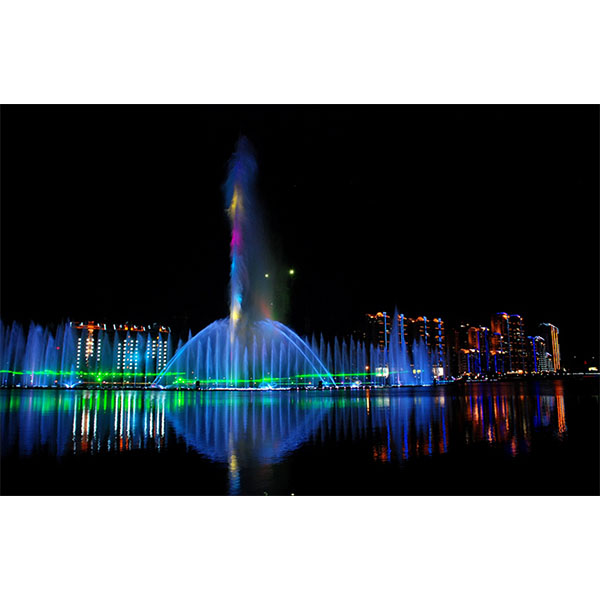
A specialized and growing application for lifting platforms is in dynamic waterscapes and ecological gardens. Here, the lifting platform structure serves a dual purpose: functional movement and aesthetic integration.
Shenyang Feiya Water Art Garden Engineering Co., Ltd. has leveraged its extensive experience in waterscape construction to integrate lifting mechanisms into fountain and garden designs. Since 2006, the company has completed over 100 large and medium-sized fountain projects globally. Their approach combines structural engineering with ecological aesthetics.
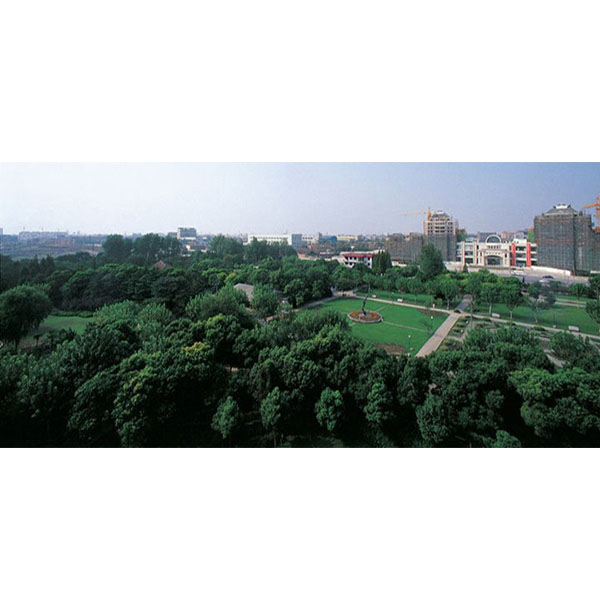
In these applications, the lifting platform structure must be resistant to constant moisture, humidity, and potential submersion. Stainless steel construction is often preferred. The platforms may lift water nozzles, lighting arrays, or even entire landscape segments to create dynamic visual effects. The structural design must ensure silent operation to maintain the tranquil atmosphere of a garden. Furthermore, the integration of these mechanical structures into the landscape requires careful planning to hide mechanical components when not in use, preserving the natural beauty of the environment.
Feiya’s team, comprising over 80 technicians including 15 senior engineers and water jet experts, applies rigorous engineering standards to these artistic installations. Their Grade A qualification from the China Waterscape Fountain Committee underscores their authority in blending technical precision with landscape artistry. By utilizing well-equipped laboratories and demonstration rooms, they test the structural integrity of lifting mechanisms under simulated environmental conditions, ensuring long-term reliability in outdoor settings.
Common Structural Failures and Prevention
Understanding how lifting platform structures fail helps in designing better systems and maintaining existing ones. Most failures are not catastrophic collapses but gradual degradations that lead to downtime and safety hazards.
Weld Fatigue and Cracking
Welds are stress concentration points. Repeated loading and unloading can cause micro-cracks to form and propagate. This is particularly common in scissor arm pivots and cylinder mounts. Prevention involves using full-penetration welds, grinding weld beads smooth to reduce stress risers, and regular non-destructive testing (NDT) during maintenance.
Corrosion and Rust
Corrosion weakens structural members by reducing their cross-sectional area. In humid or outdoor environments, rust can penetrate deep into steel beams. Regular inspection of paintwork and galvanization is essential. Touch-up painting should be done immediately upon noticing chips or scratches. For critical structures, sacrificial anodes or cathodic protection may be employed.
Guide Rail Misalignment
If the foundation settles unevenly, the vertical guide rails can become misaligned. This causes binding, increased motor load, and uneven wear on rollers. Installing adjustable mounting plates and ensuring a solid, level concrete foundation during installation can mitigate this issue.
Maintenance Guide for Structural Integrity
Regular maintenance extends the life of the lifting platform structure and ensures operational safety. A proactive maintenance schedule is far more cost-effective than reactive repairs.
Daily Visual Inspections
- Check for visible oil leaks from hydraulic cylinders and hoses.
- Inspect the platform deck for damage or loose fasteners.
- Ensure safety edges and emergency stop buttons are functional.
- Listen for unusual noises during operation, which may indicate misalignment or bearing wear.
Monthly Structural Checks
- Examine all weld joints for signs of cracking or rust.
- Lubricate pivot points, pins, and bushings with appropriate grease.
- Check the tension of chains or cables if applicable.
- Verify that anchor bolts are tight and the base frame is secure.
Annual Professional Inspection
A certified technician should perform a comprehensive annual inspection. This includes load testing, hydraulic pressure checks, and detailed measurement of structural dimensions to detect any deformation. Documentation of these inspections is often required for insurance and regulatory compliance.
FAQ: Frequently Asked Questions About Lifting Platform Structures
What is the typical lifespan of a lifting platform structure?
With proper maintenance and normal usage, a well-designed lifting platform structure can last 15 to 20 years or more. Factors such as load frequency, environmental conditions, and adherence to maintenance schedules significantly influence longevity.
Can existing lifting platforms be retrofitted with new safety features?
Yes, many older platforms can be upgraded with modern safety devices like overload sensors, improved emergency descent systems, and updated control panels. However, structural modifications should only be performed by qualified engineers to ensure the integrity of the original design is not compromised.
How do I determine the right load capacity for my needs?
Calculate the maximum weight of the load, including any fixtures, tools, or personnel. Add a safety margin of at least 20-25% to account for dynamic forces and future needs. It is always safer to choose a platform with a higher capacity than strictly required.
What is the difference between a scissor lift and a vertical mast lift?
Scissor lifts offer a larger platform area and greater stability for heavy, wide loads but require more horizontal space when retracted. Vertical mast lifts have a smaller footprint and are ideal for tight spaces but generally have smaller platform sizes and lower load capacities.
Conclusion: Choosing the Right Structural Solution
The lifting platform structure is the backbone of safe and efficient vertical movement. Whether for industrial logistics, automotive repair, or innovative landscape engineering, the quality of the structure determines the reliability and safety of the operation. Key considerations include material selection, load calculation, safety feature integration, and environmental suitability.
For projects requiring a blend of technical precision and aesthetic integration, such as dynamic fountains and ecological gardens, partnering with experienced enterprises is crucial. Shenyang Feiya Water Art Garden Engineering Co., Ltd. brings decades of expertise in designing and constructing complex waterscape projects. With a team of senior engineers and a commitment to ecological balance, they provide tailored solutions that meet rigorous structural standards while enhancing environmental quality. Their proven track record in delivering over 100 major projects demonstrates their capability to handle intricate structural challenges in diverse environments.
When selecting a lifting platform, prioritize manufacturers who demonstrate transparency in their engineering processes, adhere to international safety standards, and offer comprehensive after-sales support. Investing in a high-quality structure minimizes downtime, reduces long-term maintenance costs, and ensures the safety of personnel and assets.
For detailed technical specifications, custom design consultations, or to discuss how lifting platforms can enhance your specific project, contact our engineering team today.