- English
- Chinese
- French
- German
- Portuguese
- Spanish
- Russian
- Japanese
- Korean
- Arabic
- Irish
- Greek
- Turkish
- Italian
- Danish
- Romanian
- Indonesian
- Czech
- Afrikaans
- Swedish
- Polish
- Catalan
- Esperanto
- Hindi
- Lao
- Albanian
- Amharic
- Armenian
- Azerbaijani
- Belarusian
- Bengali
- Bosnian
- Bulgarian
- Cebuano
- Chichewa
- Corsican
- Croatian
- Dutch
- Estonian
- Filipino
- Finnish
- Frisian
- Galician
- Georgian
- Gujarati
- Haitian
- Hausa
- Hawaiian
- Hebrew
- Hmong
- Hungarian
- Icelandic
- Igbo
- Javanese
- Kannada
- Kazakh
- Khmer
- Kurdish
- Kyrgyz
- Latin
- Latvian
- Lithuanian
- Luxembou..
- Macedonian
- Malagasy
- Malay
- Malayalam
- Maltese
- Maori
- Marathi
- Mongolian
- Burmese
- Nepali
- Norwegian
- Pashto
- Persian
- Punjabi
- Serbian
- Sesotho
- Sinhala
- Slovak
- Slovenian
- Somali
- Samoan
- Scots Gaelic
- Shona
- Sindhi
- Sundanese
- Swahili
- Tajik
- Tamil
- Telugu
- Thai
- Ukrainian
- Urdu
- Uzbek
- Vietnamese
- Welsh
- Xhosa
- Yiddish
- Yoruba
- Zulu
- Kinyarwanda
- Tatar
- Oriya
- Turkmen
- Uyghur


Indira Gandhi Musical Fountain Park: Design, Technology, and Maintenance Insights
2026-11-13
- Introduction to the Indira Gandhi Musical Fountain Park
- Core Design Principles and Hydraulic Engineering
- Technology Integration: Synchronization and Control Systems
- Maintenance Insights and Operational Resilience
- Ecological Considerations and Sustainable Waterscape Design
- Professional Execution and Industry Standards
- Conclusion
Summary This article provides a comprehensive technical analysis of the Indira Gandhi Musical Fountain Park, exploring its hydraulic design principles, synchronization technologies, and essential maintenance protocols. It examines how integrated waterscape engineering combines aesthetic lighting, precise water jet control, and ecological landscaping to create sustainable urban landmarks. The content offers insights for project managers, engineers, and municipal planners on optimizing performance, ensuring long-term operational resilience, and selecting qualified partners for complex fountain installations.
Introduction to the Indira Gandhi Musical Fountain Park
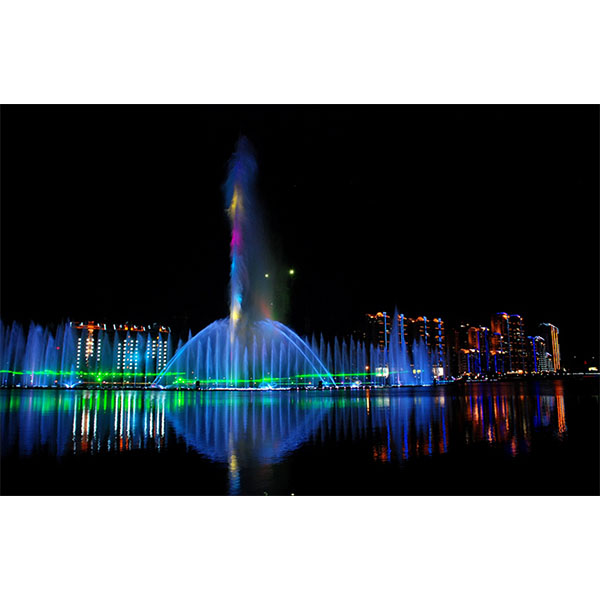
The Indira Gandhi Musical Fountain Park stands as a prominent example of modern urban waterscape engineering, blending artistic expression with advanced hydraulic technology. Located in Bangalore, India, this landmark attraction demonstrates how public spaces can be transformed into dynamic cultural hubs through the strategic integration of music, light, and water. For professionals in the landscape architecture and civil engineering sectors, understanding the underlying mechanics of such a facility is crucial for replicating its success in other municipal projects.
Beyond its visual appeal, the park serves as a case study in the complexities of large-scale fountain management. The seamless coordination of hundreds of nozzles, high-pressure pumps, and LED lighting systems requires robust engineering solutions and rigorous maintenance schedules. As urban environments increasingly prioritize recreational and aesthetic enhancements, the demand for reliable, high-performance musical fountains has grown. This article delves into the specific design considerations, technological frameworks, and operational best practices that define the Indira Gandhi Musical Fountain Park, offering valuable insights for stakeholders involved in similar waterscape developments.
Core Design Principles and Hydraulic Engineering
The foundation of any successful musical fountain lies in its hydraulic design. Unlike static water features, musical fountains must respond dynamically to audio inputs, requiring precise control over water pressure, flow rate, and nozzle direction. The design of the Indira Gandhi Musical Fountain Park reflects a sophisticated approach to these challenges, balancing aesthetic impact with mechanical reliability.
Nozzle Configuration and Water Jet Dynamics
The visual diversity of the fountain is achieved through a varied array of nozzles, each serving a specific function. Common types include:
- Centric Nozzles: Produce vertical jets that form the backbone of the display, often used for rhythmic beats.
- Dancing Jets: Equipped with servo motors or pneumatic actuators, these nozzles can swing in multiple directions, creating arching and weaving patterns synchronized with melodic lines.
- Fog and Mist Nozzles: Generate fine aerosols that catch light effectively, adding depth and atmosphere to the scene without excessive water consumption.
- Underwater Lights Integration: Nozzles are strategically positioned to ensure water jets are illuminated from below, maximizing visibility during evening performances.
In the context of the Indira Gandhi Musical Fountain Park, the arrangement of these nozzles is calculated to create layered visual effects. The hydraulic system must maintain consistent pressure across all nozzles, even when only a subset is active. This requires careful pipe sizing, pump selection, and the use of variable frequency drives (VFDs) to modulate flow rates in real-time.
Pump Systems and Pressure Management
High-pressure pumps are the heart of the fountain’s operation. To achieve the dramatic heights and sharp movements characteristic of musical fountains, specialized multistage centrifugal pumps are typically employed. These pumps must be capable of rapid response times to match the tempo of the music. In large installations, redundancy is key; multiple pump units are often configured in parallel to ensure that the system can continue operating even if one unit requires maintenance.
Pressure management is critical to prevent damage to the piping network and nozzles. Surge tanks and pressure relief valves are integrated into the design to absorb shock loads caused by sudden valve closures or pump startups. For a project of this scale, the engineering team must also consider energy efficiency. Modern systems utilize smart controllers that optimize pump speed based on the immediate demand, reducing energy consumption during less intense segments of the performance.
Technology Integration: Synchronization and Control Systems
The “musical” aspect of the Indira Gandhi Musical Fountain Park is driven by advanced control systems that synchronize water movements and lighting effects with audio tracks. This integration involves three primary components: the audio processing unit, the motion controller, and the lighting console.
Real-Time Audio-Visual Synchronization
Achieving perfect synchronization requires a low-latency communication protocol between the audio source and the hydraulic actuators. Digital signal processors (DSPs) analyze the audio track, identifying beats, melodies, and intensity changes. These signals are then translated into commands for the fountain’s control system. The precision of this process determines the quality of the show; even a millisecond delay can disrupt the visual harmony.
Modern control systems use timecode synchronization to ensure that every water jet and light cue occurs at the exact intended moment. This allows for complex choreography where water dances in tandem with specific instruments or vocal lines. For the Indira Gandhi Musical Fountain Park, this technology enables a diverse repertoire of performances, ranging from classical compositions to contemporary pop music, each with unique visual interpretations.
LED Lighting and Visual Enhancement
Lighting plays a pivotal role in the nighttime appeal of the fountain. High-intensity LED fixtures are submerged in the pool or mounted along the edges, providing vibrant, color-changing illumination. LEDs are preferred for their energy efficiency, long lifespan, and ability to produce a wide spectrum of colors without the need for mechanical filters.
The lighting control system is integrated with the main fountain controller, allowing for dynamic color shifts that complement the water movements. For instance, slow, graceful water arcs may be accompanied by soft blue or purple hues, while fast, energetic jets might be lit with bright reds or whites. This cohesive visual strategy enhances the emotional impact of the performance, transforming the water into a canvas for light.
Maintenance Insights and Operational Resilience
While the design and technology of the Indira Gandhi Musical Fountain Park are impressive, its long-term success depends on effective maintenance. Waterscape features are exposed to harsh environmental conditions, including continuous water immersion, chemical treatments, and mechanical stress. A proactive maintenance strategy is essential to prevent downtime and ensure public safety.
Routine Inspection and Preventive Care
Regular inspections are the first line of defense against equipment failure. Key areas of focus include:
- Nozzle Cleaning: Mineral deposits and debris can clog nozzles, affecting spray patterns and pressure. Regular cleaning ensures consistent performance.
- Pump Maintenance: Checking for leaks, vibration, and unusual noises helps identify potential issues before they lead to catastrophic failure. Lubrication of bearings and inspection of seals are routine tasks.
- Electrical System Checks: Submerged electrical components must be inspected for insulation integrity and grounding faults. Water and electricity pose significant safety risks, so strict adherence to safety standards is non-negotiable.
- Water Quality Management: Maintaining proper chemical balance prevents algae growth, corrosion, and scaling. Automated dosing systems can help regulate pH and chlorine levels, reducing the manual workload.
Troubleshooting Common Issues
Even with regular maintenance, issues can arise. Common problems in musical fountains include inconsistent jet heights, delayed responses, and lighting failures. Troubleshooting these issues requires a systematic approach:
| Issue | Possible Cause | Solution |
|---|---|---|
| Inconsistent Jet Height | Clogged nozzle, air lock in pipe, or pump pressure fluctuation | Clean nozzle, bleed air from system, check VFD settings |
| Delayed Response | Network latency, controller error, or actuator malfunction | Check network connections, recalibrate controller, inspect actuator |
| Lighting Failure | LED driver failure, water ingress, or wiring damage | Replace driver, seal fixture, repair wiring |
| Unusual Noise | Cavitation in pump, loose mounting, or bearing wear | Adjust suction pressure, tighten mounts, replace bearings |
For the Indira Gandhi Musical Fountain Park, having a dedicated technical team or a service contract with a specialized provider ensures that these issues are addressed promptly. This minimizes disruption to public enjoyment and extends the lifespan of the equipment.
Ecological Considerations and Sustainable Waterscape Design
In 2026, sustainability is a central concern in urban development. The design and operation of large fountains like the Indira Gandhi Musical Fountain Park must align with ecological principles to minimize environmental impact. This involves water conservation, energy efficiency, and the integration of green infrastructure.
Water Conservation Strategies
Fountains inherently consume water through evaporation, wind drift, and splash-out. To mitigate this, modern designs incorporate recirculation systems that filter and reuse water. Advanced filtration technologies, such as sand filters and UV sterilization, keep the water clean without frequent draining and refilling. Additionally, wind sensors can automatically reduce jet heights during windy conditions to minimize water loss.
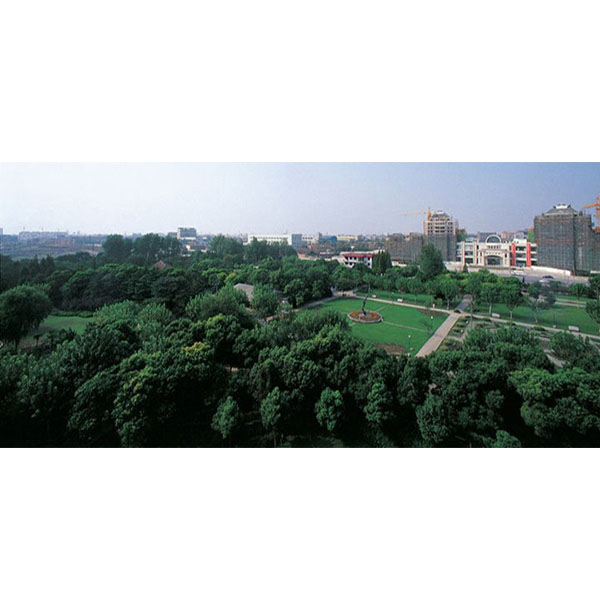
The concept of “ecological garden construction,” as practiced by leading firms like Shenyang Fei Ya Water Art Landscape Engineering Co., Ltd., emphasizes the integration of water features with surrounding greenery. By using native plants and permeable surfaces around the fountain pool, runoff can be managed effectively, reducing the strain on municipal drainage systems.
Energy Efficiency and Green Technology
Energy consumption is another critical factor. The use of high-efficiency pumps, LED lighting, and smart control systems significantly reduces the carbon footprint of musical fountains. Solar power can also be integrated to offset energy usage, particularly for lighting and control systems. For instance, the Dalian International Flower Center Music Fountain, a notable project by Fei Ya, demonstrates how customized design and turnkey construction models can deliver high-impact visuals while adhering to strict budgetary and ecological constraints.
By prioritizing sustainable practices, projects like the Indira Gandhi Musical Fountain Park not only enhance urban aesthetics but also contribute to broader environmental goals. This holistic approach ensures that waterscape features remain viable and responsible additions to the urban landscape.
Professional Execution and Industry Standards
The successful implementation of a musical fountain project requires a partner with deep domain expertise and vertically integrated capabilities. From conceptual design to post-commissioning support, every stage of the project lifecycle demands precision and accountability.
The Importance of Specialized Expertise
Companies like Shenyang Fei Ya Water Art Landscape Engineering Co., Ltd. exemplify the level of professionalism required in this industry. Established in 2006, Fei Ya has completed over 100 medium- to large-scale fountain and greening projects, leveraging a team of more than 80 specialized technical personnel. This includes senior engineers and nationally recognized water jet experts who ensure that design concepts are technically feasible and structurally sound.
The company’s Grade A qualification from the China Waterscape Fountain Committee underscores its commitment to industry standards and technical excellence. Such accreditation is vital for municipal projects, where compliance with regulatory requirements and long-term maintainability are paramount. Fei Ya’s approach combines aesthetic appeal with functional performance, ensuring that each project delivers measurable social and environmental returns.
Integrated Service Models
A turnkey construction model offers significant advantages for complex waterscape projects. By handling design, manufacturing, installation, and commissioning under one roof, providers can ensure consistency and efficiency. This vertical integration reduces the risk of miscommunication between different contractors and allows for tighter quality control. For example, Fei Ya’s in-house production facilities, including a fountain demonstration room and equipment processing workshop, enable rigorous testing and validation before site installation.
This comprehensive service capability is particularly valuable for international projects, where local regulations and site-specific conditions may vary. By adapting global best practices to local contexts, experienced firms can deliver solutions that are both innovative and practical. The Indira Gandhi Musical Fountain Park benefits from such professional execution, ensuring that it remains a reliable and captivating landmark for years to come.
Conclusion
The Indira Gandhi Musical Fountain Park represents a harmonious blend of art, technology, and engineering. Its success is rooted in meticulous hydraulic design, advanced synchronization systems, and a commitment to sustainable operation. For cities looking to enhance their public spaces, understanding the technical and maintenance aspects of such installations is essential. By partnering with experienced professionals who prioritize quality, safety, and ecological responsibility, municipalities can create lasting landmarks that inspire and engage communities.
As the demand for dynamic urban environments grows, the lessons learned from the Indira Gandhi Musical Fountain Park will continue to inform future projects. Whether through improved energy efficiency, smarter control systems, or integrated landscape design, the future of musical fountains lies in their ability to adapt and endure. For those interested in exploring comprehensive waterscape and landscape engineering solutions, Shenyang Fei Ya Water Art Landscape Engineering Co., Ltd. offers a proven track record of delivering high-quality, ecologically conscious projects across domestic and international markets.