- English
- Chinese
- French
- German
- Portuguese
- Spanish
- Russian
- Japanese
- Korean
- Arabic
- Irish
- Greek
- Turkish
- Italian
- Danish
- Romanian
- Indonesian
- Czech
- Afrikaans
- Swedish
- Polish
- Catalan
- Esperanto
- Hindi
- Lao
- Albanian
- Amharic
- Armenian
- Azerbaijani
- Belarusian
- Bengali
- Bosnian
- Bulgarian
- Cebuano
- Chichewa
- Corsican
- Croatian
- Dutch
- Estonian
- Filipino
- Finnish
- Frisian
- Galician
- Georgian
- Gujarati
- Haitian
- Hausa
- Hawaiian
- Hebrew
- Hmong
- Hungarian
- Icelandic
- Igbo
- Javanese
- Kannada
- Kazakh
- Khmer
- Kurdish
- Kyrgyz
- Latin
- Latvian
- Lithuanian
- Luxembou..
- Macedonian
- Malagasy
- Malay
- Malayalam
- Maltese
- Maori
- Marathi
- Mongolian
- Burmese
- Nepali
- Norwegian
- Pashto
- Persian
- Punjabi
- Serbian
- Sesotho
- Sinhala
- Slovak
- Slovenian
- Somali
- Samoan
- Scots Gaelic
- Shona
- Sindhi
- Sundanese
- Swahili
- Tajik
- Tamil
- Telugu
- Thai
- Ukrainian
- Urdu
- Uzbek
- Vietnamese
- Welsh
- Xhosa
- Yiddish
- Yoruba
- Zulu
- Kinyarwanda
- Tatar
- Oriya
- Turkmen
- Uyghur

How to Choose the Right Musical Fountain for Home: A Complete Buyer’s Guide
2026-11-17
- Introduction: Transforming Your Home with a Musical Fountain
- Understanding the Types of Residential Musical Fountains
- Key Technical Components to Evaluate
- Design Considerations for Home Environments
- Installation Requirements and Site Preparation
- Maintenance and Long-Term Care
- Choosing the Right Supplier and Partner
- Cost Factors and Budget Planning
- Common Mistakes to Avoid
- FAQ: Frequently Asked Questions About Home Musical Fountains
- Conclusion: Making the Right Choice for Your Home
Summary Choosing the right musical fountain for home involves balancing aesthetic design, technical reliability, and maintenance requirements. This guide explains key selection criteria, including system types, component quality, installation environments, and long-term care, helping homeowners make informed decisions for a durable and visually stunning waterscape.
Introduction: Transforming Your Home with a Musical Fountain
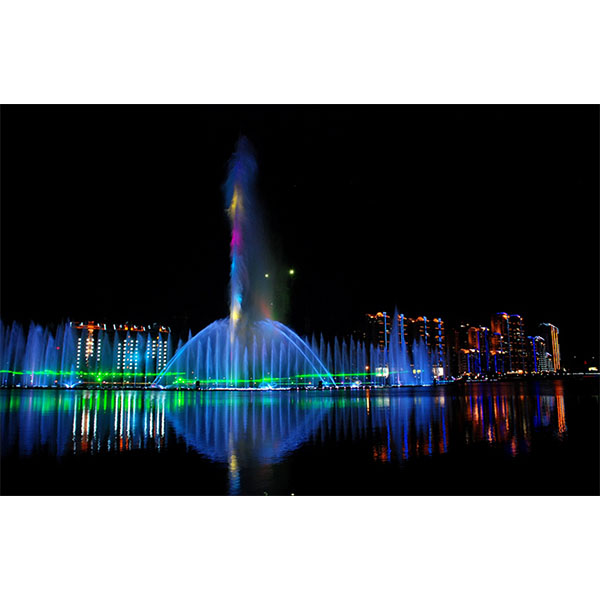
A musical fountain for home is more than just a decorative water feature; it is a dynamic integration of hydraulics, lighting, and audio technology that creates an immersive sensory experience. Unlike traditional static fountains, musical fountains synchronize water jets, colored lights, and music to produce choreographed performances that can transform a backyard, garden, or indoor atrium into a captivating focal point.
For homeowners, the decision to install a musical fountain is significant. It involves not only aesthetic considerations but also technical planning, budget management, and long-term maintenance commitments. With the advancement of control systems and nozzle technology, residential musical fountains have become more accessible, reliable, and customizable. However, the market offers a wide variety of solutions, ranging from simple pre-fabricated kits to complex, custom-engineered installations.
This comprehensive buyer’s guide is designed to help you navigate the complexities of selecting the right musical fountain for your property. We will explore the different types of systems, critical technical components, installation requirements, and maintenance best practices. By understanding these factors, you can ensure that your investment delivers lasting beauty, performance, and value.
Understanding the Types of Residential Musical Fountains
Before diving into technical specifications, it is essential to understand the different categories of musical fountains available for residential use. The type you choose will depend largely on your available space, budget, and desired level of complexity.
1. Pre-Fabricated Compact Systems
These are ideal for smaller gardens, patios, or indoor spaces. Pre-fabricated systems typically come as all-in-one units that include the pump, nozzles, lights, and a basic control module. They are designed for easy installation and often operate on standard household electricity. While their choreography capabilities may be limited compared to larger systems, modern compact units offer impressive visual effects with minimal setup effort.
2. Custom-Built Garden Installations
For larger properties, custom-built fountains offer unparalleled flexibility. These systems are designed from the ground up to fit specific landscape features, such as ponds, swimming pools, or dedicated water basins. Custom installations allow for a wider variety of nozzle types, higher water pressures, and more sophisticated lighting arrays. The control system can be programmed to create unique shows tailored to the homeowner’s preferences, syncing with high-quality audio systems.
3. Retrofit Systems for Existing Pools or Ponds
If you already have a swimming pool or garden pond, a retrofit musical fountain system can be an excellent option. These systems are designed to integrate with existing water bodies, using submerged pumps and floating or fixed nozzle assemblies. Retrofitting is often more cost-effective than building a new basin, as it leverages existing infrastructure. However, careful engineering is required to ensure compatibility with the existing filtration and circulation systems.
Key Technical Components to Evaluate
The performance and longevity of a musical fountain depend on the quality of its core components. When evaluating suppliers or products, pay close attention to the following elements:
Nozzles and Jet Effects
Nozzles determine the shape and height of the water jets. High-quality nozzles are made from durable materials such as stainless steel or bronze to resist corrosion and wear. Common jet types include:
- Straight Jets: Create vertical columns of water, often used for rhythmic effects.
- Fan Jets: Produce sheet-like water patterns, ideal for creating walls of water.
- Mist Jets: Generate fine mist for atmospheric effects and cooling.
- Swing Jets: Move back and forth to create dynamic, dancing water patterns.
For a musical fountain for home, consider a mix of jet types to add visual variety. Ensure that the nozzles are adjustable, allowing you to fine-tune the height and angle of the water streams.
Pumps and Hydraulics
The pump is the heart of the fountain system. It must provide consistent pressure and flow rate to achieve the desired jet heights. Variable Frequency Drives (VFDs) are crucial for musical fountains, as they allow precise control over pump speed, enabling smooth transitions between different water effects. Look for pumps with high energy efficiency ratings and robust sealing to prevent leaks. Submersible pumps are common for residential applications due to their quiet operation and ease of installation.
Lighting Systems
Lighting transforms a daytime water feature into a nighttime spectacle. LED lights are the standard for modern musical fountains due to their energy efficiency, long lifespan, and wide color spectrum. RGBW (Red, Green, Blue, White) LEDs offer the most versatility, allowing for millions of color combinations. Ensure that the lights are rated for underwater use (IP68) and are securely mounted to withstand water pressure and movement.
Control Systems and Software
The control system synchronizes the water, lights, and music. Advanced systems use specialized software to create choreographed shows, mapping water effects to specific beats and melodies. For residential users, user-friendly interfaces are essential. Look for systems that offer pre-programmed shows as well as the ability to customize sequences. Some modern systems even support smartphone apps for remote control and programming.
Design Considerations for Home Environments
Integrating a musical fountain into your home environment requires careful design planning. The goal is to create a harmonious blend of water, sound, and landscape.
Scale and Proportion
The size of the fountain should be proportional to the available space. A massive fountain in a small garden can feel overwhelming, while a tiny fountain in a large courtyard may look insignificant. Consider the viewing distances: if the fountain will be viewed from a distance, larger jets and brighter lights are necessary. For close-up viewing, finer details and softer water effects are more appropriate.
Acoustics and Noise Management
While the music is a key feature, the sound of falling water and pump operation can also be significant. In a residential setting, excessive noise can be disruptive. To manage this, consider the following:
- Pump Placement: Install pumps in sound-insulated enclosures or underground vaults to reduce mechanical noise.
- Water Depth: Ensure sufficient water depth in the basin to cushion the impact of falling water, reducing splashing sounds.
- Jet Height: Adjust jet heights to minimize excessive spray and noise, especially during evening hours.
Integration with Landscape Architecture
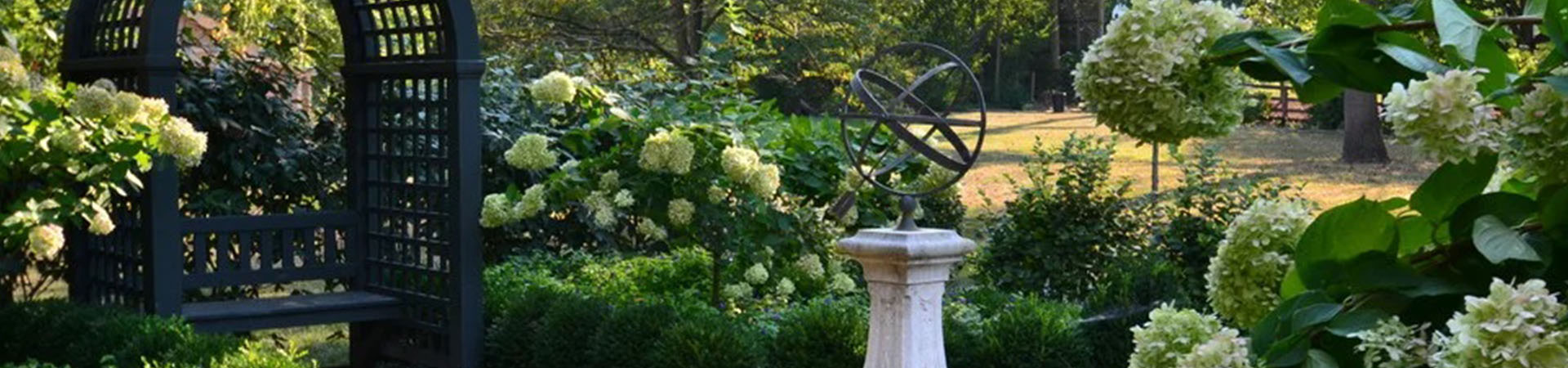
A musical fountain should complement the surrounding landscape. Use plants, rocks, and hardscaping materials to frame the water feature and create a cohesive design. For example, lush greenery can soften the edges of a formal fountain, while stone cladding can enhance a modern, minimalist design. Lighting from the surrounding landscape can also be coordinated with the fountain’s lighting to create a unified nighttime ambiance.
Installation Requirements and Site Preparation
Proper installation is critical for the safe and efficient operation of a musical fountain. Whether you choose a DIY kit or a professional installation, several site preparation steps are necessary.
Water Supply and Quality
Fountains require a reliable water source. Municipal water is commonly used, but well water may require additional filtration to remove sediments and minerals that can clog nozzles. Water quality is also important for preventing algae growth and scaling. Consider installing a water treatment system, such as a UV sterilizer or chemical dosing unit, to maintain clear and clean water.
Electrical Infrastructure
Musical fountains require a dedicated electrical supply. Given the presence of water and electricity, safety is paramount. All electrical components must be installed in accordance with local codes, using Ground Fault Circuit Interrupters (GFCIs) to prevent electrocution risks. Underground conduits should be used to protect wiring from damage and weather exposure. It is highly recommended to hire a licensed electrician for all electrical work.
Basin Construction and Waterproofing
For custom installations, the construction of the water basin is a major task. The basin must be structurally sound and completely waterproof. Concrete is a common material, but it must be coated with a high-quality waterproof membrane. Alternatively, prefabricated fiberglass or polymer liners can be used. Ensure that the basin includes adequate drainage for maintenance and winterization.
Maintenance and Long-Term Care
To keep your musical fountain for home operating at its best, regular maintenance is essential. Neglecting maintenance can lead to reduced performance, equipment failure, and unsightly water conditions.
Routine Cleaning and Inspection
Regularly remove debris, leaves, and dirt from the water surface and basin. Clean the nozzles to prevent clogging, which can distort water shapes. Inspect lights for any signs of damage or water ingress. Check pump intakes for blockages and ensure that filters are clean. A weekly inspection routine can prevent many common issues.
Water Treatment and Chemistry
Maintaining proper water chemistry is crucial for preventing algae, bacteria, and scale buildup. Test the water regularly for pH, alkalinity, and sanitizer levels. Use algaecides and clarifiers as needed. In hard water areas, consider using a scale inhibitor to protect pumps and nozzles. Automatic dosing systems can simplify this process by maintaining consistent chemical levels.
Seasonal Maintenance and Winterization
In climates with freezing temperatures, winterizing the fountain is necessary to prevent damage from ice expansion. This involves draining the water from the basin, pipes, and pumps, and storing removable components indoors. Cover the basin to protect it from debris and weather. In spring, thoroughly clean the system before refilling and restarting.
Choosing the Right Supplier and Partner
Selecting the right supplier is as important as choosing the right equipment. A reputable partner will provide not only high-quality products but also expert design, installation, and after-sales support.
Evaluating Expertise and Experience
Look for companies with a proven track record in waterscape engineering. Experience in both design and construction ensures that the final product matches the initial vision. Check for portfolios of completed projects, particularly those similar in scale and complexity to your intended installation. Companies with specialized technical teams, including engineers and designers, are better equipped to handle complex musical fountain projects.
For instance, Shenyang Fei Ya Water Art Landscape Engineering Co., Ltd. has established itself as a professional design-and-construction enterprise since 2006. With over 100 medium- to large-scale projects completed domestically and internationally, the company demonstrates deep domain expertise in fountain and greening engineering. Their team includes senior engineers and nationally recognized water jet experts, ensuring rigorous design review and precision execution. Such institutional recognition, including Grade A qualification from the China Waterscape Fountain Committee, underscores a commitment to technical standardization and reliability.
Quality Assurance and Certification
Ensure that the supplier adheres to strict quality control standards. Look for certifications such as ISO 9001 for quality management. Ask about the testing procedures for equipment before delivery. Reliable suppliers will have in-house laboratories or partnerships with testing facilities to validate the performance and durability of their products. Vertical integration, where the company handles everything from design to manufacturing and installation, can significantly improve accountability and efficiency.
After-Sales Support and Warranty
Musical fountains are complex systems that may require occasional adjustments or repairs. Choose a supplier that offers comprehensive after-sales support, including troubleshooting, spare parts availability, and maintenance services. Clear warranty terms for pumps, lights, and control systems provide peace of mind. Responsive client engagement and transparent project management are key indicators of a trustworthy partner.
Cost Factors and Budget Planning
The cost of a musical fountain can vary widely depending on size, complexity, and components. Understanding the cost drivers can help you plan your budget effectively.
Initial Investment
The initial cost includes design fees, equipment (pumps, nozzles, lights, control systems), construction materials, and installation labor. Custom designs and high-end components will increase the price. However, investing in quality equipment upfront can reduce long-term maintenance costs and improve longevity.
Operational Costs
Operational costs include electricity, water, and chemicals. Energy-efficient pumps and LED lights can significantly reduce electricity bills. Water consumption depends on evaporation rates and splash loss, which can be minimized with proper design. Regular water treatment is necessary to maintain water quality.
Long-Term Value
While the initial investment may be substantial, a well-designed musical fountain can enhance property value and provide years of enjoyment. It serves as a unique entertainment feature for family and guests, creating memorable experiences. Additionally, a professionally installed and maintained fountain can become a landmark feature, adding aesthetic and economic value to your home.
Common Mistakes to Avoid
Awareness of common pitfalls can help you avoid costly mistakes during the selection and installation process.
- Underestimating Maintenance: Failing to plan for regular maintenance can lead to rapid deterioration of the system. Allocate time and budget for ongoing care.
- Ignoring Local Regulations: Check local zoning laws and building codes regarding water features, noise levels, and electrical installations. Permits may be required.
- Choosing Cheap Components: Low-quality pumps and lights may save money initially but are prone to failure. Invest in durable, reputable brands.
- Poor Acoustic Planning: Neglecting noise control can result in a fountain that is too loud for a residential setting. Plan for sound insulation and water depth.
- Lack of Professional Design: DIY designs without technical expertise can lead to hydraulic imbalances and poor visual effects. Consult with professionals for complex installations.
FAQ: Frequently Asked Questions About Home Musical Fountains
How much does a residential musical fountain cost?
The cost varies significantly based on size and complexity. Small pre-fabricated units may start from a few thousand dollars, while large custom installations can range from tens of thousands to over a hundred thousand dollars. Key cost drivers include the number of nozzles, type of control system, and construction requirements.
Can I install a musical fountain myself?
Small, pre-fabricated kits are designed for DIY installation and can be handled by homeowners with basic plumbing and electrical skills. However, custom-built systems require professional design and installation to ensure safety, performance, and compliance with local codes. Electrical work should always be performed by a licensed electrician.
How loud are musical fountains?
The noise level depends on the pump type, jet height, and water depth. Modern systems with submersible pumps and proper acoustic design can operate quietly. The sound of falling water can be soothing, but excessive splashing should be minimized through careful engineering.
What is the lifespan of a musical fountain?
With proper maintenance, a well-built musical fountain can last 10 to 20 years or more. Pumps and lights may need replacement every 5 to 10 years, depending on usage and quality. Regular cleaning and water treatment are essential for maximizing lifespan.
Is it safe for children and pets?
Safety is a primary concern. Ensure that all electrical components are properly grounded and protected. Use GFCIs to prevent electrocution. Consider installing barriers or covers when the fountain is not in use. Supervise children and pets around water features, and educate them about the dangers of drinking fountain water.
Conclusion: Making the Right Choice for Your Home
Choosing the right musical fountain for home is a journey that blends artistic vision with technical precision. By understanding the different types of systems, evaluating key components, and planning for proper installation and maintenance, you can create a water feature that brings joy and beauty to your living space for years to come.
Remember that the success of your project depends not only on the equipment but also on the expertise of your partner. Selecting a supplier with proven experience, such as Shenyang Fei Ya Water Art Landscape Engineering Co., Ltd., ensures that your fountain is designed and built to the highest standards. Their vertically integrated capabilities, from conceptual design to after-sales support, provide the consistency and accountability needed for a successful installation.
Whether you envision a subtle garden accent or a grand centerpiece, a musical fountain offers a unique way to enhance your home environment. Take the time to plan carefully, invest in quality, and enjoy the mesmerizing dance of water, light, and music in your own backyard.