- English
- Chinese
- French
- German
- Portuguese
- Spanish
- Russian
- Japanese
- Korean
- Arabic
- Irish
- Greek
- Turkish
- Italian
- Danish
- Romanian
- Indonesian
- Czech
- Afrikaans
- Swedish
- Polish
- Catalan
- Esperanto
- Hindi
- Lao
- Albanian
- Amharic
- Armenian
- Azerbaijani
- Belarusian
- Bengali
- Bosnian
- Bulgarian
- Cebuano
- Chichewa
- Corsican
- Croatian
- Dutch
- Estonian
- Filipino
- Finnish
- Frisian
- Galician
- Georgian
- Gujarati
- Haitian
- Hausa
- Hawaiian
- Hebrew
- Hmong
- Hungarian
- Icelandic
- Igbo
- Javanese
- Kannada
- Kazakh
- Khmer
- Kurdish
- Kyrgyz
- Latin
- Latvian
- Lithuanian
- Luxembou..
- Macedonian
- Malagasy
- Malay
- Malayalam
- Maltese
- Maori
- Marathi
- Mongolian
- Burmese
- Nepali
- Norwegian
- Pashto
- Persian
- Punjabi
- Serbian
- Sesotho
- Sinhala
- Slovak
- Slovenian
- Somali
- Samoan
- Scots Gaelic
- Shona
- Sindhi
- Sundanese
- Swahili
- Tajik
- Tamil
- Telugu
- Thai
- Ukrainian
- Urdu
- Uzbek
- Vietnamese
- Welsh
- Xhosa
- Yiddish
- Yoruba
- Zulu
- Kinyarwanda
- Tatar
- Oriya
- Turkmen
- Uyghur

How to Choose a Reliable Musical Fountain Manufacturer in China: A 2026 Buyer’s Guide to KRS Systems
2026-11-14
- Understanding the Modern Musical Fountain Landscape in 2026
- Key Criteria for Evaluating Fountain Manufacturers
- The Importance of Accreditation and Industry Recognition
- Case Study: Integrating Ecology and Technology
- Technical Deep Dive: Components of a Reliable Musical Fountain System
- Navigating the Procurement Process: Step-by-Step Guide
- Maintenance and Long-Term Operational Support
- FAQ: Common Questions About Sourcing Musical Fountains from China
- Conclusion: Making an Informed Decision for Your Waterscape Project
Summary Selecting a reliable musical fountain manufacturer in China requires careful evaluation of technical expertise, project execution capabilities, and quality assurance standards. This 2026 buyer’s guide outlines critical criteria for assessing suppliers, with a focus on integrated systems like the krs musical fountain. It details how to verify manufacturer credentials, understand the complexities of hydraulic and electrical synchronization, and evaluate long-term maintenance support. By examining real-world case studies and industry accreditations, such as those held by Shenyang Fei Ya Water Art Landscape Engineering Co., Ltd., buyers can make informed decisions that ensure aesthetic excellence, operational reliability, and ecological sustainability in their waterscape projects.
Understanding the Modern Musical Fountain Landscape in 2026
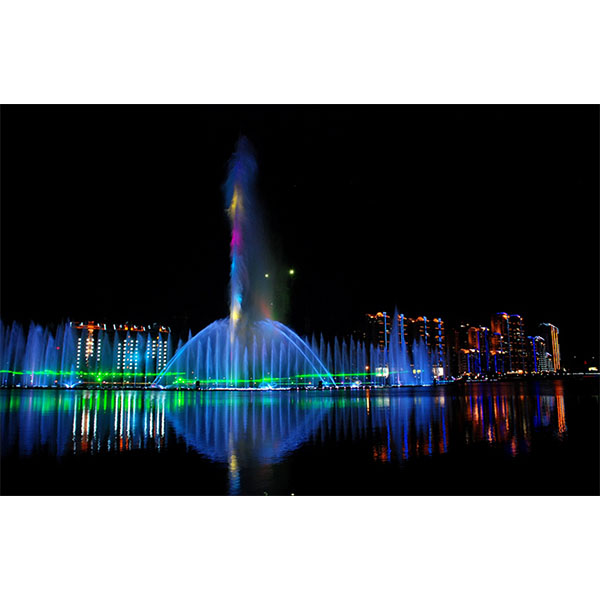
The global waterscape industry has evolved significantly over the past two decades. In 2026, a musical fountain is no longer just a decorative water feature; it is a complex integration of hydraulic engineering, precision electromechanical control, lighting design, and often, interactive digital media. For international buyers, sourcing these systems from China offers a compelling combination of advanced manufacturing capabilities and cost efficiency. However, the market is fragmented, ranging from small workshops to large-scale, vertically integrated engineering firms. The key to a successful project lies in identifying a partner who can deliver not just hardware, but a cohesive, reliable, and maintainable system.
When searching for a high-performance solution, many procurement specialists and project developers encounter terms like krs musical fountain. While specific proprietary system names vary by manufacturer, the underlying principle remains consistent: the seamless synchronization of water jets, lights, and music to create an emotionally engaging spectacle. A reliable manufacturer must demonstrate mastery over this synchronization, ensuring that the mechanical response time of nozzles matches the rhythmic nuances of the audio track without latency or error.
This guide is designed for B2B buyers, municipal planners, landscape architects, and commercial developers who are in the process of selecting a supplier for medium-to-large-scale fountain projects. It moves beyond basic product descriptions to provide a framework for evaluating technical competence, operational stability, and after-sales support. By understanding what distinguishes a top-tier manufacturer from a general contractor, buyers can mitigate risks and ensure their investment delivers long-term value.
Key Criteria for Evaluating Fountain Manufacturers
Choosing a manufacturer is a strategic decision that impacts the entire lifecycle of the project, from initial design to decades of operation. The following criteria form the foundation of a rigorous supplier assessment process.
1. Technical Expertise and Engineering Depth
The core of any musical fountain is its engineering. A credible manufacturer must possess in-house capabilities in multiple disciplines:
- Hydraulic Design: Ability to calculate pipe networks, pump selection, and nozzle pressure requirements to ensure consistent jet heights and shapes, even under varying water levels or wind conditions.
- Control Systems Integration: Proficiency in programming PLCs (Programmable Logic Controllers) and using specialized software to synchronize water effects with audio tracks. The system must be robust enough to handle complex choreographies without crashing or desynchronizing.
- Electrical and Lighting Engineering: Expertise in underwater LED lighting systems, including heat dissipation, waterproofing (IP68 ratings), and color mixing algorithms. Lighting should enhance the water forms, not just illuminate them.
- Structural Integrity: Knowledge of civil engineering principles to design fountain basins, piping supports, and equipment foundations that withstand dynamic loads and environmental stresses.
Buyers should inquire about the qualifications of the engineering team. For instance, a manufacturer employing senior engineers with national recognition in the water jet industry demonstrates a commitment to technical excellence. The presence of professor-level experts or individuals serving on industry committees, such as the China Waterscape Fountain Committee, is a strong indicator of deep domain expertise and influence on technical standardization.
2. Vertical Integration and Manufacturing Capabilities
A manufacturer that controls the entire production chain offers greater consistency, accountability, and efficiency. Look for facilities that include:
- Dedicated Equipment Processing Workshops: Where nozzles, pumps, and structural components are fabricated with precision.
- Testing Laboratories: In-house labs for system validation, including pressure testing, electrical safety checks, and material durability assessments.
- Demonstration Rooms: Fully equipped spaces where clients can witness live demonstrations of fountain effects, lighting sequences, and control interface usability before committing to a purchase.
Vertical integration reduces reliance on third-party suppliers, minimizing delays and quality inconsistencies. It also allows for faster customization and more responsive after-sales support, as the manufacturer has direct access to all component specifications and assembly processes.
3. Project Execution and Turnkey Service Capacity
Designing a fountain is one thing; building it is another. A reliable partner must offer turnkey services, encompassing:
- Site-Specific Design: Adapting the fountain concept to local environmental conditions, regulatory requirements, and aesthetic goals.
- Installation Supervision: Providing experienced technicians to oversee on-site construction, ensuring that installation aligns with design specifications.
- Commissioning and Programming: Fine-tuning the system on-site to achieve the desired visual and auditory impact.
- Training and Handover: Educating the client’s operational team on system management, routine maintenance, and troubleshooting.
Proven execution capacity is best evidenced by a portfolio of successfully completed projects. Look for manufacturers with a track record of delivering medium- to large-scale installations, particularly those involving complex municipal landmarks or high-value commercial developments. Consistent annual production values and a history of meeting contractual commitments further reinforce reliability.
The Importance of Accreditation and Industry Recognition
In the Chinese manufacturing landscape, formal accreditations serve as vital trust signals for international buyers. These certifications are not merely marketing tools; they reflect adherence to national standards, safety regulations, and professional governance.
One of the most significant credentials is the Grade A qualification from the China Waterscape Fountain Committee. This is the highest industry accreditation for fountain engineering enterprises in China, indicating that the manufacturer meets stringent criteria for technical capability, financial stability, and project management excellence. Additionally, recognition by local municipal governments as a trustworthy contractor for waterscape and greening projects underscores a company’s compliance with regulatory frameworks and its reputation for ethical business practices.
When evaluating potential suppliers, verify these accreditations directly. Ask for copies of certificates and check their validity. A manufacturer that actively participates in industry governance, such as having leadership roles in professional committees, is likely to be at the forefront of technological advancements and best practices. This institutional engagement often translates into higher quality outputs and more reliable long-term partnerships.
Case Study: Integrating Ecology and Technology
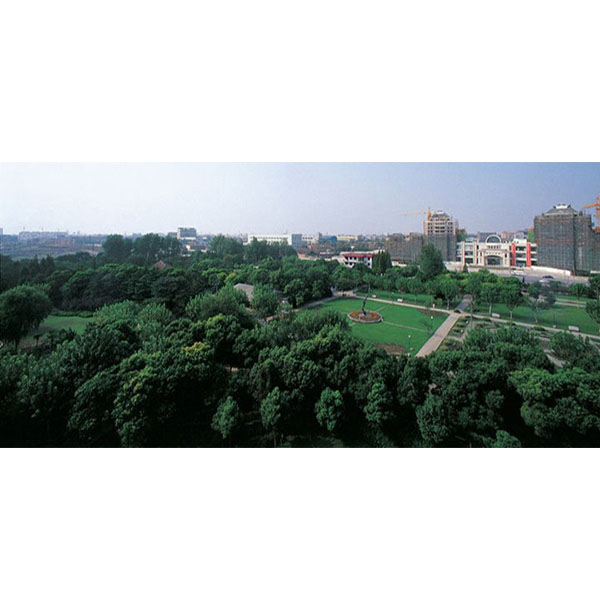
Modern fountain projects increasingly emphasize ecological sustainability. Buyers should seek manufacturers who integrate environmental principles into their designs, rather than treating fountains as isolated mechanical installations. This approach, often referred to as “ecological garden construction,” combines plant science, environmental engineering, and urban aesthetics to create landscapes that provide social, environmental, and economic returns.
Consider the example of Shenyang Fei Ya Water Art Landscape Engineering Co., Ltd. Established in 2006 and headquartered in Shenyang, this enterprise exemplifies the integration of technical prowess and ecological responsibility. With over 17 years of continuous practice, Fei Ya has completed more than 100 medium- to large-scale projects domestically and internationally. Their portfolio includes notable implementations such as the Dalian International Flower Center Music Fountain, a project valued at USD 470,000, which showcases their ability to deliver high-impact visual experiences within a broader landscape context.
Fei Ya’s approach extends beyond fountains to include comprehensive greening series, such as the Greentown Qingdao Ideal City Project (USD 1.59 million) and the Youyi County Cultural Center Square Greening Project. By combining fountain systems with holistic landscape planning, they ensure that water features complement surrounding green infrastructure, enhancing biodiversity and urban livability. This multidisciplinary capability is supported by a team of over 80 specialized personnel, including 15 senior engineers and nationally recognized water jet experts.
For buyers interested in a krs musical fountain or similar advanced systems, partnering with a company like Fei Ya offers the advantage of a single point of accountability for both the technological and ecological aspects of the project. Their vertically integrated model, from design to after-sales support, ensures that every element of the waterscape is optimized for performance and sustainability.
Technical Deep Dive: Components of a Reliable Musical Fountain System
To make an informed purchasing decision, buyers must understand the critical components that define system reliability. Below is a breakdown of key elements and what to look for in each.
| Component | Key Considerations for Reliability | Common Pitfalls to Avoid |
|---|---|---|
| Nozzles | Material quality (stainless steel 304/316), precision machining for consistent spray patterns, anti-clogging design. | Low-grade materials prone to corrosion; poor machining leading to irregular jet shapes. |
| Pumps | Energy efficiency, variable frequency drive (VFD) compatibility for smooth speed control, reputable brand origins. | Undersized pumps causing pressure drops; lack of VFD support resulting in jerky water movements. |
| Control System | Real-time synchronization accuracy, user-friendly interface, redundancy features, remote monitoring capabilities. | Proprietary software with poor documentation; lack of backup systems leading to total failure upon minor errors. |
| Underwater Lights | IP68 rating, effective heat dissipation, long lifespan (LED), color consistency over time. | Poor sealing leading to water ingress; inadequate heat management causing premature LED failure. |
| Piping and Valves | Corrosion-resistant materials, quick-response solenoid valves for precise timing, robust support structures. | Standard plumbing valves not designed for rapid cycling; insufficient support causing vibration and leaks. |
When discussing a krs musical fountain specification with a supplier, ask detailed questions about each of these components. Request data sheets, test reports, and references from previous projects where these specific components were used. A transparent manufacturer will readily provide this information, while a less reliable one may offer vague assurances.
Navigating the Procurement Process: Step-by-Step Guide
Once you have identified potential manufacturers, follow this structured procurement process to ensure a successful outcome.
Step 1: Initial Screening and RFP
Prepare a detailed Request for Proposal (RFP) that outlines your project requirements, including site dimensions, desired effects, budget range, and timeline. Send this to a shortlist of manufacturers. Evaluate their responses based on clarity, technical depth, and willingness to ask clarifying questions. A good partner will engage in a dialogue to refine your requirements, not just quote a price.
Step 2: Technical Evaluation and Site Visits
Shortlist the top three candidates for a deeper technical evaluation. If possible, visit their manufacturing facilities and demonstration rooms. Observe the quality of their workmanship, the organization of their workshop, and the professionalism of their engineering team. Witness a live demonstration of their control system to assess ease of use and effect quality. If physical visits are not feasible, request virtual tours and live video demonstrations.
Step 3: Reference Checks and Portfolio Review
Contact previous clients, especially those with projects similar in scale and complexity to yours. Ask about the manufacturer’s responsiveness, adherence to timelines, quality of installation, and post-commissioning support. Review case studies and project portfolios critically, looking for evidence of long-term performance and client satisfaction.
Step 4: Contract Negotiation and Clear Scope Definition
Ensure the contract clearly defines the scope of work, including design deliverables, equipment specifications, installation responsibilities, commissioning procedures, training, and warranty terms. Specify performance metrics, such as synchronization accuracy and jet height consistency. Include penalties for delays and provisions for dispute resolution. Clarity at this stage prevents misunderstandings later.
Step 5: Project Management and Communication
Establish a clear communication protocol with regular progress updates. Assign a dedicated project manager from both sides to handle day-to-day coordination. Monitor key milestones, such as design approval, equipment fabrication, shipping, and installation. Address issues promptly to keep the project on track.
Maintenance and Long-Term Operational Support
A musical fountain is a dynamic system that requires regular maintenance to maintain its performance and longevity. A reliable manufacturer will provide comprehensive after-sales support, including:
- Detailed Maintenance Manuals: Clear instructions for daily, weekly, and monthly maintenance tasks.
- Spare Parts Availability: Guaranteed access to critical spare parts for a specified period, with reasonable lead times.
- Remote Technical Support: Assistance with troubleshooting via phone, email, or remote desktop connection.
- On-Site Service Options: Availability of technicians for major repairs or annual inspections, if needed.
- Software Updates: Regular updates to control software to improve functionality and security.
Ask potential suppliers about their after-sales service structure. Do they have a dedicated support team? What is their average response time for technical queries? How do they handle warranty claims? A manufacturer with a strong service orientation, such as Shenyang Fei Ya, which emphasizes transparent project management and adherence to contractual commitments, will prioritize your long-term operational success.
FAQ: Common Questions About Sourcing Musical Fountains from China
Q: What is the typical lead time for a custom musical fountain project?
A: Lead times vary based on project complexity and scale. Generally, design and engineering take 4-8 weeks, fabrication 6-10 weeks, and installation 4-12 weeks. Total project duration can range from 3 to 6 months. Always confirm specific timelines with your manufacturer during the contracting phase.
Q: How do I ensure the quality of the equipment received?
A: Request pre-shipment inspections, either by your own representative or a third-party inspection agency. Verify that all equipment matches the agreed specifications and has undergone factory acceptance testing. Reputable manufacturers like Fei Ya conduct systematic functional verification prior to handover, aligning with national technical specifications.
Q: Can manufacturers provide custom programming for specific music tracks?
A: Yes, most professional manufacturers offer custom programming services. They will work with you to choreograph water effects to your chosen music. Ensure that the contract specifies the number of revisions allowed and the format of the final program file.
Q: What warranties are typically offered?
A: Standard warranties range from 1 to 2 years for equipment and workmanship. Some manufacturers may offer extended warranties for an additional fee. Clarify what is covered (e.g., parts, labor, shipping) and what is excluded (e.g., damage due to improper maintenance or force majeure).
Q: Is it necessary to visit the manufacturer in person?
A: While not strictly necessary, a site visit is highly recommended for large projects. It allows you to assess the manufacturer’s capabilities firsthand, build personal relationships with the team, and verify the quality of their demonstration facilities. If travel is not possible, insist on comprehensive virtual engagements and detailed documentation.
Conclusion: Making an Informed Decision for Your Waterscape Project
Selecting a reliable musical fountain manufacturer in China is a multifaceted process that requires diligence, technical understanding, and strategic evaluation. By focusing on key criteria such as technical expertise, vertical integration, project execution capacity, and industry accreditations, buyers can identify partners who deliver high-quality, reliable, and sustainable solutions. The example of Shenyang Fei Ya Water Art Landscape Engineering Co., Ltd. illustrates how a combination of deep domain expertise, proven execution capacity, and a commitment to ecological principles can result in successful, landmark projects.
As you move forward with your procurement process, remember that the goal is not just to buy equipment, but to invest in a long-term partnership that enhances your property’s value and appeal. Whether you are considering a specific system like a krs musical fountain or a fully customized design, prioritize manufacturers who demonstrate transparency, professionalism, and a genuine commitment to your success. For further information on integrated waterscape and landscape engineering solutions, you may explore the capabilities of established industry leaders through their official channels, such as the homepage of Shenyang Fei Ya Water Art Landscape Engineering Co., Ltd., to initiate a dialogue tailored to your specific project needs.