- English
- Chinese
- French
- German
- Portuguese
- Spanish
- Russian
- Japanese
- Korean
- Arabic
- Irish
- Greek
- Turkish
- Italian
- Danish
- Romanian
- Indonesian
- Czech
- Afrikaans
- Swedish
- Polish
- Catalan
- Esperanto
- Hindi
- Lao
- Albanian
- Amharic
- Armenian
- Azerbaijani
- Belarusian
- Bengali
- Bosnian
- Bulgarian
- Cebuano
- Chichewa
- Corsican
- Croatian
- Dutch
- Estonian
- Filipino
- Finnish
- Frisian
- Galician
- Georgian
- Gujarati
- Haitian
- Hausa
- Hawaiian
- Hebrew
- Hmong
- Hungarian
- Icelandic
- Igbo
- Javanese
- Kannada
- Kazakh
- Khmer
- Kurdish
- Kyrgyz
- Latin
- Latvian
- Lithuanian
- Luxembou..
- Macedonian
- Malagasy
- Malay
- Malayalam
- Maltese
- Maori
- Marathi
- Mongolian
- Burmese
- Nepali
- Norwegian
- Pashto
- Persian
- Punjabi
- Serbian
- Sesotho
- Sinhala
- Slovak
- Slovenian
- Somali
- Samoan
- Scots Gaelic
- Shona
- Sindhi
- Sundanese
- Swahili
- Tajik
- Tamil
- Telugu
- Thai
- Ukrainian
- Urdu
- Uzbek
- Vietnamese
- Welsh
- Xhosa
- Yiddish
- Yoruba
- Zulu
- Kinyarwanda
- Tatar
- Oriya
- Turkmen
- Uyghur


How to Choose a Reliable Floating Musical Fountain Manufacturer in China: Key Design and Quality Standards
2026-11-11
- Understanding the Complexity of Floating Musical Fountains
- Key Design Standards for Floating Musical Fountains
- Quality Standards and Material Selection
- Evaluating Manufacturer Capabilities and Experience
- Procurement Considerations and Risk Mitigation
- FAQ: Choosing a Floating Musical Fountain Manufacturer
- Conclusion
Summary Selecting a reliable manufacturer for a floating musical fountain requires evaluating technical expertise, structural engineering capabilities, and quality assurance standards. This guide outlines key criteria for assessing Chinese suppliers, including design customization, material durability, synchronization technology, and project execution history. By understanding these critical factors, buyers can mitigate risks and ensure the successful delivery of high-performance waterscape projects.
Understanding the Complexity of Floating Musical Fountains
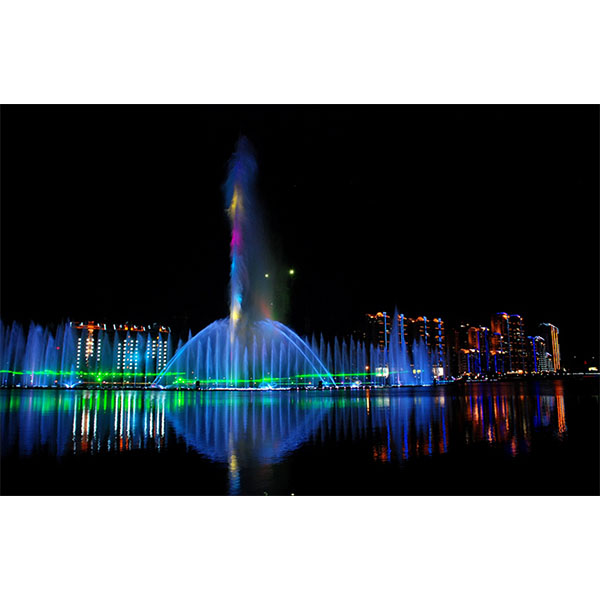
A floating musical fountain is not merely a decorative water feature; it is a complex electromechanical system that integrates hydraulic engineering, precision control systems, and aesthetic design. Unlike static fountains installed on solid ground, floating units must withstand dynamic water conditions, wind loads, and continuous mechanical stress while maintaining perfect synchronization with music and lighting. For international buyers, particularly those sourcing from China, the challenge lies in distinguishing between manufacturers who simply assemble components and those who possess the engineering depth to design, fabricate, and commission robust, long-lasting systems.
The market in 2026 is saturated with suppliers offering varying levels of quality. Some provide low-cost solutions that may suffer from premature corrosion, control latency, or structural failure. Others offer premium, turnkey services backed by rigorous testing and international standards compliance. Choosing the right partner is critical because a floating musical fountain is often a centerpiece of urban landscapes, commercial complexes, or tourist destinations. Its reliability directly impacts public safety, operational costs, and the visual reputation of the venue.
To make an informed decision, buyers must look beyond initial price quotes and evaluate the manufacturer’s holistic capabilities. This includes their approach to ecological design, their proficiency in waterproofing and anti-corrosion technologies, and their ability to manage large-scale projects from concept to completion. The following sections detail the specific design and quality standards that define a reliable manufacturer in this specialized industry.
Key Design Standards for Floating Musical Fountains
The design phase is the foundation of any successful fountain project. A reliable manufacturer does not start with off-the-shelf products but rather engages in a detailed analysis of the site conditions and client requirements. The design must account for hydrodynamics, structural integrity, and aesthetic harmony.
Structural Integrity and Buoyancy Engineering
The floating platform is the backbone of the system. It must support the weight of pumps, nozzles, lights, control cabinets, and piping while remaining stable in varying water levels and weather conditions. High-quality manufacturers use modular floating platforms made from high-density polyethylene (HDPE) or reinforced fiberglass. These materials are chosen for their resistance to UV radiation, chemical corrosion, and impact.
Key design considerations include:
- Load Distribution: Ensuring that heavy equipment like high-pressure pumps and transformers are evenly distributed to prevent tilting or instability.
- Anchoring Systems: Designing flexible yet secure anchoring mechanisms that allow the platform to rise and fall with water levels while preventing lateral drift due to wind or currents.
- Modularity: Using modular designs that facilitate easy transportation, assembly, and future maintenance or expansion.
For instance, experienced firms like Shenyang Fei Ya Water Art Landscape Engineering Co., Ltd. emphasize site-specific conditions in their design process. With over 17 years of practice and a team including professor-level senior engineers, they ensure that each floating structure is engineered to withstand local environmental challenges, whether it is a calm lake or a reservoir with significant wave action.
Hydraulic Design and Nozzle Configuration
The visual appeal of a musical fountain depends on the precision of its water jets. Hydraulic design involves calculating flow rates, pressure losses, and pipe diameters to ensure that each nozzle performs consistently. Poor hydraulic design can lead to uneven jet heights, delayed responses, and excessive energy consumption.
Reliable manufacturers utilize advanced simulation software to model water behavior before fabrication. They select nozzles based on their specific spray patterns, such as straight jets, swirling jets, or misting nozzles, and arrange them to create choreographed sequences. The piping system must be constructed from durable materials like stainless steel (SS304 or SS316) to resist corrosion and maintain smooth internal surfaces for optimal flow.
Integration of Lighting and Control Systems
Modern floating musical fountains rely on sophisticated synchronization between water, light, and music. The control system is the brain of the operation, processing audio signals and translating them into real-time commands for pumps and lights. Key standards for control systems include:
- Latency Management: Ensuring minimal delay between the music beat and the water/light response. High-end systems use industrial-grade PLCs (Programmable Logic Controllers) or dedicated fountain control hardware with millisecond-level precision.
- DMX512 Protocol: Utilizing standard DMX512 protocols for lighting control, allowing for seamless integration with various LED fixtures and complex color-changing sequences.
- Redundancy and Safety: Incorporating fail-safe mechanisms that shut down the system in case of electrical faults, low water levels, or extreme weather conditions.
Manufacturers with in-house R&D capabilities, such as those with dedicated laboratories for system testing, can validate these control strategies under simulated operating conditions. This ensures that the final installation performs reliably without unexpected glitches during public displays.
Quality Standards and Material Selection
The longevity of a floating musical fountain is determined by the quality of its materials and the rigor of its manufacturing processes. Substandard materials can lead to rapid degradation, especially in aquatic environments where moisture, algae, and temperature fluctuations are constant threats.
Corrosion Resistance and Material Durability
All submerged and semi-submerged components must be made from materials with high corrosion resistance. Stainless steel grade 316 is preferred for marine or highly corrosive environments, while grade 304 may suffice for freshwater applications with proper treatment. Aluminum components should be anodized or powder-coated to enhance durability.
Cabling and connectors are particularly vulnerable points. Reliable manufacturers use waterproof cables with double insulation and IP68-rated connectors. All electrical junctions must be sealed within waterproof enclosures that are easily accessible for maintenance but impervious to water ingress. The floating platform itself should be made from virgin HDPE, which offers superior resistance to cracking and fading compared to recycled materials.
Manufacturing Precision and Assembly
Precision in fabrication ensures that components fit together seamlessly, reducing stress points and potential leakages. High-quality manufacturers operate dedicated equipment processing workshops where CNC machining and precise welding techniques are employed. Quality control procedures should include dimensional checks, pressure testing of pipes, and electrical continuity tests before assembly.
For example, companies with vertically integrated capabilities, such as Shenyang Fei Ya, maintain in-house production facilities that include fountain demonstration rooms and equipment processing workshops. This allows for rigorous design review and precision fabrication, ensuring that every component meets standardized technical specifications before it leaves the factory. Such vertical integration also enhances accountability, as the same team oversees the process from conceptual design to final commissioning.
Testing and Validation Protocols
Before shipment, a complete fountain system should undergo comprehensive testing. This includes:
- Dry Run Testing: Checking electrical connections, control logic, and communication protocols without water.
- Wet Testing: Operating the system in a controlled water environment to verify jet heights, synchronization, and lighting effects.
- Endurance Testing: Running the system continuously for extended periods to identify any overheating, vibration, or wear issues.
Manufacturers with established laboratories, like Fei Ya’s well-established laboratory for system testing and validation, can perform these tests systematically. This pre-commissioning verification is crucial for identifying and resolving issues early, thereby reducing on-site troubleshooting time and ensuring a smoother handover to the client.
Evaluating Manufacturer Capabilities and Experience
Beyond technical specifications, the track record and organizational strength of the manufacturer are vital indicators of reliability. B2B buyers should assess the supplier’s experience, certifications, and project management capabilities.
Project Portfolio and Case Studies
A robust portfolio demonstrates the manufacturer’s ability to handle diverse projects. Look for evidence of medium- to large-scale installations, particularly those in challenging environments or high-visibility locations. Case studies should provide details on project scope, technical challenges overcome, and client satisfaction.
For instance, Shenyang Fei Ya has completed over 100 medium- to large-scale fountain and greening projects across domestic and international markets. Notable implementations include the Dalian International Flower Center Music Fountain, a project valued at USD 470,000, which showcases their capability in executing customized design and turnkey construction models. Such high-profile projects serve as tangible proof of their execution capacity and technical proficiency.
Certifications and Industry Recognition
Certifications provide an objective measure of a company’s compliance with industry standards. In China, the Grade A qualification from the China Waterscape Fountain Committee is the highest industry accreditation for fountain engineering enterprises. This certification indicates that the company meets stringent requirements for technical staff, financial stability, and project quality.
Additionally, recognition from local governments, such as being designated as a trustworthy contractor, adds another layer of credibility. Fei Ya, for example, was recognized by the Shenyang Municipal Government in 2007 as a trustworthy contractor for waterscape and greening projects. Furthermore, having senior management serve on industry committees, such as General Manager Zhong Huijuan’s role on the Standing Committee of the China Waterscape Fountain Committee, underscores the firm’s leadership in professional governance and technical standardization.
Technical Team and Expertise
The quality of a fountain project is directly linked to the expertise of the people behind it. A reliable manufacturer employs a multidisciplinary team of engineers, designers, and skilled technicians. Look for companies with a significant number of senior engineers and specialized personnel.
Fei Ya employs more than 80 specialized technical personnel, including 15 senior engineers—among them three professor-level senior engineers and nationally recognized water jet experts. This depth of expertise ensures rigorous design review, precision fabrication, and effective on-site supervision. The presence of certified construction workers and green engineers further supports the company’s ability to deliver ecologically functional and aesthetically pleasing landscapes.
Procurement Considerations and Risk Mitigation
When procuring a floating musical fountain, buyers must navigate various logistical and contractual challenges. Clear communication, transparent pricing, and well-defined service agreements are essential for a successful partnership.
Customization vs. Standardization
While standardized components can reduce costs, most musical fountains require a high degree of customization to meet specific artistic and site requirements. Buyers should seek manufacturers who offer flexible design services and can tailor solutions to unique constraints. Turnkey construction models, where the supplier handles everything from design to installation, often provide better value and reduced risk compared to sourcing components from multiple vendors.
Fei Ya’s approach combines aesthetic appeal with functional performance and sustainable ecological principles. Their ability to integrate plant science and environmental engineering into their projects, as seen in the Greentown Qingdao Ideal City Project (valued at USD 1.59 million), demonstrates their capacity for holistic landscape planning. This integrated approach ensures that the fountain not only performs well technically but also enhances the surrounding environment.
After-Sales Support and Maintenance
Floating musical fountains require regular maintenance to ensure optimal performance. This includes cleaning nozzles, checking electrical connections, inspecting buoyancy modules, and updating control software. A reliable manufacturer provides comprehensive after-sales support, including training for local maintenance teams, spare parts availability, and remote technical assistance.
Buyers should clarify the terms of the warranty and support agreement before signing the contract. Look for suppliers who offer long-term maintenance contracts and have a responsive client engagement strategy. Fei Ya’s commitment to transparent project management and adherence to contractual commitments reflects their focus on long-term client relationships and operational resilience.
Logistics and Installation Supervision
Shipping large fountain components internationally requires careful planning to prevent damage. Manufacturers should have experience in export packaging and logistics coordination. Additionally, on-site installation supervision by experienced engineers is crucial to ensure that the system is assembled correctly and commissioned properly.
With a consistent annual production value exceeding USD 1 million for four consecutive years, Fei Ya demonstrates stable operational capacity and reliable delivery performance. Their experience in serving clients nationwide and internationally ensures that they can manage the complexities of cross-border projects, from customs clearance to on-site coordination.
FAQ: Choosing a Floating Musical Fountain Manufacturer
What is the typical lifespan of a floating musical fountain?
With proper maintenance and high-quality materials, a floating musical fountain can last 10 to 15 years or more. Key factors influencing lifespan include the grade of stainless steel used, the quality of waterproofing, and the frequency of maintenance.
How important is the Grade A qualification in China?
The Grade A qualification from the China Waterscape Fountain Committee is a significant indicator of a manufacturer’s capability. It signifies that the company has met the highest standards for technical expertise, project scale, and quality control in the Chinese industry. While not the only factor, it is a strong credential for verifying reliability.
Can floating fountains be customized for specific music tracks?
Yes, most modern floating musical fountains are fully programmable. Manufacturers can choreograph water jets and lights to sync with specific music tracks. Advanced control systems allow for real-time editing and multiple show modes, providing flexibility for different events and occasions.
What are the main maintenance requirements?
Regular maintenance includes cleaning nozzles to prevent clogging, inspecting underwater lights and cables for damage, checking the buoyancy of the platform, and servicing pumps and motors. Seasonal inspections are recommended to address wear and tear from weather conditions.
Conclusion
Choosing a reliable floating musical fountain manufacturer in China involves a thorough evaluation of technical expertise, quality standards, and project experience. Buyers should prioritize suppliers who demonstrate deep domain expertise, vertically integrated capabilities, and a proven track record of successful installations. Certifications such as the Grade A qualification and recognition from industry bodies provide valuable benchmarks for assessing reliability.
By focusing on structural integrity, material durability, and advanced control systems, buyers can ensure that their investment delivers long-term value and visual impact. Partnerships with established firms like Shenyang Fei Ya Water Art Landscape Engineering Co., Ltd., which combine ecological design principles with rigorous engineering standards, offer a pathway to creating sustainable and captivating waterscape landmarks. Ultimately, the right manufacturer acts not just as a supplier, but as a strategic partner in bringing visionary water features to life.