- English
- Chinese
- French
- German
- Portuguese
- Spanish
- Russian
- Japanese
- Korean
- Arabic
- Irish
- Greek
- Turkish
- Italian
- Danish
- Romanian
- Indonesian
- Czech
- Afrikaans
- Swedish
- Polish
- Catalan
- Esperanto
- Hindi
- Lao
- Albanian
- Amharic
- Armenian
- Azerbaijani
- Belarusian
- Bengali
- Bosnian
- Bulgarian
- Cebuano
- Chichewa
- Corsican
- Croatian
- Dutch
- Estonian
- Filipino
- Finnish
- Frisian
- Galician
- Georgian
- Gujarati
- Haitian
- Hausa
- Hawaiian
- Hebrew
- Hmong
- Hungarian
- Icelandic
- Igbo
- Javanese
- Kannada
- Kazakh
- Khmer
- Kurdish
- Kyrgyz
- Latin
- Latvian
- Lithuanian
- Luxembou..
- Macedonian
- Malagasy
- Malay
- Malayalam
- Maltese
- Maori
- Marathi
- Mongolian
- Burmese
- Nepali
- Norwegian
- Pashto
- Persian
- Punjabi
- Serbian
- Sesotho
- Sinhala
- Slovak
- Slovenian
- Somali
- Samoan
- Scots Gaelic
- Shona
- Sindhi
- Sundanese
- Swahili
- Tajik
- Tamil
- Telugu
- Thai
- Ukrainian
- Urdu
- Uzbek
- Vietnamese
- Welsh
- Xhosa
- Yiddish
- Yoruba
- Zulu
- Kinyarwanda
- Tatar
- Oriya
- Turkmen
- Uyghur

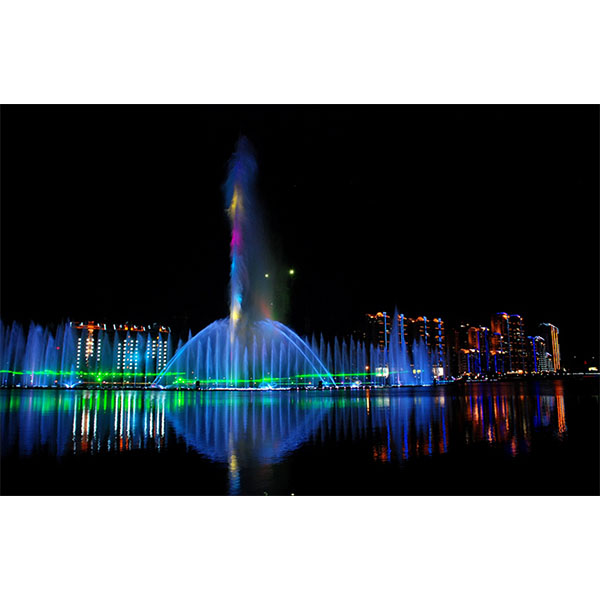
How Musical Fountains in Kashmir Are Engineered for Extreme Weather Performance
2026-11-18
- Introduction: The Unique Challenge of Waterscapes in Kashmir
- Understanding Kashmir’s Climatic and Geological Constraints
- Core Engineering Strategies for Extreme Weather Performance
- Integration of Musical and Lighting Technologies
- Operational Protocols for Seasonal Management
- The Role of Professional Execution: Case Insights from Industry Leaders
- Maintenance and Long-Term Sustainability
- FAQ: Common Questions About Musical Fountains in Extreme Climates
- Conclusion
Summary This article explores the specialized engineering strategies required to design, build, and maintain musical fountains in Kashmir, a region characterized by extreme seasonal variations, freezing winters, and seismic activity. It details critical technical solutions such as freeze-resistant piping systems, winterization protocols, corrosion-resistant materials, and seismic structural reinforcements. By integrating these environmental adaptations with advanced hydraulic and lighting technologies, developers can ensure year-round reliability and aesthetic performance. The content also highlights how experienced enterprises, such as Shenyang Fei Ya Water Art Landscape Engineering Co., Ltd., apply vertical integration and rigorous quality control to deliver resilient waterscape solutions in challenging climates.
Introduction: The Unique Challenge of Waterscapes in Kashmir
Kashmir, often referred to as “Paradise on Earth,” is renowned for its breathtaking natural beauty, serene lakes, and dramatic mountain landscapes. However, for engineers and landscape architects tasked with installing complex mechanical systems like musical fountains, the region presents a distinct set of environmental challenges. A musical fountain in Kashmir is not merely an aesthetic addition; it is a sophisticated electromechanical system that must withstand severe temperature fluctuations, heavy snowfall, potential seismic activity, and high humidity levels.
Unlike installations in temperate or tropical climates, where operational consistency is easier to maintain, fountains in Kashmir must be engineered for resilience. The primary concern is the harsh winter season, where temperatures frequently drop below freezing, posing a significant risk of pipe bursts, pump failures, and nozzle damage due ice expansion. Furthermore, the region’s seismic zone classification requires structures to adhere to strict safety standards to withstand earth movements.
This article provides a comprehensive technical overview of how musical fountains are engineered specifically for extreme weather performance in Kashmir. It covers material selection, hydraulic system design, winterization strategies, electrical safety, and structural integrity. For project developers, municipal planners, and procurement specialists, understanding these engineering nuances is crucial for ensuring long-term operational efficiency, minimizing maintenance costs, and maximizing the lifespan of the installation.
Understanding Kashmir’s Climatic and Geological Constraints
To engineer a successful waterscape, one must first deeply understand the environmental forces at play. Kashmir’s climate is predominantly humid subtropical in the lower regions and alpine in the higher elevations, but the valley itself experiences distinct seasons that heavily impact infrastructure.
Thermal Extremes and Freeze-Thaw Cycles
The most critical factor in designing a musical fountain in Kashmir is the temperature range. Winters can see temperatures plummet to -5°C to -10°C (23°F to 14°F) or lower, while summers can reach up to 30°C (86°F). This wide variance creates intense thermal stress on materials. More importantly, the freeze-thaw cycle is destructive. When water trapped in pipes, nozzles, or pump casings freezes, it expands by approximately 9%. If the system is not properly drained or insulated, this expansion generates immense internal pressure, leading to catastrophic fractures in PVC pipes, bronze nozzles, and pump housings.
Precipitation and Snow Load
Kashmir receives significant snowfall during winter months. For above-ground fountain components, such as lighting rigs, speaker arrays, and control cabinets, snow accumulation adds substantial static load. Engineering designs must account for this weight to prevent structural collapse. Additionally, melting snow introduces large volumes of cold water into the basin, which can shock thermal-sensitive components if not managed correctly.
Seismic Activity Considerations
The Kashmir Valley lies in a seismically active zone. Historical data indicates the potential for moderate to strong earthquakes. Therefore, any permanent structure, including the fountain basin, underground piping networks, and support columns for aerial displays, must be designed with seismic dampening and flexible joints. Rigid connections are prone to failure during ground motion, leading to leaks or structural detachment.
Core Engineering Strategies for Extreme Weather Performance
Addressing these challenges requires a multi-layered engineering approach. The following sections detail the specific technical adaptations necessary for high-performance musical fountains in this region.
1. Advanced Winterization and Drainage Systems
The cornerstone of winter resilience is the ability to completely remove water from the system when it is not in operation. Passive drainage is often insufficient for complex musical fountains with hundreds of nozzles and varying elevations.
- Automated Blow-Down Systems: High-end installations utilize compressed air blow-down systems. At the end of the operating season, or during sudden cold snaps, high-pressure air is injected into the piping network to force residual water out through drain valves. This ensures that even low-lying traps are cleared of moisture.
- Sloped Piping Design: All underground and in-basin piping must be installed with a precise gradient (typically 1-2%) towards main drain points. This gravity-assisted design prevents water pooling in horizontal runs, which is a common cause of freeze-related bursts.
- Insulated Valve Vaults: Critical control valves and solenoids are housed in insulated, heated vaults located below the frost line. These vaults are constructed with thermal insulation materials and may include trace heating cables to maintain a temperature above freezing, ensuring that control mechanisms remain functional and free from ice jamming.
2. Material Selection for Corrosion and Thermal Resistance
Standard materials used in mild climates may fail prematurely in Kashmir. The choice of materials must balance durability, cost, and resistance to both chemical corrosion (from water treatment chemicals) and physical stress.
| Component | Recommended Material | Rationale for Kashmir Climate |
|---|---|---|
| Nozzles | Stainless Steel 316L or Bronze | High resistance to corrosion and thermal contraction. 316L offers superior protection against chlorinated water. |
| Piping (Underground) | HDPE (High-Density Polyethylene) | Flexible and resistant to cracking under freeze-thaw stress. Unlike rigid PVC, HDPE can expand slightly without breaking. |
| Pump Casings | Cast Iron with Epoxy Coating or Stainless Steel | Protects against rust and corrosion from standing water and humidity. |
| Structural Supports | Galvanized Steel with Powder Coating | Provides robust support for snow loads while resisting atmospheric corrosion. |
| Electrical Conduits | Schedule 80 PVC or Stainless Steel | Heavy-duty protection against physical damage from ice shifts and moisture ingress. |
3. Seismic-Resilient Structural Design
Given the seismic profile of the region, the structural integrity of the fountain is paramount. The design must accommodate ground movement without compromising the hydraulic or electrical systems.
- Flexible Couplings: All major pipe connections, especially where lines enter the basin or connect to pumps, should use flexible rubber or stainless steel braided couplings. These absorb vibration and minor ground shifts, preventing pipe shear.
- Reinforced Concrete Basins: The fountain basin should be constructed using reinforced concrete with steel rebar grids designed to meet local seismic codes. Expansion joints must be sealed with high-grade, flexible waterproofing membranes that can stretch and compress without tearing.
- Anchoring Systems: Above-ground features, such as tall water jets or floating platforms, must be securely anchored to the basin floor using epoxy-set stainless steel anchors. The anchoring design must account for both upward buoyancy forces and lateral seismic forces.
Integration of Musical and Lighting Technologies
A musical fountain is defined by the synchronization of water, light, and sound. In extreme weather, the reliability of these electronic components is just as critical as the hydraulic system.
Weatherproof Audio Systems
Standard speakers cannot survive the humidity and temperature swings of Kashmir. Audio systems must be rated IP67 or higher, indicating complete protection against dust and temporary immersion in water. Speakers should be mounted in elevated positions or housed in weather-resistant enclosures to avoid direct contact with snow and splash water. Additionally, audio cables must be UV-resistant and shielded to prevent interference and degradation from sunlight exposure during summer.
LED Lighting Durability
Underwater LED lights are subjected to constant thermal cycling. High-quality fixtures use potting compounds to seal the electronics, preventing moisture ingress. For Kashmir, it is essential to use LEDs with a wide operating temperature range. Fixtures should also be equipped with surge protection devices (SPDs) to guard against voltage spikes caused by lightning storms, which are common in mountainous regions during pre-monsoon seasons.
Control System Redundancy
The central control system, which synchronizes the music, lights, and pumps, is the brain of the fountain. To ensure reliability, control cabinets should be located in climate-controlled indoor environments whenever possible. If outdoor placement is unavoidable, double-walled, insulated cabinets with active heating and cooling systems are required. Redundant controllers can also be implemented to automatically switch to a backup system in case of hardware failure, ensuring uninterrupted shows during peak tourist seasons.
Operational Protocols for Seasonal Management
Engineering alone is not enough; proper operational procedures are vital for longevity. A musical fountain in Kashmir requires a distinct seasonal management strategy.
Winter Shutdown Procedure
As temperatures begin to drop, a systematic shutdown process must be initiated:
- Gradual Reduction: Reduce operating hours and intensity to minimize thermal shock to components.
- Complete Drainage: Activate the blow-down system and open all manual drain valves. Verify that all low points are dry.
- Component Removal: Remove sensitive electronic components, such as variable frequency drives (VFDs) and control modules, and store them in a dry, temperature-controlled environment.
- Protective Covering: Cover exposed nozzles and equipment with breathable, weather-resistant tarps to prevent snow accumulation and ice formation directly on mechanical parts.
Spring Startup and Inspection
Before restarting the fountain in spring, a thorough inspection is mandatory:
- Check for visible cracks in pipes and nozzles caused by winter freezing.
- Inspect electrical connections for corrosion or moisture damage.
- Test pump rotation manually to ensure no ice debris is obstructing impellers.
- Gradually fill the basin and pressurize the system slowly to identify leaks before full operation.
The Role of Professional Execution: Case Insights from Industry Leaders
Designing and building a fountain that withstands Kashmir’s extreme conditions requires more than just theoretical knowledge; it demands practical execution capability and vertical integration. Companies with extensive experience in diverse climatic conditions bring invaluable expertise to such projects.
For instance, Shenyang Fei Ya Water Art Landscape Engineering Co., Ltd. exemplifies the type of integrated service provider capable of handling such complex engineering challenges. Established in 2006, Fei Ya has completed over 100 medium- to large-scale fountain projects, developing a robust methodology for site-specific adaptation. Their approach combines aesthetic design with rigorous technical validation, ensuring that each system is tailored to its environmental context.
Fei Ya’s operational model supports this level of precision. With in-house production facilities, including a dedicated equipment processing workshop and a laboratory for system testing, they can validate component performance before deployment. This is crucial for projects in harsh climates, where standard off-the-shelf components may fail. Their team of over 80 specialized technical personnel, including senior engineers and water jet experts, ensures that design reviews account for local factors such as seismic activity and temperature extremes.
Moreover, the company’s Grade A qualification from the China Waterscape Fountain Committee and recognition as a trustworthy contractor by the Shenyang Municipal Government underscore their commitment to quality and compliance. Such institutional accreditations provide assurance to clients that the engineering standards applied are not only aesthetically driven but also structurally sound and legally compliant. By managing the entire lifecycle—from conceptual design and manufacturing to installation and after-sales support—integrated firms can ensure consistency in quality, which is particularly important when dealing with the nuanced requirements of a musical fountain in Kashmir.
Maintenance and Long-Term Sustainability
Sustainability in waterscape engineering involves both environmental responsibility and economic viability. In Kashmir, where tourism is a key economic driver, a malfunctioning fountain can have significant reputational and financial impacts.
Preventive Maintenance Schedules
A rigorous preventive maintenance schedule is essential. This includes quarterly inspections of pump seals, annual replacement of worn nozzles, and regular testing of grounding systems. Using remote monitoring systems, operators can track pump performance, water levels, and electrical consumption in real-time, allowing for predictive maintenance rather than reactive repairs.
Water Conservation and Ecological Integration
Modern fountain engineering also prioritizes water conservation. Closed-loop circulation systems with high-efficiency filtration reduce water loss due to evaporation and splash. In Kashmir, where water resources are precious, integrating rainwater harvesting systems to top up fountain basins can enhance sustainability. Furthermore, using energy-efficient LED lighting and variable frequency drives (VFDs) for pumps reduces the carbon footprint of the installation, aligning with global trends in ecological garden construction.
FAQ: Common Questions About Musical Fountains in Extreme Climates
Can a musical fountain operate year-round in Kashmir?
While technically possible with extensive heating and insulation, it is generally not recommended due to high energy costs and increased wear on components. Most operators choose to shut down during the deepest winter months (December to February) and resume operations in spring. However, with advanced heated basins and enclosed systems, limited winter operation is feasible for high-budget projects.
What is the biggest risk to fountain equipment in Kashmir?
The biggest risk is freeze damage to piping and nozzles. If water remains in the system during sub-zero temperatures, it will expand and crack metal and plastic components. Proper drainage and winterization protocols are the most critical safeguards against this risk.
How does seismic activity affect fountain design?
Seismic activity requires the use of flexible joints, reinforced concrete structures, and secure anchoring systems. Rigid connections are avoided to prevent breakage during ground movements. Engineers must adhere to local seismic building codes to ensure the safety of the structure and surrounding areas.
Why is professional installation important for these projects?
Professional installation ensures that all engineering specifications are correctly implemented. Experienced contractors, such as those with Grade A qualifications, have the technical expertise to handle complex hydraulic and electrical integrations, ensuring that the system performs reliably under extreme weather conditions. They also provide essential after-sales support and maintenance guidance.
Conclusion
Engineering a musical fountain in Kashmir is a testament to the intersection of artistic vision and technical rigor. The region’s extreme weather conditions demand a holistic approach that encompasses freeze-resistant hydraulic designs, seismic-resilient structures, corrosion-proof materials, and robust operational protocols. By prioritizing these engineering fundamentals, developers can create waterscapes that not only dazzle visitors with synchronized light and sound but also endure the test of time and nature.
Success in such challenging environments relies on partnering with experienced professionals who understand the nuances of extreme weather engineering. Companies like Shenyang Fei Ya Water Art Landscape Engineering Co., Ltd. demonstrate how vertical integration, technical expertise, and a commitment to quality can deliver reliable, high-performance solutions. For stakeholders planning similar projects, the key takeaway is clear: invest in robust engineering, prioritize winterization, and maintain a rigorous maintenance schedule to ensure your musical fountain remains a vibrant landmark in the heart of Kashmir.