- English
- Chinese
- French
- German
- Portuguese
- Spanish
- Russian
- Japanese
- Korean
- Arabic
- Irish
- Greek
- Turkish
- Italian
- Danish
- Romanian
- Indonesian
- Czech
- Afrikaans
- Swedish
- Polish
- Catalan
- Esperanto
- Hindi
- Lao
- Albanian
- Amharic
- Armenian
- Azerbaijani
- Belarusian
- Bengali
- Bosnian
- Bulgarian
- Cebuano
- Chichewa
- Corsican
- Croatian
- Dutch
- Estonian
- Filipino
- Finnish
- Frisian
- Galician
- Georgian
- Gujarati
- Haitian
- Hausa
- Hawaiian
- Hebrew
- Hmong
- Hungarian
- Icelandic
- Igbo
- Javanese
- Kannada
- Kazakh
- Khmer
- Kurdish
- Kyrgyz
- Latin
- Latvian
- Lithuanian
- Luxembou..
- Macedonian
- Malagasy
- Malay
- Malayalam
- Maltese
- Maori
- Marathi
- Mongolian
- Burmese
- Nepali
- Norwegian
- Pashto
- Persian
- Punjabi
- Serbian
- Sesotho
- Sinhala
- Slovak
- Slovenian
- Somali
- Samoan
- Scots Gaelic
- Shona
- Sindhi
- Sundanese
- Swahili
- Tajik
- Tamil
- Telugu
- Thai
- Ukrainian
- Urdu
- Uzbek
- Vietnamese
- Welsh
- Xhosa
- Yiddish
- Yoruba
- Zulu
- Kinyarwanda
- Tatar
- Oriya
- Turkmen
- Uyghur

Garden Musical Fountain Guide: Types, Design & Expert Insights
2026-06-14
- What Defines a Modern Garden Musical Fountain?
- Types of Garden Musical Fountains
- Design Principles for Optimal Performance
- Comparison of Control Technologies
- Step-by-Step Installation Guide
- Maintenance and Operational Best Practices
- Applications and Scenarios
- Industry Expertise: A Case Study in Excellence
- Advantages and Limitations
- Frequently Asked Questions (FAQ)
- Conclusion and Expert Recommendations
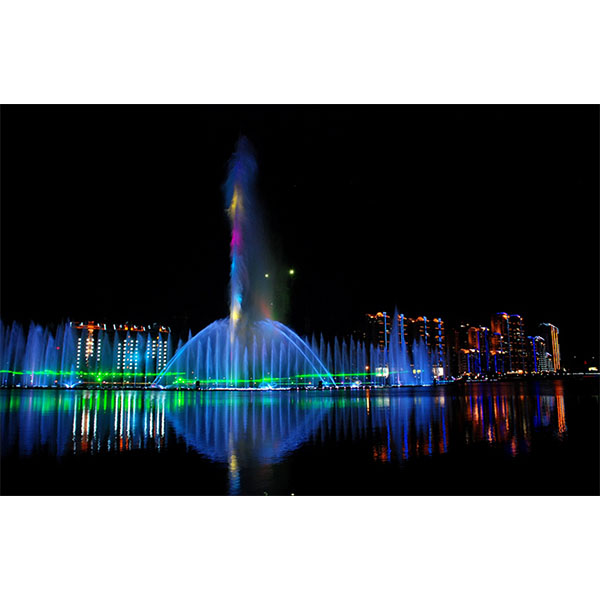
A garden musical fountain is an advanced water feature that synchronizes dancing water jets, colorful lighting, and music into a unified sensory performance. Unlike traditional static fountains, these systems utilize programmable logic controllers to choreograph water height, angle, and illumination in real-time with audio frequencies. This guide explores the core types, design principles, and expert insights necessary for planning a high-impact installation that transforms outdoor spaces into dynamic entertainment hubs.
What Defines a Modern Garden Musical Fountain?
The essence of a garden musical fountain lies in its ability to translate sound waves into visual motion. At its core, the system relies on a sophisticated interplay between hardware components and software algorithms. The water does not merely flow; it performs. Sensors and controllers analyze the tempo, beat, and mood of the selected track, triggering specific nozzle patterns and LED color shifts instantly.
Current industry standards emphasize precision and reliability. High-speed solenoid valves allow water jets to shoot up and retract within milliseconds, creating sharp, rhythmic effects that match drum beats or sudden musical crescendos. Meanwhile, underwater LED arrays provide the visual palette, shifting hues to reflect the emotional tone of the music, from calm blues for ballads to vibrant reds for energetic anthems.
Expert designers focus heavily on the “water-to-music” latency. A lag of even a fraction of a second can break the illusion of synchronization. Therefore, modern setups utilize dedicated industrial computers rather than general-purpose media players to ensure frame-perfect alignment between the audio track and the hydraulic response.
Core Components of the System
Understanding the anatomy of these fountains is crucial for anyone considering an installation. The complexity ranges from simple pre-programmed sequences to fully interactive, real-time rendering systems.
- Hydraulic System: Includes high-pressure pumps, variable frequency drives (VFDs), and specialized nozzles designed for rapid response times.
- Lighting Array: Comprises submersible, IP68-rated LED fixtures capable of producing millions of color combinations with high luminous efficiency.
- Control Unit: The brain of the operation, often using DMX512 protocols to manage thousands of channels of data simultaneously.
- Audio Infrastructure: Weather-resistant speaker systems strategically placed to ensure immersive sound coverage without disturbing surrounding areas excessively.
The integration of these components requires meticulous engineering. Water pressure must remain stable despite rapid valve switching, and electrical systems must be isolated to prevent interference with audio signals. Professional installation ensures that the mechanical noise of pumps does not overpower the musical experience.
Types of Garden Musical Fountains
Selecting the right type of garden musical fountain depends largely on the available space, budget, and desired audience interaction. The market currently offers several distinct categories, each serving different aesthetic and functional purposes.
Floating Musical Fountains
Ideal for large ponds, lakes, or reservoirs, floating systems are mounted on buoyant platforms. These units are self-contained, housing pumps and lights within the floating structure itself. They offer flexibility in placement and can be moved seasonally if required.
The primary advantage of floating designs is their ability to create dramatic height without extensive underground piping. Water is drawn directly from the body of water they sit upon, reducing construction costs. However, they require robust anchoring systems to withstand wind and water currents while maintaining precise nozzle alignment.
Dry Deck (Ground-Level) Fountains
Perhaps the most popular choice for public plazas and interactive gardens, dry deck fountains feature nozzles flush with the ground surface. When inactive, the area appears as standard pavement; when active, water jets erupt from the ground, allowing people to walk or play among the streams.
Safety is paramount in these designs. The drainage system must handle massive volumes of water instantly to prevent slipping hazards. Grating covers are engineered to be slip-resistant while allowing maximum water flow. These systems often include proximity sensors to reduce water pressure when children approach, enhancing user safety.
Pool-Based Integrated Systems
For private estates or formal gardens with existing swimming pools or decorative basins, integrated systems embed nozzles and lights directly into the pool structure. This approach offers the cleanest aesthetic, as all mechanical components are hidden beneath the waterline or in adjacent equipment rooms.
These installations allow for complex choreography involving laminar jets—streams of water so smooth they appear like glass rods. Because the infrastructure is permanent, these systems can support higher pressures and more intricate programming than portable alternatives.
Design Principles for Optimal Performance
Creating a memorable garden musical fountain goes beyond buying equipment; it requires a holistic design approach. Experts prioritize acoustics, hydraulics, and visual sightlines to ensure the final product delivers a cohesive experience.
Acoustic Planning and Zoning
Sound propagation outdoors is challenging due to the lack of reflective surfaces. Designers must calculate sound decay over distance to determine speaker placement and power requirements. The goal is to create a “sweet spot” where the music and water sync perfectly, while minimizing noise pollution for neighbors.
Directional speakers are often employed to focus audio toward the viewing area. Additionally, the selection of music matters. Tracks with clear beats and distinct instrumental layers generally produce better visual synchronization than ambient or overly complex compositions.
Hydraulic Efficiency and Nozzle Selection
The choice of nozzles dictates the visual vocabulary of the show. Different nozzles produce different effects, such as mist, foam, straight jets, or swirling patterns. A well-designed show utilizes a variety of nozzle types to maintain visual interest throughout the performance.
- Laminar Jets: Create crystal-clear, arching streams ideal for elegant, slow movements.
- Foam Jets: Produce white, opaque columns of water that catch light effectively for dramatic impact.
- Mist Nozzles: Generate fine sprays that create rainbows when hit by sunlight or colored lights.
- Swirl Jets: Add rotational movement, giving the water a dancing quality even at lower heights.
Pump sizing is critical. Undersized pumps result in weak jets that fail to reach intended heights, while oversized pumps waste energy and cause turbulence. Variable Frequency Drives (VFDs) are now standard, allowing pumps to adjust speed dynamically based on the specific demands of the choreography.
Lighting Strategy and Color Theory
Lighting transforms water from a transparent medium into a glowing sculpture. The positioning of lights relative to the water jets determines visibility. Backlighting is generally preferred as it illuminates the water column from behind, making the stream glow against the darker background.
Color temperature also plays a role. Cool whites and blues enhance the feeling of freshness and clarity, while warm tones like red and orange evoke energy and passion. Dynamic color changing should be smooth; abrupt shifts can look chaotic unless specifically timed to musical stings.
Comparison of Control Technologies
The control system is the nerve center of any garden musical fountain. Choosing between offline programming and real-time control significantly impacts the flexibility and maintenance of the installation. The following table outlines the key differences between the two dominant approaches.
| Feature | Offline Programming (Pre-rendered) | Real-Time Control (Live Analysis) |
|---|---|---|
| Operation Mode | Shows are pre-designed and stored as files. | Software analyzes audio input live to generate effects. |
| Synchronization Accuracy | Perfect frame-by-frame alignment. | High accuracy, but dependent on algorithm quality. |
| Flexibility | Limited to pre-set playlists. | Can react to any music source, including live microphones. |
| Setup Complexity | High initial effort to choreograph shows. | Lower initial setup; requires tuning of sensitivity parameters. |
| Best Use Case | Themed parks, scheduled nightly shows. | Interactive public spaces, events with varying music. |
Many premium installations now use a hybrid approach. They feature a library of pre-choreographed signature shows for peak hours while utilizing real-time analysis for background operation or user-requested songs. This balances artistic precision with operational versatility.
Step-by-Step Installation Guide
Implementing a garden musical fountain is a multi-phase project requiring coordination between civil engineers, electricians, and automation specialists. Following a structured process minimizes risks and ensures long-term reliability.
Phase 1: Site Survey and Feasibility
Before any design work begins, a thorough site assessment is mandatory. This involves measuring the available area, checking soil conditions for foundation stability, and identifying access points for utilities. Engineers must also assess local wind patterns, as strong winds can disperse water jets and disrupt the visual effect.
Utility mapping is crucial to avoid damaging existing gas, water, or electrical lines during excavation. For retrofits into existing gardens, structural integrity checks ensure the ground can support the weight of water-filled basins and heavy pump equipment.
Phase 2: Hydraulic and Electrical Design
Once the site is cleared, detailed schematics are drafted. This stage calculates pipe diameters to minimize friction loss and determines pump curves to achieve desired jet heights. Electrical plans specify cable gauges, conduit routes, and grounding strategies to protect sensitive electronics from moisture and surges.
Safety disconnects and emergency stop buttons are positioned at accessible locations. All electrical components intended for submerged or wet environments must meet strict IP (Ingress Protection) ratings, typically IP68 for underwater devices.
Phase 3: Civil Construction and Piping
Excavation begins according to the approved plans. Reinforced concrete basins are poured, ensuring watertight seals. Piping networks are installed with careful attention to slope and support to prevent vibration-induced fatigue. Air release valves are installed at high points to prevent air locks that could damage pumps.
Nozzle manifolds are leveled with extreme precision using laser tools. Even a millimeter of deviation can cause jets to spray unevenly, ruining the symmetry of the display. Drainage systems are tested to ensure rapid water removal when the show ends.
Phase 4: Equipment Installation and Wiring
Pumps, lights, and speakers are mounted and connected. Cabling is routed through waterproof conduits and sealed with marine-grade glands. Each device is addressed individually in the control software to verify communication. This phase includes rigorous leak testing of all hydraulic connections under full pressure.
Phase 5: Programming and Commissioning
The final stage involves loading choreography or tuning real-time algorithms. Technicians walk through every sequence, adjusting timing, height, and color manually to refine the artistic output. Sound levels are balanced across the listening zone. A trial run of several days ensures system stability before official handover.
- Calibration: Adjusting valve response times to match specific nozzle characteristics.
- Safety Check: Verifying ground fault circuit interrupters (GFCIs) and emergency stops.
- User Training: Teaching operators how to schedule shows and perform basic troubleshooting.
Maintenance and Operational Best Practices
Owning a garden musical fountain requires a commitment to regular maintenance. Water quality, mechanical wear, and electrical integrity must be monitored continuously to prevent downtime and ensure safety.
Water Quality Management
Clean water is essential for both aesthetics and equipment longevity. Algae growth can clog nozzles and discolor water, while mineral buildup can restrict flow. Automated dosing systems that monitor pH and chlorine levels are highly recommended for larger installations.
Filtration systems must be cleaned regularly. Sand filters need backwashing, while cartridge filters require replacement or rinsing. In colder climates, winterization is critical; all water must be drained from pipes and pumps to prevent freezing and cracking.
Mechanical and Electrical Inspections
Pumps and motors should be inspected quarterly for unusual noise or vibration, which often indicate bearing wear or misalignment. Seals on submerged lights and junction boxes degrade over time and must be checked annually to prevent water ingress.
Control cabinets should be kept cool and dry. Dust accumulation on circuit boards can lead to overheating. Regular firmware updates for control systems ensure compatibility with new features and security patches.
Applications and Scenarios
The versatility of garden musical fountain technology allows it to adapt to various environments, each with unique requirements and benefits.
Public Parks and City Plazas
In urban settings, these fountains serve as community gathering points. They boost foot traffic and enhance the city’s cultural image. Durability and vandal resistance are key considerations here. Designs often incorporate rugged materials and surveillance integration.
Shows in these locations are typically scheduled for evenings and weekends, becoming a focal point for local events. The scale is often grand, utilizing high-pressure jets visible from blocks away.
Private Residential Gardens
For homeowners, the focus shifts to intimacy and customization. Smaller scale systems integrate seamlessly with landscape architecture, providing a serene backdrop for entertaining. Privacy controls allow owners to limit operating hours to respect neighbors.
Smart home integration is increasingly common, allowing users to start shows via smartphone apps or voice commands. The aesthetic tends to be more subtle, emphasizing laminar flows and soft lighting rather than explosive high jets.
Resort and Hospitality Venues
Hotels and resorts use musical fountains to create memorable guest experiences. Located near lobbies or pool decks, these installations set a luxurious tone. Theming is often aligned with the brand identity of the property.
Reliability is non-negotiable in hospitality; a malfunctioning fountain reflects poorly on the establishment. Redundant systems and rapid-response maintenance contracts are standard practice in this sector.
Industry Expertise: A Case Study in Excellence
While the technical principles of garden musical fountain design are universal, the execution relies heavily on the experience and resources of the engineering partner. Leading firms in the industry distinguish themselves not just by building fountains, but by integrating ecological landscaping with advanced hydraulic artistry.
A prime example of this integrated approach is Shenyang Feiya Water Art Garden Engineering Co., Ltd. Established in 2006, Feiya has evolved into a premier design and construction enterprise specializing in waterscape and greening projects. With a portfolio boasting over 100 large and medium-sized fountains constructed domestically and internationally, the company exemplifies the synergy between artistic vision and engineering rigor discussed throughout this guide.
Feiya’s strength lies in its comprehensive infrastructure and human capital. The company operates six specialized departments, including dedicated design, engineering, and R&D divisions, supported by a well-equipped laboratory, a fountain demonstration room, and an advanced equipment processing workshop. This vertical integration allows for precise control over every phase of production, from concept to commissioning.
The company’s technical prowess is driven by a team of more than 80 specialized technicians. This elite group includes 15 senior engineers—among them three professor-level experts recognized for outstanding contributions to China’s water jet industry—alongside 20 engineers and 10 green engineering specialists. Supported by over 50 skilled construction workers, Feiya has consistently exceeded an annual production value of 10 million for four consecutive years, earning recognition as a regional advanced taxpayer.
Beyond mere construction, Feiya champions the concept of “ecological garden construction.” Their philosophy merges the principles of urban landscape green space systems with environmental science, using plant materials as a core factor to create humanistic ecological environments. This dual focus on high-tech fountain performance and ecological balance ensures that their projects deliver both aesthetic spectacle and sustainable environmental benefits. Recognized with Grade A qualification from the China Waterscape Fountain Committee in 2008 and honored as a contract-abiding enterprise by the Shenyang Municipal Government, Feiya continues to set the benchmark for quality and innovation in the domestic and international markets.
Advantages and Limitations
While garden musical fountain installations offer significant value, it is important to weigh their benefits against potential challenges to make an informed decision.
Key Advantages
- Visual Impact: Provides a stunning centerpiece that attracts attention and enhances property value.
- Atmospheric Enhancement: Combines sound and sight to create a unique emotional ambiance impossible with static features.
- Versatility: Programmable nature allows for endless variations in shows, keeping the experience fresh for repeat viewers.
- Cooling Effect: In hot climates, the mist and evaporation from the fountain can locally reduce ambient temperatures.
Potential Limitations
- Initial Cost: High-quality components and professional design result in a significant upfront investment compared to standard fountains.
- Operational Complexity: Requires skilled personnel for programming and troubleshooting, unlike simple timer-based systems.
- Energy Consumption: High-pressure pumps and extensive lighting arrays consume considerable electricity, though efficient LEDs and VFDs help mitigate this.
- Maintenance Demands: Continuous exposure to water and weather necessitates a strict maintenance schedule to prevent failures.
Frequently Asked Questions (FAQ)
How much does a garden musical fountain cost?
Costs vary widely based on size, complexity, and technology. Small residential systems may start at a few thousand dollars, while large commercial installations can range from tens of thousands to millions. Factors influencing price include the number of nozzles, type of control system, and civil works required.
Can I add music to my existing fountain?
Retrofitting is possible but depends on the current infrastructure. If the existing pump and piping can support additional nozzles and if there is space for control cabinets, an upgrade may be feasible. However, older systems often lack the rapid-response valves needed for true synchronization, potentially requiring partial replacement.
Is the water safe for children to play in?
Dry deck fountains are designed for interaction, but safety measures are essential. Water must be treated to prevent bacterial growth, and electrical systems must have fail-safe grounding. Many modern systems include sensors to lower water pressure when direct contact is detected.
How loud is the music?
Volume is adjustable and should be calibrated to the environment. In residential areas, limits are often imposed by local ordinances. Directional speakers help contain sound within the garden boundaries, minimizing disturbance to surrounding properties.
What happens during power outages?
Most systems are designed to shut down safely in the event of a power failure. Valves typically close, and pumps stop immediately. Some high-end installations include backup generators or battery systems to complete a show cycle or safely drain the lines.
Conclusion and Expert Recommendations
A garden musical fountain represents the pinnacle of outdoor entertainment technology, blending art, engineering, and nature. By synchronizing water, light, and sound, these systems transform ordinary spaces into captivating destinations. Whether for a public plaza aiming to draw crowds or a private garden seeking a touch of magic, the impact is undeniable.
Success lies in thoughtful planning. Prioritize high-quality components over cheap alternatives, as the harsh outdoor environment demands durability. Engage with experienced designers who understand both the hydraulic and artistic aspects of the craft. Consider the long-term operational costs, including energy and maintenance, alongside the initial investment.
Who is this suitable for? This solution is ideal for property developers, municipal planners, hospitality groups, and homeowners with a vision for dynamic landscapes. If you seek to create a landmark feature that engages the senses and elevates your property’s appeal, a musical fountain is a strategic choice.
Next steps involve conducting a site feasibility study and consulting with specialized integrators. Define your goals, budget, and aesthetic preferences clearly. With the right partnership and design, your garden can become a stage for unforgettable performances.