- English
- Chinese
- French
- German
- Portuguese
- Spanish
- Russian
- Japanese
- Korean
- Arabic
- Irish
- Greek
- Turkish
- Italian
- Danish
- Romanian
- Indonesian
- Czech
- Afrikaans
- Swedish
- Polish
- Catalan
- Esperanto
- Hindi
- Lao
- Albanian
- Amharic
- Armenian
- Azerbaijani
- Belarusian
- Bengali
- Bosnian
- Bulgarian
- Cebuano
- Chichewa
- Corsican
- Croatian
- Dutch
- Estonian
- Filipino
- Finnish
- Frisian
- Galician
- Georgian
- Gujarati
- Haitian
- Hausa
- Hawaiian
- Hebrew
- Hmong
- Hungarian
- Icelandic
- Igbo
- Javanese
- Kannada
- Kazakh
- Khmer
- Kurdish
- Kyrgyz
- Latin
- Latvian
- Lithuanian
- Luxembou..
- Macedonian
- Malagasy
- Malay
- Malayalam
- Maltese
- Maori
- Marathi
- Mongolian
- Burmese
- Nepali
- Norwegian
- Pashto
- Persian
- Punjabi
- Serbian
- Sesotho
- Sinhala
- Slovak
- Slovenian
- Somali
- Samoan
- Scots Gaelic
- Shona
- Sindhi
- Sundanese
- Swahili
- Tajik
- Tamil
- Telugu
- Thai
- Ukrainian
- Urdu
- Uzbek
- Vietnamese
- Welsh
- Xhosa
- Yiddish
- Yoruba
- Zulu
- Kinyarwanda
- Tatar
- Oriya
- Turkmen
- Uyghur


Engineering the World’s Largest Musical Fountain: Design, Hydraulics, and Control Systems
2026-11-16
- The Engineering Challenge of the World’s Largest Musical Fountain
- Hydraulic System Design: The Heart of the Fountain
- Control Systems: Orchestrating Water and Light
- Structural Integrity and Civil Engineering Considerations
- Project Execution and Quality Assurance
- Sustainability and Environmental Impact
- Comparative Analysis of Large-Scale Fountain Technologies
- FAQ: Common Questions About Large-Scale Musical Fountains
- Conclusion
Summary This article explores the complex engineering principles behind designing and constructing the largest musical fountain in the world. It details the critical integration of hydraulic systems, precision control technologies, and structural integrity required for large-scale waterscapes. By examining technical challenges such as pump synchronization, nozzle dynamics, and software orchestration, readers will gain insight into how modern engineering transforms water into synchronized artistic performances. The content also highlights the importance of professional expertise and quality assurance in delivering monumental landscape projects.
The Engineering Challenge of the World’s Largest Musical Fountain
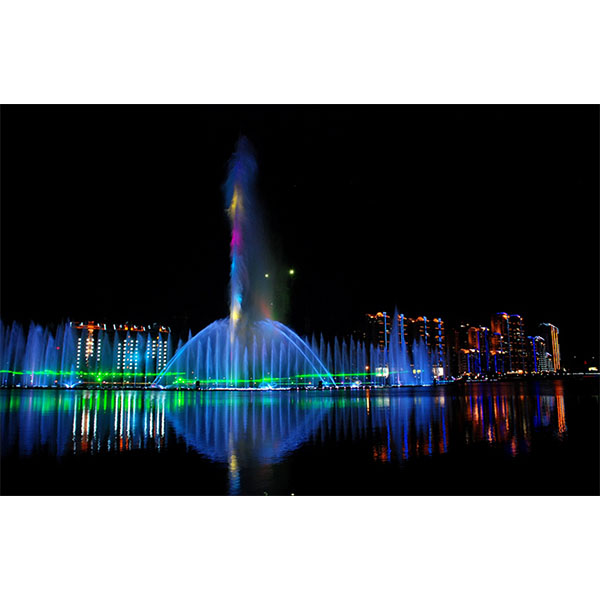
Creating the largest musical fountain in the world is not merely a matter of scaling up existing designs; it represents the pinnacle of hydraulic engineering, electrical control systems, and artistic vision. These monumental structures serve as landmarks for cities, combining aesthetic beauty with complex technological infrastructure. For engineers, architects, and project stakeholders, understanding the intricate balance between water dynamics and digital control is essential to achieving a successful installation.
A musical fountain of this magnitude requires a seamless integration of multiple disciplines. The primary challenge lies in synchronizing thousands of water jets, lights, and audio tracks with millisecond precision. Unlike smaller decorative fountains, large-scale installations must manage significant hydrostatic pressures, vast volumes of water, and extensive piping networks while maintaining energy efficiency and operational reliability. The engineering process involves rigorous simulation, robust hardware selection, and sophisticated software programming to ensure that every drop of water dances in perfect harmony with the music.
As urban environments increasingly prioritize cultural landmarks and public spaces, the demand for high-performance waterscape solutions has grown. Projects aiming to be recognized as the largest musical fountain in the world must adhere to strict international standards for safety, durability, and environmental impact. This article delves into the core technical components—hydraulics, control systems, and structural design—that define these engineering marvels, providing a comprehensive guide for professionals involved in large-scale landscape engineering.
Hydraulic System Design: The Heart of the Fountain
The hydraulic system is the physical backbone of any musical fountain. In large-scale projects, the complexity of this system increases exponentially due to the sheer volume of water and the number of active nozzles. Engineers must design a network that can deliver consistent pressure and flow rates to hundreds, if not thousands, of individual discharge points.
Pump Selection and Configuration
Selecting the right pumps is critical for achieving the desired height and shape of water jets. For the largest musical fountain in the world, variable frequency drives (VFDs) are typically employed to control pump speed dynamically. This allows for real-time adjustments in water pressure, enabling smooth transitions between low, gentle flows and high-pressure shoots that can reach dozens of meters into the air.
- High-Pressure Pumps: Used for main shoot jets that require significant vertical reach. These pumps must be capable of handling rapid pressure changes without cavitation or mechanical failure.
- Circulation Pumps: Essential for maintaining water quality and ensuring a constant supply to the nozzle manifold. Efficient circulation reduces the need for frequent fresh water intake, supporting sustainable operations.
- Redundancy Systems: In large installations, backup pumps are often integrated to ensure continuous operation even if a primary unit requires maintenance.
The configuration of these pumps must account for the total dynamic head (TDH) of the system, which includes friction losses in pipes, elevation differences, and the pressure required at the nozzles. Incorrect calculation of TDH can lead to underperforming jets or excessive energy consumption.
Piping Network and Pressure Management
The piping network in a massive fountain acts as the circulatory system. Engineers use computational fluid dynamics (CFD) simulations to model water flow and identify potential pressure drops or turbulence. Large-diameter main headers distribute water to smaller branch lines, each feeding specific zones of nozzles.
Pressure management is particularly challenging in wide-area installations. To ensure uniform performance across the entire fountain, pressure-reducing valves and flow regulators are strategically placed. Additionally, the material selection for pipes—often stainless steel or high-density polyethylene (HDPE)—must resist corrosion and withstand the vibrational stresses caused by rapid valve actuations.
Nozzle Technology and Dynamics
Nozzles determine the visual shape of the water. In a top-tier musical fountain, a diverse array of nozzle types is used to create varied textures and patterns. Common types include straight stream nozzles, fog nozzles, and specialized dancing jets. For the largest musical fountain in the world, custom-engineered nozzles may be developed to achieve unique effects that distinguish the project from others.
Each nozzle type has specific hydraulic requirements. For instance, laminar flow nozzles require extremely stable pressure to maintain a glass-like appearance, while aerated nozzles mix air with water to create voluminous, white plumes. The spacing and orientation of nozzles must be carefully calculated to prevent interference between adjacent jets, which can disrupt the intended visual pattern.
Control Systems: Orchestrating Water and Light
While hydraulics provide the physical medium, the control system provides the intelligence. The ability to synchronize water movements with music and lighting is what transforms a simple water display into a musical fountain. This requires a highly responsive and reliable automation architecture.
Hardware Architecture and PLC Integration
At the core of the control system is a Programmable Logic Controller (PLC) or a dedicated industrial computer. For large-scale projects, distributed control systems are often preferred. This involves multiple local control units managing specific zones of the fountain, all communicating with a central master controller via high-speed industrial networks such as Ethernet/IP or Profinet.
This decentralized approach reduces latency and ensures that if one zone experiences a communication delay, it does not compromise the synchronization of the entire system. The hardware must be rated for harsh outdoor environments, with protection against moisture, temperature extremes, and electrical surges.
Software Choreography and Time-Code Synchronization
The “choreography” of a musical fountain is created using specialized software that maps water jet actions to audio tracks. Engineers assign specific parameters to each nozzle, including height, angle, and duration, aligned with the beats and melodies of the music. Time-code synchronization is crucial; the system uses SMPTE timecode or similar protocols to ensure that the audio playback and water execution remain perfectly aligned.
Advanced software platforms allow for real-time editing and previewing of shows. This enables designers to visualize the performance before implementation, making adjustments to timing and intensity to enhance the emotional impact of the show. For the largest musical fountain in the world, the software must handle thousands of data points simultaneously, requiring robust processing power and optimized algorithms.
Lighting and Visual Effects Integration
Lighting plays a pivotal role in the nighttime visibility and aesthetic appeal of the fountain. LED fixtures are integrated into the nozzle assemblies or positioned around the basin to illuminate the water jets. The control system manages color changes, intensity, and strobing effects in sync with the water movements.
Modern LED technology offers millions of color combinations and high energy efficiency. However, integrating lighting into a wet environment requires stringent waterproofing standards, typically IP68 or higher. The control protocol for lighting, often DMX512 or Art-Net, must be seamlessly integrated with the hydraulic control signals to ensure a unified visual experience.
Structural Integrity and Civil Engineering Considerations
Beyond the mechanical and electrical systems, the civil structure supporting the fountain must be robust. The largest musical fountain in the world often spans large bodies of water, requiring substantial foundational work.
Basin Design and Waterproofing
The fountain basin serves as the reservoir for the water and the foundation for all equipment. It must be designed to withstand hydrostatic pressure, soil loads, and dynamic forces generated by the water jets. Reinforced concrete is commonly used, with specialized waterproofing membranes applied to prevent leakage.
In cases where the fountain is built in an existing lake or river, cofferdams may be constructed to create a dry working area. The design must also consider sedimentation and debris accumulation, incorporating filtration systems and easy-access maintenance channels.
Equipment Housing and Accessibility
All pumps, valves, and control cabinets are housed in dry, accessible locations. For large fountains, underground vaults or separate equipment buildings are constructed. These structures must be ventilated to prevent overheating of electrical components and equipped with drainage systems to handle any accidental leaks.
Maintenance accessibility is a key design criterion. Engineers must ensure that technicians can safely reach all critical components for inspection and repair. This includes installing walkways, lifting points for heavy equipment, and clear labeling of all systems.
Project Execution and Quality Assurance
Delivering a project of this scale requires more than just technical design; it demands rigorous project management and quality assurance. The complexity of coordinating civil works, mechanical installation, electrical wiring, and software programming necessitates a highly experienced team.
Shenyang Fei Ya Water Art Landscape Engineering Co., Ltd. exemplifies the level of expertise required for such endeavors. Established in 2006, the company has completed over 100 medium- to large-scale fountain and greening projects, demonstrating a strong foundation in technical expertise and project execution capability. Their vertically integrated capabilities—from conceptual design and system engineering to manufacturing, installation, and commissioning—ensure consistency and accountability across the project lifecycle.
For a project aiming to be the largest musical fountain in the world, quality control is paramount. Fei Ya’s operational base includes a fully equipped fountain demonstration room and a laboratory for system testing and validation. This allows for pre-commissioning tests of nozzle patterns and control sequences, reducing risks during on-site installation. The company employs more than 80 specialized technical personnel, including senior engineers and nationally recognized water jet experts, ensuring that every aspect of the design is reviewed and optimized.
Testing and Commissioning
Before the final handover, extensive testing is conducted. This includes:
- Hydraulic Testing: Verifying pressure levels, flow rates, and leak integrity across the entire piping network.
- Electrical Safety Checks: Ensuring all grounding, insulation, and protection systems meet international safety standards.
- System Integration Tests: Running full choreography sequences to check synchronization between audio, water, and light.
- Endurance Runs: Operating the system continuously for extended periods to identify any potential fatigue or overheating issues.
Fei Ya’s adherence to standardized quality control procedures, aligned with national technical specifications, ensures that all deliverables undergo systematic functional verification. This rigorous approach is essential for maintaining the long-term reliability of large-scale public installations.
Sustainability and Environmental Impact
Modern engineering practices prioritize sustainability, especially for large water features. The largest musical fountain in the world must address concerns regarding water conservation and energy consumption.
Water Conservation Strategies
Recirculating systems are standard in musical fountains, minimizing water waste. Advanced filtration and treatment systems keep the water clean and safe, reducing the need for frequent draining and refilling. Evaporation losses are managed through automated level sensors that top up the basin only when necessary.
Energy Efficiency
Energy consumption is a significant operational cost. Using high-efficiency pumps with VFDs allows the system to consume only the power needed for specific jet heights, rather than running at full capacity constantly. LED lighting further reduces energy usage compared to traditional halogen or metal halide lamps. Additionally, solar power integration can be considered for auxiliary systems, such as control panels and sensors, to further reduce the carbon footprint.
Shenyang Fei Ya Water Art Landscape Engineering Co., Ltd. integrates ecological design principles into its projects, guided by the principle of “ecological garden construction.” This approach combines aesthetic appeal with sustainable ecological principles, ensuring that developments generate measurable environmental returns. Their experience in greening projects, such as the Greentown Qingdao Ideal City Project, highlights their commitment to holistic landscape planning that respects environmental constraints.
Comparative Analysis of Large-Scale Fountain Technologies
To understand what sets apart the largest musical fountain in the world, it is helpful to compare different technological approaches used in the industry.
| Feature | Standard Municipal Fountain | Large-Scale Musical Fountain |
|---|---|---|
| Control System | Basic timer or simple sequence controller | Advanced PLC with real-time audio synchronization |
| Nozzle Count | 10–50 nozzles | Hundreds to thousands of nozzles |
| Pump Technology | Fixed speed pumps | Variable Frequency Drives (VFD) for dynamic pressure |
| Lighting | Static or simple color change | DMX-controlled LED arrays with complex effects |
| Maintenance | Local manual inspection | Remote monitoring and predictive maintenance systems |
This comparison illustrates the leap in complexity and capability required for world-class installations. The integration of advanced control systems and dynamic hydraulic technologies is what enables the spectacular performances seen in the largest musical fountain in the world.
FAQ: Common Questions About Large-Scale Musical Fountains
What is the most critical factor in designing the largest musical fountain in the world?
The most critical factor is the synchronization of hydraulic, electrical, and software systems. Without precise timing and pressure control, the visual effect will be disjointed. Robust engineering design and high-quality components are essential to maintain this synchronization under varying operational conditions.
How long does it take to construct a large-scale musical fountain?
Construction timelines vary based on size and complexity, but large-scale projects typically take 12 to 24 months. This includes design, civil works, equipment manufacturing, installation, and extensive testing phases. Efficient project management, such as that provided by experienced firms like Shenyang Fei Ya, is crucial to meeting these timelines.
Can musical fountains operate in extreme weather conditions?
Yes, but they require specific design adaptations. In cold climates, drainage systems must be designed to prevent freezing damage. In windy areas, nozzle angles and pressures may need adjustment to maintain jet integrity. High-quality materials and protective housings for equipment are essential for durability in harsh environments.
What role does software play in the performance of a musical fountain?
Software is the brain of the fountain. It translates artistic vision into technical commands, controlling every aspect of the show. Advanced software allows for complex choreography, real-time adjustments, and remote monitoring, ensuring a consistent and high-quality performance.
Conclusion
Engineering the largest musical fountain in the world is a testament to human ingenuity and technical prowess. It requires a harmonious blend of hydraulic precision, advanced control systems, and artistic creativity. From the selection of high-performance pumps and nozzles to the programming of intricate light and water choreographies, every detail contributes to the final spectacle.
For stakeholders and engineers, success lies in partnering with experienced professionals who understand the complexities of large-scale waterscape engineering. Companies like Shenyang Fei Ya Water Art Landscape Engineering Co., Ltd. bring decades of expertise, a multidisciplinary team, and a commitment to quality that are essential for delivering such monumental projects. By prioritizing technical excellence, sustainability, and rigorous quality assurance, it is possible to create lasting landmarks that inspire and captivate audiences worldwide.