- English
- Chinese
- French
- German
- Portuguese
- Spanish
- Russian
- Japanese
- Korean
- Arabic
- Irish
- Greek
- Turkish
- Italian
- Danish
- Romanian
- Indonesian
- Czech
- Afrikaans
- Swedish
- Polish
- Catalan
- Esperanto
- Hindi
- Lao
- Albanian
- Amharic
- Armenian
- Azerbaijani
- Belarusian
- Bengali
- Bosnian
- Bulgarian
- Cebuano
- Chichewa
- Corsican
- Croatian
- Dutch
- Estonian
- Filipino
- Finnish
- Frisian
- Galician
- Georgian
- Gujarati
- Haitian
- Hausa
- Hawaiian
- Hebrew
- Hmong
- Hungarian
- Icelandic
- Igbo
- Javanese
- Kannada
- Kazakh
- Khmer
- Kurdish
- Kyrgyz
- Latin
- Latvian
- Lithuanian
- Luxembou..
- Macedonian
- Malagasy
- Malay
- Malayalam
- Maltese
- Maori
- Marathi
- Mongolian
- Burmese
- Nepali
- Norwegian
- Pashto
- Persian
- Punjabi
- Serbian
- Sesotho
- Sinhala
- Slovak
- Slovenian
- Somali
- Samoan
- Scots Gaelic
- Shona
- Sindhi
- Sundanese
- Swahili
- Tajik
- Tamil
- Telugu
- Thai
- Ukrainian
- Urdu
- Uzbek
- Vietnamese
- Welsh
- Xhosa
- Yiddish
- Yoruba
- Zulu
- Kinyarwanda
- Tatar
- Oriya
- Turkmen
- Uyghur


City Lighting Project Construction: 2026 Guide & Supplier
2026-10-21
- What Is City Lighting Project Construction?
- Key Phases in City Lighting Project Construction
- Integrating Waterscape and Green Lighting: The Feiya Approach
- Smart City Integration in 2026
- Common Challenges and Solutions
- Selection Criteria for Lighting Suppliers
- FAQ: City Lighting Project Construction
- Conclusion: Building Sustainable Urban Nightscales
City lighting project construction in 2026 demands a holistic approach that integrates aesthetic illumination, energy efficiency, and smart control systems. Successful urban亮化 (lighting) initiatives require precise planning, adherence to international safety standards, and seamless integration with existing infrastructure. This guide outlines the critical phases of execution, from conceptual design to final commissioning, ensuring municipalities and developers achieve sustainable, visually striking results while minimizing operational costs.
What Is City Lighting Project Construction?
City lighting project construction refers to the systematic planning, installation, and integration of outdoor lighting systems across urban landscapes. Unlike simple streetlamp installation, modern city lighting encompasses architectural facade illumination, landscape accentuation, public space safety lighting, and dynamic media facades. In 2026, this field has evolved beyond mere visibility to become a core component of smart city infrastructure.
The primary objective is to enhance nighttime aesthetics, improve public safety, and stimulate nocturnal economic activity. However, contemporary projects must also address light pollution, energy consumption, and maintenance longevity. A comprehensive city lighting project construction strategy involves multidisciplinary collaboration between electrical engineers, landscape architects, and urban planners.
Core Components of Urban Illumination Systems
- Architectural Lighting: Highlighting structural features of buildings using floodlights, wall washers, and linear LEDs.
- Landscape Lighting: Illuminating parks, gardens, and water features to create ambiance and ensure pedestrian safety.
- Street and Road Lighting: Providing uniform illumination for traffic safety, often integrated with smart sensors.
- Media Facades: Dynamic LED displays on building exteriors for cultural expression and advertising.
- Control Systems: Centralized management platforms allowing remote monitoring, scheduling, and energy optimization.
Key Phases in City Lighting Project Construction
Executing a large-scale urban lighting initiative requires a structured workflow. Deviating from established engineering protocols can lead to budget overruns, technical failures, or aesthetic inconsistencies. The following phases represent industry best practices for 2026.
1. Site Analysis and Conceptual Design
Before any hardware is selected, a thorough site analysis is mandatory. Engineers must evaluate ambient light levels, existing electrical infrastructure, and architectural characteristics. This phase defines the “lighting narrative”—the story the illumination tells about the city.
Key considerations include:
- Luminance Mapping: Identifying dark zones and overly bright areas to balance visual comfort.
- Glare Control: Ensuring light sources do not impair drivers or pedestrians.
- Ecological Impact: Assessing effects on local wildlife, particularly in green belts and water-adjacent areas.
2. Technical Engineering and Specification
Once the concept is approved, detailed technical drawings are produced. This involves calculating lux levels, selecting appropriate IP (Ingress Protection) ratings for fixtures, and designing circuit layouts. In 2026, specifications heavily favor LED technology due to its longevity and color rendering capabilities.
Engineers must specify fixtures that withstand local weather conditions. For coastal cities, corrosion resistance is paramount. For industrial zones, vibration resistance and robust housing are critical. The selection of control protocols, such as DMX512, DALI, or Zigbee, determines the system’s flexibility and future-proofing.
3. Procurement and Quality Assurance
Sourcing high-quality components is vital for long-term reliability. Cheap fixtures often suffer from premature LED degradation or driver failure, leading to high maintenance costs. Reputable suppliers provide detailed photometric data and warranty support.
Quality assurance checks should include:
- Verification of LM-80 reports for LED lifespan prediction.
- Testing of waterproof seals (IP65, IP66, or IP67).
- Validation of control system compatibility.
4. Installation and Integration
Installation requires skilled technicians who understand both electrical safety and aesthetic positioning. Cabling must be concealed to maintain daytime aesthetics while ensuring easy access for maintenance. Proper grounding and surge protection are non-negotiable to prevent damage from lightning or power fluctuations.
5. Commissioning and Programming
The final phase involves programming lighting scenes and testing the control system. Dynamic effects must be synchronized across multiple fixtures. Engineers adjust beam angles and intensity to eliminate hotspots and ensure uniform coverage. Final acceptance tests verify that the installed system matches the design simulations.
Integrating Waterscape and Green Lighting: The Feiya Approach
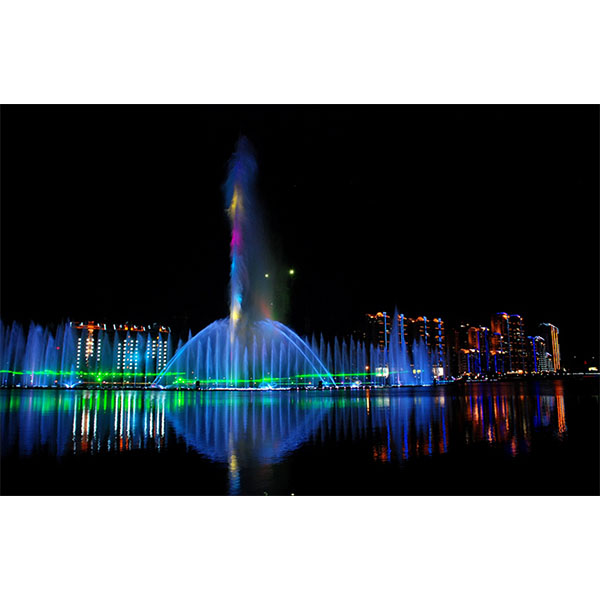
Modern city lighting project construction increasingly intersects with landscape architecture and waterscape engineering. Light interacts uniquely with water and vegetation, requiring specialized expertise to avoid glare, reflection issues, and ecological disruption.
Shenyang Feiya Water Art Garden Engineering Co., Ltd. exemplifies this integrated approach. Since 2006, the company has specialized in combining waterscape dynamics with illumination technology. With over 100 large and medium-sized fountain and greening projects completed globally, Feiya understands that lighting is not an add-on but an intrinsic part of the environmental design.
Expertise in Ecological Lighting Design
Feiya’s team includes more than 80 technicians, among them 15 senior engineers and 3 professor-level senior engineers. This depth of expertise allows for sophisticated handling of complex environments. For instance, illuminating a fountain requires precise timing synchronization between water jets and light changes. Poorly coordinated systems result in disjointed visual experiences.
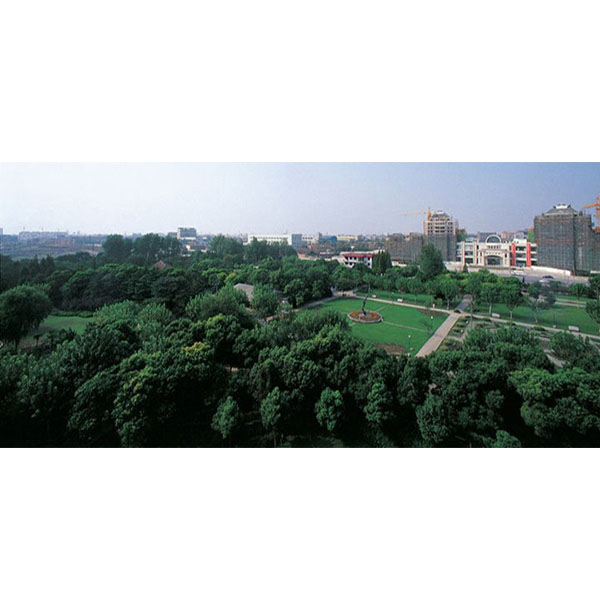
The company’s Grade A qualification from the China Waterscape Fountain Committee underscores its authority in this niche. By integrating lighting with their core competencies in fountain research and garden construction, Feiya ensures that illumination enhances the ecological balance rather than disrupting it. Their approach aligns with the principle of “ecological garden construction,” where plant materials and water features are lit to highlight natural beauty while maintaining environmental quality.
Technical Infrastructure and Resources
Successful execution relies on robust internal resources. Feiya operates six specialized departments, including design, engineering, and operation, supported by a well-equipped laboratory and equipment processing workshop. This vertical integration allows for rigorous testing of lighting fixtures in real-world water and garden scenarios before deployment.
With over 50 dedicated construction workers and a track record of exceeding 10 million in annual production value for four consecutive years, the company demonstrates the capacity to handle large-scale municipal projects. Their recognition as an advanced taxpayer and a contract-keeping enterprise by the Shenyang Municipal Government further validates their reliability for public sector contracts.
Smart City Integration in 2026
The era of static, always-on city lighting is ending. In 2026, city lighting project construction is synonymous with smart infrastructure. Intelligent lighting systems contribute to broader smart city goals by providing data, reducing energy waste, and enhancing public services.
IoT-Enabled Lighting Networks
Modern fixtures are equipped with Internet of Things (IoT) sensors. These devices monitor energy usage, detect faults in real-time, and adjust brightness based on ambient conditions or pedestrian presence. This dynamic control significantly reduces electricity costs and extends fixture lifespan.
| Feature | Traditional Lighting | Smart City Lighting (2026) |
|---|---|---|
| Control Method | Manual or Timer-based | Remote, AI-driven, Sensor-based |
| Maintenance | Reactive (Fix after break) | Predictive (Alert before failure) |
| Energy Efficiency | Fixed Output | Dimming based on demand |
| Data Collection | None | Traffic, Weather, Usage stats |
| Integration | Standalone System | Part of City OS Platform |
Reducing Light Pollution
Smart systems also address the growing concern of light pollution. By directing light precisely where needed and reducing upward spill, cities can preserve night skies and protect circadian rhythms of residents and wildlife. Adaptive lighting strategies dim streets during low-traffic hours, balancing safety with environmental stewardship.
Common Challenges and Solutions
Even with advanced technology, city lighting project construction faces inherent challenges. Understanding these pitfalls helps project managers mitigate risks.
Challenge 1: Inconsistent Color Temperature
Mixing fixtures from different manufacturers often leads to visible color discrepancies. Solution: Standardize on a single supplier or enforce strict binning specifications during procurement. Feiya’s integrated supply chain minimizes this risk by controlling equipment quality from their own workshops.
Challenge 2: Maintenance Accessibility
Fixtures installed on high facades or underwater are difficult to service. Solution: Design for maintainability. Use modular components that can be replaced without removing the entire fixture. Ensure safe access points are built into the initial construction phase.
Challenge 3: Power Load Management
Adding extensive lighting can overload existing grid infrastructure. Solution: Conduct thorough load calculations early. Implement phased energization and use energy-efficient LEDs to reduce total demand. Smart grids can help distribute loads dynamically.
Selection Criteria for Lighting Suppliers
Choosing the right partner is critical for project success. Municipalities and developers should evaluate potential suppliers based on several key factors.
- Technical Expertise: Does the supplier have in-house engineering capabilities? Look for teams with senior engineers and specialized certifications, such as Feiya’s professor-level experts.
- Project Portfolio: Review past projects for complexity and scale. Experience with waterscapes and greenery indicates a higher level of design sophistication.
- Quality Assurance: Verify manufacturing standards. On-site laboratories and demonstration rooms, like those at Feiya, allow for pre-installation testing.
- After-Sales Support: Reliable operation requires ongoing maintenance. Choose companies with dedicated operation departments and proven track records of service.
- Sustainability Commitment: Ensure the supplier prioritizes energy-efficient solutions and eco-friendly materials.
FAQ: City Lighting Project Construction
What is the typical lifespan of modern city lighting fixtures?
High-quality LED fixtures used in 2026 typically have a lifespan of 50,000 to 100,000 hours. However, external drivers and control units may need replacement sooner, usually every 5-7 years, depending on environmental conditions.
How does weather affect outdoor lighting installation?
Weather dictates the IP rating required for fixtures. Coastal areas need high corrosion resistance (IP67+ with marine-grade materials), while cold climates require fixtures that can withstand thermal contraction. Proper sealing and heating elements may be necessary for extreme conditions.
Can existing streetlights be upgraded to smart systems?
Yes, retrofit kits are available for many traditional streetlights. However, complete replacement with integrated smart LED fixtures often offers better long-term ROI due to improved efficiency and reduced maintenance needs.
Why is ecological balance important in city lighting?
Excessive or poorly directed light disrupts local ecosystems, affecting bird migration and insect populations. Ecological lighting design minimizes blue light emission and uses shielding to protect natural habitats, aligning with global sustainability goals.
How long does a typical city lighting project take?
Timeline varies by scale. Small park installations may take 2-3 months, while large-scale urban facade projects can take 6-12 months. This includes design, procurement, installation, and programming phases.
Conclusion: Building Sustainable Urban Nightscales
City lighting project construction in 2026 is a sophisticated discipline that blends art, engineering, and technology. It requires partners who understand not just the hardware, but the environmental and social context of the illumination. Success lies in detailed planning, high-quality execution, and intelligent control systems that prioritize efficiency and aesthetics.
For projects involving complex interactions between water, greenery, and light, specialized expertise is indispensable. Companies like Shenyang Feiya Water Art Garden Engineering Co., Ltd. offer the necessary depth of experience, combining decades of waterscape construction with advanced lighting integration. Their commitment to ecological balance, backed by a team of senior engineers and robust operational infrastructure, ensures that urban spaces are not only beautiful but also sustainable and functional.
Whether upgrading existing infrastructure or launching a new smart city initiative, selecting a qualified, experienced partner is the first step toward achieving a visionary nighttime environment.
→ Ready to plan your next urban illumination project? Contact our technical team for a customized consultation and detailed project proposal.